UNUSUAL CARS MODEL GUIDE
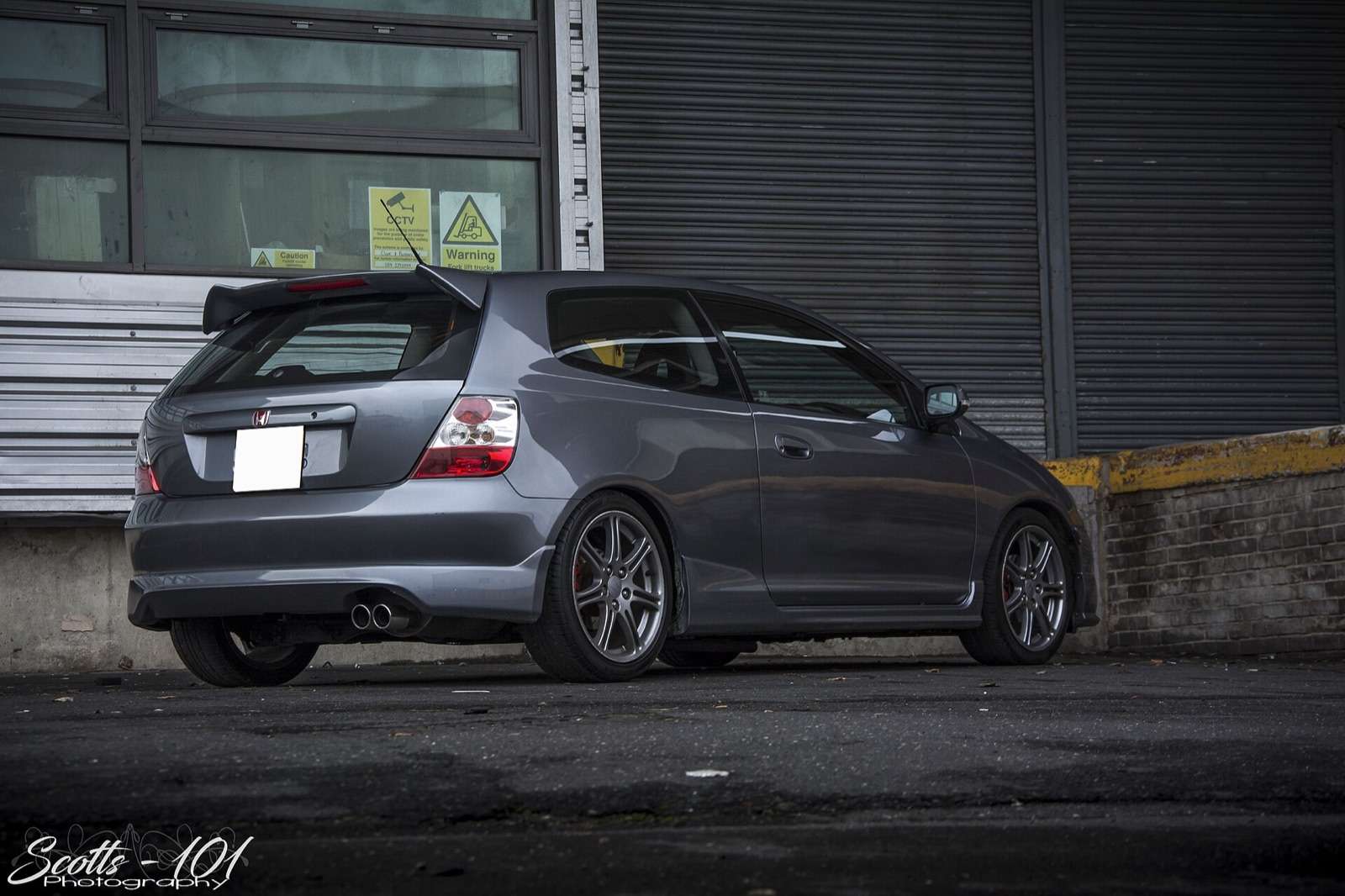
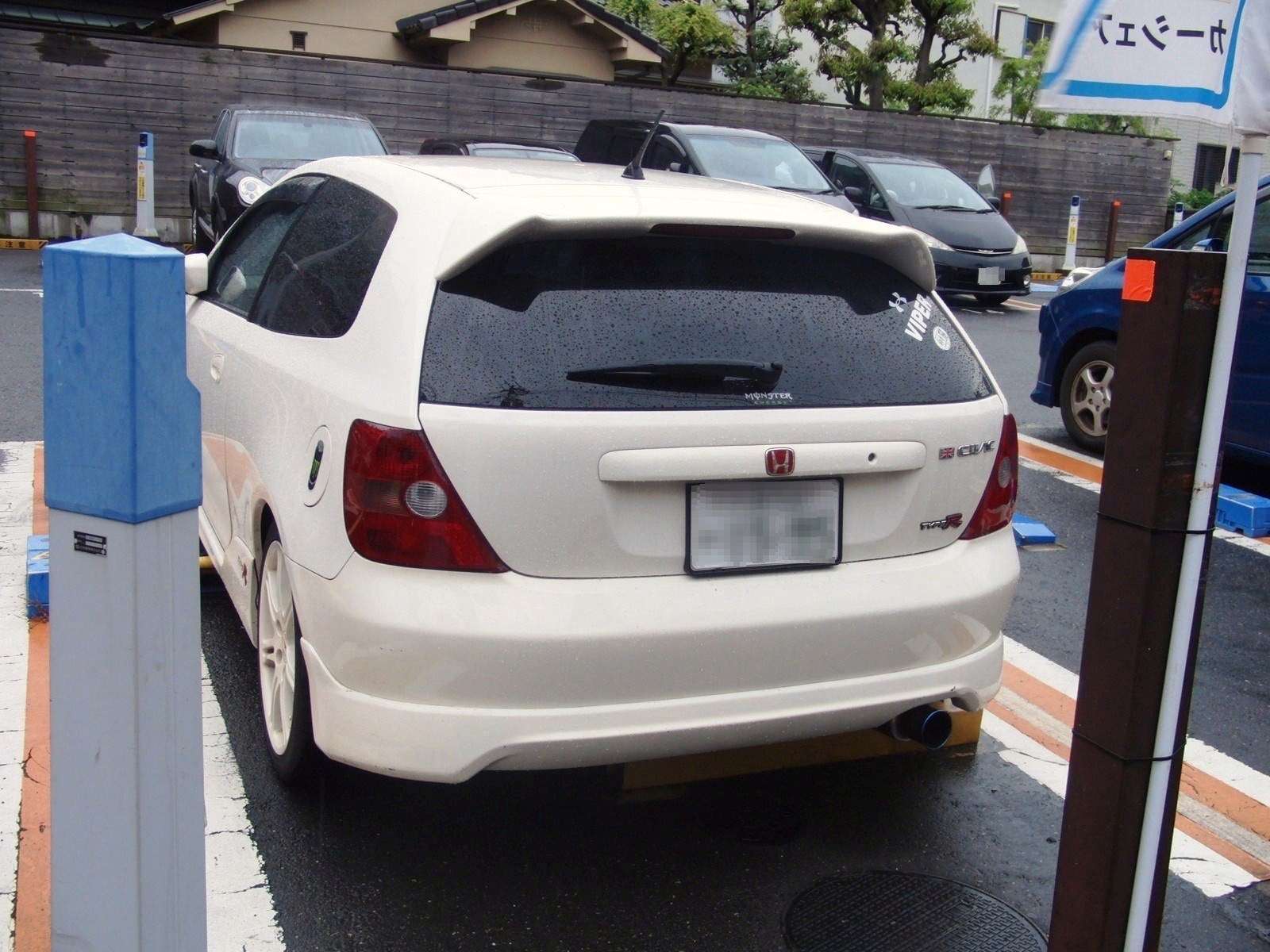
The Honda Civic Type R EP3 is the second-generation Civic Type R and the model that brought the badge into the British mainstream. Built at Honda’s Swindon factory from 2001, it combined a 2.0-litre K20A-series engine, a close-ratio six-speed gearbox and a practical three-door hatchback body.
Quick answer: UK EP3s produced 200PS and did not receive the limited-slip differential fitted to Japanese cars. JDM EP3s used a higher-output K20A, shorter gearing, an LSD and additional chassis changes.
A Type R made in Britain
The original EK9 Civic Type R was a Japanese-market car. The EP3 was different: it was manufactured in Swindon and officially sold across Europe. Honda UK records nearly 21,000 Type R sales during the model’s run, making it the breakthrough Type R for British buyers.
The body was taller and more practical than the DC2 Integra, but Honda gave it a highly rigid shell, firmer suspension, stronger brakes and distinctive red-trimmed seats. The dash-mounted gearlever became one of the car’s defining ergonomic details.

K20A2 engine and six-speed gearbox
UK cars use the 1,998cc K20A2 with 200PS at 7,400rpm. The engine introduced i-VTEC control and a broader usable range than the older B-series while still rewarding high revs. The close-ratio six-speed gearbox keeps the engine in its strongest band.
Japanese-market EP3s use a K20A specification quoted at 215PS, with a different intake and exhaust package, shorter ratios, limited-slip differential and market-specific equipment. Imported examples must be identified by chassis details and documentation rather than badges alone.
| Version | Key distinction |
|---|---|
| UK pre-facelift | 200PS K20A2, six-speed manual and 17-inch wheels |
| UK facelift | Revised lights, bumpers, trim and detail suspension changes |
| Japanese EP3 | 215PS K20A, limited-slip differential, shorter gearing and additional specification changes |
| Premier Edition | Late UK special edition with Recaro seats and distinctive trim |

Pre-facelift, facelift and Premier Edition
The 2003–04 update brought revised lamp units, bumpers, interior details and suspension tuning. Late Premier Edition cars added red and black Recaro seats, a Momo steering wheel and special badging. Condition and provenance remain more important than edition alone.
The EP3’s steering uses electric assistance, and its chassis does not mimic the lighter DC2. It is a faster, more practical hot hatch with strong body control and a drivetrain that rewards committed use.
Love cars you don’t see every day?
Get forgotten cars, surprising motoring stories and the most interesting finds from Unusual Cars by email.
Free to join. No spam. Unsubscribe whenever you like. See our privacy policy.
Honda Civic Type R EP3 buying guide
Rust and previous repairs
Inspect rear arches, sills, floor edges, boot well, front crossmember and subframes. Check panel gaps and paint carefully because many cars have been repaired after minor or major accidents.
Engine and timing chain
Look for regular oil changes and correct oil level. Listen for chain or tensioner noise, check for smoke, leaks and overheating and verify that the engine reaches its high-rpm cam change cleanly.
Gearbox and clutch
Second- and third-gear synchros can wear. Test shifts both cold and hot, check clutch bite and listen for input-shaft bearing noise. A stiff or obstructive change should not be dismissed as normal.
Steering and suspension
Check rack play, wandering, broken springs, tired dampers and worn bushes. Uneven tyre wear may point to poor geometry or previous damage. Modifications should be supported by alignment records and quality components.
Why the EP3 matters
The EP3 placed an exotic-feeling engine and six-speed gearbox into a usable British-built hatchback. It made the Type R name familiar without removing the mechanical discipline behind it, and it remains a natural bridge between analogue 1990s Hondas and newer turbocharged performance cars.
Research sources
- Honda UK: 25 years of Civic Type R
- Honda Europe: 2001 Civic Type R launch material
- Honda: Civic Type R generation history

Continue the Honda story
Explore the Rare & Performance Hondas hub, then read the Integra Type R DC2 guide or the Honda NSX guide.
Related EP3 reading
For a lighter companion piece, see 10 Things You Probably Didn’t Know About the Honda Civic Type R EP3.
Frequently asked questions
How much power does a UK Honda Civic Type R EP3 have?
The UK EP3 is rated at 200PS from its 2.0-litre K20A2 engine. Japanese-market cars use a different K20A specification rated at 215PS.
Does a UK EP3 Type R have a limited-slip differential?
Standard UK-market EP3 Type Rs did not receive the factory limited-slip differential fitted to Japanese-market cars.
What is the difference between a pre-facelift and facelift EP3?
The facelift introduced revised lights, bumpers and interior details together with detail chassis changes. Mechanical condition matters more than appearance alone.
What is an EP3 Premier Edition?
The Premier Edition is a late UK special edition distinguished by equipment including red and black Recaro seats, a Momo steering wheel and special badging.
What should be checked before buying an EP3 Type R?
Check rust, accident history, timing-chain and oil maintenance, gearbox synchromesh, steering-rack play, suspension wear and the quality of any modifications.