UNUSUAL CARS MODEL GUIDE
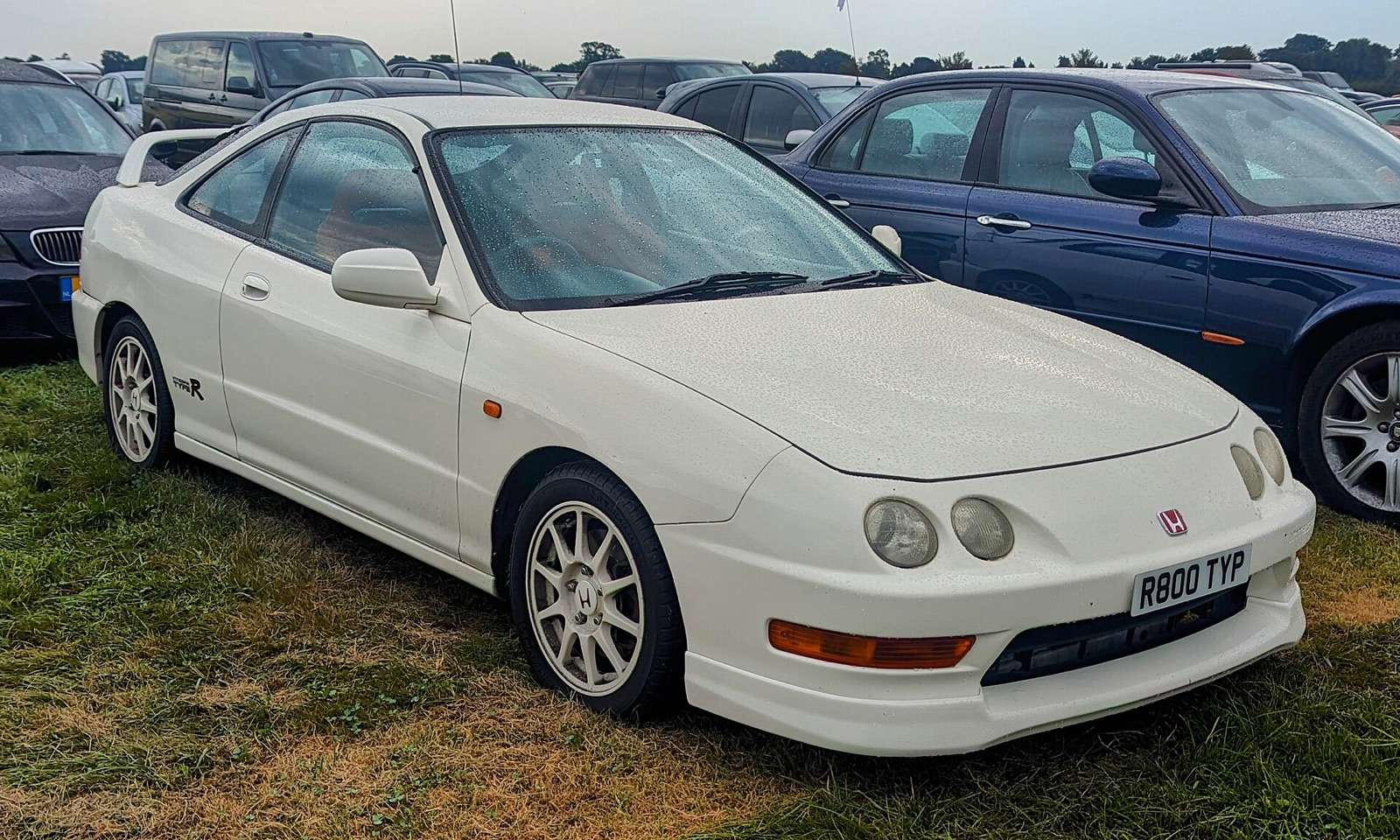
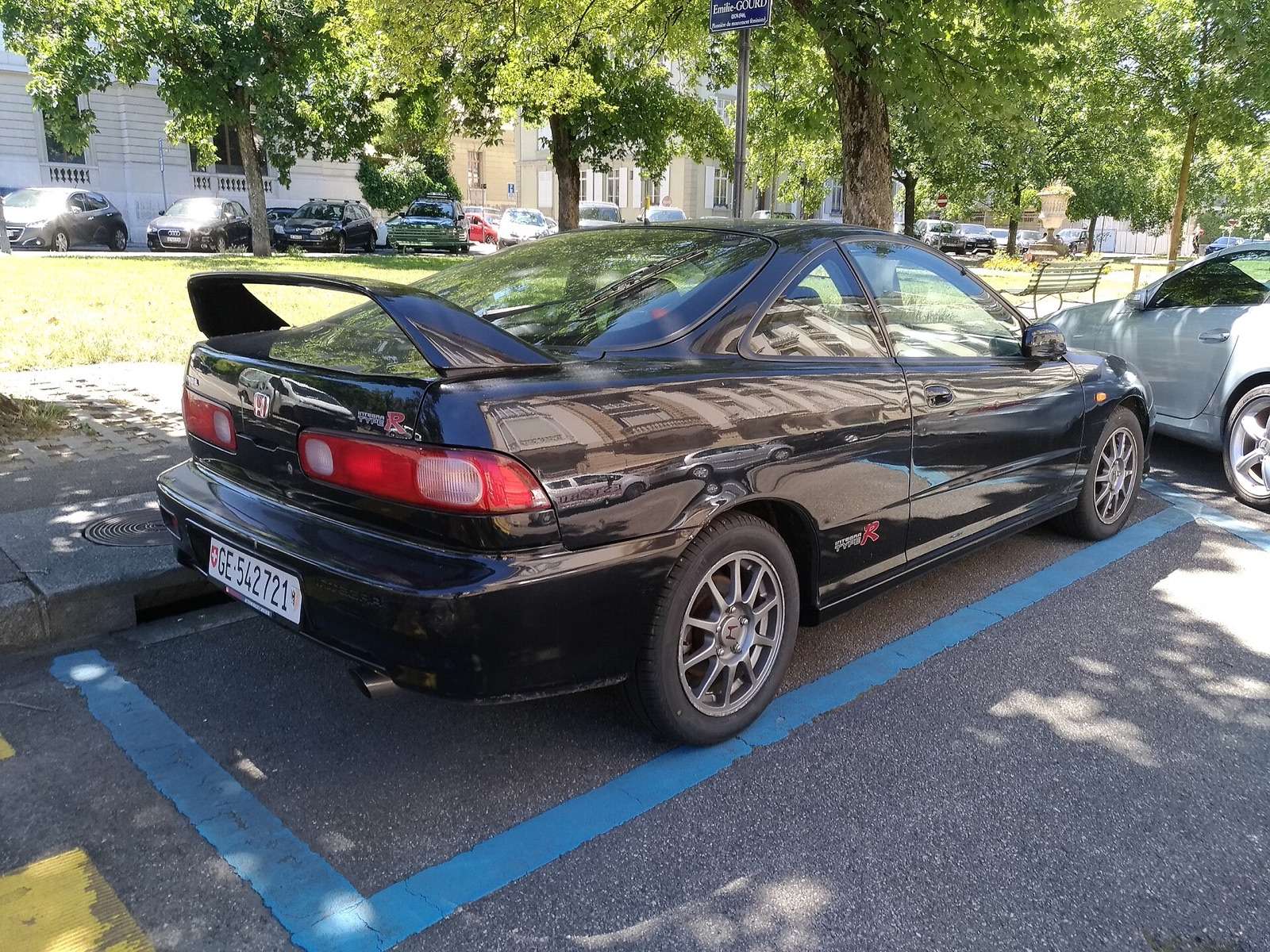
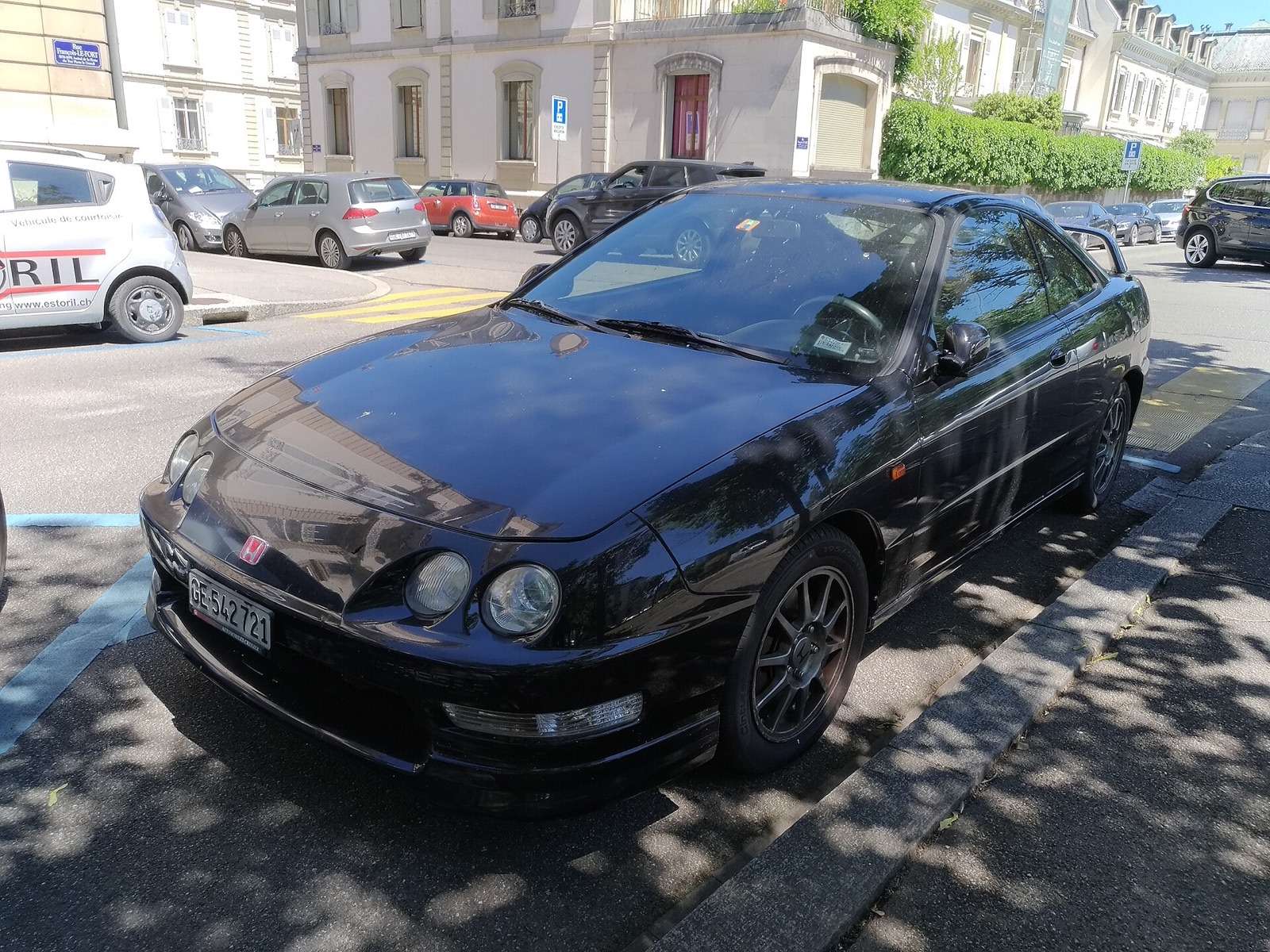
The Honda Integra Type R DC2 is the focused, high-revving version of Honda’s third-generation Integra. Launched in Japan in 1995 and officially sold in Britain from 1998, it combined extensive weight reduction, a hand-finished B18C engine, a limited-slip differential and carefully tuned suspension.
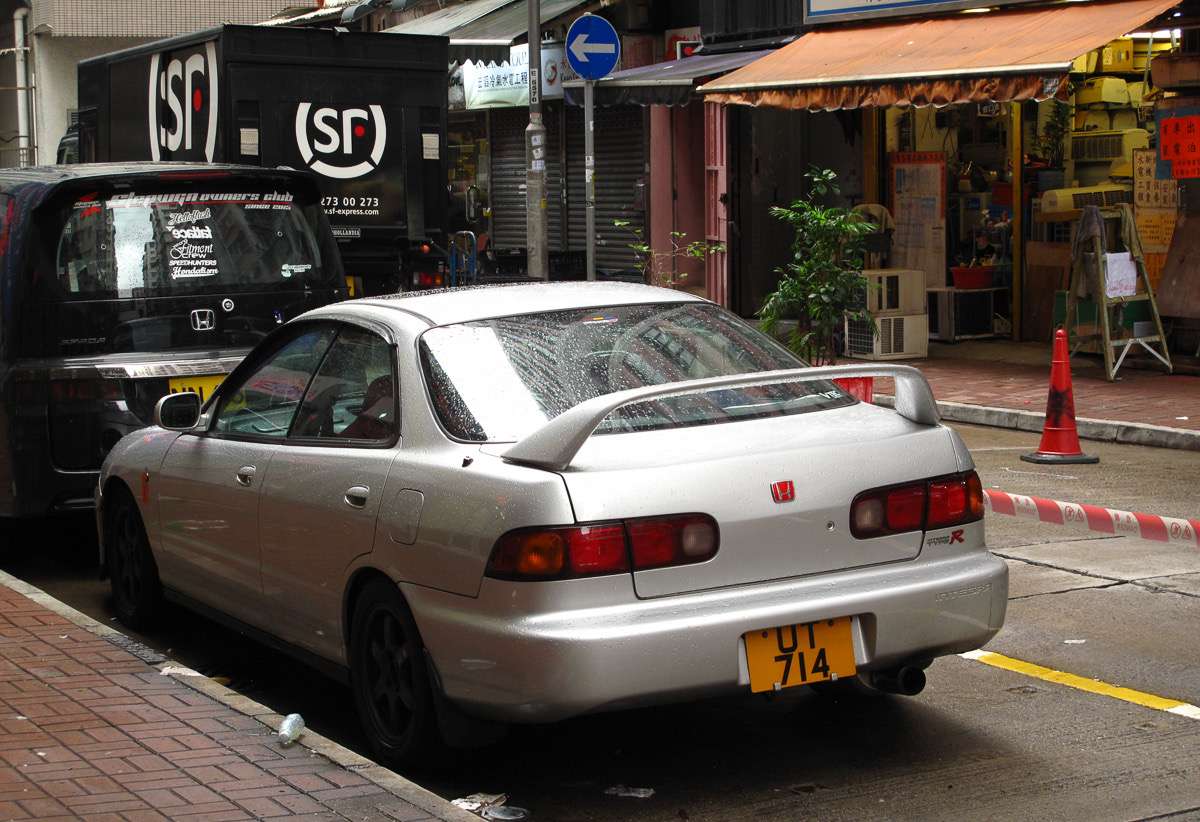
Quick answer: DC2 is the three-door liftback, while DB8 is the four-door Type R sold in Japan. Japanese-market cars used different front styling and generally quoted 200PS; UK cars had the four-headlamp nose and were rated at 190PS.
How the Integra became a Type R
Honda first used the Type R idea on the NSX-R. The Integra translated that approach into an attainable front-wheel-drive coupé. Engineers removed sound insulation and equipment, seam-welded parts of the shell, increased rigidity, revised the suspension and fitted larger brakes.
The result was not merely a quicker Integra. Steering, control weights, seating and gearing were arranged around response. Honda’s own Type R history records that the DC2’s engine components received skilled hand finishing and that the Japanese engine produced 200PS at 8,000rpm.
B18C engine and transmission
The 1,797cc B-series engine used VTEC, high compression and carefully balanced internals. Japanese B18C Type R engines were rated at 200PS; European B18C6 versions were rated at 190PS. Both delivered their best work high in the rev range and were paired with a close-ratio five-speed manual gearbox.
A helical limited-slip differential is central to the car’s behaviour. It helps the front tyres deploy power while the chassis uses lift-off rotation and accurate steering to change direction. The DC2’s reputation rests on this integration rather than on straight-line speed alone.
| Version | Key distinction |
|---|---|
| Japanese DC2 | Three-door body, JDM front styling and 200PS quoted output |
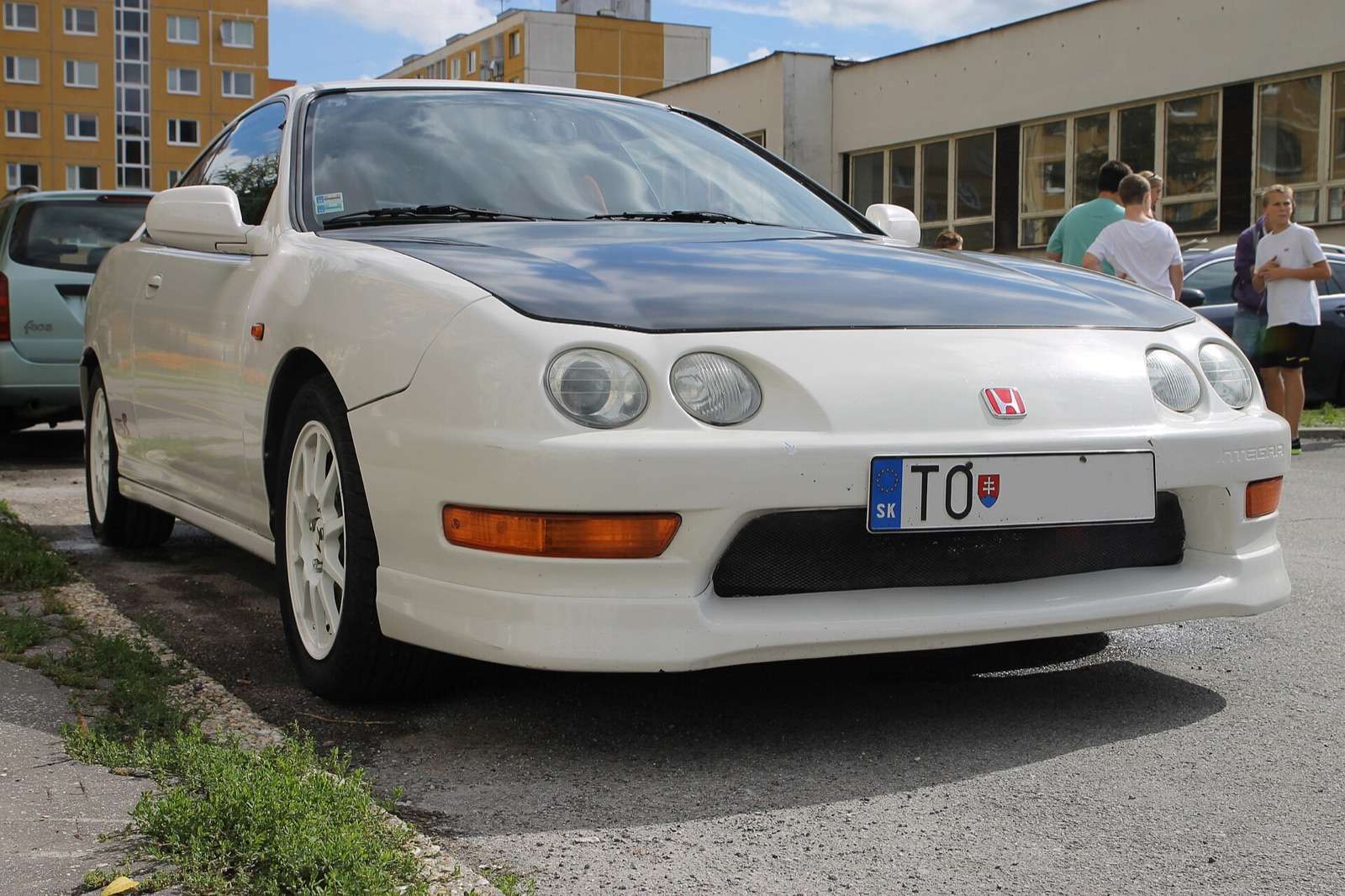
| UK/European DC2 | Four-headlamp front, 190PS B18C6 and official right-hand-drive imports |
| DB8 Type R | Four-door Japanese-market saloon sharing the Type R philosophy |
| 96 Spec and 98 Spec | Japanese development phases with changes to wheels, brakes, gearing and exhaust |

96 Spec, 98 Spec and UK cars
The terms 96 Spec and 98 Spec refer to Japanese-market development phases. Later cars gained five-lug hubs, larger brakes, revised final-drive and gear ratios, 16-inch wheels and detail chassis changes. They are not automatically better for every owner: originality, condition and intended use matter more than internet hierarchy.
The UK car is distinctive in its own right. Official imports arrived with the four-lamp front and a numbered plaque, and surviving standard examples form an important part of Honda’s British performance history.
Love cars you don’t see every day?
Get forgotten cars, surprising motoring stories and the most interesting finds from Unusual Cars by email.
Free to join. No spam. Unsubscribe whenever you like. See our privacy policy.
Honda Integra Type R buying guide
Shell condition and accident history
Inspect rear arches, sills, floor, boot well, roof seams, windscreen surround and suspension mounts. Many cars have been crashed, repaired or used hard. Uneven seams, fresh underseal and inconsistent paint require investigation.
Engine health
Verify oil level and service history, listen for valvetrain noise and check for smoke or low compression. Cambelt and water-pump evidence is important. The engine should transition cleanly into its high-lift cam profile without warning lights or hesitation.
Gearbox and limited-slip differential
Second- and third-gear synchromesh can suffer. Test when cold and warm, check clutch operation and listen for bearing or differential noise. Incorrect oil can spoil shift quality.
Originality
Standard airboxes, wheels, seats, steering wheels, exhausts and exterior trim have become valuable. Modified cars can be excellent, but demand evidence that changes were engineered properly and retain reversible original parts where possible.
Why the DC2 remains important
The Integra Type R demonstrated that a front-wheel-drive car could be light, adjustable and deeply involving without relying on turbocharged torque. It established a formula later Civic Type Rs would broaden: a special engine, close gearing, body discipline and controls developed as a complete system.
Research sources
- Honda: 30 years of Type R history
- Honda UK: Type R history and UK introduction
- Honda Heritage: development of VTEC
Continue the Honda story
Explore the Rare & Performance Hondas hub, then read the Honda NSX guide or the Civic Type R EP3 guide.
Frequently asked questions
What does DC2 mean on a Honda Integra Type R?
DC2 is the chassis code used for the three-door third-generation Integra Type R. The related four-door Japanese Type R uses the DB8 code.
How much power does an Integra Type R DC2 have?
Japanese-market cars were quoted at 200PS, while official UK and European B18C6 cars were rated at 190PS.
What is the difference between 96 Spec and 98 Spec Integra Type Rs?
The terms describe Japanese development phases. Later 98 Spec cars received changes including five-lug hubs, larger brakes, revised gearing, 16-inch wheels and detail chassis updates.
Was the Integra Type R DC2 officially sold in Britain?
Yes. Official UK cars arrived from 1998 with four round headlamps, a 190PS engine specification and market-specific equipment.
What should be checked before buying a DC2 Type R?
Check corrosion, accident repairs, engine compression and oil history, gearbox synchromesh, limited-slip differential operation and whether valuable Type R-specific parts remain.