UNUSUAL CARS MODEL GUIDE
The Honda Prelude was Honda’s front-wheel-drive speciality coupé from 1978 to 2001. Across five generations it served as a showcase for ideas that later spread through the range, including anti-lock braking, mechanical and electronic four-wheel steering, double-wishbone suspension and high-output VTEC engines.
Quick answer: the third-generation 1987 Prelude introduced Honda’s steering-angle-responsive mechanical 4WS, while the fourth and fifth generations moved the car towards 2.2-litre VTEC performance. The best generation depends on whether the priority is 1980s design, engineering novelty or later H22 performance.
Why Honda created the Prelude
Honda introduced the Prelude in 1978 alongside the new Verno sales channel in Japan. It was positioned above the Civic as a personal coupé: lower, more driver-focused and deliberately rich in new technology. That role matters because the Prelude was never simply a shortened Accord. It gave Honda a place to test how sophisticated hardware could make a front-wheel-drive coupé distinctive.
The first generation established the formula with a compact two-door body and an unusual emphasis on equipment and cabin design. The second generation sharpened the shape, adopted retractable headlamps and became the version that made the Prelude a familiar sight in export markets.

Five generations of Honda Prelude
| Generation | Years | Why it matters |
|---|---|---|
| First | 1978–1982 | Established Honda’s personal-coupé concept and the Verno connection |
| Second | 1982–1987 | Retractable headlamps, cleaner proportions and broader export success |
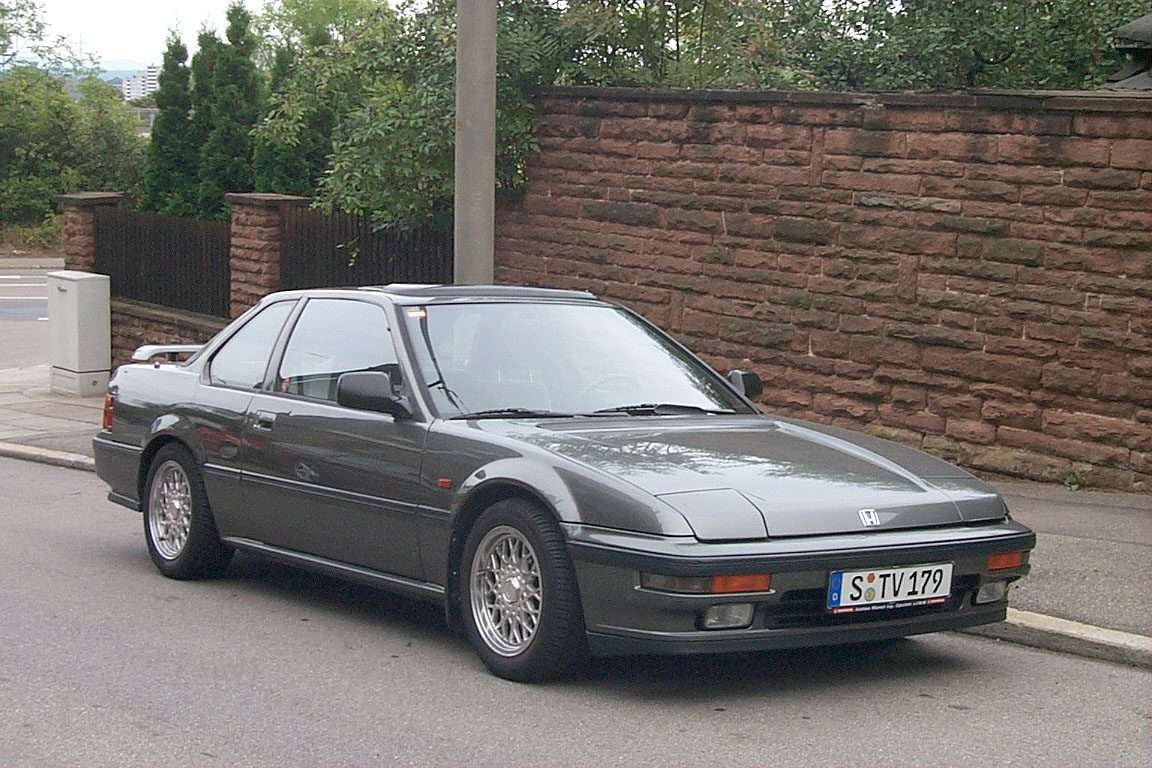
| Third | 1987–1991 | World-first steering-angle-responsive four-wheel steering |
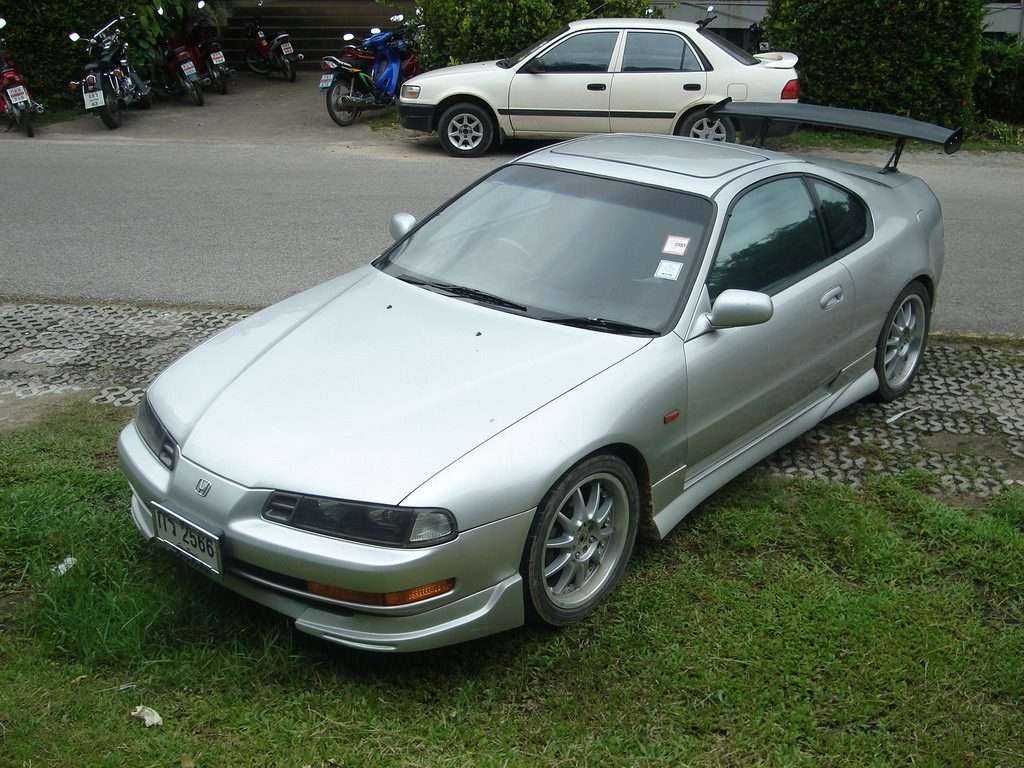
| Fourth | 1991–1996 | Wider body, electronic 4WS and 2.2-litre VTEC performance |
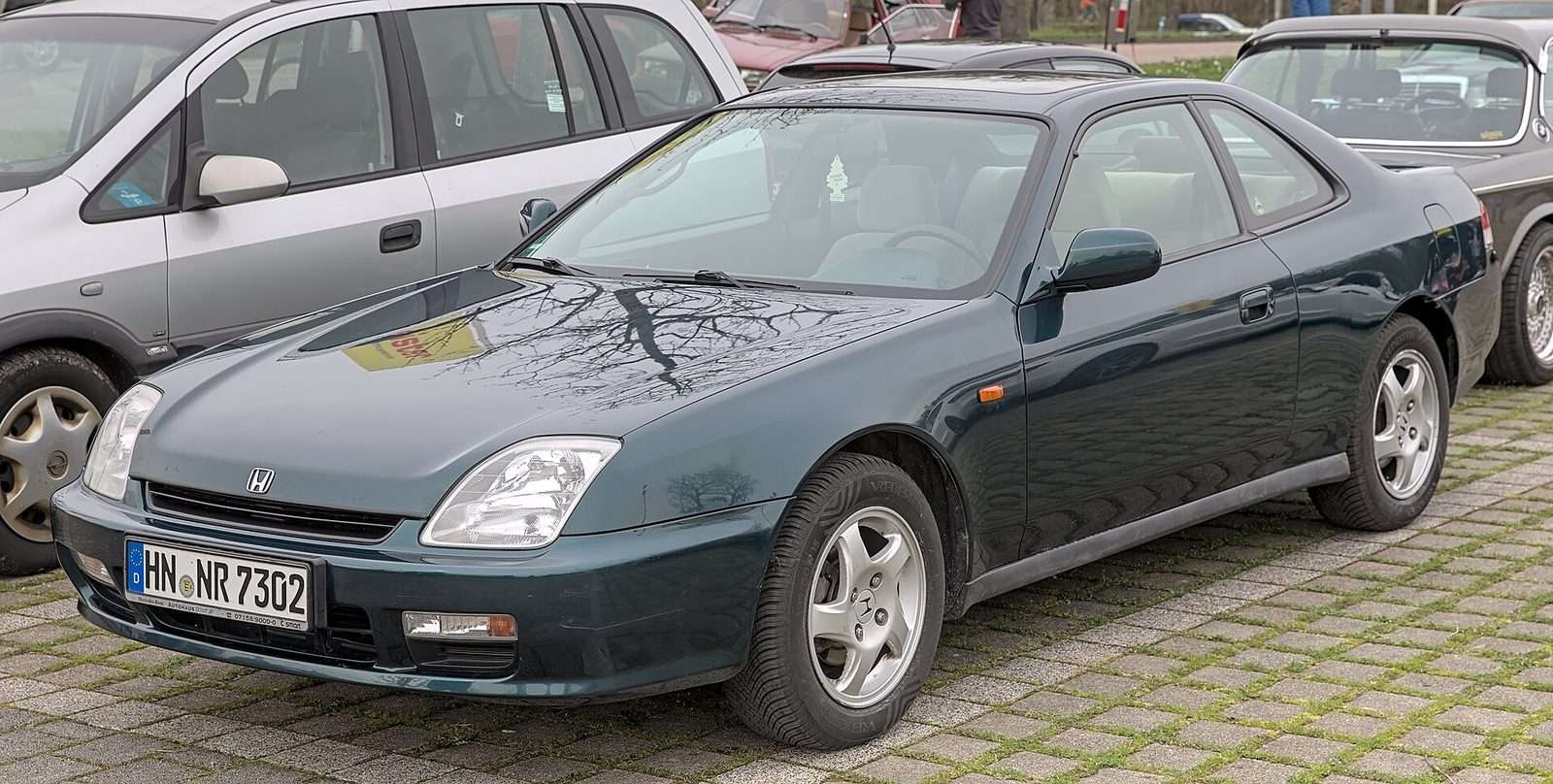
| Fifth | 1996–2001 | Return to a more formal coupé shape; Type S and SiR S specification in Japan |

The 1987 Prelude and mechanical 4WS
The third-generation Prelude is the engineering landmark. Honda’s mechanical system connected front and rear steering gearboxes through a centre shaft. With small steering inputs, the rear wheels turned in the same direction as the fronts to improve stability and response. At larger steering angles they changed to the opposite direction, reducing the turning circle.
Honda describes the 1987 Prelude as the world’s first production application of steering-angle-responsive four-wheel steering. The system was optional, not universal, so surviving cars must be identified from their equipment and mechanical condition rather than from generation alone.

Love cars you don’t see every day?
Get forgotten cars, surprising motoring stories and the most interesting finds from Unusual Cars by email.
Free to join. No spam. Unsubscribe whenever you like. See our privacy policy.
VTEC, electronic 4WS and the later cars
The fourth-generation Prelude abandoned the earlier wedge for a wider, more rounded body and used electronic rather than mechanical rear steering. Japanese and export specifications varied, but the H22A-family 2.2-litre DOHC VTEC engine created the performance version most enthusiasts remember.
The fifth generation returned to a more angular three-box profile. In Japan the Type S combined a 220PS H22A with Active Torque Transfer System, while the later SiR S specification paired the 220PS engine with a five-speed manual gearbox and limited-slip differential. European cars used market-specific H22 and F-series engines and should not be assumed to match Japanese outputs or equipment.
Honda Prelude buying guide
Corrosion and previous repairs
Inspect rear arches, sills, floor edges, suspension mounting areas, windscreen surrounds and the spare-wheel well. Older cars can hide substantial corrosion beneath trim or fresh underseal. Panel availability is limited, making a sound shell more valuable than a cheap mechanical project.
Four-wheel-steering condition
On 4WS cars, confirm that the system is complete, free from warning lights and behaving smoothly. Mechanical third-generation systems need careful inspection for wear and accident damage; later electronic systems add sensors, actuators and control electronics. Specialist diagnosis is preferable to guessing.
H22 engine and transmission
Seek evidence of regular oil-level checks, cambelt and balance-shaft-belt replacement and cooling-system care. Listen for smoke, valvetrain noise and bearing rumble. Manual gearboxes should shift cleanly; automatics need smooth engagement, clean fluid and a convincing maintenance history.
Original specification
Wheels, interiors, spoilers, badges, lights and 4WS-specific components can be difficult to replace. Modified cars may be sound, but poorly executed suspension changes or engine swaps can erase the qualities that make a Prelude interesting.
Why the Prelude still matters
The Prelude’s importance is not based on one engine or one generation. It records a period when Honda repeatedly used a relatively affordable coupé to introduce ambitious chassis technology. That makes the model family broader—and historically more interesting—than its reputation as an old two-door Accord suggests.
Research sources
- Honda: history of the Prelude
- Honda Technology: development and operation of mechanical 4WS
- Honda Heritage: the 1987 Prelude 4WS
- Honda: Prelude SiR S specification
Continue the Honda story
Explore the Rare & Performance Hondas hub, then read the Honda S2000 guide or the Honda CR-X guide.
Frequently asked questions
How many generations of Honda Prelude were made?
Honda produced five Prelude generations between 1978 and 2001. A new hybrid Prelude later revived the name, but it is outside the original five-generation run.
Which Honda Prelude introduced four-wheel steering?
The third-generation Prelude introduced Honda’s mechanical steering-angle-responsive 4WS in 1987. Later generations used electronic systems.
Did every Honda Prelude have 4WS?
No. Four-wheel steering was limited to particular versions and markets. The equipment and system type must be confirmed on the individual car.
Which Prelude has the H22 VTEC engine?
H22A-family DOHC VTEC engines appeared in performance versions of the fourth- and fifth-generation Prelude, with power and equipment varying by market.
What should be checked before buying a Prelude?
Check structural corrosion, accident repairs, 4WS operation, engine oil and belt history, gearbox condition and the availability of model-specific trim and electronic parts.