UNUSUAL CARS MODEL GUIDE
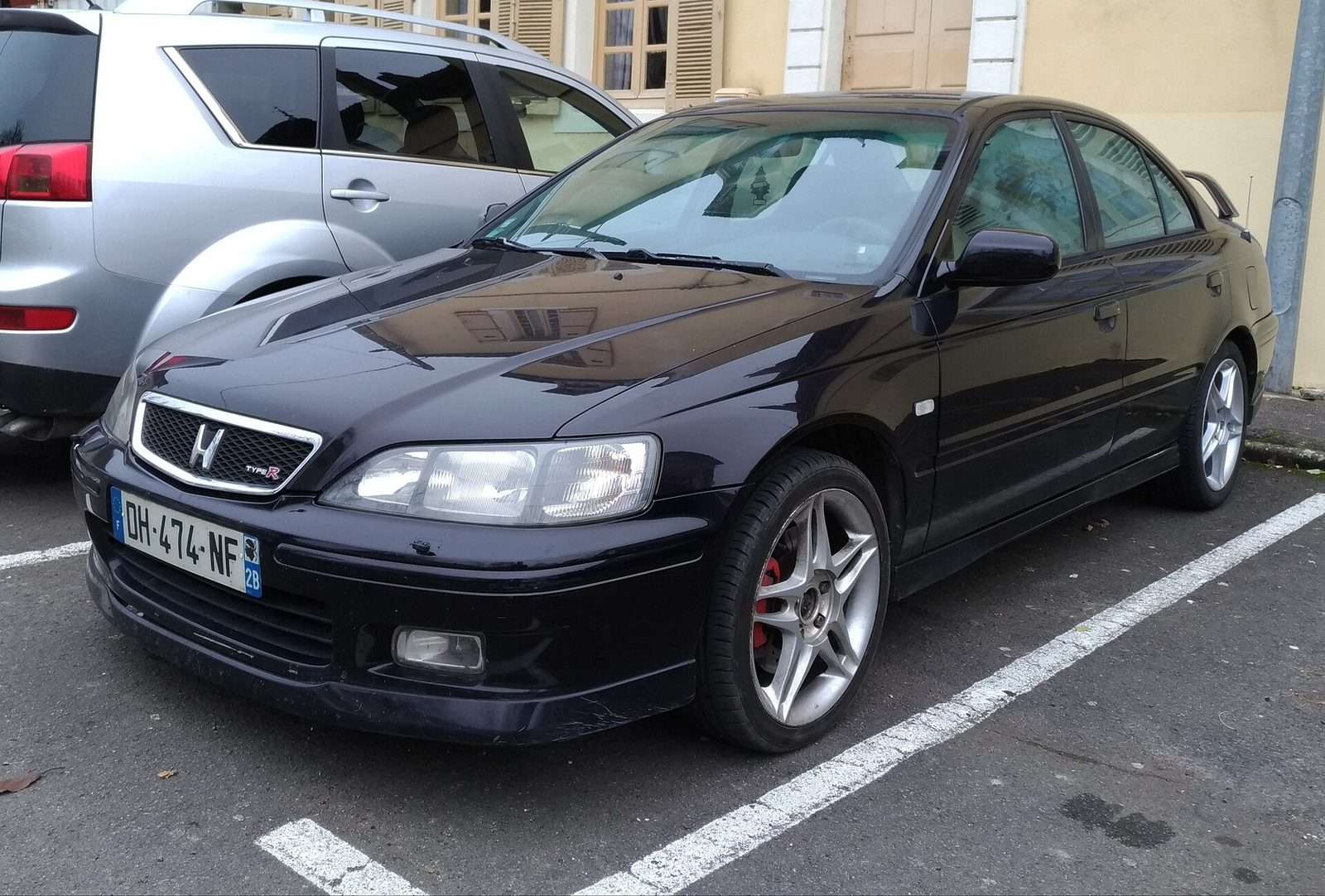
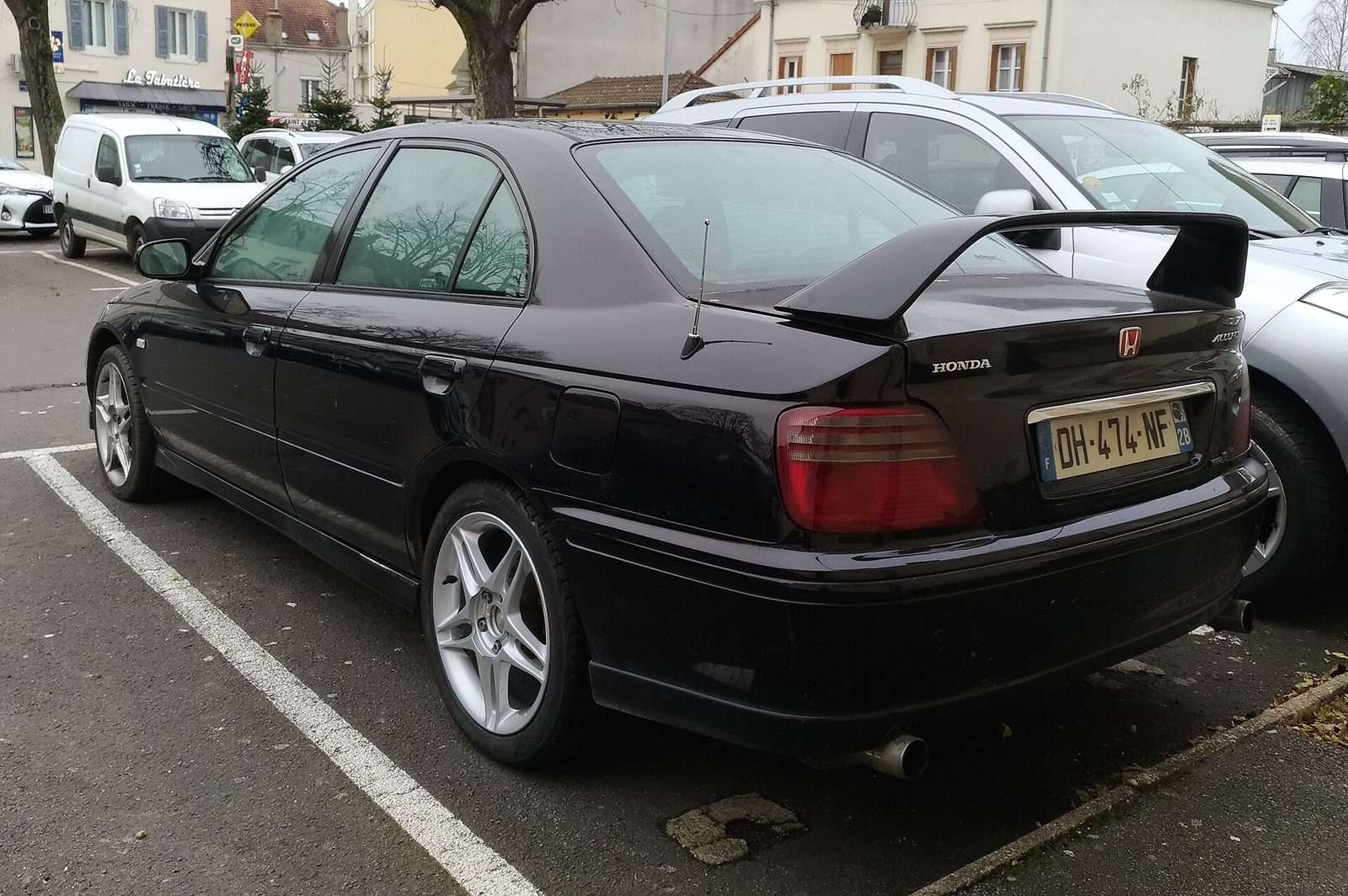
The Honda Accord Type R CH1 is the high-performance version of the European sixth-generation Accord. Built in Swindon and launched for Europe in 1999, it combined a 212PS 2.2-litre H22A7 VTEC engine with a close-ratio five-speed gearbox, limited-slip differential and a substantially revised saloon chassis.
Quick answer: the CH1 Accord Type R is the European model. It is different from the Japanese CL1 Accord Euro R, which arrived later with a 220PS H22A and market-specific chassis and equipment.
A Type R developed for Europe
Honda unveiled the Europe-only sixth-generation Accord range in 1998 and confirmed a 2.2-litre Type R as its performance flagship. The European Accord was built by Honda of the UK Manufacturing in Swindon and differed in body and market positioning from contemporary Japanese and North American Accords.
The Type R applied Honda’s emerging performance badge to a four-door saloon. Rather than disguising its size, the engineering used body reinforcement, firmer suspension, stronger brakes and a high-revving engine to create a practical car with unusually direct responses.

H22A7 engine and transmission
The 2,157cc H22A7 DOHC VTEC engine produced 156kW, or 212PS. It was developed for high-rpm breathing while retaining enough flexibility for a larger saloon. The five-speed manual uses relatively close ratios and works with a limited-slip differential to control power delivery through the front wheels.
The engine is related to H22 units used in performance Preludes, but the Accord Type R’s complete specification should be treated as its own package. Intake, exhaust, engine management, gearing and chassis calibration all contribute to the result.
| Model | Market | Key distinction |
|---|---|---|
| Accord Type R CH1 | Europe | Swindon-built saloon, 212PS H22A7 and five-speed manual |
| Accord Euro R CL1 | Japan | Japanese-market sports saloon, 220PS H22A and different specification |
| Standard European Accord | Europe | Shared body family without the complete Type R drivetrain and chassis package |
Chassis, brakes and cabin
The CH1 uses a stiffer and more focused suspension calibration than the standard Accord, supported by larger brakes, performance tyres and additional body reinforcement. Recaro front seats, a Momo steering wheel, titanium-effect gear knob and Type R instruments distinguish the driver’s environment.
This is still a usable four-door saloon. The significance of the Accord Type R lies in combining family-car space with the same high-revving, naturally aspirated philosophy found in the Integra and Civic Type R.
Love cars you don’t see every day?
Get forgotten cars, surprising motoring stories and the most interesting finds from Unusual Cars by email.
Free to join. No spam. Unsubscribe whenever you like. See our privacy policy.
Honda Accord Type R buying guide
Rust and body condition
Inspect rear arches, sills, jacking points, floor seams, front and rear subframes, suspension mounts and the boot floor. Cars can look presentable while corrosion develops beneath underseal or plastic trim. Accident repairs and track use also require careful checking.
H22A7 maintenance
Evidence of cambelt and balance-shaft-belt replacement is essential. Check oil level, cooling-system condition, smoke, leaks and valvetrain noise. A compression or leak-down test is sensible where the history is incomplete.
Gearbox and differential
Test the five-speed gearbox cold and hot, paying attention to second- and third-gear synchromesh. Listen for differential, driveshaft and wheel-bearing noise and check clutch engagement under load.
Type R-specific equipment
Original Recaro seats, Momo wheel, wheels, spoilers, badges, intake and exhaust pieces are valuable. Confirm that replacement or modified components are documented and that the car has not been assembled from a standard Accord shell.
Accord Type R versus Euro R
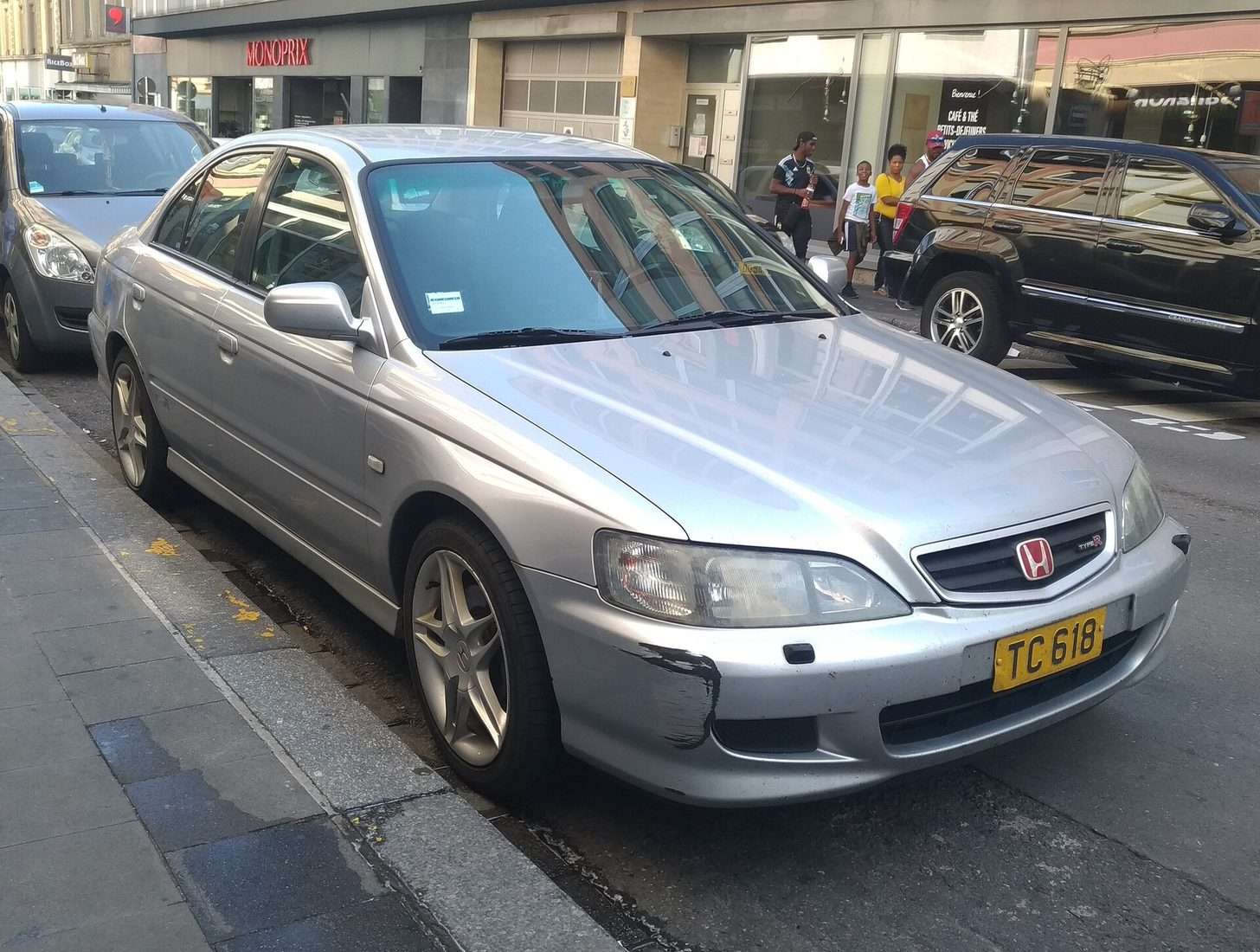
The names are often used interchangeably, but the cars are not the same. The CH1 Type R was created for Europe and officially sold in Britain. The CL1 Euro R was a Japanese-market model launched in 2000 with 220PS and its own body, chassis and equipment specification. Import paperwork and chassis codes resolve the identity.

Why the Accord Type R remains unusual
The Accord Type R is rarer and less obvious than the contemporary Integra or later Civic Type R. Its attraction comes from contradiction: a restrained British-built saloon whose engine, gearing and cabin controls demand the same deliberate driver involvement as Honda’s smaller performance cars.
Research sources
- Honda: European Accord and Type R announcement
- Honda Europe: Accord Type R engine output
- Honda UK: Type R history
- Honda Technology: Accord development and Euro R context
Continue the Honda story
Explore the Rare & Performance Hondas hub, then read the Honda Prelude guide or the Integra Type R DC2 guide.
Frequently asked questions
What does CH1 mean on an Accord Type R?
CH1 is the chassis code for the European sixth-generation Honda Accord Type R built in Swindon.
How much power does the Accord Type R have?
Honda rated the European 2.2-litre H22A7 engine at 156kW, or 212PS.
Is the Accord Type R the same as the Accord Euro R?
No. The CH1 Type R is the European model. The CL1 Euro R is a separate Japanese-market sports saloon rated at 220PS.
Was the Accord Type R built in Britain?
Yes. The European sixth-generation Accord range, including the Type R, was manufactured by Honda in Swindon.
What should be checked before buying an Accord Type R?
Check corrosion, accident history, cambelt and balance-shaft-belt maintenance, oil and cooling condition, gearbox synchromesh, LSD and driveshaft noise and the presence of Type R-specific equipment.