UNUSUAL CARS MODEL GUIDE
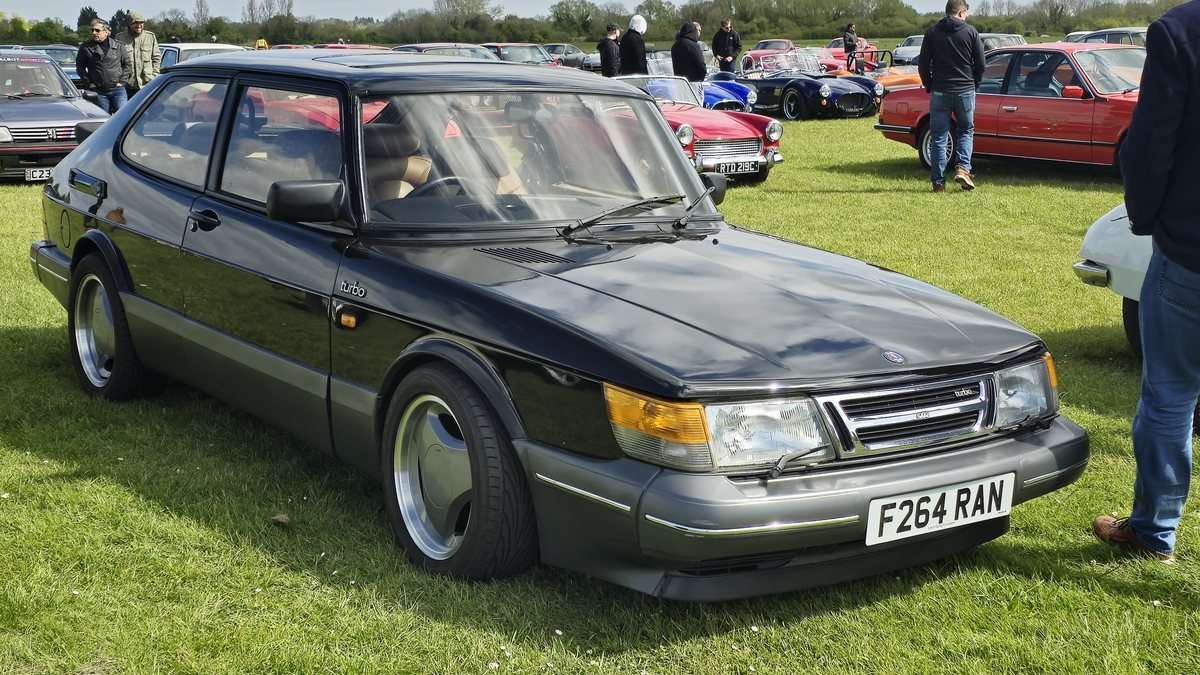
The classic Saab 900 Turbo turned an unconventional front-wheel-drive hatchback into one of the defining performance cars of the 1980s. Its longitudinal engine sat backwards over the front axle, its bonnet opened forward and its wraparound windscreen, deep dashboard and hatchback practicality made it unmistakably Saab.
Quick answer: the original 900 was produced from the 1979 to 1993 model years, with convertibles continuing into 1994. Turbo versions evolved from eight-valve cars to the 16-valve Turbo 16 and Aero or SPG. Buy on structural condition, documented engine and turbo maintenance, correct model identity and the availability of increasingly scarce trim.
From Saab 99 to Saab 900
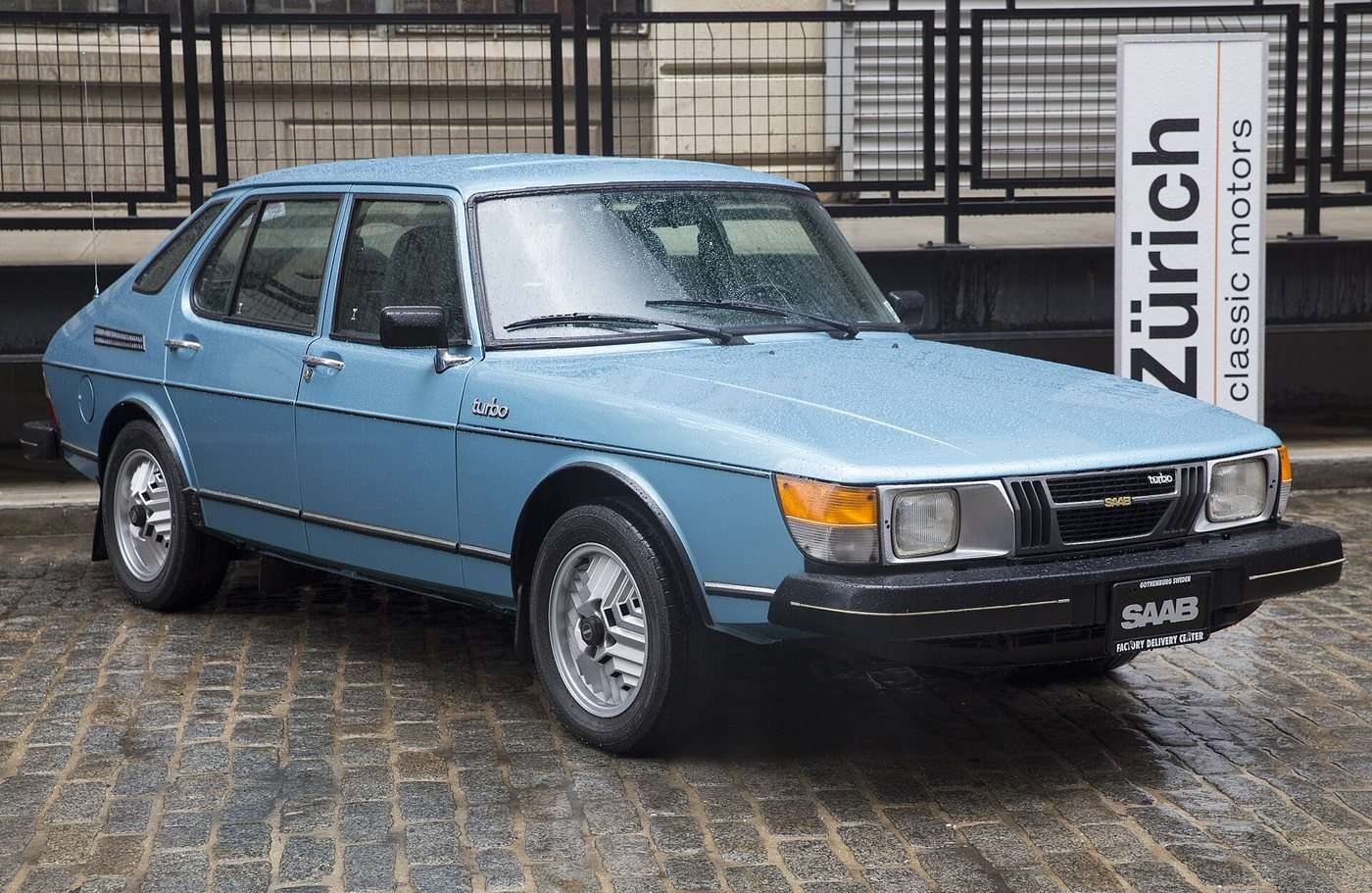
Saab presented the 900 in May 1978 and began sales in the autumn for the 1979 model year. It developed the 99 platform with a longer front section, revised safety structure and a cabin designed around visibility and driver ergonomics. The engine remained longitudinal but installed with the flywheel and transmission at the front, driving the front wheels through a gearbox beneath the engine.
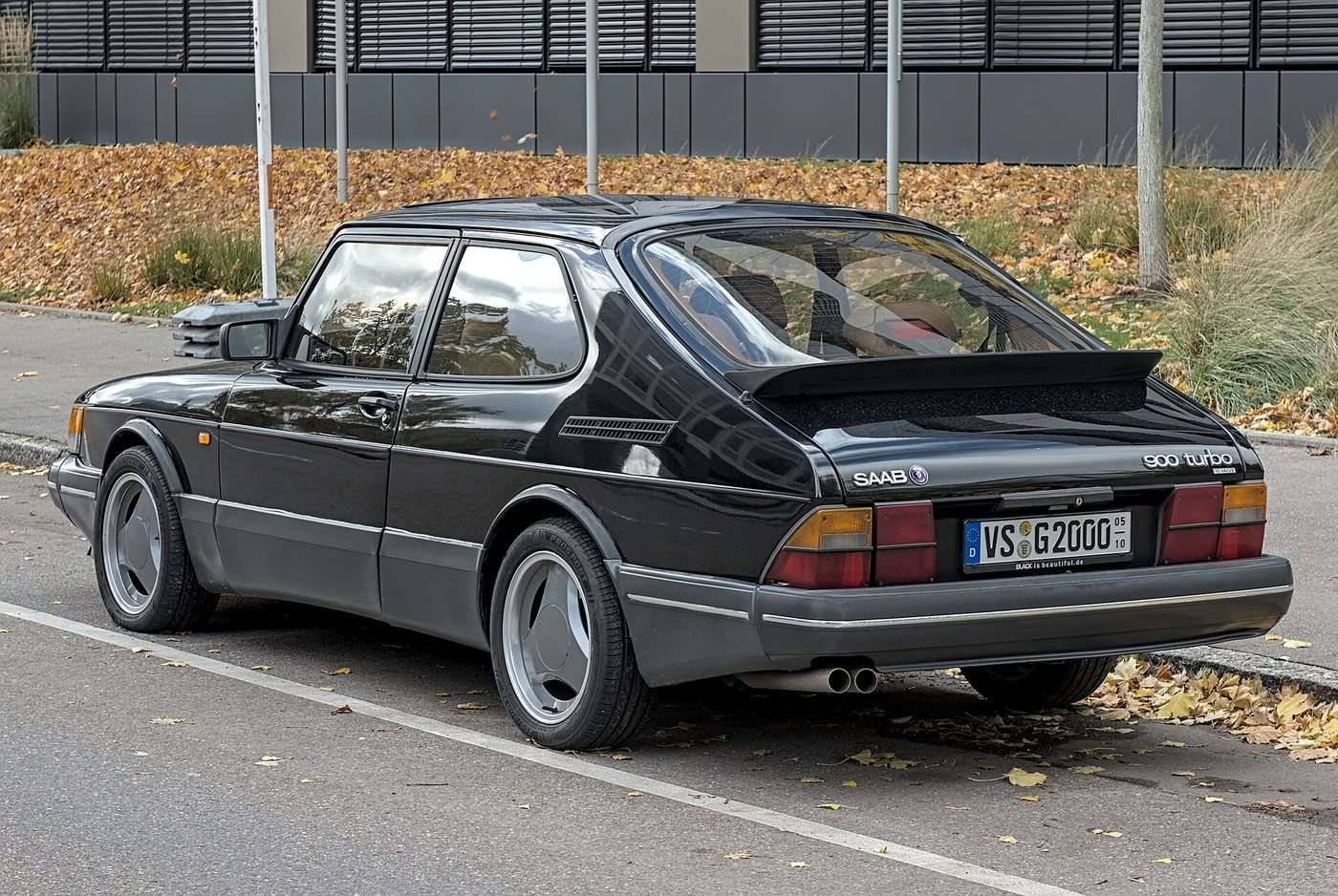
The shape was not merely decorative. The steeply curved windscreen, narrow pillars and hatchback body created excellent visibility and useful luggage space. Three-door, five-door, saloon and later convertible forms allowed the 900 to act as both family transport and an unusually characterful performance car.
Turbocharging, APC and the 16-valve engine
Early 900 Turbos used an eight-valve two-litre engine. Saab’s Automatic Performance Control system arrived during the 1980s and used a knock sensor to regulate boost, helping the engine tolerate variations in fuel octane without abandoning strong turbo performance.
The 900 Turbo 16 Aero arrived in 1984 with a 16-valve turbocharged engine. In Britain the sporting body-kit version became known as the 900 Aero; North America used the SPG name. Market outputs and equipment vary, so buyers should check the chassis number, engine code, original sales documentation and factory specification rather than relying on badges or body kits.
| Version | Key distinction | Buyer priority |
|---|---|---|
| Eight-valve Turbo | Early turbo character and simpler cylinder head | Fuel injection, warm-up regulator and corrosion |
| Turbo 16 | 16-valve engine with stronger high-speed performance | Timing chain, turbo and oil history |
| Aero / SPG | Sporting trim, body kit and chassis specification | Prove factory identity and originality |
| Convertible Turbo | Open four-seat body built in Finland | Roof, structure, seals and drainage |

Love cars you don’t see every day?
Get forgotten cars, surprising motoring stories and the most interesting finds from Unusual Cars by email.
Free to join. No spam. Unsubscribe whenever you like. See our privacy policy.
Why the classic 900 still matters
The 900 showed that turbocharging could deliver flexible everyday performance rather than only a sudden competition-style surge. Saab combined boost control with a cabin designed for long journeys, supportive seats and a large hatch, making the Turbo credible as a year-round fast car.
Its individuality now drives demand. The best cars retain correct wheels, aerodynamic panels, instruments, interior trim and mechanical specification. Modified cars can be enjoyable, but originality and evidence of careful maintenance usually make a stronger basis for preservation.
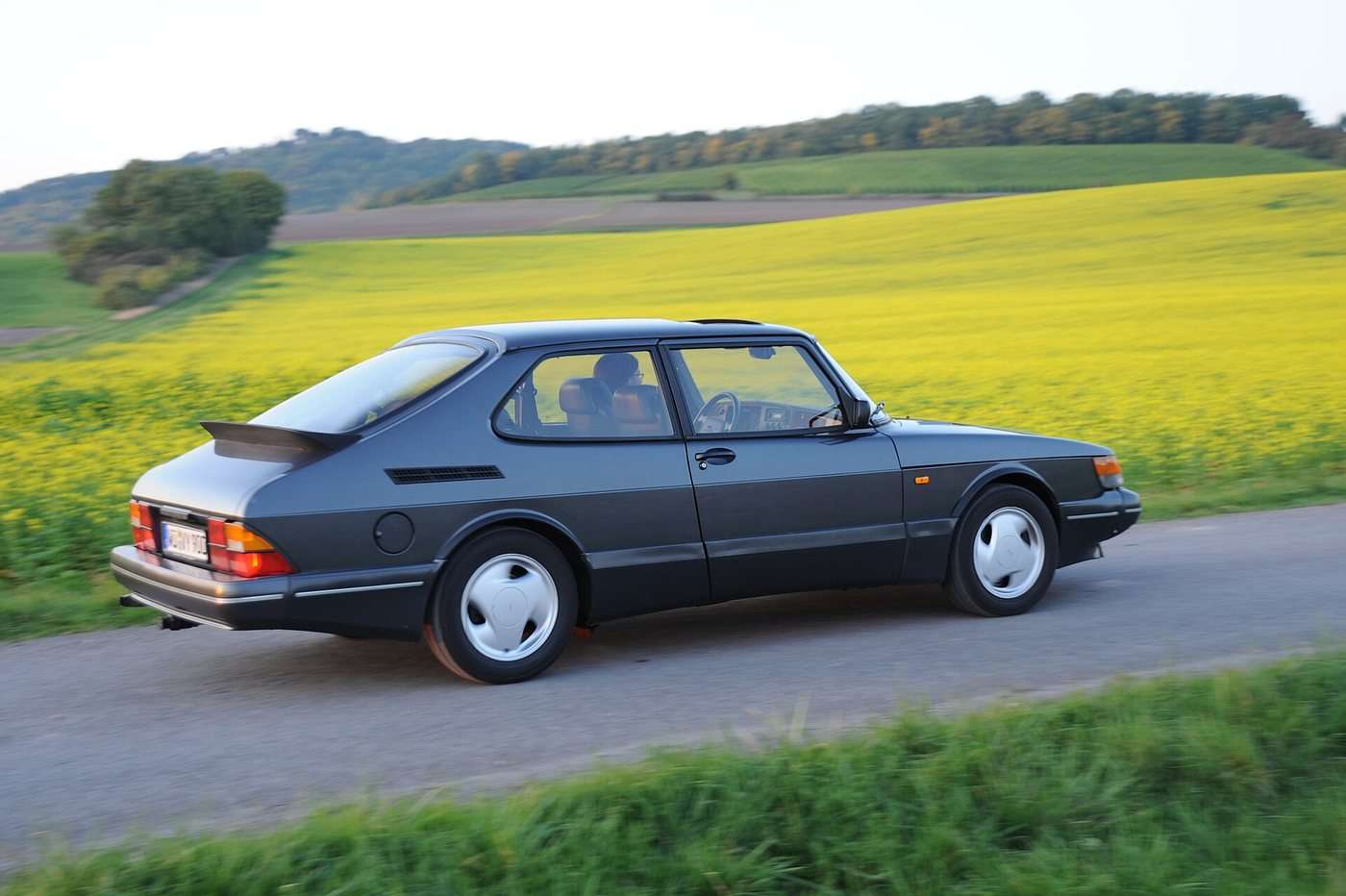
Saab 900 Turbo buying guide
Corrosion and structure
Inspect driveshaft tunnels, front suspension mounts, sills, floors, wheelarches, door bottoms, screen surrounds and the rear hatch area. A shiny exterior can conceal expensive structural corrosion, especially where previous repairs or underseal obscure seams.
Engine, turbo and cooling
Demand regular oil-change evidence and listen for timing-chain noise. Check for exhaust smoke, crankcase pressure, coolant loss, damaged turbo hoses and unstable boost. A healthy car should warm up cleanly, hold temperature and pull without detonation or hesitation.
Gearbox and clutch
The gearbox is a known weak point when abused or paired with increased boost. Test every gear under load, listen for bearing noise and check that reverse engages cleanly. Clutch work can expose additional transmission and oil-leak costs.
Convertible and model-specific parts
Operate the convertible roof repeatedly and inspect its hydraulic, electrical and drainage systems. On every body style, price missing lamps, bumpers, Aero panels, dashboard pieces and upholstery before purchase.

Research sources
- Saab Car Museum: the story of Saab
- SaabMuseum.com: Saab innovations timeline
- SaabMuseum.com: classic Saab 900 history
Continue the Saab story
Return to the Rare & Performance Saabs hub, then compare the Saab 99 Turbo and Saab 9000 Aero.
Frequently asked questions
When was the classic Saab 900 built?
Saab sold the original 900 from the 1979 model year to 1993, while convertible production continued into 1994.
What is Saab APC?
Automatic Performance Control uses knock sensing to regulate turbo boost and protect the engine when fuel quality or operating conditions change.
What is the difference between a Saab 900 Aero and SPG?
Aero was the sporting name used in markets including Britain, while SPG was used in North America. Exact equipment and power vary by market and year.
What is the biggest Saab 900 buying risk?
Structural corrosion and gearbox wear can be more expensive to rectify than routine servicing, so both deserve specialist inspection.
Is the classic Saab 900 front-wheel drive?
Yes. Its longitudinal engine drives the front wheels through a transmission mounted beneath and ahead of the engine.