UNUSUAL CARS MODEL GUIDE
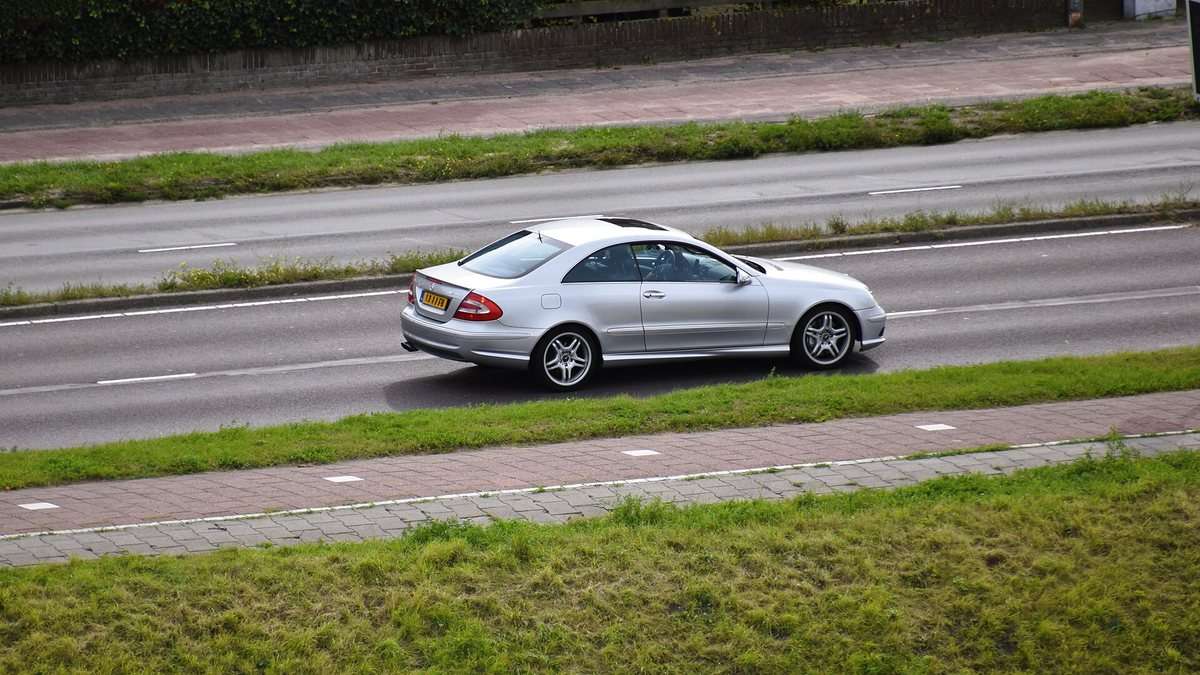
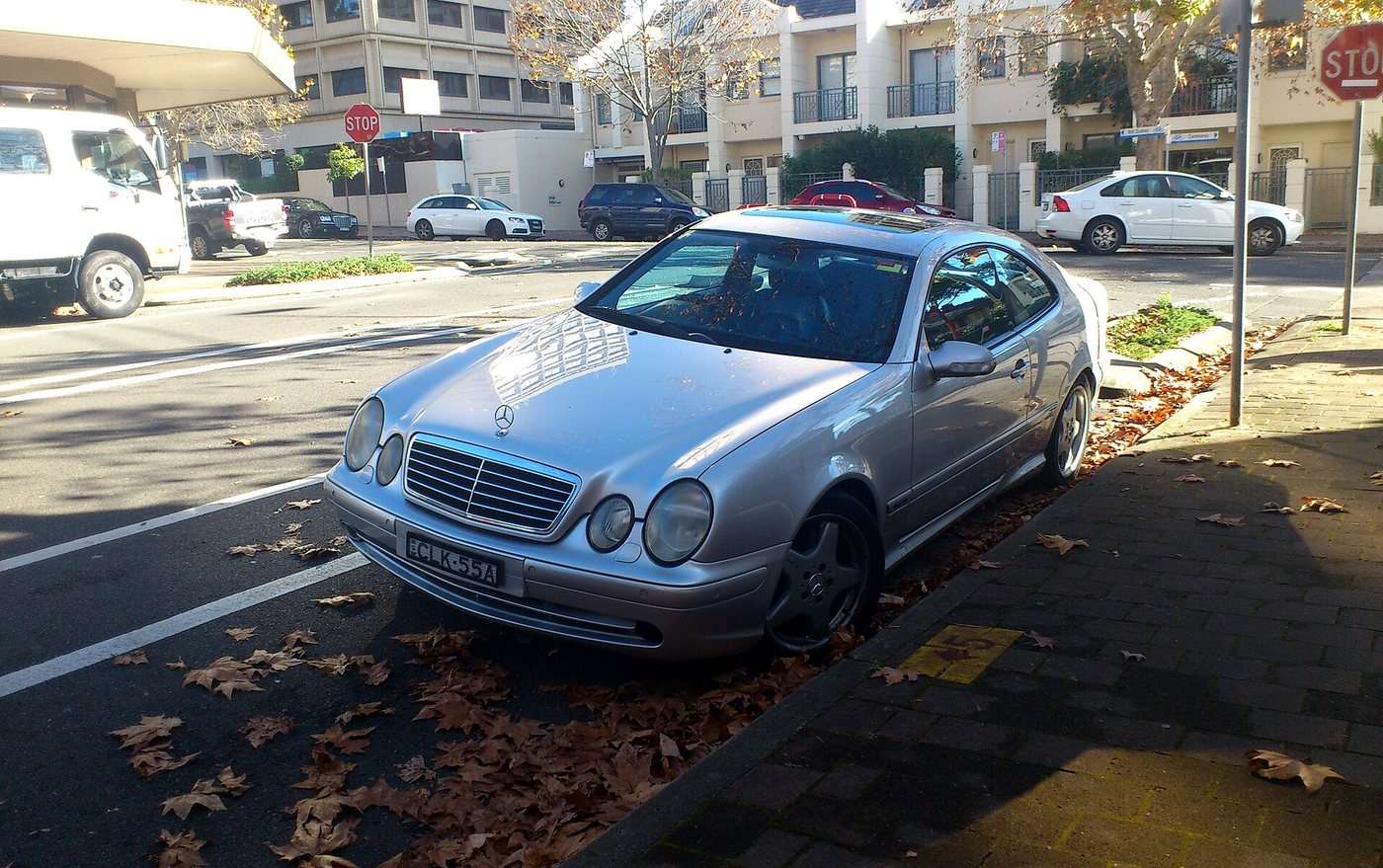
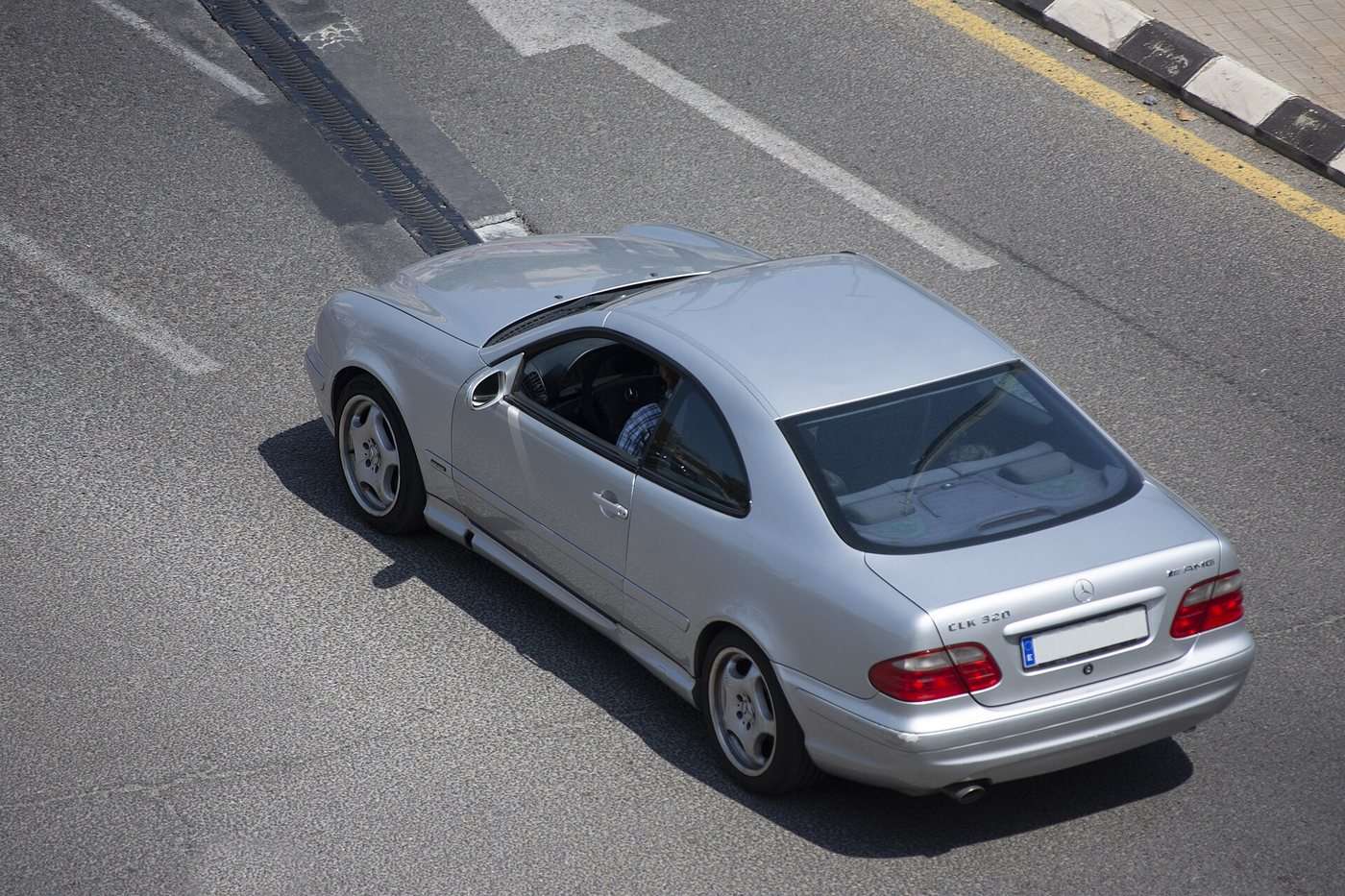
The first-generation C208 Mercedes-Benz CLK 55 AMG combined a hand-assembled 5.4-litre M113 V8 with an understated pillarless coupé body. Sold in small numbers compared with later AMG models, it helped establish the modern formula of a large naturally aspirated engine in a compact luxury coupé.
Quick answer: The CLK 55 AMG uses the durable M113 V8 and five-speed automatic, but age now makes corrosion, transmission servicing, cooling, suspension, brakes, electronics and originality central buying concerns. Genuine AMG identity should be verified from build data rather than badges alone.
AMG power in the first CLK
The C208 CLK shared much of its underlying engineering with the W202 C-Class while presenting a more elegant coupé shape. AMG added the 5.4-litre V8, revised exhaust, suspension, brakes, wheels and styling. The result was deliberately less visually aggressive than later AMG coupés.
M113 V8 and automatic transmission
The naturally aspirated M113 is known for broad torque and relatively straightforward construction compared with later highly boosted engines. It was paired with a five-speed automatic transmission. Exact output and equipment vary by market, but the model’s appeal lies in strong performance without sacrificing everyday refinement.
Main versions and specifications
| Version | Powertrain or distinction | Buyer’s note |
|---|---|---|
| CLK 55 AMG coupé | 5.4-litre naturally aspirated M113 V8 | Primary C208 AMG road model |
| CLK 430 | 4.3-litre M113 V8 | Related V8 model but not a CLK 55 |
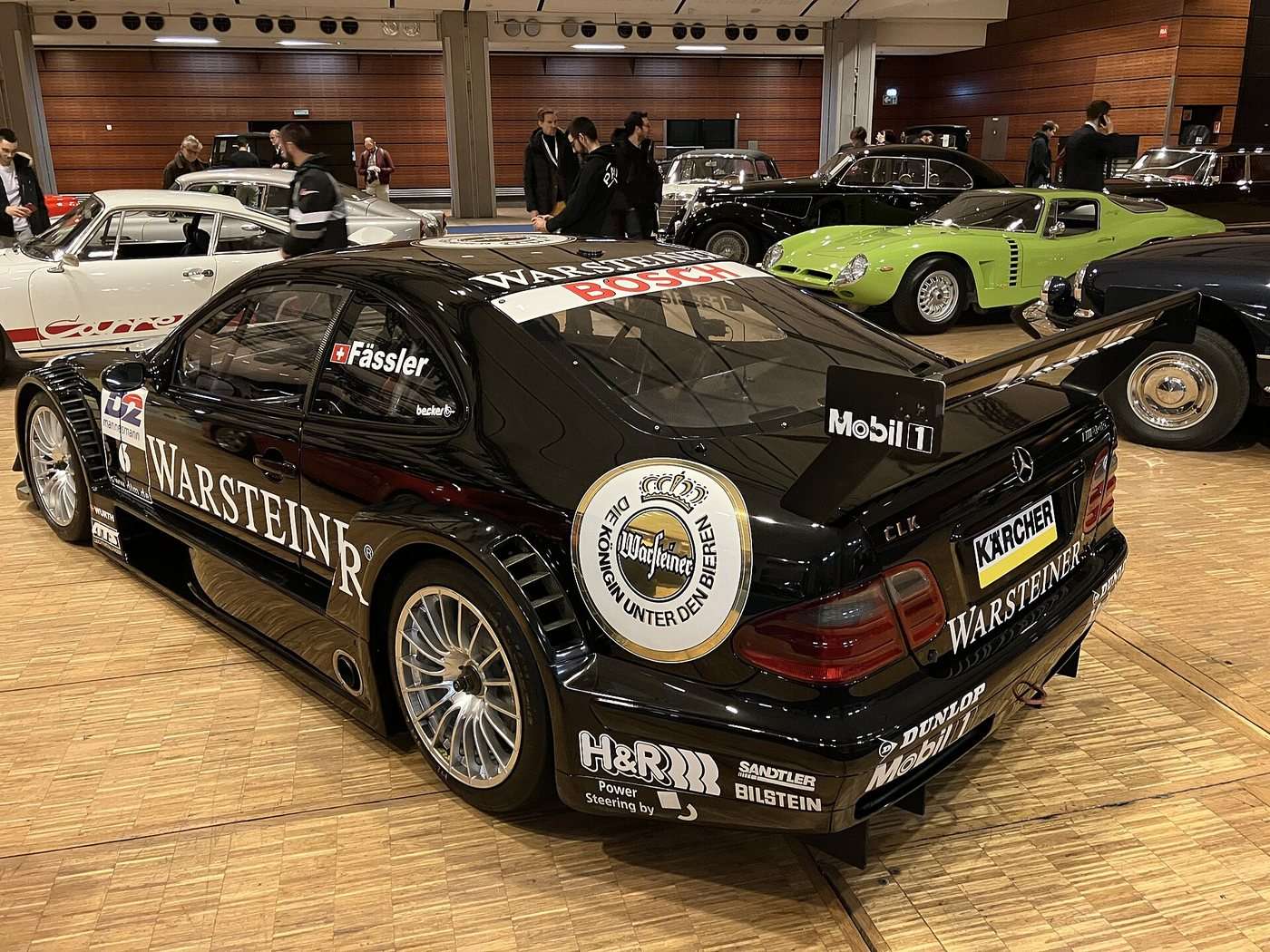
| CLK DTM competition car | Purpose-built racing drivetrain | Not a road CLK 55 derivative |
Road car and competition-era context
The production CLK 55 was not a road homologation version of the CLK DTM racer. The similarly named competition cars nevertheless strengthened the CLK’s performance identity during the same era. The distinction should remain clear when assessing advertising claims or modified cars.

Love cars you don’t see every day?
Get forgotten cars, surprising motoring stories and the most interesting finds from Unusual Cars by email.
Free to join. No spam. Unsubscribe whenever you like. See our privacy policy.
Mercedes CLK 55 AMG C208 buying guide
Inspect front wings, arches, sills, jacking points, floor, boot lid, screen surrounds and suspension mounts for corrosion. Check cooling, oil leaks, engine mounts, transmission shifts and evidence of fluid servicing. Examine front suspension joints, rear bushes, brakes and tyres. Test climate control, seat functions, window regulators, instrument displays and every electronic convenience, then verify AMG-specific wheels, brakes, exhaust and build data.

Why it matters
The C208 CLK 55 captures the early modern-AMG period: hand-built naturally aspirated V8 power, discreet bodywork and usable luxury in a compact coupé.
Research sources
Continue the Mercedes-Benz story
Explore the Rare & Performance Mercedes-Benz hub, then compare the 190E Cosworth guide and the W124 500E guide.
Frequently asked questions
Which engine is fitted to the C208 CLK 55 AMG?
It uses a 5.4-litre naturally aspirated M113 V8 assembled by AMG.
Is the CLK 55 the same as a CLK 430?
No. Both use M113-family V8 engines, but the CLK 55 has the larger AMG engine and model-specific chassis and trim equipment.
Is the road CLK 55 related to the CLK DTM racer?
They share branding and visual-era context, but the competition car is a purpose-built racing machine rather than a road CLK 55 derivative.
How can buyers verify a genuine CLK 55?
Check the VIN, factory build data and AMG-specific mechanical equipment instead of relying on badges or body styling.
What should buyers inspect first?
Check corrosion, engine and transmission service history, cooling, suspension, brakes, electronics and originality.