UNUSUAL CARS MODEL GUIDE
The R129 Mercedes-Benz SL was produced from 1989 to 2001 and combined an automatic folding soft top, removable hardtop and substantial safety engineering with six-, eight- and twelve-cylinder power. Today it ranges from usable modern classic to rare AMG collector car.
Quick answer: R129 buyers must distinguish early and late engines, transmissions and equipment. Roof hydraulics, wiring, cooling, suspension, corrosion and service history matter more than superficial condition, especially on V12 and AMG versions.
A technically ambitious new SL
Developed as the successor to the long-running R107, the R129 used a shortened version of contemporary Mercedes-Benz saloon architecture. Its automatically operated fabric roof, pop-up rollover protection and integrated seat-belt design were major features at launch. A removable hardtop made it a genuine all-season grand tourer.

Engines and model changes
Early cars included 300 SL six-cylinder models and the V8 500 SL, with the V12 600 SL following. Mercedes-Benz later reversed the naming order, creating SL320, SL500 and SL600 badges. Engine management, transmissions, styling and interior details changed through production, so parts and diagnostic requirements depend on year.

Main versions and specifications
| Version | Powertrain or distinction | Buyer’s note |
|---|---|---|
| 300 SL / SL280 / SL320 | Six-cylinder | Lighter nose; engine choice varies by year |
| 500 SL / SL500 | V8 | Most familiar performance and refinement balance |
| 600 SL / SL600 | V12 | Greater complexity and heat management |
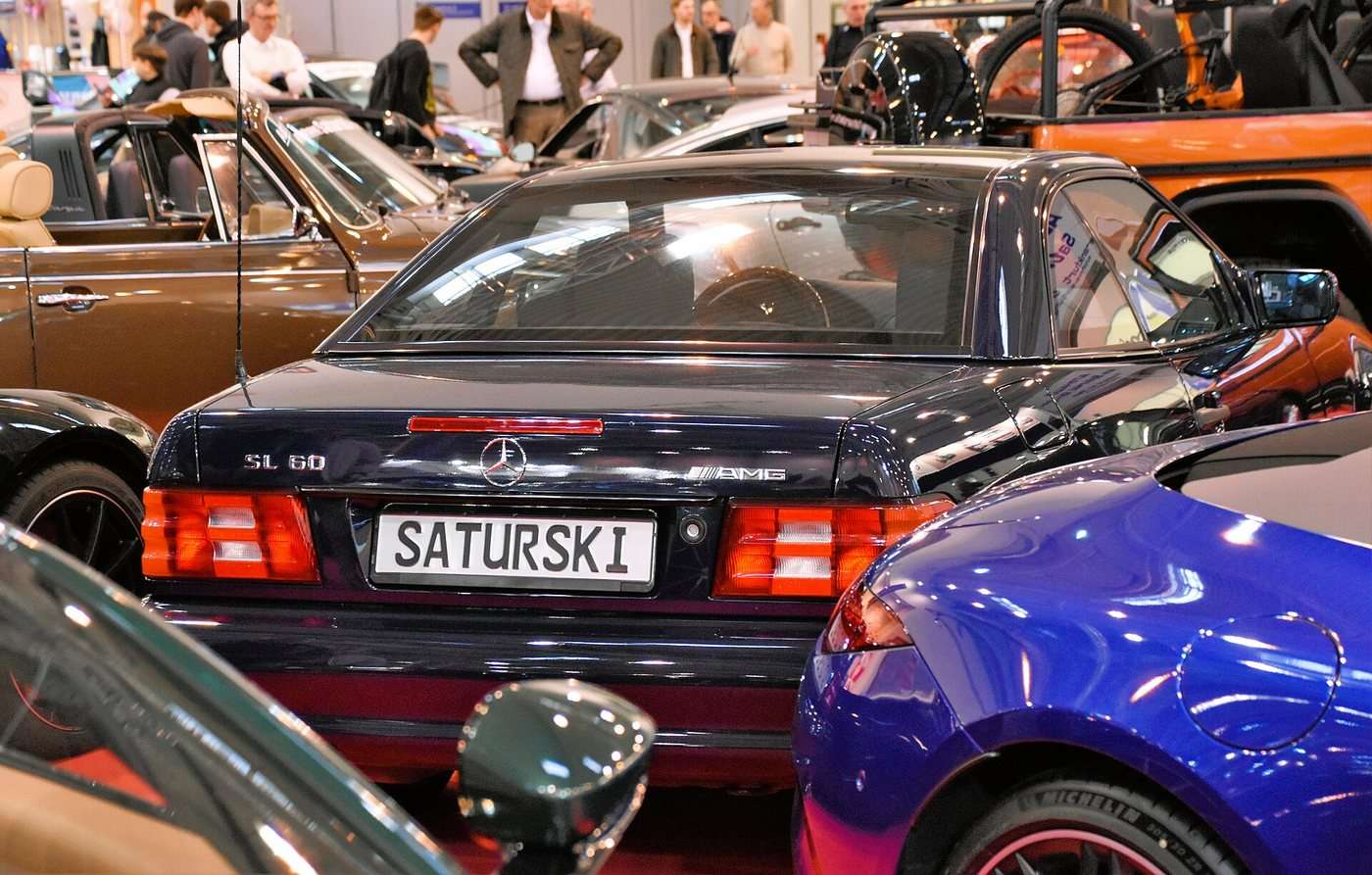
| SL60 AMG | AMG V8 | Rare; documentation and originality vital |
AMG and special editions
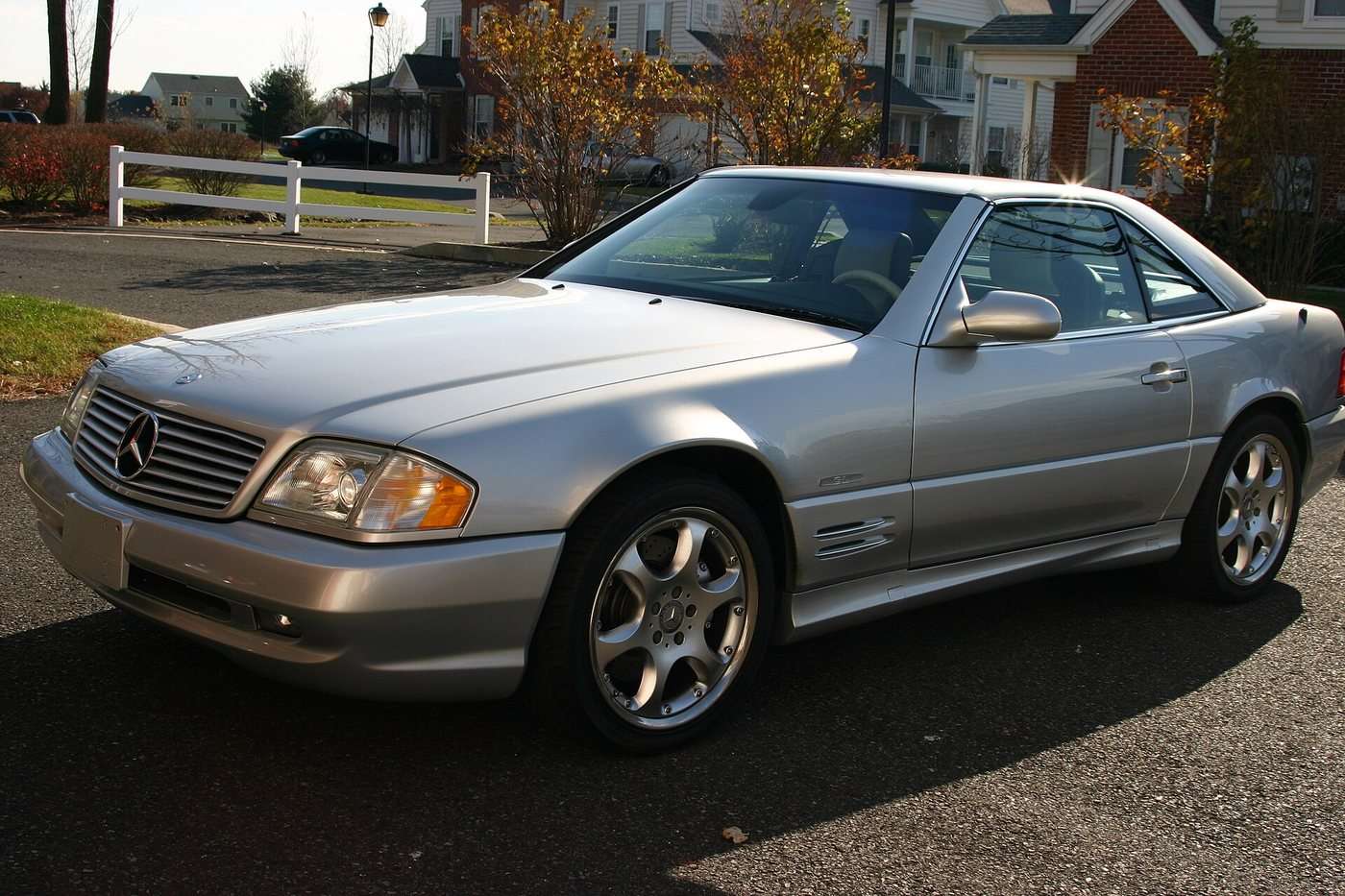
The SL60 AMG is the best-known official performance derivative, using a larger-capacity V8 and subtle visual changes. Other AMG conversions exist, but documentation is essential because badges and wheels are easily added. Late special editions such as the Silver Arrow can carry their own equipment and trim requirements.

Love cars you don’t see every day?
Get forgotten cars, surprising motoring stories and the most interesting finds from Unusual Cars by email.
Free to join. No spam. Unsubscribe whenever you like. See our privacy policy.
Mercedes R129 SL buying guide
Operate the soft top through several complete cycles and inspect hydraulic cylinders, pump, latches, seals and control systems. Check wiring insulation on affected years, cooling stability, transmission behaviour and oil leaks. Inspect jacking points, arches, floor edges, boot, front wings and suspension mounts, then test climate control, seats, instruments and every electrical function.
Why it matters
The R129 brought modern safety, roof automation and multi-engine breadth to the SL line while preserving the traditional two-seat grand-touring role.
Research sources
Continue the Mercedes-Benz story
Explore the Rare & Performance Mercedes-Benz hub, then compare the 190E Cosworth guide and the W124 500E guide.
Frequently asked questions
When was the Mercedes R129 SL produced?
The R129 generation was produced from 1989 to 2001.
Does every R129 have a removable hardtop?
Most cars were supplied with a removable hardtop as well as the powered fabric roof, but buyers should confirm what remains with the car.
Which R129 engine is best?
The answer depends on priorities: six-cylinder cars can be simpler, the SL500 offers strong V8 performance, and V12 or AMG cars demand greater specialist commitment.
What commonly fails on the R129 roof?
Age can affect hydraulic cylinders, seals, latches, pumps, switches and control electronics.
What should buyers inspect first?
Check roof operation, wiring, cooling, transmission, corrosion, suspension, electronics and service history.