UNUSUAL CARS MODEL GUIDE
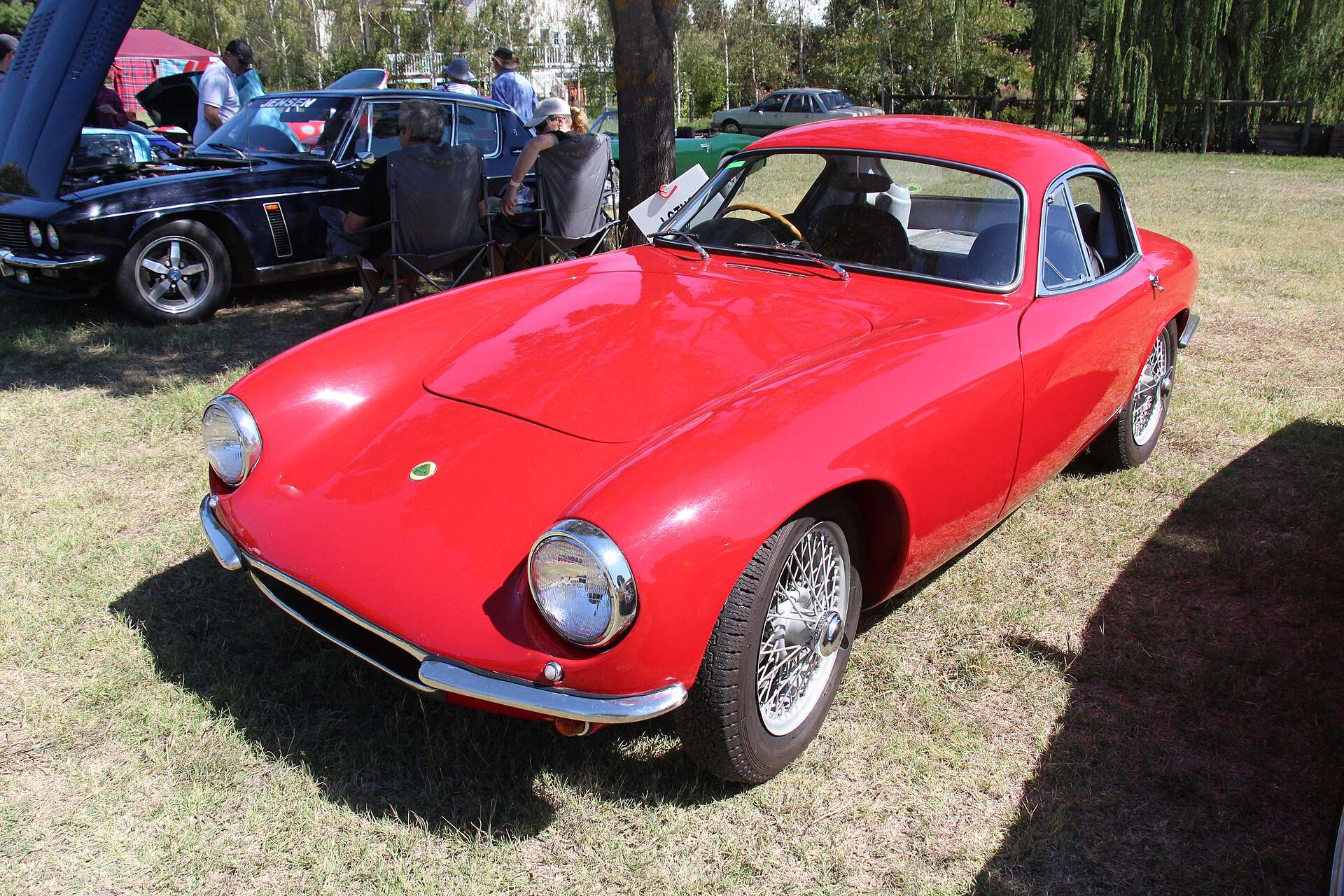
The original Lotus Elite, Type 14, was a two-seat coupé produced from 1957 to 1963. Its stressed glassfibre monocoque dispensed with a separate steel chassis, while a Coventry Climax-derived 1,216 cc engine, independent suspension and exceptionally aerodynamic shape delivered performance far beyond its modest capacity.
Quick answer: the Elite is historically important, beautiful and technically advanced, but its structure demands specialist judgement. Buy a car with a thoroughly documented shell, correct mechanical specification and continuous restoration history rather than relying on paint finish or an optimistic description.
A glassfibre structure, not a glassfibre body
Most glassfibre sports cars of the period placed a non-structural shell over a steel chassis. The Elite was different: its moulded glassfibre shell carried the suspension and drivetrain loads. That eliminated a conventional frame and kept weight extremely low, but it also made manufacturing consistency and later repairs unusually important.
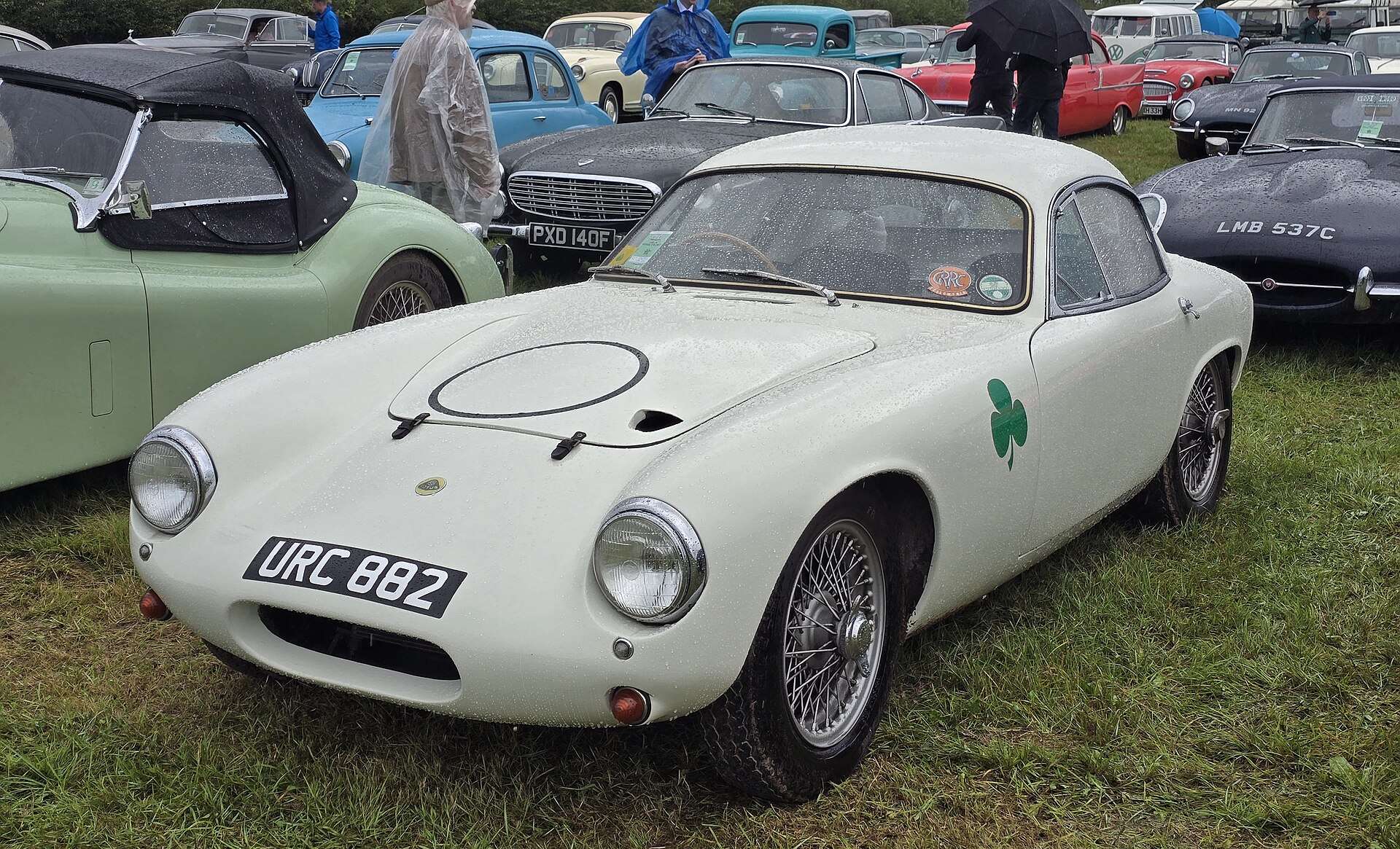
Peter Kirwan-Taylor shaped the body with aerodynamic input from Frank Costin. Lotus quoted a drag coefficient around 0.29, remarkable for the period, while the compact frontal area and low mass allowed a small engine to produce genuine long-distance pace.
Series 1 and Series 2 development
The earliest Series 1 cars used shells manufactured by Maximar Mouldings. Bristol Aeroplane Plastics later produced improved bodies, associated with the Series 2. Detail changes affected suspension mountings, interior equipment and build quality, while customer specifications varied through Standard, SE, Super 95, Super 100 and competition-orientated forms.

| Version | Engine theme | What to verify |
|---|---|---|
| Standard and SE | 1,216 cc Coventry Climax-derived four-cylinder | Original specification, carburation and gearbox. |
| Super 95 | Higher-output FWE specification | Engine identity and evidence supporting the claimed tune. |
| Super 100/105 | Competition-focused higher-output specification | Period records, engine build and racing provenance. |
| Series 2 | Improved production shell and detail development | Body manufacturer, structural repairs and suspension mounting condition. |
Climax engine and road character
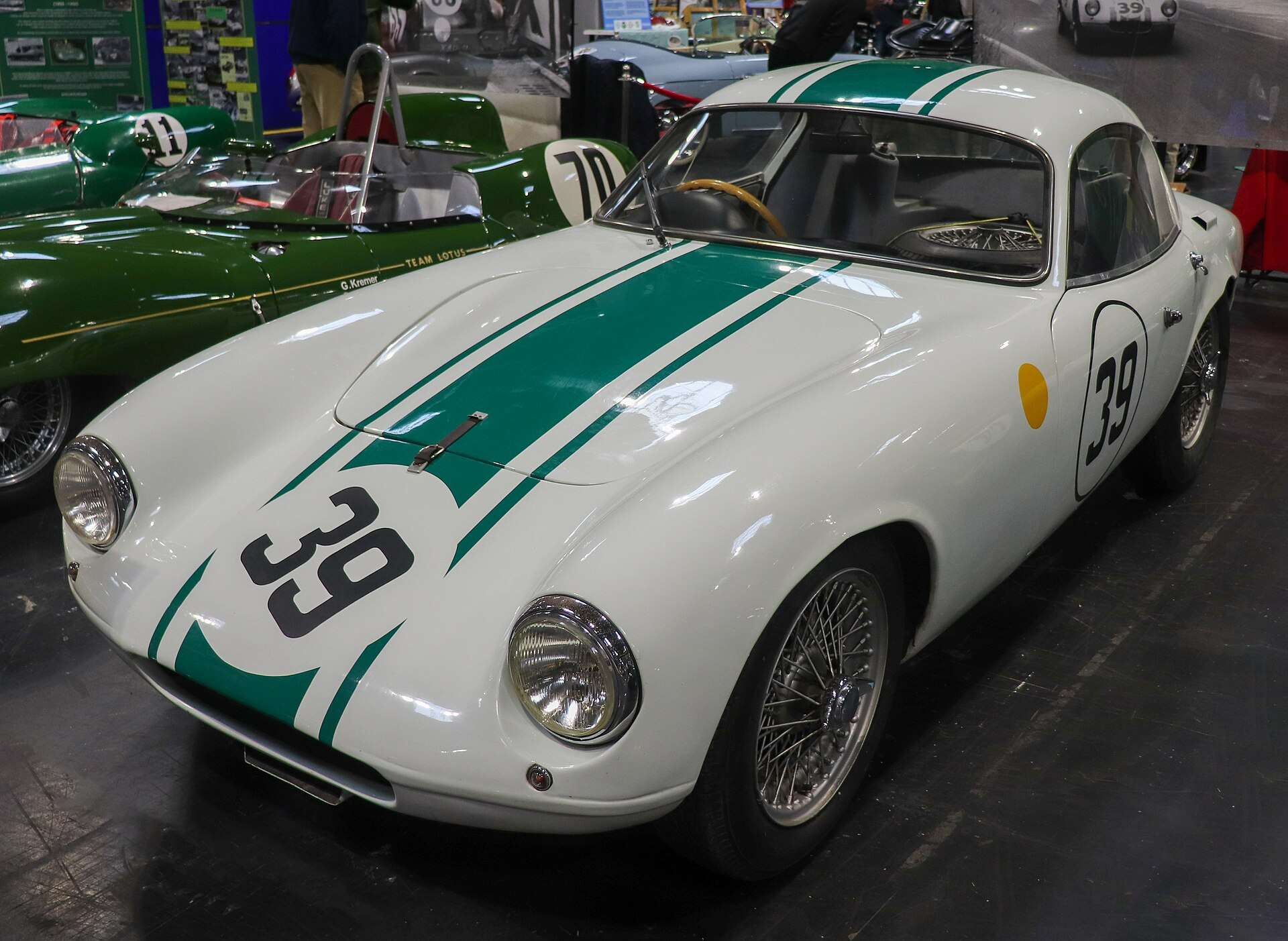
The all-aluminium FWE engine was derived from Coventry Climax’s fire-pump family and used a single overhead camshaft. Its modest displacement mattered less than the Elite’s low weight and clean shape. A ZF gearbox appeared on many cars, while lightweight suspension and disc brakes supported both road and competition use.
Love cars you don’t see every day?
Get forgotten cars, surprising motoring stories and the most interesting finds from Unusual Cars by email.
Free to join. No spam. Unsubscribe whenever you like. See our privacy policy.
Monocoque inspection
Structural condition is the decisive buying issue. Inspect the suspension pick-up areas, engine and differential mountings, door apertures, floors and previous accident repairs. Cracks, delamination, moisture damage or poorly executed patches can alter alignment and concentrate loads in the wrong part of the shell.
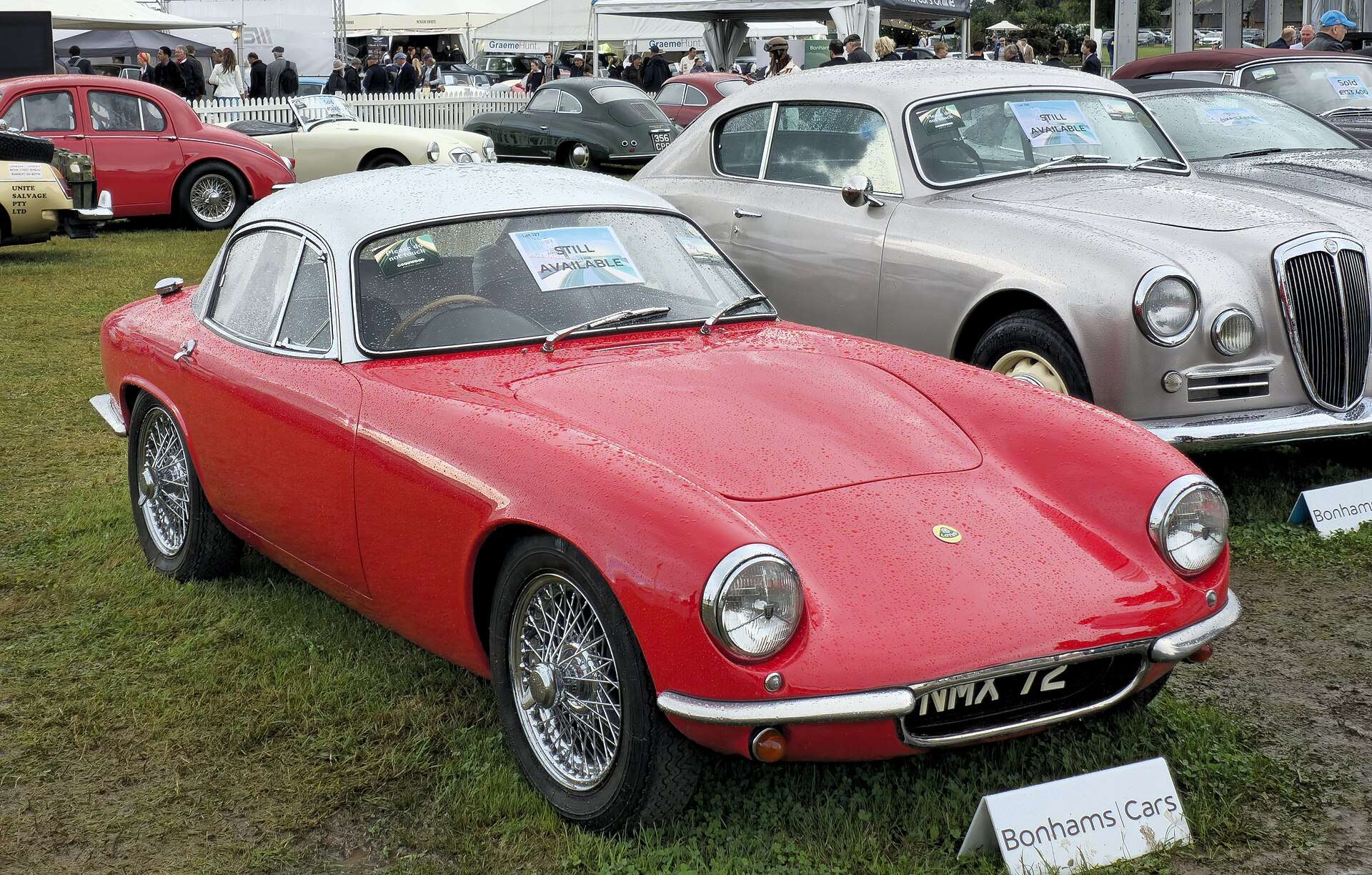
A specialist familiar with Type 14 construction should examine any serious purchase. Restoration invoices, photographs and measurement records are valuable because a glossy exterior cannot reveal how the load-bearing laminate was repaired.
Engine, transmission and running gear
Check cold starting, hot oil pressure, coolant stability and the condition of the cylinder head, water pump and carburettors. Confirm that an uprated engine is genuinely what the seller claims. Gearboxes, differential mountings, driveshafts and wheel bearings need assessment together because noise can travel through the rigid lightweight structure.
Racing history and authenticity
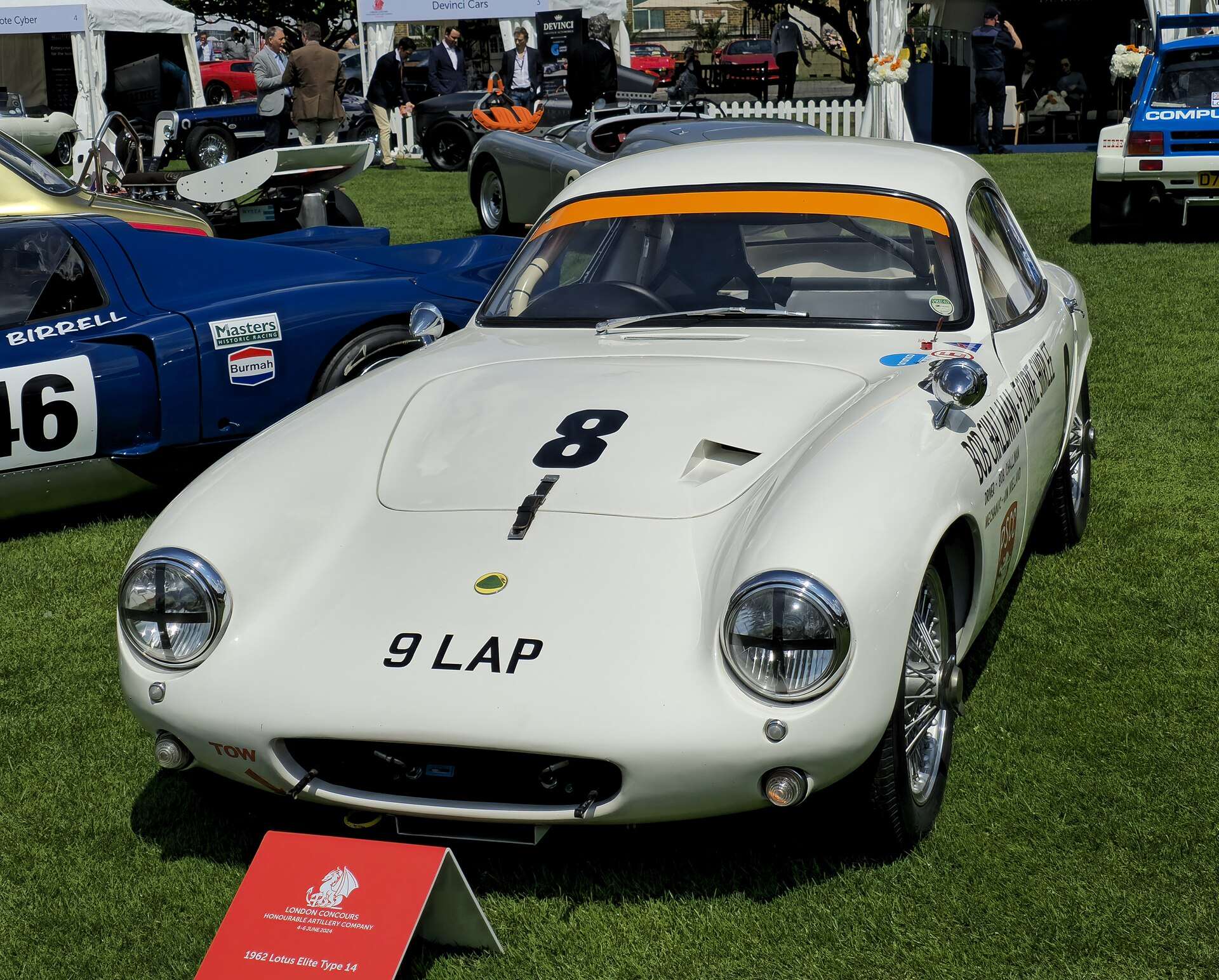
Elites achieved important class results at Le Mans and other endurance events. That makes genuine competition history valuable, but it also encourages reconstructed identities and retrospective modifications. Period entry lists, photographs, chassis records and a continuous ownership trail should support any premium.

Choosing an Elite
The best road car is usually the one with the clearest structural and mechanical history, not necessarily the most highly tuned badge. Allow for specialist maintenance, correct tyres and careful storage. Missing trim, glazing and model-specific fittings can take longer to resolve than routine mechanical service work.
Sources and further reading
Continue the Lotus story
The Type 14 proved that a complete road-car structure could be built around lightweight glassfibre. Explore the Lotus hub and the Lotus Seven guide and the later Elite guide.
Frequently asked questions
When was the Lotus Elite Type 14 built?
The original Elite was introduced in 1957 and produced until 1963.
Does the Lotus Elite Type 14 have a separate chassis?
No. Its glassfibre monocoque carries the structural loads, so the shell itself is the chassis.
What engine does the original Lotus Elite use?
It uses a 1,216 cc Coventry Climax-derived FWE four-cylinder engine in several states of tune.
Why is structural inspection especially important?
Suspension and drivetrain loads pass through the glassfibre monocoque, making delamination, cracks and poor repairs more significant than ordinary cosmetic fibreglass damage.
What should be checked before buying a Type 14?
Have a specialist inspect the monocoque, suspension pick-ups and repairs, then verify engine specification, gearbox, cooling, brakes, trim and any claimed competition history.