UNUSUAL CARS MARQUE GUIDE
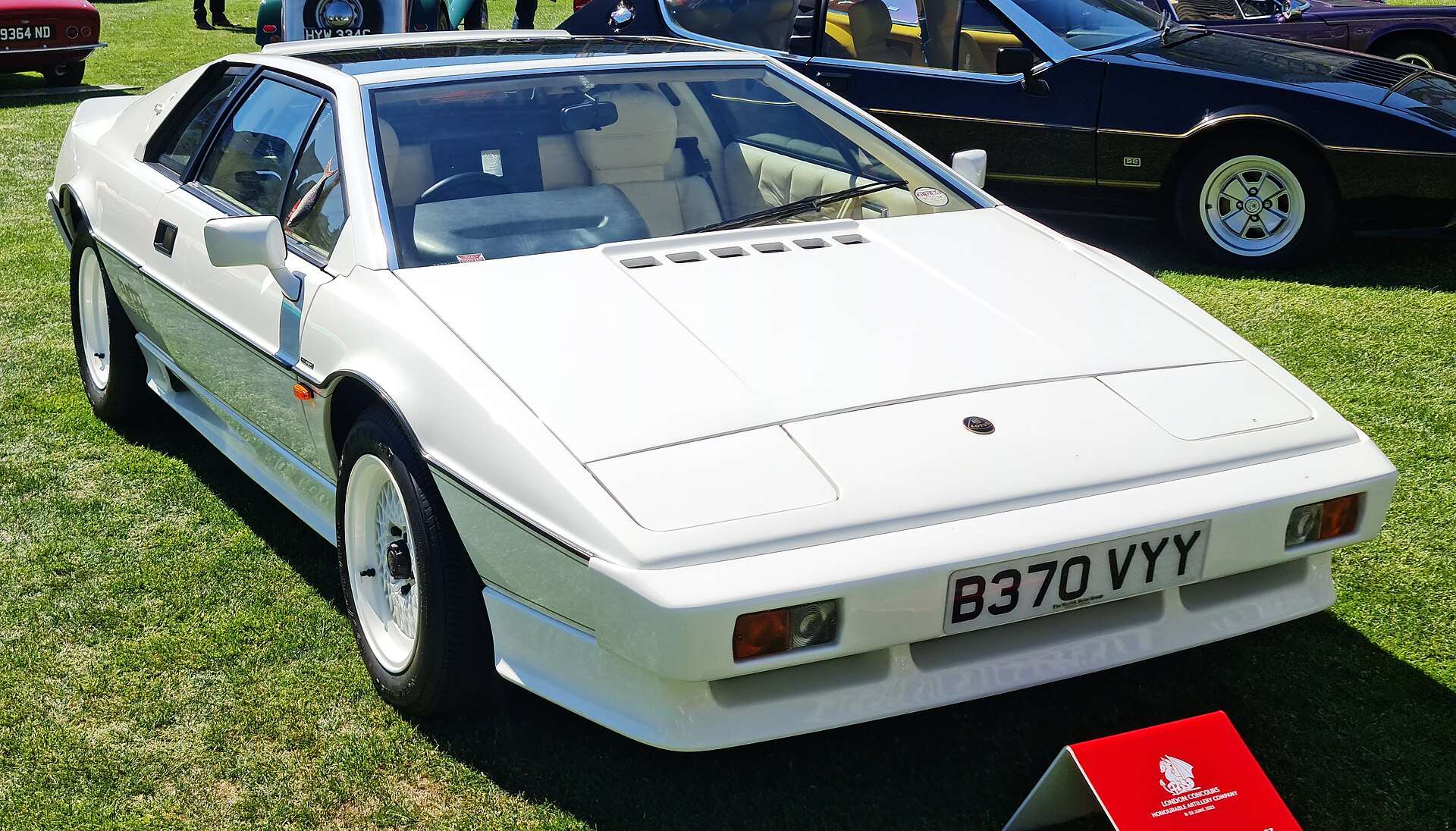
Lotus built its reputation by reducing mass, simplifying structures and treating steering and suspension as primary design tools. This guide brings together Lotus road cars from the Seven and both Elite generations to the Éclat, Excel, Elan, Europa, Esprit and bonded-aluminium Elise, Exige and Evora families. It also includes the extraordinary Lotus Carlton, with clear model distinctions and practical ownership checks.
Start here: use the thirteen detailed guides below to compare each model’s construction, engines, major derivatives and buying priorities. Every card links to a complete evergreen guide.
Detailed Lotus guides
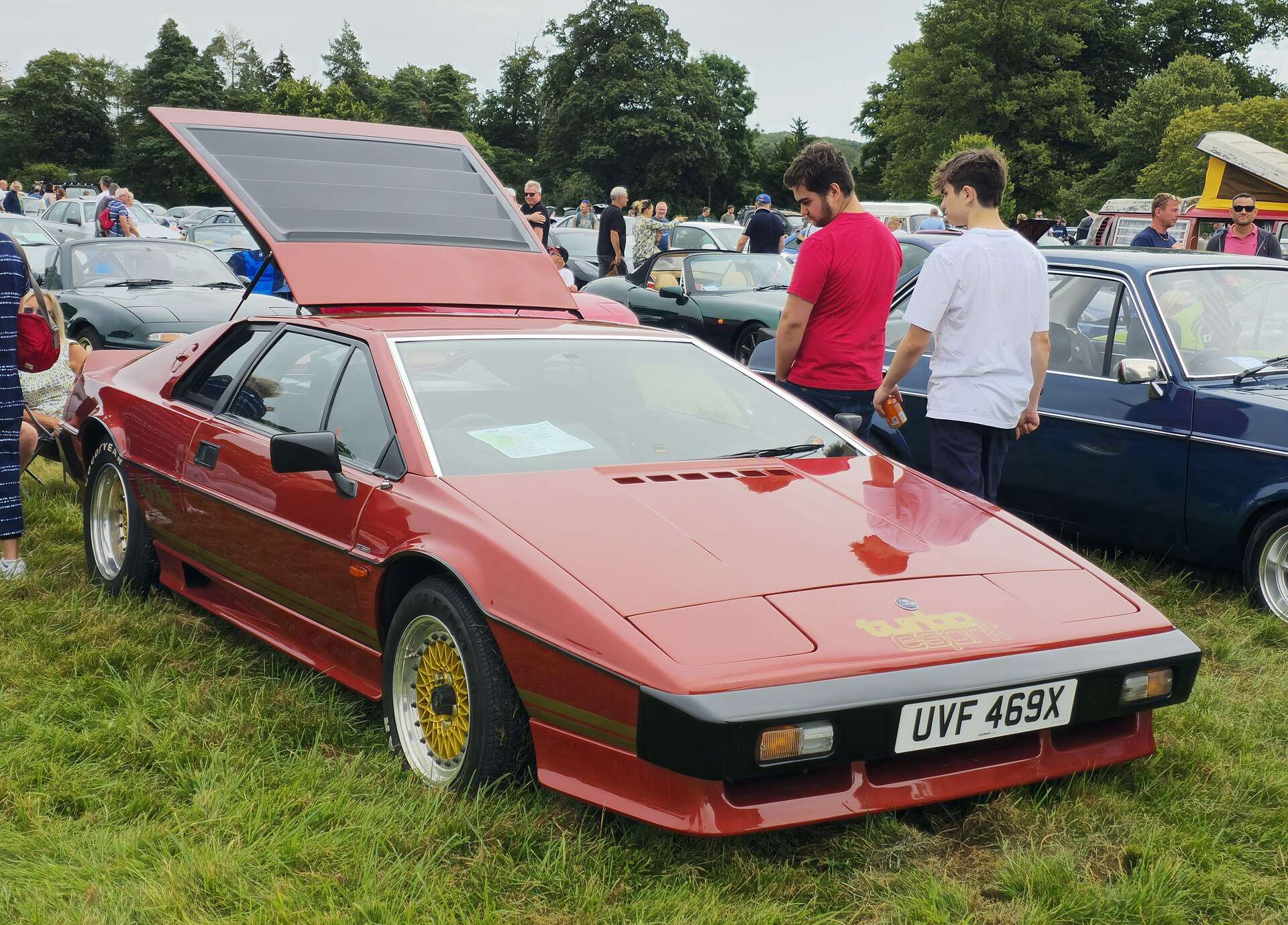
Lotus Esprit Turbo and V8
The Giugiaro and Stevens generations, from early four-cylinder cars to the Type 918 twin-turbo V8.
Photograph: Calreyn88, CC BY-SA 4.0, via Wikimedia Commons.
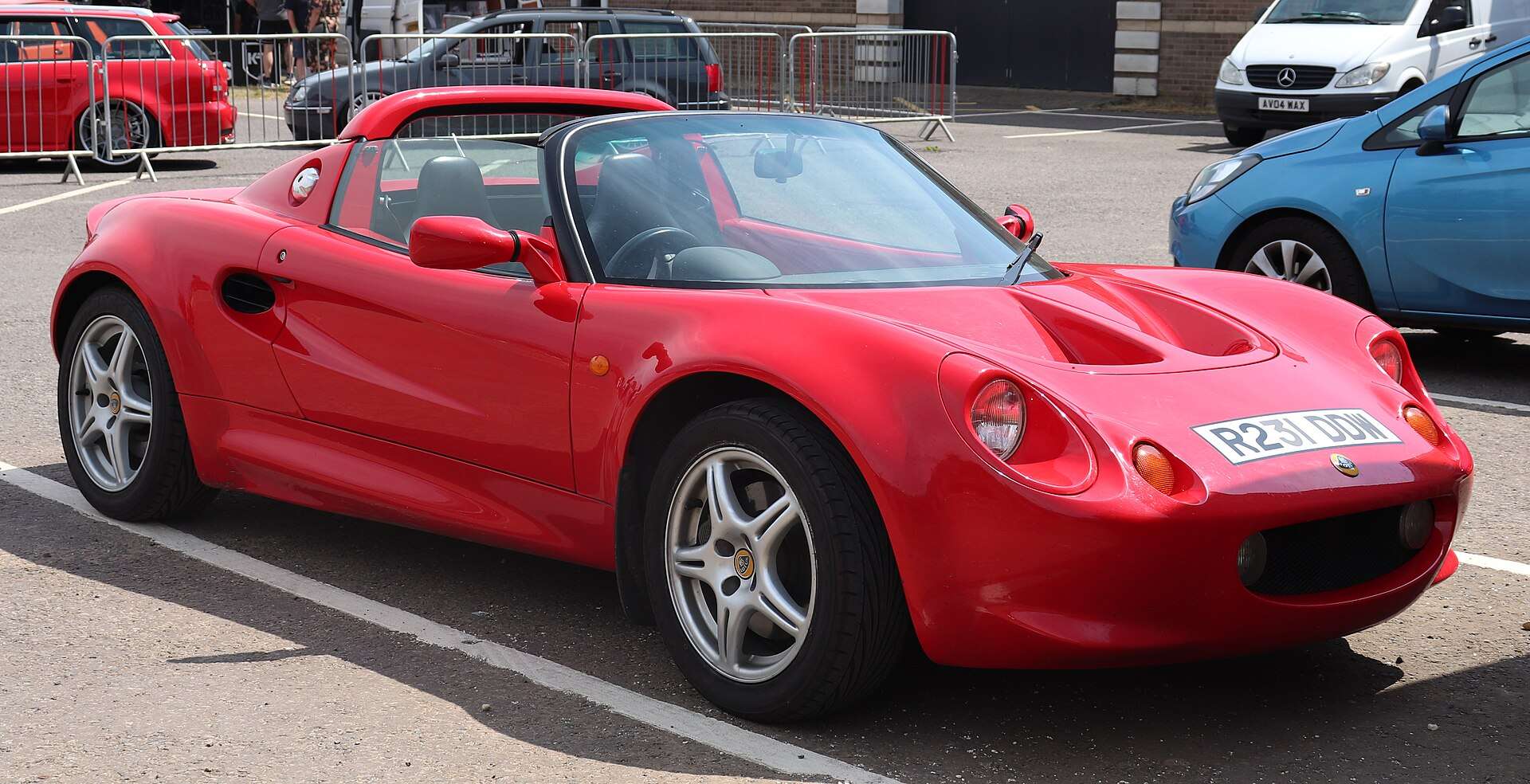
Lotus Elise S1
The original Type 111, including the standard K-series car, 111S and focused Sport derivatives.
Photograph: Vauxford, CC BY-SA 4.0, via Wikimedia Commons.
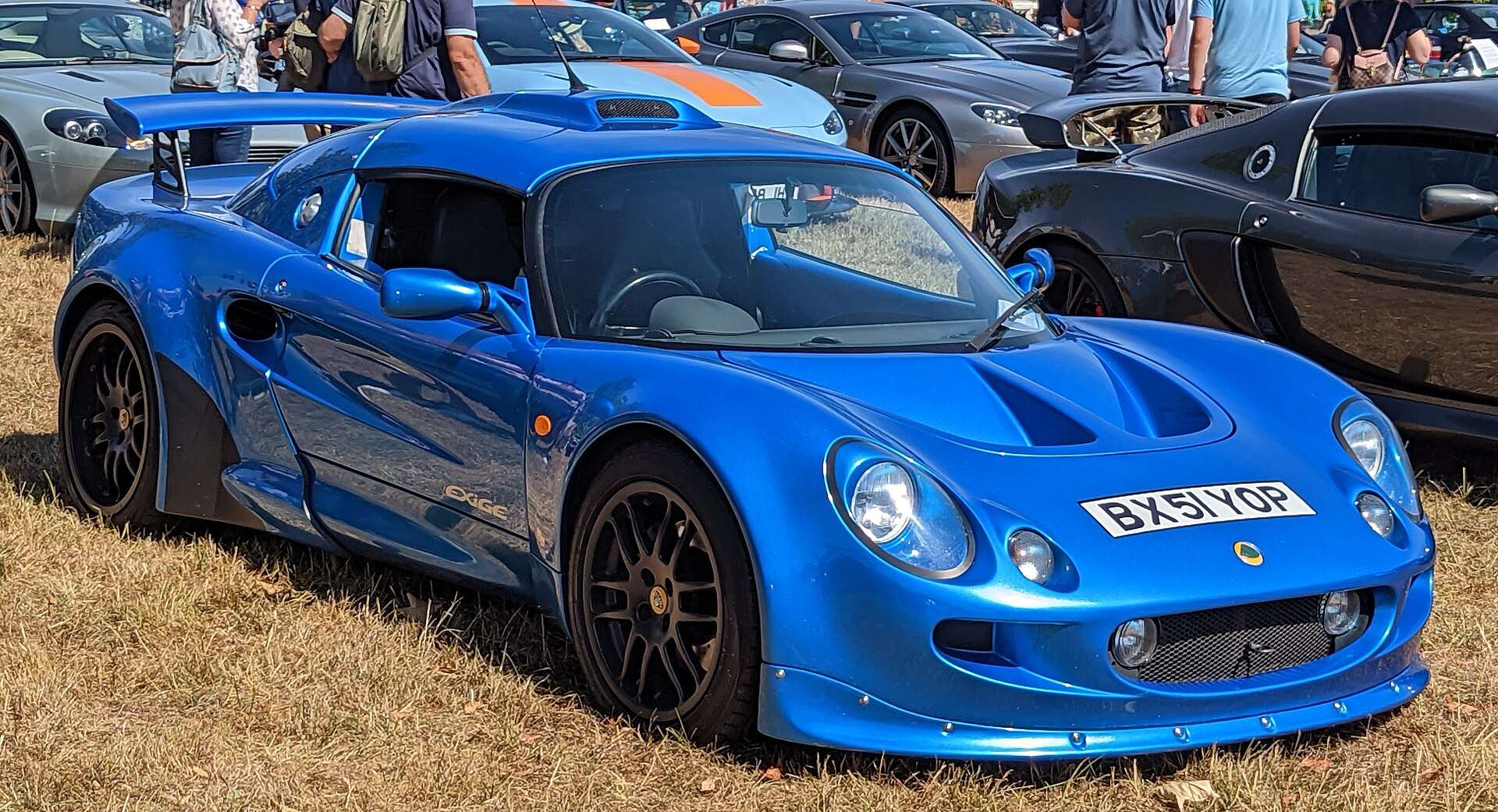
Lotus Exige S1 and S2
The Rover-engined original and Toyota-powered Series 2, including naturally aspirated, supercharged and Cup forms.
Photograph: Calreyn88, CC BY-SA 4.0, via Wikimedia Commons.
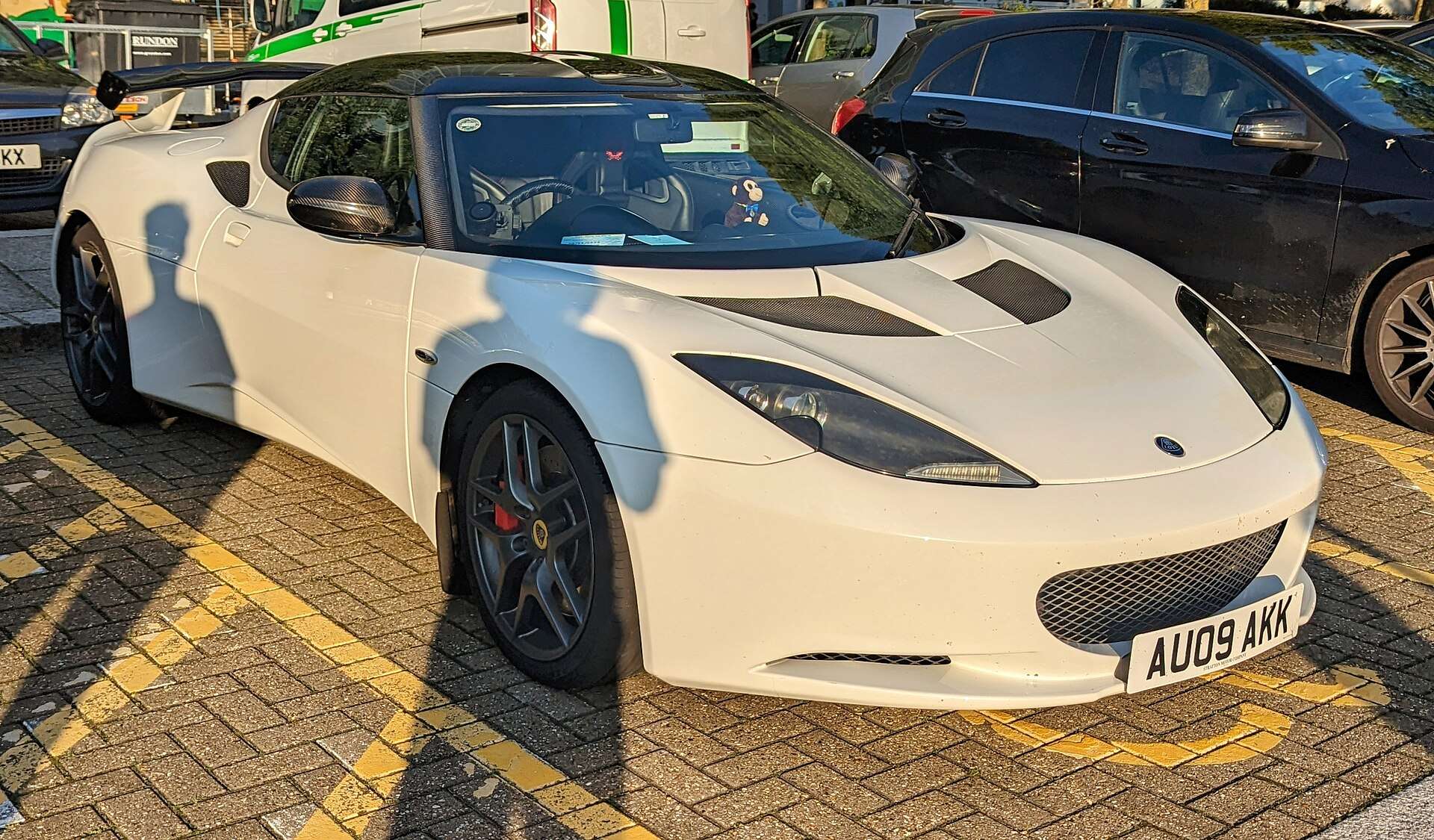
Lotus Evora, S, 400 and GT430
The V6 Lotus GT from the naturally aspirated original to the supercharged 400, 410 and GT430.
Photograph: Calreyn88, CC BY 4.0, via Wikimedia Commons.
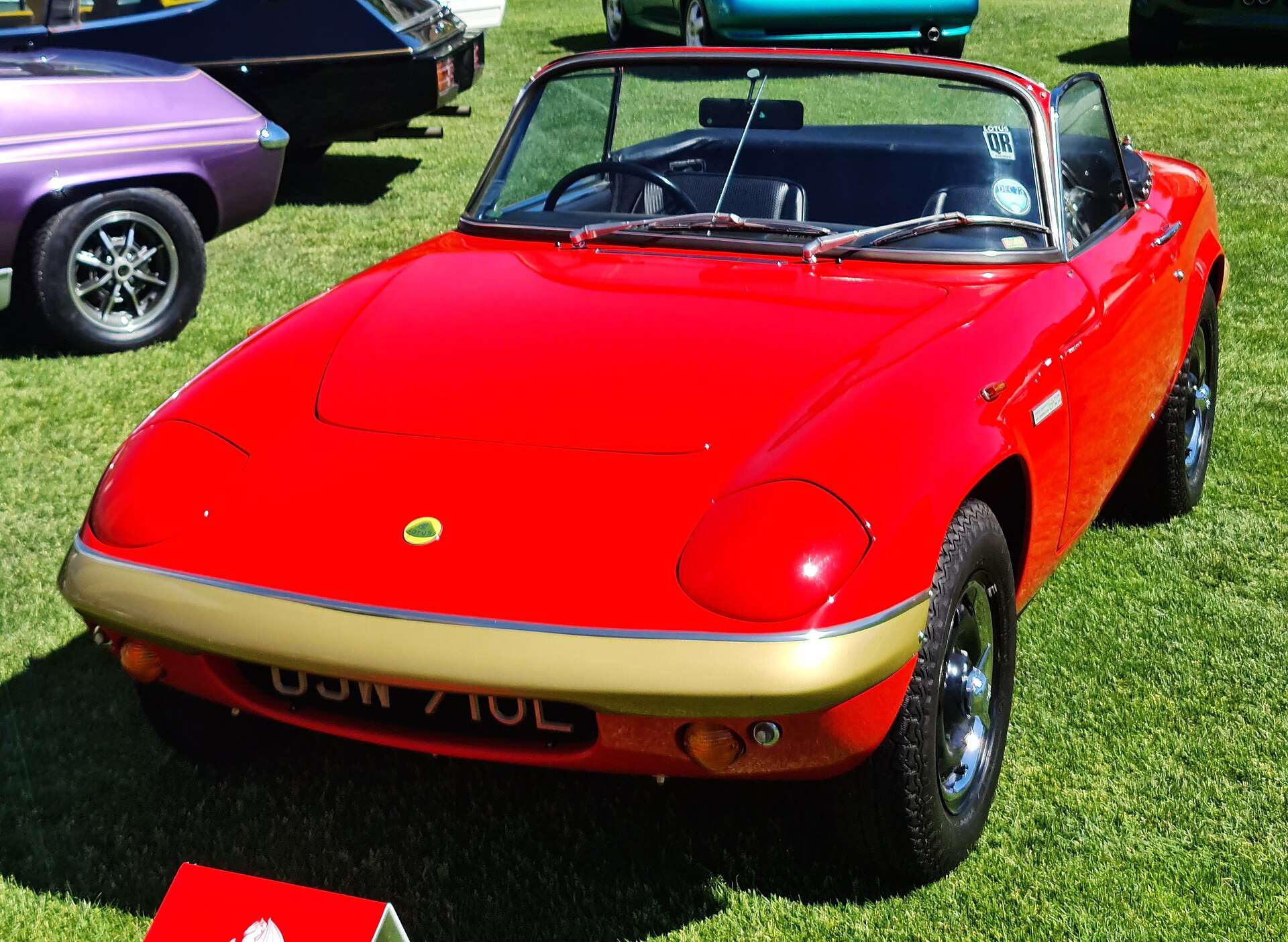
Lotus Elan S1 to Sprint
The original lightweight roadster and coupé, from S1 to the big-valve Sprint.
Photograph: MrWalkr, CC BY-SA 4.0, via Wikimedia Commons.
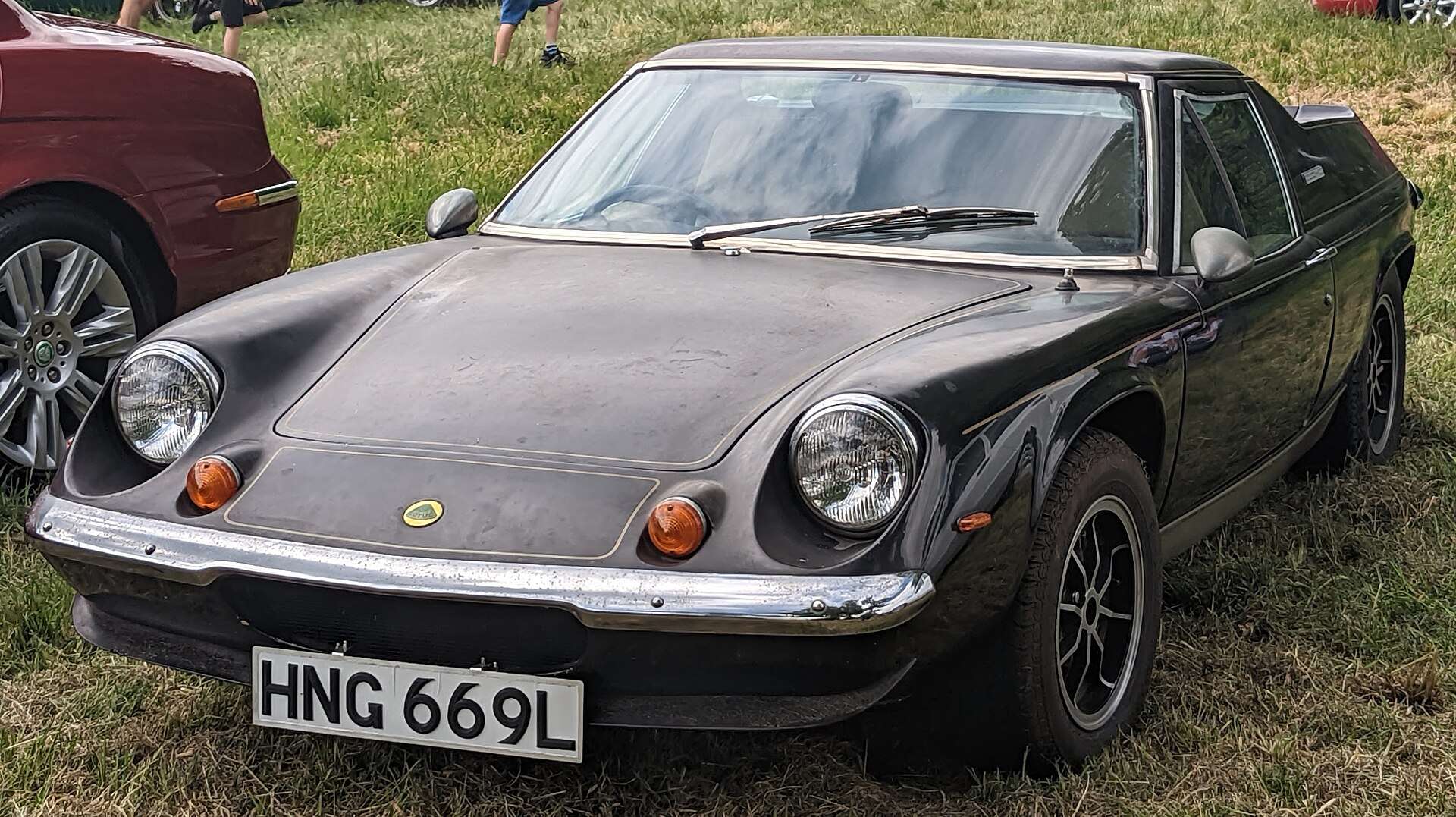
Lotus Europa
The mid-engined S1, S2, Twin Cam and big-valve Special.
Photograph: Calreyn88, CC BY-SA 4.0, via Wikimedia Commons.
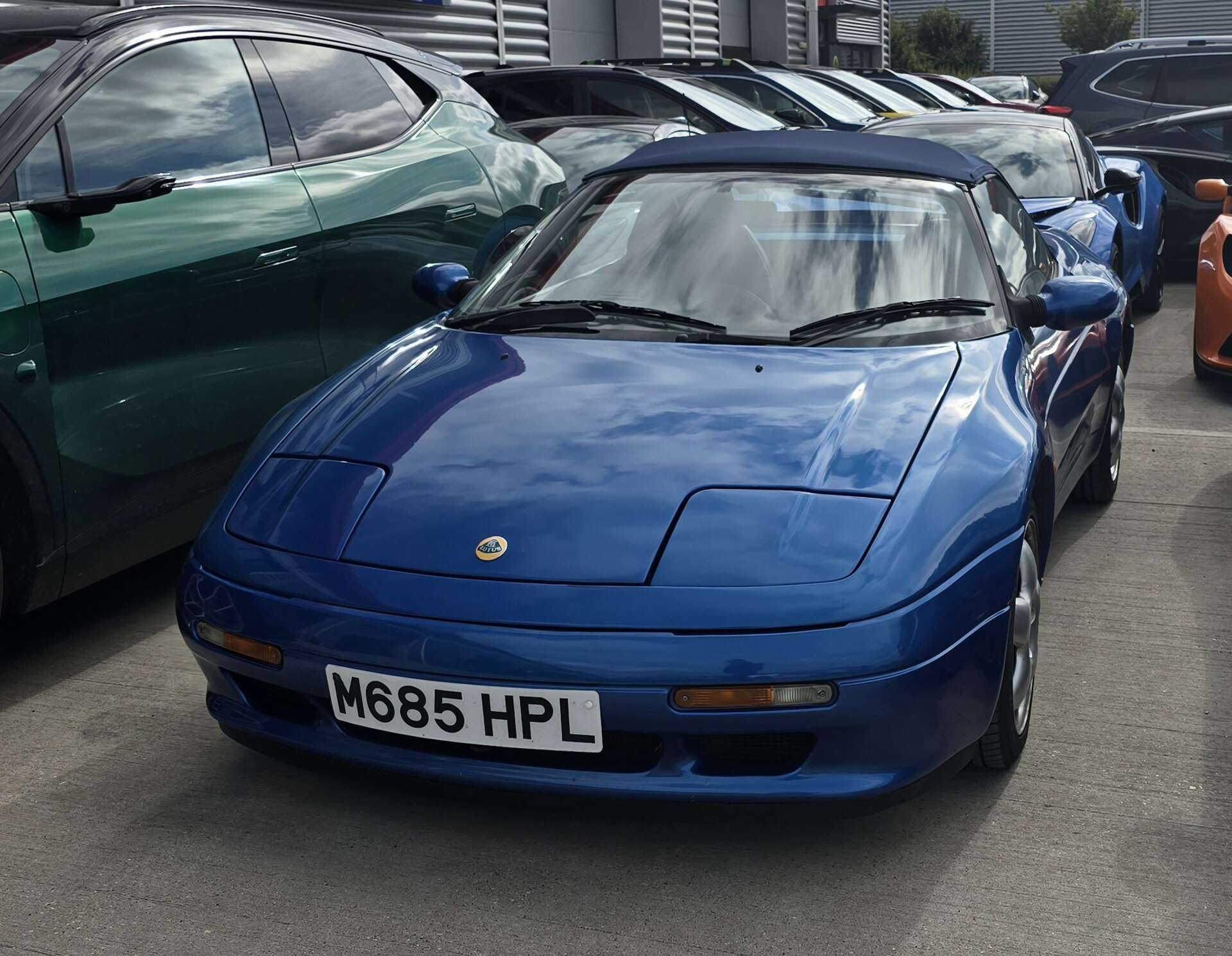
Lotus Elan M100
The front-wheel-drive Elan, including normally aspirated, SE Turbo and limited S2 cars.
Photograph: Calreyn88, CC BY-SA 4.0, via Wikimedia Commons.
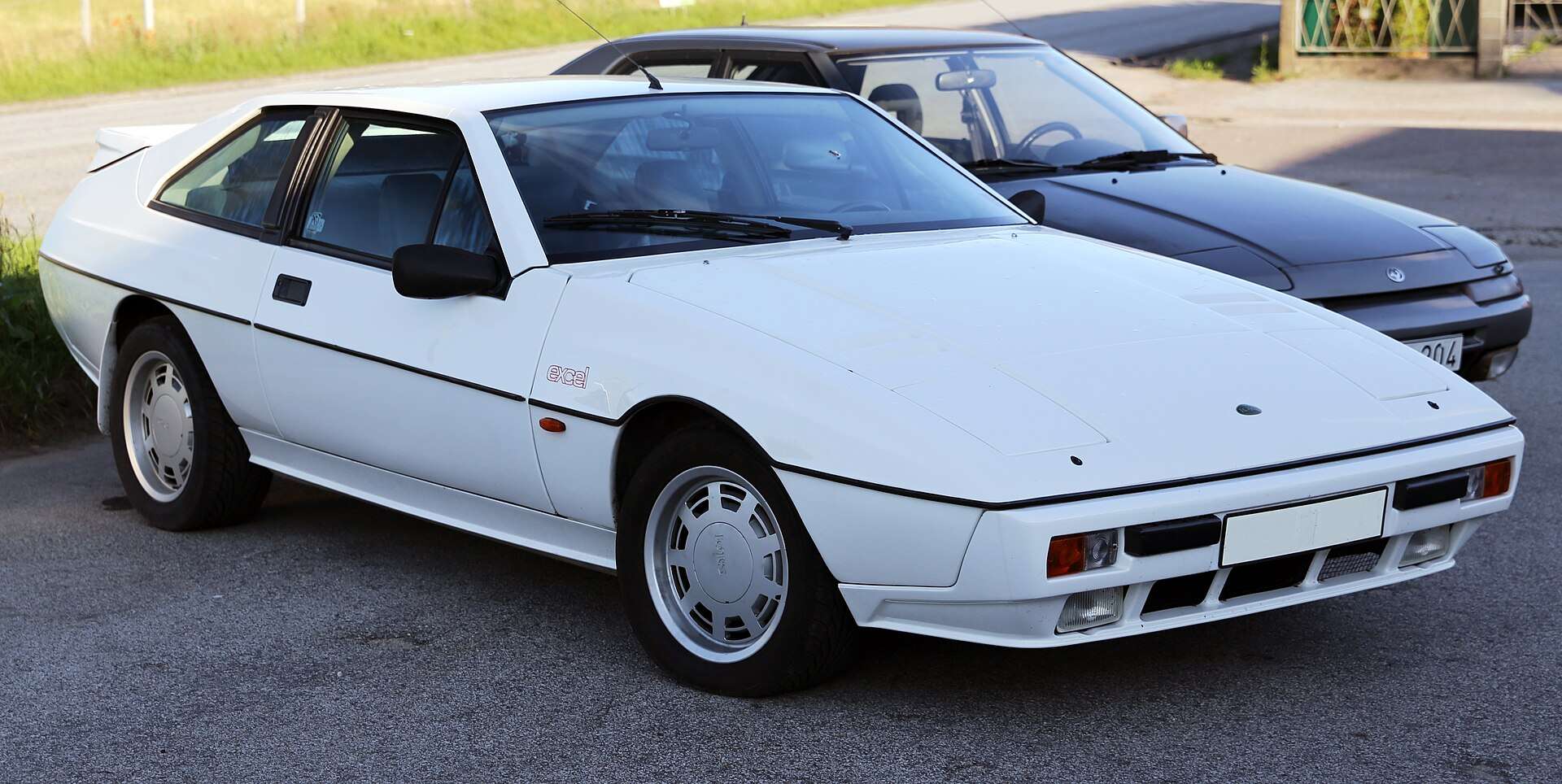
Lotus Excel SE and SA
The developed four-seat GT with manual SE and automatic SA versions.
Photograph: Mr.choppers, CC BY-SA 3.0, via Wikimedia Commons.
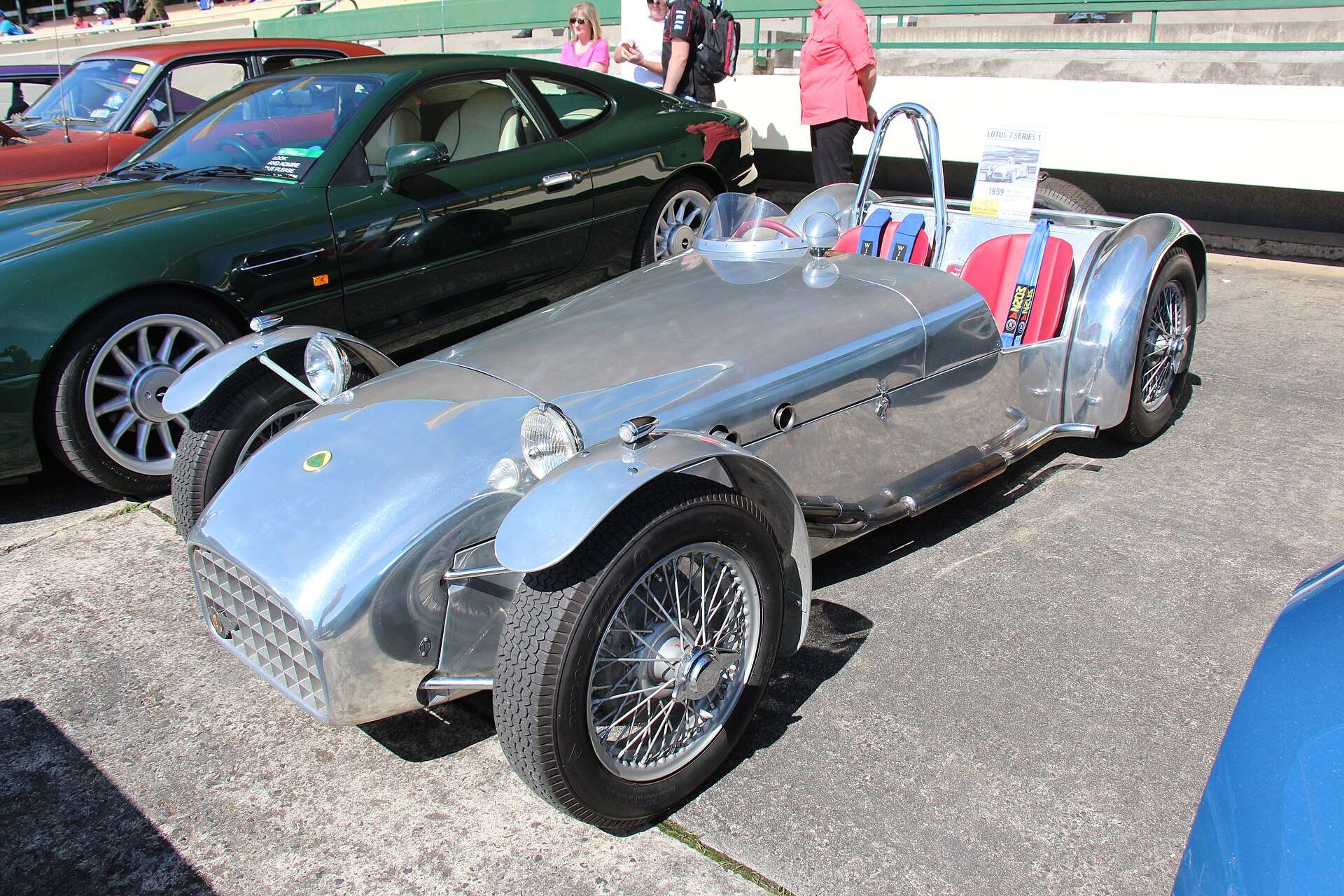
Lotus Seven S1 to S4
The original Lotus-built Seven, from the delicate Series 1 to the wider glassfibre-bodied Series 4.
Photograph: Sicnag, CC BY 2.0, via Wikimedia Commons; locally hosted.
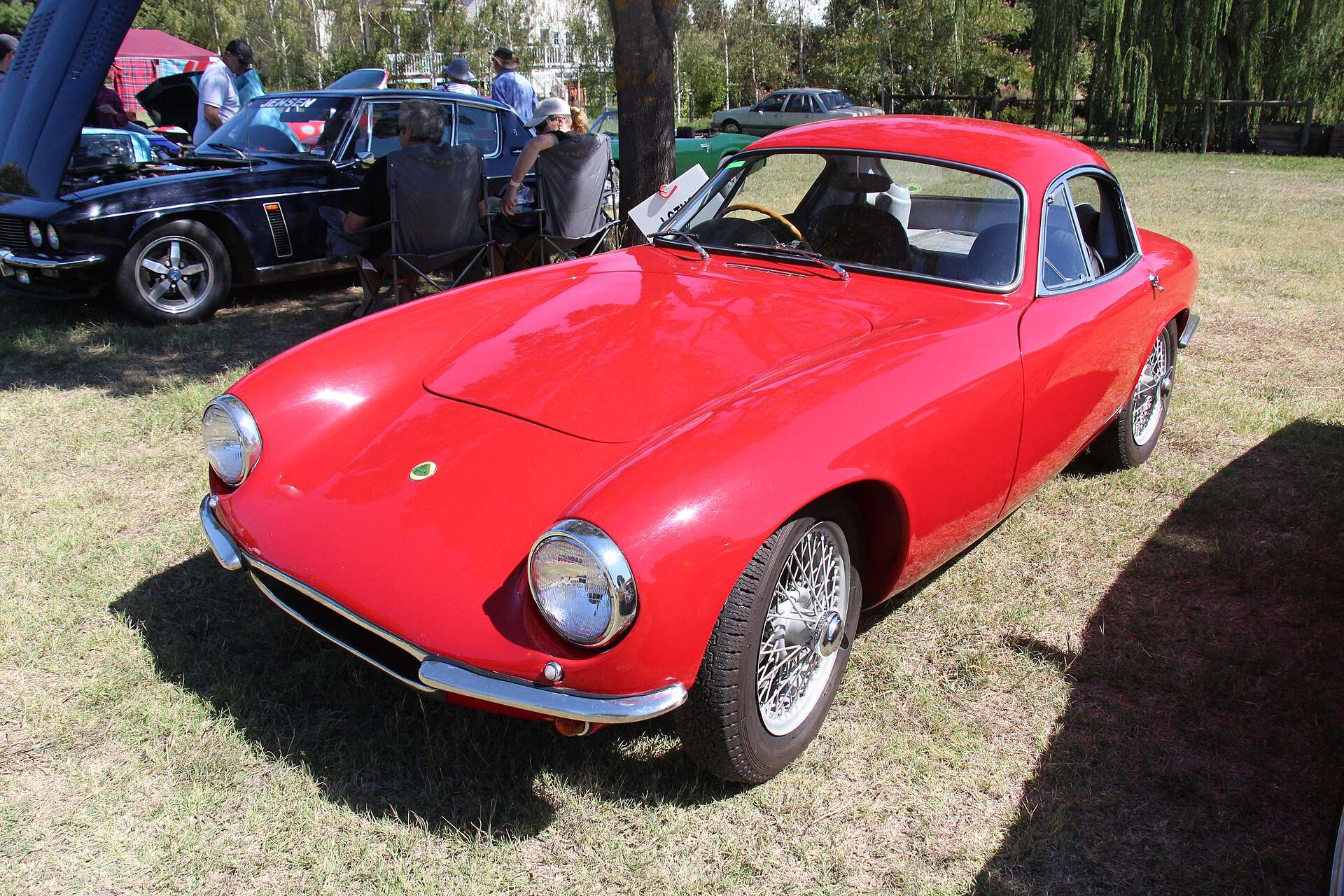
Lotus Elite Type 14
The pioneering glassfibre-monocoque coupé, including Coventry Climax specifications and competition history.
Photograph: Sicnag, CC BY 2.0, via Wikimedia Commons; locally hosted.
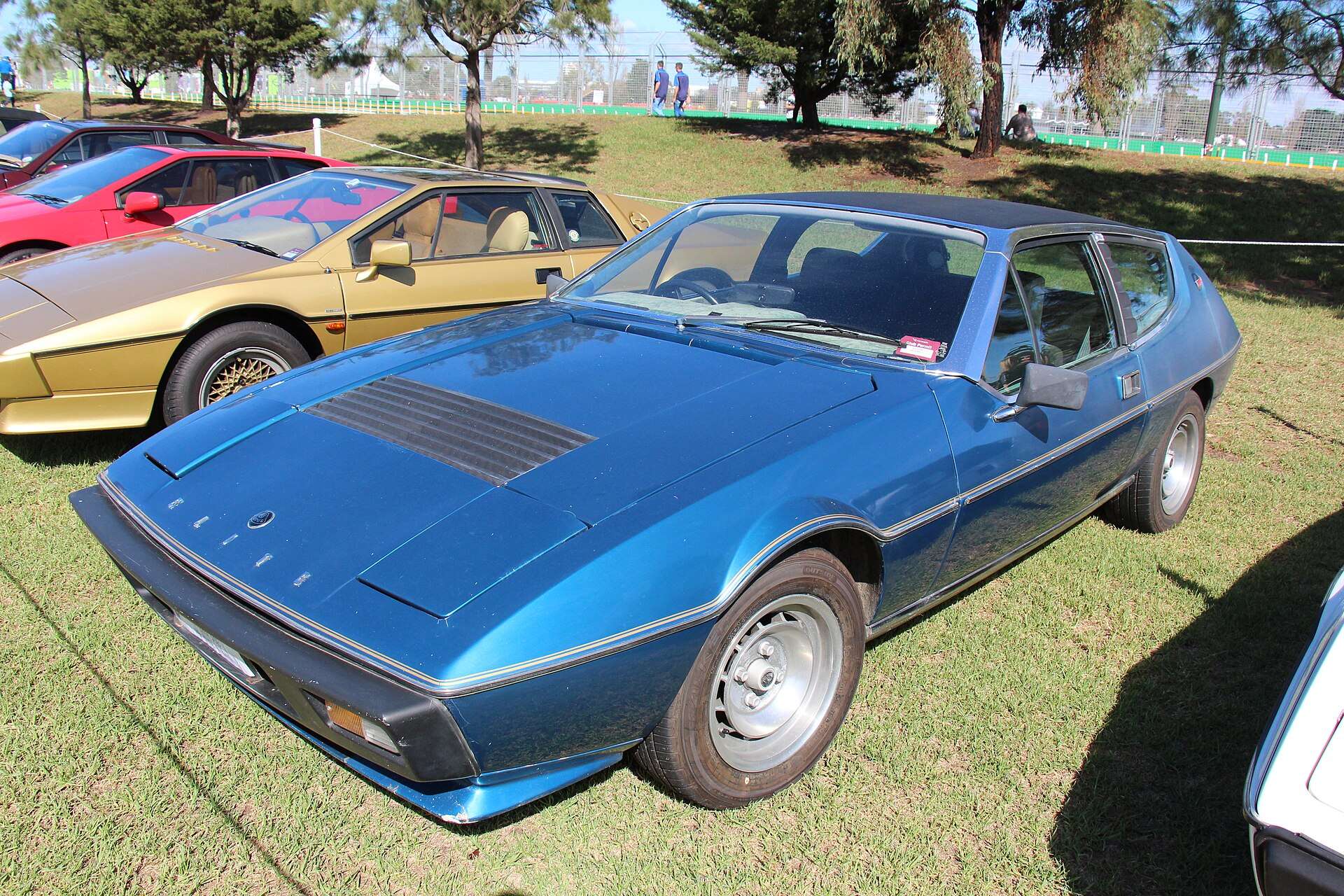
Lotus Elite Type 75 and 83
The angular four-seat 501–504 range, with Lotus 907 and later 2.2-litre power.
Photograph: Sicnag, CC BY 2.0, via Wikimedia Commons; locally hosted.

Lotus Éclat S1, S2.2 and Riviera
The fastback sibling to the Elite, including Sprint, galvanised-chassis S2.2 and Riviera variants.
Photograph: Calreyn88, CC BY 4.0, via Wikimedia Commons; locally hosted.
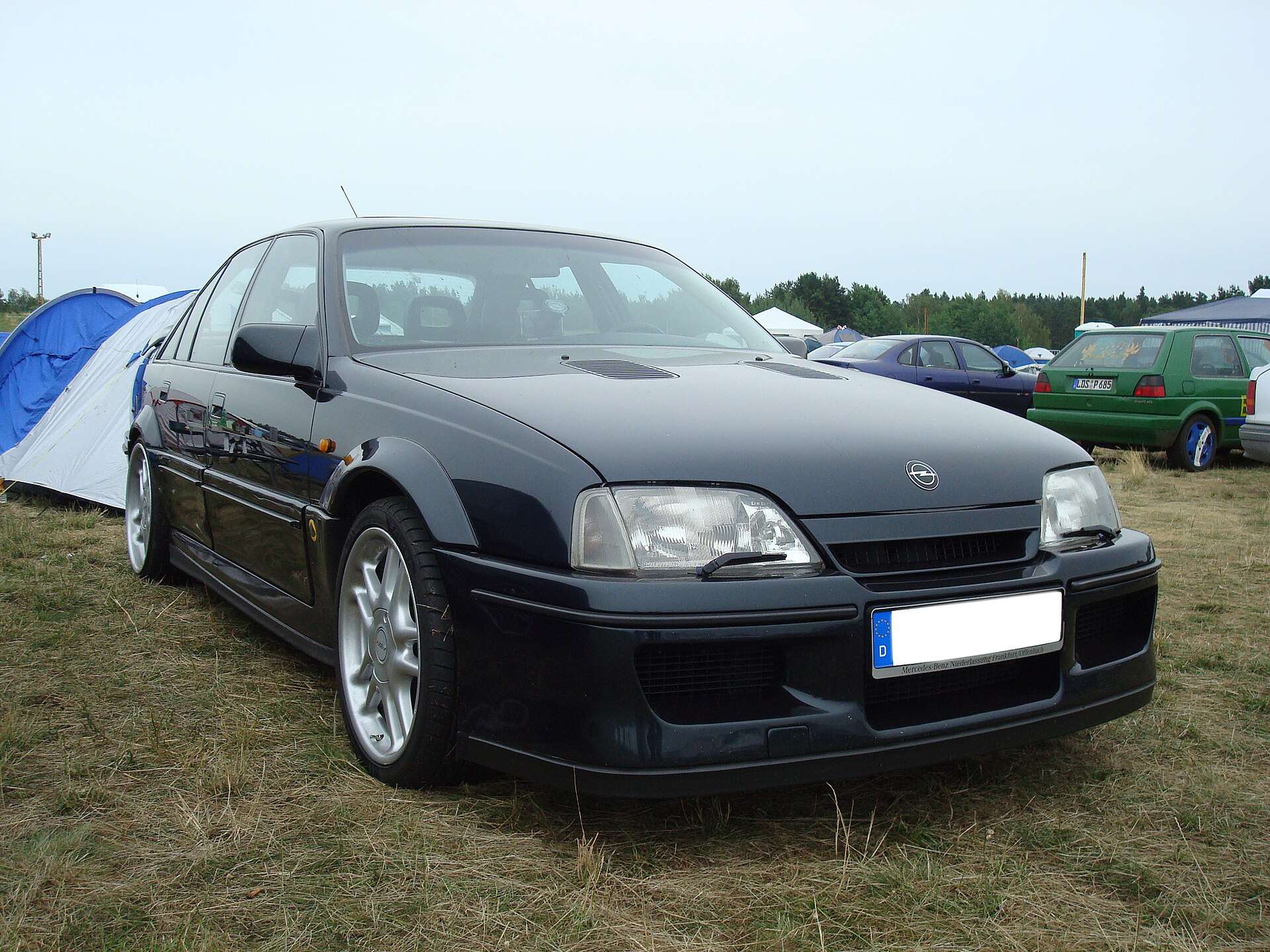
Lotus Carlton
The 377bhp twin-turbo executive saloon developed from the Carlton GSi and sold as the Lotus Omega in continental Europe.
Photograph: Patrick Salchow, public domain, via Wikimedia Commons; locally hosted.
How the modern Lotus story fits together
The Seven established the minimalist Lotus road-car ideal, while the Type 14 Elite demonstrated the company’s ambitious glassfibre-monocoque engineering. The Elan developed the backbone-chassis formula, the Europa moved its engine behind the cabin, and the later Elite, Éclat and Excel created a four-seat GT line. The Esprit represents the long-running mid-engined backbone-chassis era; the Lotus Carlton applied Hethel engineering to a super-saloon. The Elise then introduced the bonded aluminium structure that became the basis of the Exige and informed the larger Evora.
Buying a rare or performance Lotus
Identity, chassis condition and specialist history come before cosmetic finish. Bonded aluminium structures require different repair judgement from conventional steel shells, while Esprit backbone chassis and glassfibre bodies have their own inspection priorities. Engine reputation alone never replaces a full examination of cooling, gearbox, suspension, brakes and previous accident or track use.
Love cars you don’t see every day?
Get forgotten cars, surprising motoring stories and the most interesting finds from Unusual Cars by email.
Free to join. No spam. Unsubscribe whenever you like. See our privacy policy.
Frequently asked questions
Which Lotus in this guide has a twin-turbo V8?
The 1996-on Lotus Esprit V8 uses the Lotus Type 918 3.5-litre twin-turbo V8.
What was the first Lotus road car here to use a bonded aluminium chassis?
The Lotus Elise Type 111 introduced the bonded extruded aluminium chassis that later underpinned the Exige and influenced the Evora.
Is the Lotus Exige simply an Elise with a roof?
No. Although closely related, the Exige uses model-specific aerodynamics, bodywork, suspension and higher-performance engine specifications.
Which Lotus here offers rear seats?
The later Elite, Éclat and Excel were designed as four-seat GTs. The Evora was also available in 2+2 form with small rear seats, although two-seat versions were sold.