UNUSUAL CARS MODEL GUIDE
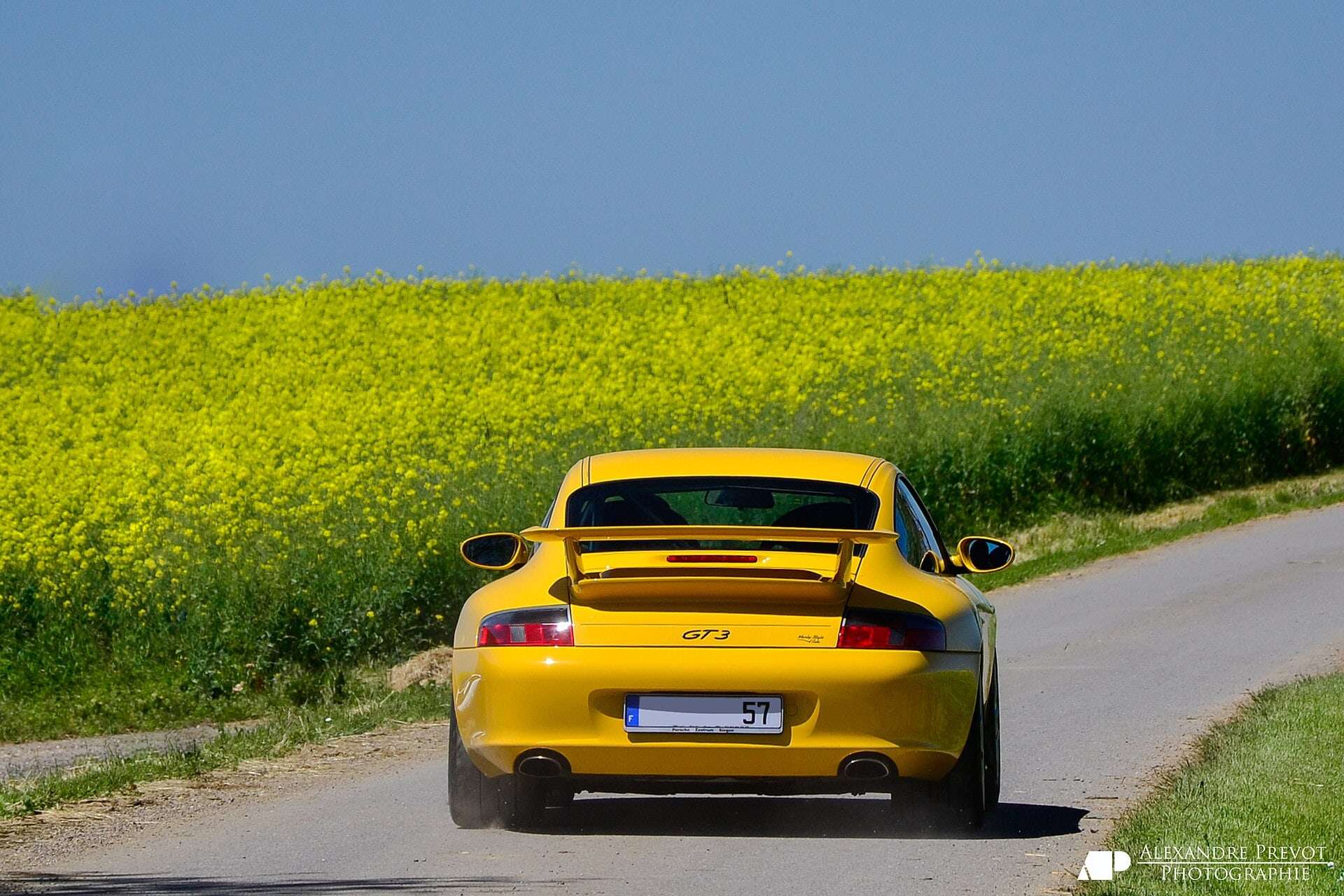
The 996-generation Porsche 911 GT3 introduced the GT3 badge in 1999. It combined a naturally aspirated motorsport-derived flat-six, six-speed manual gearbox, rear-wheel drive, fixed rear wing and track-focused chassis. The first version produced 360 PS; the revised 2003 model produced 381 PS and formed the basis of the first GT3 RS.
Quick answer: the early car is the lighter-looking origin of the line, the facelift is faster and more developed, and the RS is a rare homologation-focused derivative. Buy on identity, engine history, structural condition and evidence of disciplined maintenance rather than mileage or cosmetic perfection alone.
The first Porsche 911 GT3
Porsche unveiled the first GT3 at Geneva in 1999. Its name came from the GT3 racing class, and its purpose was clear: a road-legal car developed close to Porsche Motorsport practice. Walter Röhrl helped with development and drove a 996 GT3 around the Nürburgring Nordschleife in 7 minutes 56.33 seconds, the first road-legal production car reported to break eight minutes there.
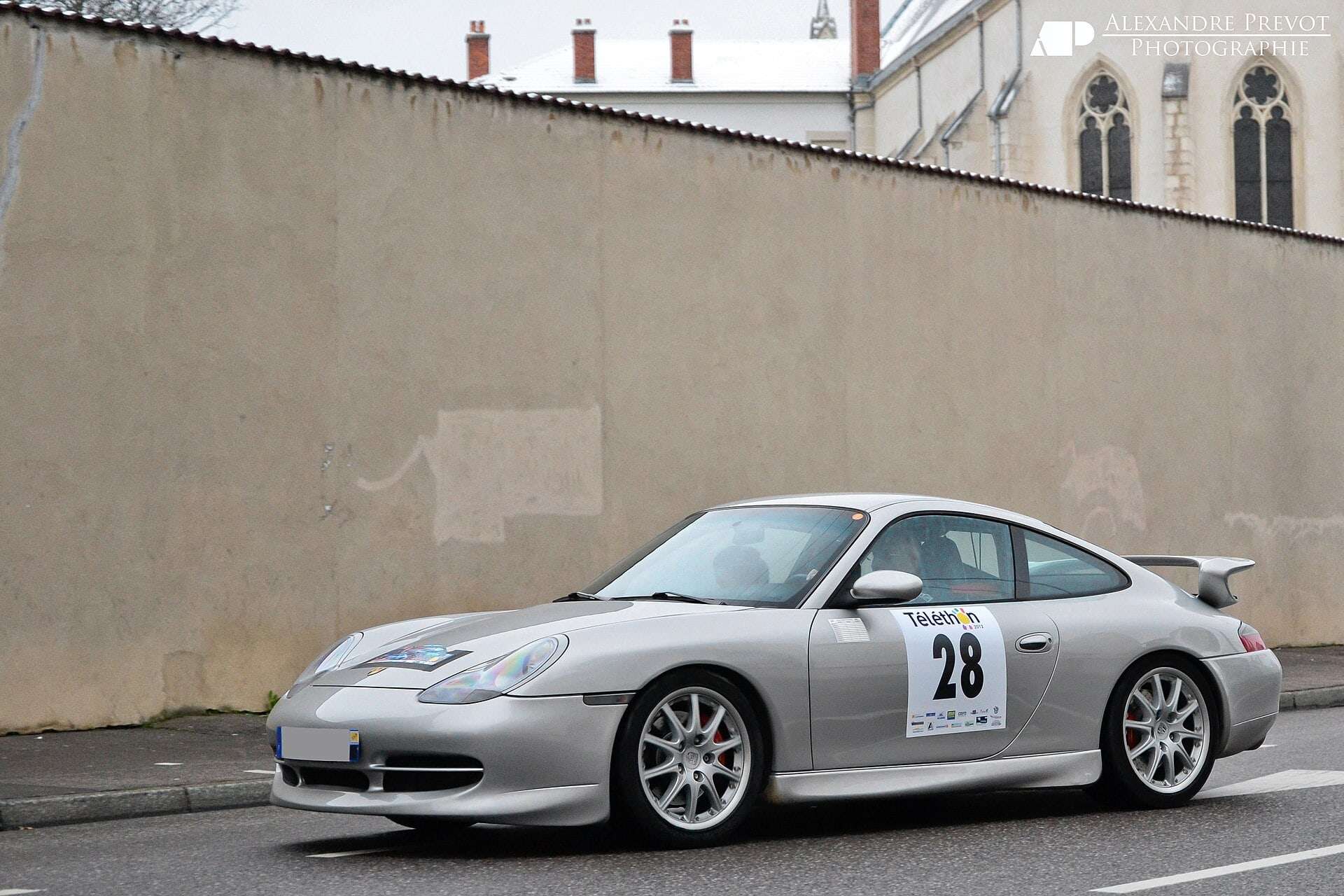
The 996 Carrera had already introduced water cooling and a new structure. The GT3 used that platform selectively rather than simply adding power. It deleted equipment, changed suspension geometry and rates, added brakes and used a fixed aerodynamic package. Porsche positioned it as the road car that could support competition derivatives, establishing a formula that continues today.
The 996.1 GT3 engine and chassis
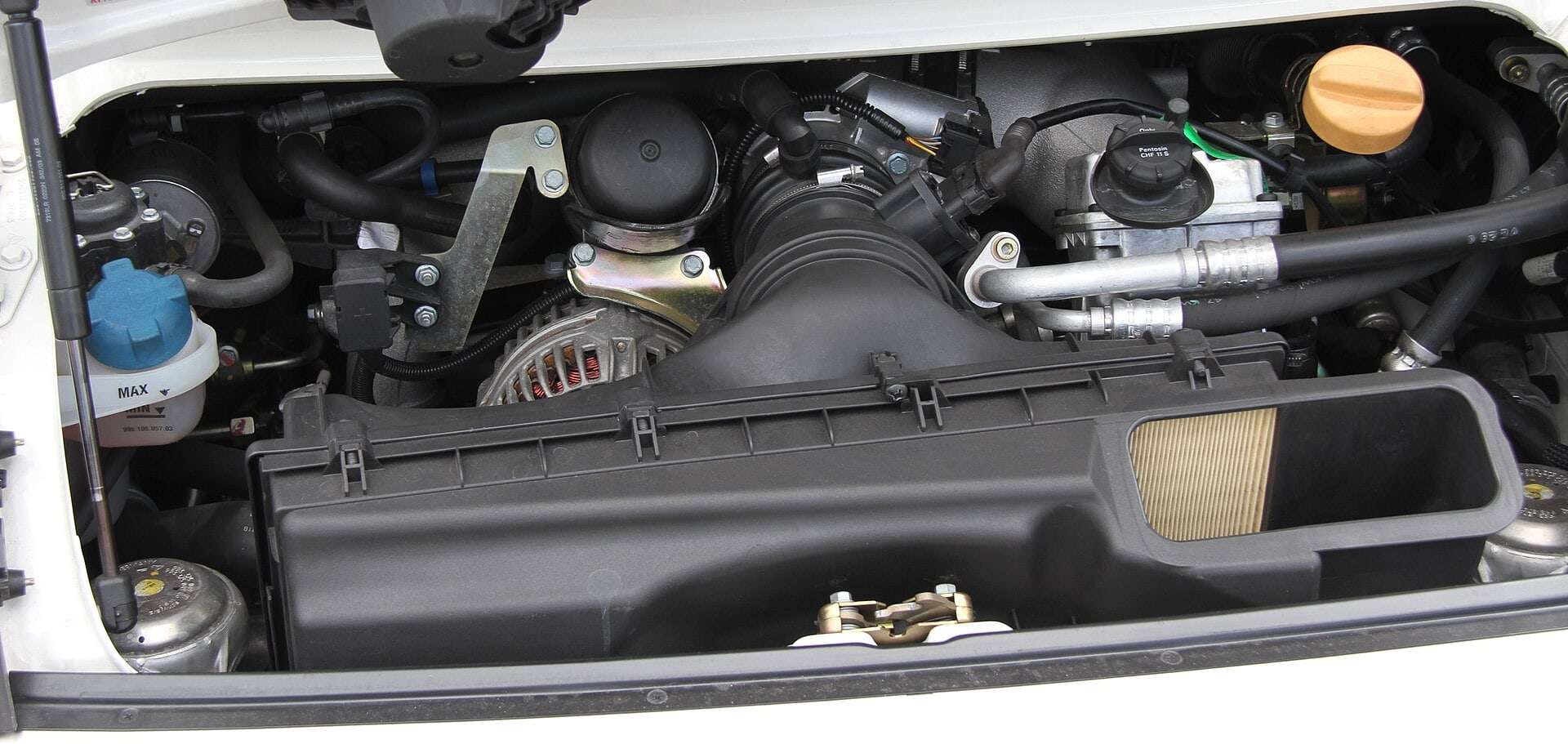
The 3,600 cc flat-six produced 360 PS at 7,200 rpm and 370 Nm. It belonged to the engine family associated with the 911 GT1 and later became widely known by the name of Porsche engineer Hans Mezger. It differed fundamentally from the contemporary Carrera engine, using separate crankcase architecture, dry-sump lubrication and racing-derived cylinder heads.
Power went through a six-speed manual gearbox to the rear wheels. Adjustable suspension, stronger brakes, reduced sound insulation and a fixed rear wing supported circuit use. Porsche quoted 0–100 km/h in 4.8 seconds and 302 km/h.
Clubsport specification
The Clubsport package made the road car better suited to frequent track use with a fixed roll cage, Nomex bucket seats, six-point harnesses, fire extinguisher and battery master switch. It also used a single-mass rather than dual-mass flywheel, creating a characteristic idle rattle and sharper response. Porsche’s retrospective account says almost 1,900 first-version cars were made and estimates about 20 per cent were Clubsports.
A cage does not prove factory Clubsport identity, because equipment can be retrofitted. Confirm option codes, original specification and factory documentation. On any caged car, inspect mounting points and the surrounding shell for stress or previous competition damage.
The 2003 996.2 GT3
The facelifted GT3 arrived for 2003 with revised headlamps, aerodynamics, brakes and engine management. Output rose to 381 PS at 7,400 rpm, with 385 Nm and a higher 7,800 rpm maximum engine speed. Porsche quoted 0–100 km/h in 4.5 seconds and 306 km/h.
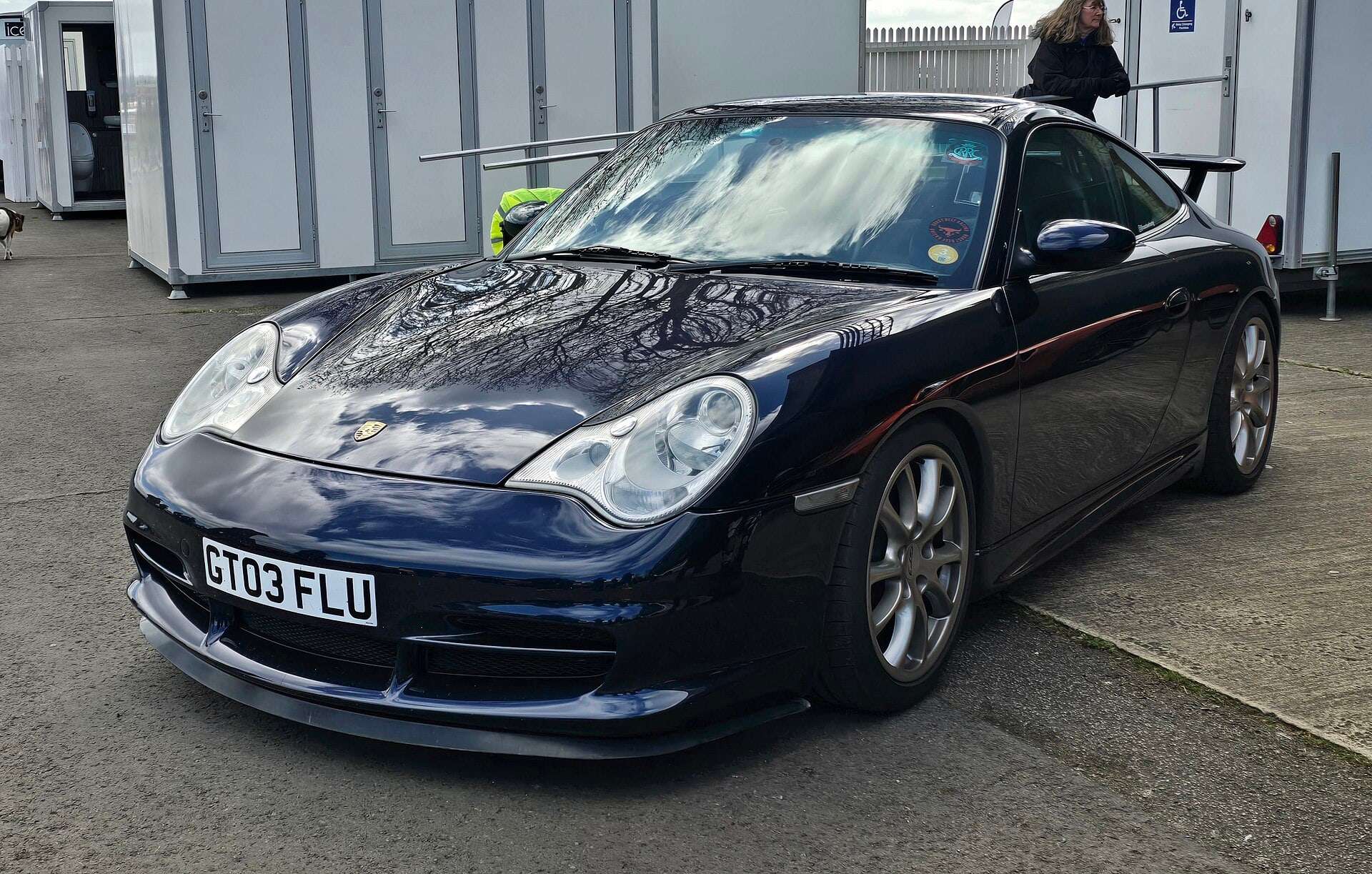
The second-generation car is not merely a cosmetic facelift. Its suspension and aerodynamic revisions make it the more developed standard 996 GT3, while the earlier car retains historical priority and a visually simpler form.
996 GT3 versions compared
| Version | Power | Key distinction |
|---|---|---|
| 996.1 GT3 | 360 PS | Original 1999 GT3; 7:56.33 Nordschleife time, early body and fixed wing. |
| 996.1 GT3 Clubsport | 360 PS | Factory track package with cage, Nomex seats, harnesses, extinguisher and single-mass flywheel. |
| 996.2 GT3 | 381 PS | 2003 facelift with revised aerodynamics, brakes and a higher-revving engine. |
| 996 GT3 RS | 381 PS | Lighter homologation-focused derivative with distinctive colour schemes and motorsport detail changes. |
Love cars you don’t see every day?
Get forgotten cars, surprising motoring stories and the most interesting finds from Unusual Cars by email.
Free to join. No spam. Unsubscribe whenever you like. See our privacy policy.
The first GT3 RS
The 996 GT3 RS took the facelifted GT3 further toward competition use. Weight-saving measures included a polycarbonate rear window and carbon-fibre components, while its white body with red or blue graphics referenced the 1973 Carrera RS 2.7. The engine retained the 381 PS rating, but reduced mass, revised suspension and homologation detail made it more specialised.

Because ordinary GT3s can be visually converted, authenticate an RS through its chassis, option codes, shell details and Porsche records. Correct lightweight panels, glazing, wheels, interior and suspension hardware materially affect both integrity and value.
Porsche 996 GT3 buying guide
Begin with a diagnostic report, service invoices and evidence of over-rev history. A specialist should perform compression and leak-down tests where indicated, inspect oil and coolant condition, and check for leaks, abnormal noises and previous engine work. The engine is robust when correctly maintained but expensive to repair, and track use raises the importance of accurate records.
Inspect the gearbox for worn synchromesh, selection problems and noise, then examine clutch condition and the limited-slip differential. Suspension arms, dampers, top mounts and geometry must work together; uneven tyres or nervous behaviour may indicate poor alignment, worn components or a damaged shell.

Brakes and wheels are costly. Measure disc condition, check callipers, confirm correct wheel sizes and inspect the inner rims. PCCB ceramic brakes were available on later cars and require specialist assessment. Track-derived stone chips are less worrying than hidden accident damage, so inspect the front structure, rear chassis legs, floor, cage mounts and panel alignment carefully.
Why the 996 GT3 matters
The 996 GT3 created a durable Porsche product line: naturally aspirated, rear-wheel drive, track-capable and still road legal. It also demonstrates why the 996 cannot be judged solely by shared styling with lesser Carreras. The GT3’s engine, chassis and homologation role give it a distinct engineering identity.
Sources and further reading
Continue the Porsche story
The original GT3 turned the water-cooled 996 into a motorsport-led road car and established a new Porsche lineage. Explore the Rare & Performance Porsche hub, then read the Porsche 996 Turbo guide and the Porsche 993 GT2 guide.
Frequently asked questions
When was the first Porsche 911 GT3 launched?
Porsche unveiled the 996-generation 911 GT3 at the Geneva motor show in 1999.
How much power does a 996 GT3 have?
The original 996.1 produces 360 PS. The facelifted 996.2 and 996 GT3 RS produce 381 PS.
What is a 996 GT3 Clubsport?
It is a factory track-focused package with a fixed roll cage, Nomex bucket seats, six-point harnesses, fire extinguisher, battery master switch and single-mass flywheel.
Is the 996 GT3 engine the same as a Carrera engine?
No. The GT3 uses a motorsport-derived dry-sump engine architecture related to the 911 GT1, fundamentally different from the contemporary Carrera unit.
What should be checked before buying a 996 GT3?
Verify specification and over-rev data, then inspect engine health, gearbox, clutch, limited-slip differential, brakes, suspension, tyres, track damage and structural repairs.