UNUSUAL CARS MODEL GUIDE
The first-generation Suzuki Vitara arrived in 1988 as a compact four-wheel drive that mixed the ladder-frame toughness of an SJ with more comfort and style. It was sold as Escudo in Japan and Sidekick in North America, appeared as a short three-door, convertible and longer five-door, and helped define the small leisure-SUV market.
Quick answer: a standard 1.6-litre petrol three-door is the simplest classic choice, while the five-door is more practical. Structural corrosion, neglect of the transfer case and front drivetrain, damaged soft tops and poorly engineered modifications are the decisive buying risks.
Why the original Vitara mattered
Suzuki launched the Escudo/Vitara in 1988. Unlike the utilitarian SJ, it used front independent suspension, a more comfortable cabin and styling aimed at everyday drivers. It still retained a separate frame and selectable four-wheel drive with low range, so the fashionable shape concealed genuine off-road engineering.

A five-door version followed in 1990, expanding family appeal. Suzuki says approximately 1.1 million first-generation examples were produced over nine and a half years, evidence of how effectively the model anticipated demand for smaller SUVs.
| Body or version | Purpose | Buying emphasis |
|---|---|---|
| Three-door hardtop | Compact all-weather model | Rear floor, arches, body mounts and tailgate. |
| Convertible / soft-top | Open-air leisure model | Hood frame, leaks, drains and structural condition. |
| Five-door | Longer-wheelbase family model | Sills, rear doors, load floor and suspension mounts. |
| Escudo / import versions | Japanese-market specification | Correct identity, parts compatibility and import records. |
Love cars you don’t see every day?
Get forgotten cars, surprising motoring stories and the most interesting finds from Unusual Cars by email.
Free to join. No spam. Unsubscribe whenever you like. See our privacy policy.
Engines and market differences
The 1.6-litre petrol four-cylinder is the engine most strongly associated with early UK cars, with carburettor and fuel-injected forms depending on year. Other markets received different capacities, diesels and later V6 derivatives. Never order service parts from a generic model description: use the chassis number, engine code and market specification.
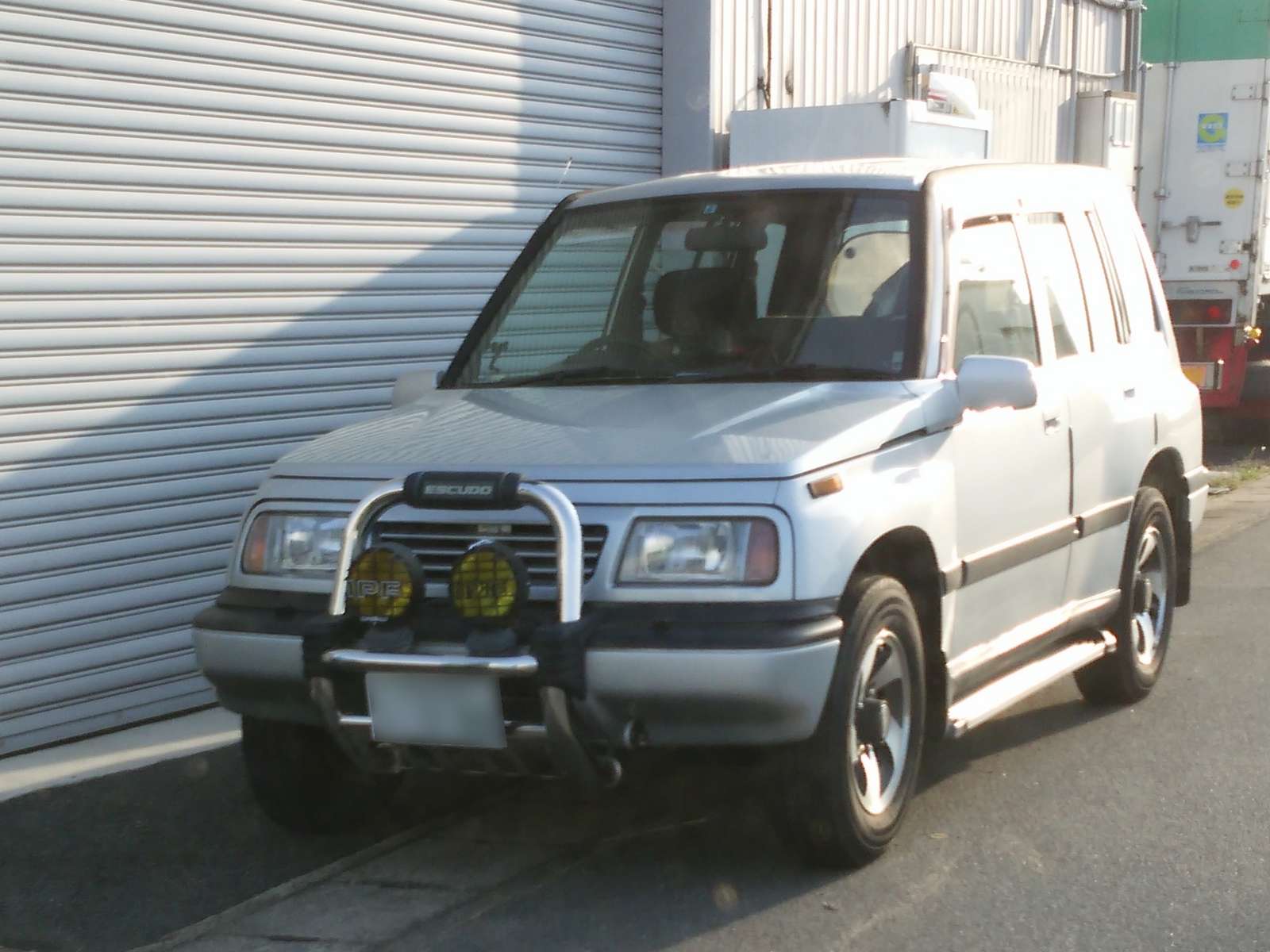
A healthy petrol engine should start cleanly, idle steadily and maintain temperature. Check coolant condition, oil leaks, cambelt history where applicable and evidence of overheating. Carburettor problems and improvised conversions can create hesitation that owners wrongly blame on the four-wheel-drive system.
Frame, body and corrosion
Inspect the ladder frame from front to rear, concentrating on body mounts, suspension points, crossmembers, fuel-tank area and welded repairs. Examine sills, floors, inner wings, rear arches, tailgate, door bottoms and screen surrounds. Off-road mud and salt can remain trapped between body and chassis.

Soft-top cars need dry carpets, intact drainage and a complete hood frame. Replacement vinyl is useful, but poor fit can allow persistent water entry. A brightly painted body can still sit on a dangerously weakened frame, so an underside inspection is essential.
Four-wheel drive and transmission
Test the gearbox, clutch, transfer case and both high and low range. Part-time four-wheel drive should be engaged only on loose surfaces; transmission wind-up on dry tarmac suggests misuse. Listen for differential and wheel-bearing noise, inspect propshaft universal joints and confirm that front hubs engage correctly.
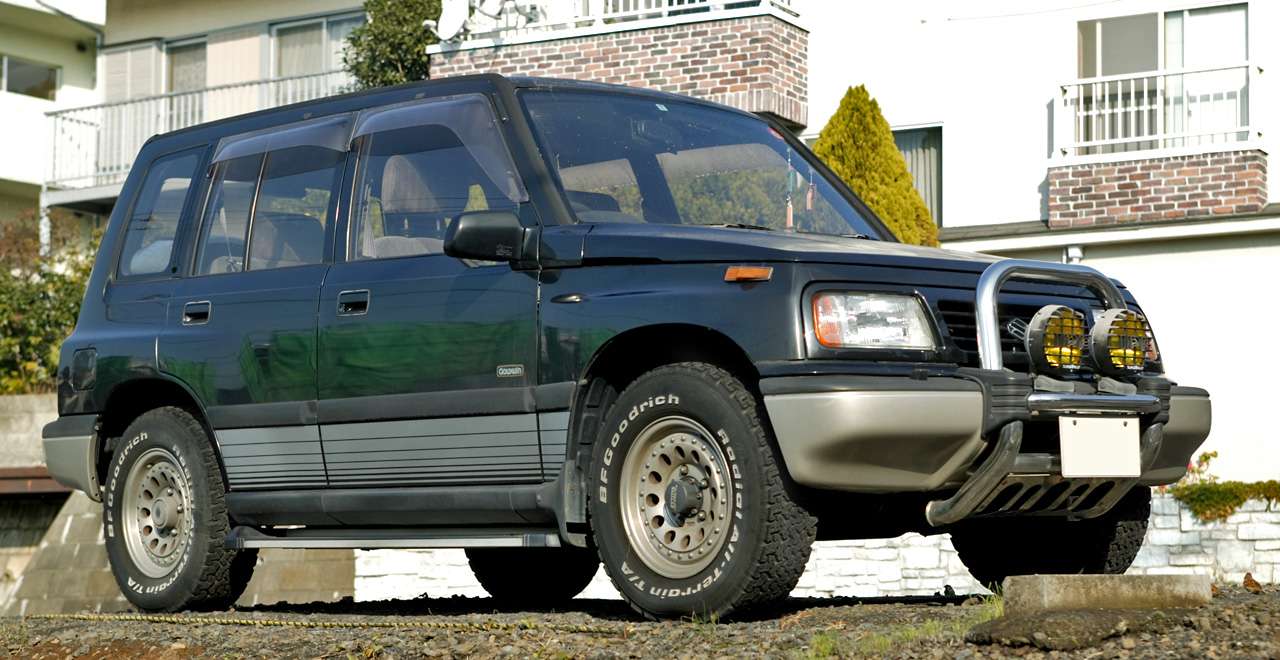
Automatic transmissions and less common engines require specialist checks and reliable parts sources. Fluid condition, cooling and smooth engagement matter more than low displayed mileage. Imports should have credible odometer and registration histories.
Suspension, steering and modifications
Check ball joints, bushes, dampers, wheel bearings and steering free play. Lift kits, oversized tyres and body lifts are common; each should be supported by receipts and correct geometry. Poor modifications increase driveshaft angles, braking distances and stress on the frame.

On the road a standard Vitara is not a modern crossover. Expect leisurely performance, noticeable wind noise and a short-wheelbase ride, but not wandering steering, severe vibration or braking instability. Those symptoms indicate faults, not character.
Choosing an original Vitara
Original trim, bumpers, wheelarch extensions, wheels and convertible fittings are becoming important because modified examples are plentiful. The best car combines a sound structure, working low range, documented maintenance and a specification suited to its intended use.
Sources and further reading
Continue the Suzuki story
The original Vitara brought genuine four-wheel-drive engineering to the emerging compact SUV market. Explore the Suzuki hub, the Jimny guide, the SC100 guide.
Frequently asked questions
When was the first Suzuki Vitara launched?
Suzuki launched the original Escudo/Vitara in 1988; the longer five-door version followed in 1990.
Are Vitara, Escudo and Sidekick the same vehicle?
They are names used for closely related versions of Suzuki’s first-generation compact four-wheel drive, but engines, trim and regulations differ by market.
Does the original Vitara have low-range four-wheel drive?
Yes. Most first-generation models use selectable part-time four-wheel drive with a two-speed transfer case.
What is the biggest problem on an old Vitara?
Structural corrosion in the separate frame and body is the most serious risk, particularly where mud and road salt have been trapped.
What should be checked before buying?
Inspect the frame and body, verify engine and market identity, test high and low range, hubs, gearbox and clutch, then assess cooling, steering, suspension, brakes, hood condition and every modification.