UNUSUAL CARS MODEL GUIDE
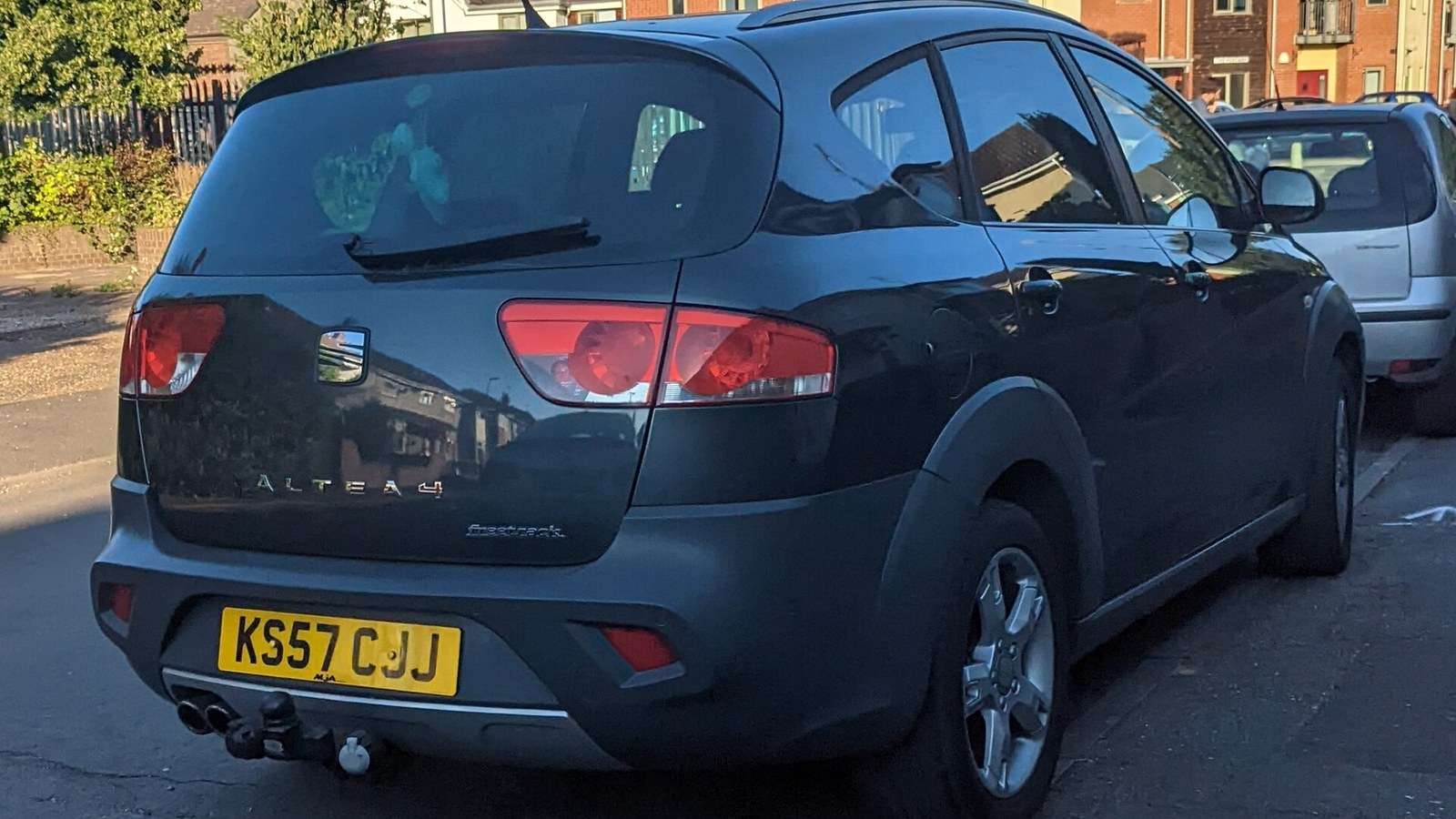
The SEAT Altea Freetrack was a compact MPV turned into a crossover before that formula became commonplace. Based on the long-wheelbase Altea XL, it added raised suspension, protective body cladding and, on the principal Freetrack 4 versions, Haldex-controlled four-wheel drive. British buyers could combine family-car space with either strong diesel torque or hot-hatch petrol power.
Featured image: SEAT Altea Freetrack TDI 4WD. Photograph by Calreyn88, CC BY-SA 4.0, via Wikimedia Commons; locally hosted.
From Altea XL to crossover
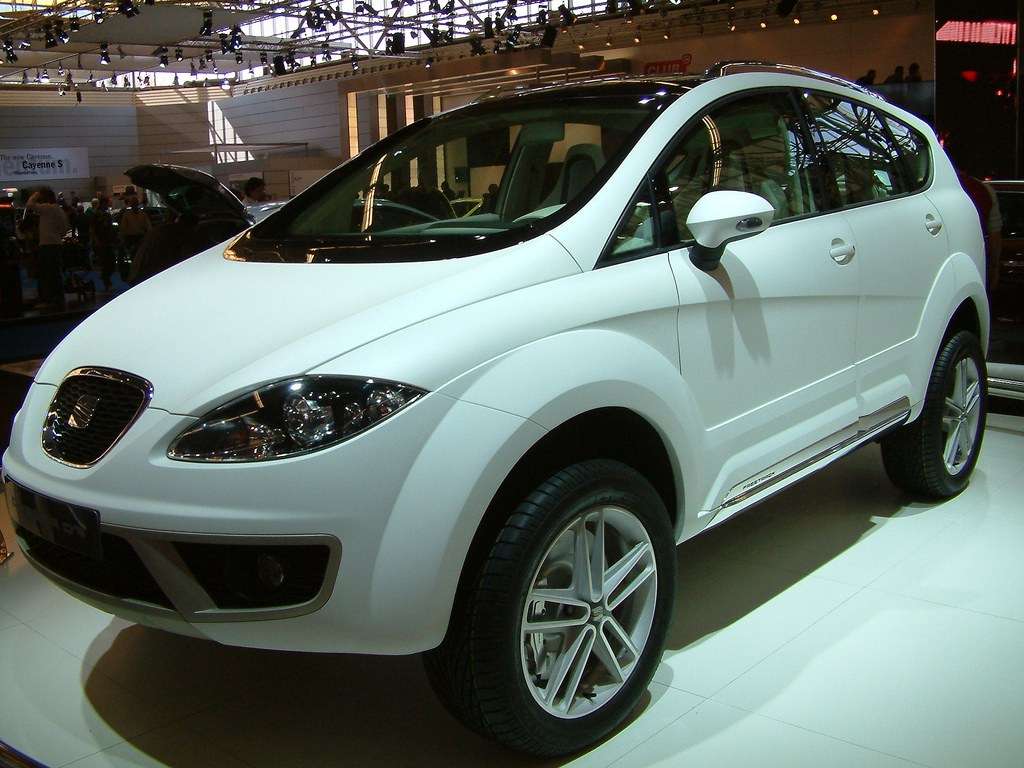
The standard Altea was SEAT’s distinctive compact people carrier, while the XL added rear overhang and luggage capacity. The Freetrack built on the XL with chunkier bumpers, wheelarch cladding, roof rails and extra ground clearance. A concept previewed the idea before the production car appeared in 2007.
It was not intended as a hard-core off-roader. Its strengths were poor-weather traction, a high seating position and family practicality, making it an early rival to the crossover estates and compact SUVs that later filled the market.
Models and specifications
| Version | Typical engine | Drive |
|---|---|---|
| Freetrack 4 TDI | 2.0-litre turbo diesel, with output varying by year | Haldex-controlled four-wheel drive |
| Freetrack 4 TSI | 2.0-litre turbo petrol, around 200–211 PS by year | Haldex-controlled four-wheel drive |
| Later/market variants | Lower-output diesel versions also existed | Some versions were front-wheel drive; verify the exact UK car |
Because specifications differ by year and market, buyers should confirm the engine code, gearbox and rear driveline rather than treating every cladded Altea as an identical Freetrack 4.

Love cars you don’t see every day?
Get forgotten cars, surprising motoring stories and the most interesting finds from Unusual Cars by email.
Free to join. No spam. Unsubscribe whenever you like. See our privacy policy.
Engines and four-wheel drive
The turbo petrol gives the tall Freetrack pace comparable with a hot hatch, while the diesel suits long distances and towing. Petrol buyers should check cooling components, oil consumption, ignition and boost control. Diesel buyers need to inspect the DPF, EGR system, injectors, turbo and dual-mass flywheel.
The Haldex coupling requires the correct fluid service. Test the car on a safe loose or wet surface only where appropriate and investigate warning lights, mismatched tyre circumferences or noises from the rear driveline. A neglected system may leave the car effectively front-wheel drive.

Cabin and practicality
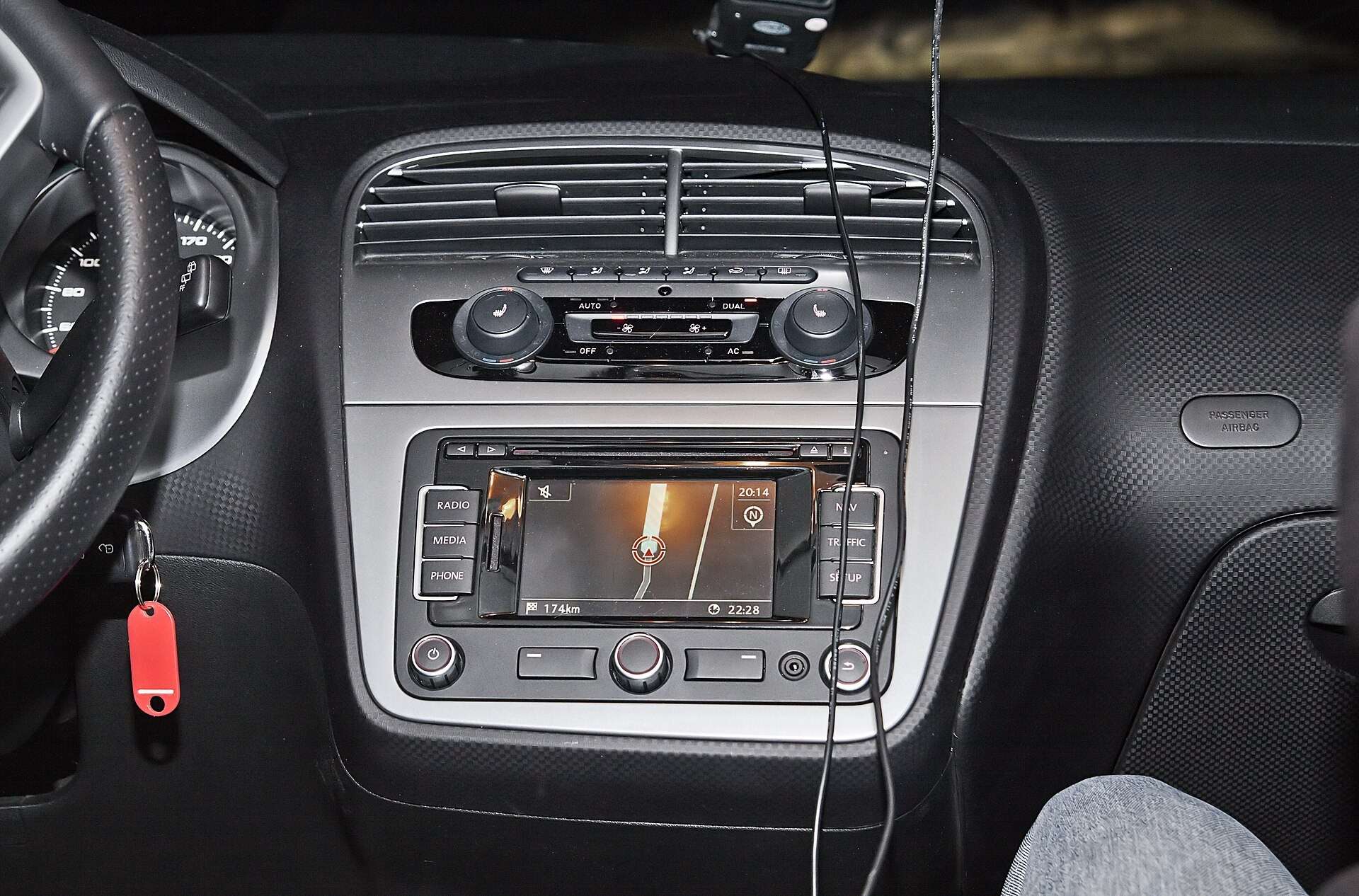
The upright cabin offers good visibility, a sliding rear bench on many versions and a large, square load area. The dashboard is functional rather than luxurious, but equipment can include climate control, cruise control, parking sensors and navigation.
Test every electrical function and inspect carpets, spare-wheel well and headlining for damp. Door seals, drains and tailgate leaks can create electrical and trim problems. Worn seat bolsters and damaged load-area plastics reveal hard family use.
Chassis, body and identity
Extra ride height does not make the suspension immune to potholes or kerbs. Listen for worn bushes, top mounts, wheel bearings and broken springs. Uneven tyres or steering pull suggest alignment, suspension or accident damage.
Inspect the cladding and bumpers for missing clips, cracks and hidden repairs. Model-specific exterior parts are less common than ordinary Altea panels. Confirm that the wheels, underbody protection, rear driveline and badges match the recorded specification.

Buying checklist
Prove it is a Freetrack 4
Use the VIN, handbook, driveline inspection and service invoices. Similar-looking front-wheel-drive versions were sold in some markets.
Check every service schedule
Engine timing requirements, Haldex fluid, DSG fluid where fitted and diesel emissions maintenance all depend on the exact build.
Buy the best complete car
Special trim and four-wheel-drive parts can exceed the value of a neglected example. A complete car with continuous history is usually the economical choice.
Sources
Continue the SEAT story
The Freetrack shows SEAT experimenting with a fast, four-wheel-drive family crossover years before the Ateca made SUVs central to the range. Explore the complete SEAT hub. See the contemporary Leon Cupra R Mk2. Continue with the equally unusual SEAT Exeo.
Frequently asked questions
Is the SEAT Altea Freetrack a four-wheel-drive car?
Principal Freetrack 4 versions use Haldex-controlled four-wheel drive, but front-wheel-drive variants existed in some years and markets, so verify the exact car.
Which engines were sold in the Freetrack?
The range included 2.0-litre turbo petrol and 2.0-litre TDI diesel engines, with outputs varying by year and market.
Is it based on the Altea XL?
Yes. The Freetrack uses the longer Altea XL body with raised suspension, protective cladding and crossover-specific details.
What should buyers check on the four-wheel-drive system?
Look for proof of Haldex fluid servicing, matched tyres, no warning lights and quiet operation from the rear driveline.
What are the main ownership risks?
Check engine-specific timing and cooling needs, diesel emissions equipment, gearbox or clutch condition, suspension wear, water ingress and scarce model-specific trim.