UNUSUAL CARS MODEL GUIDE
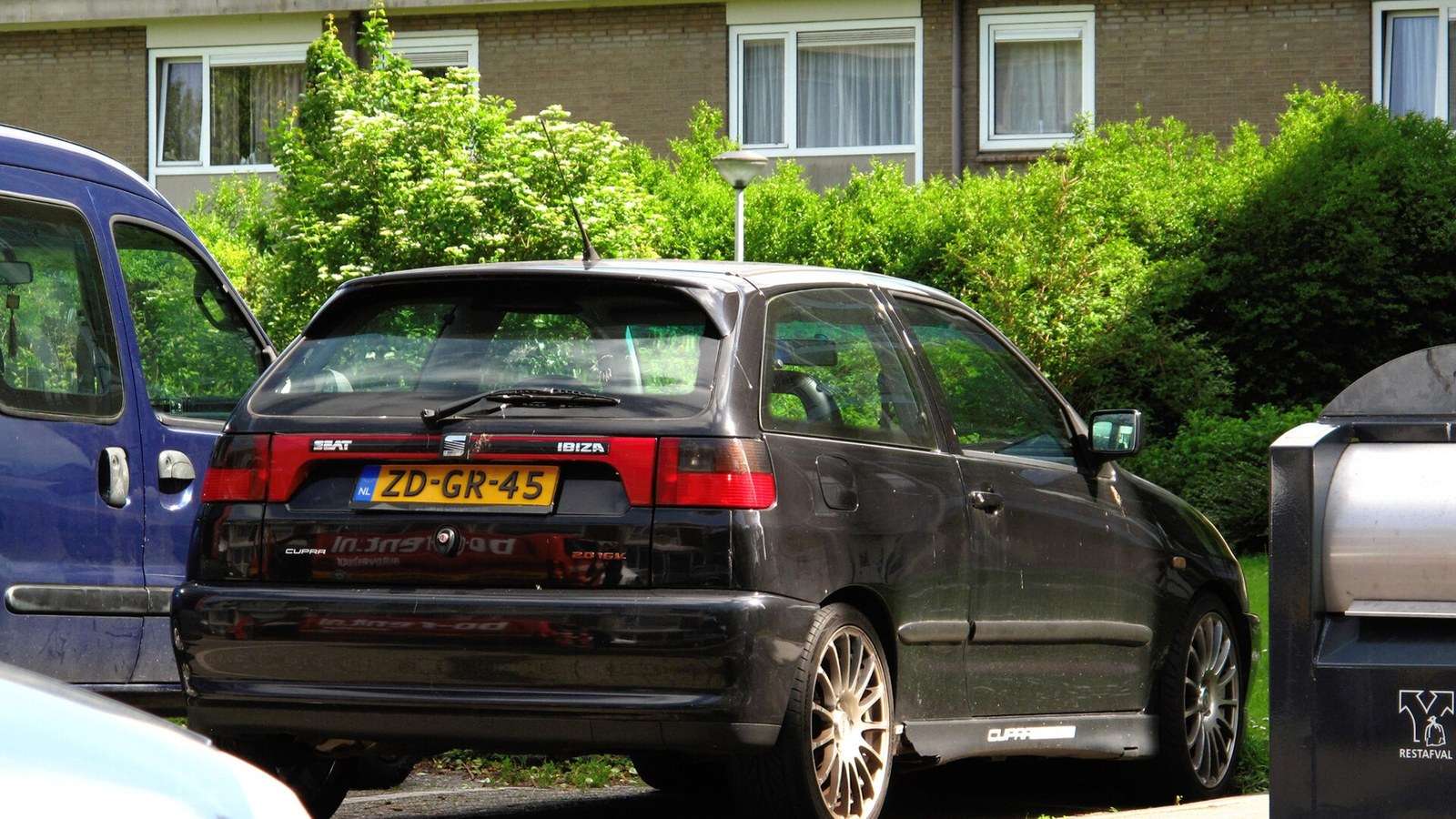
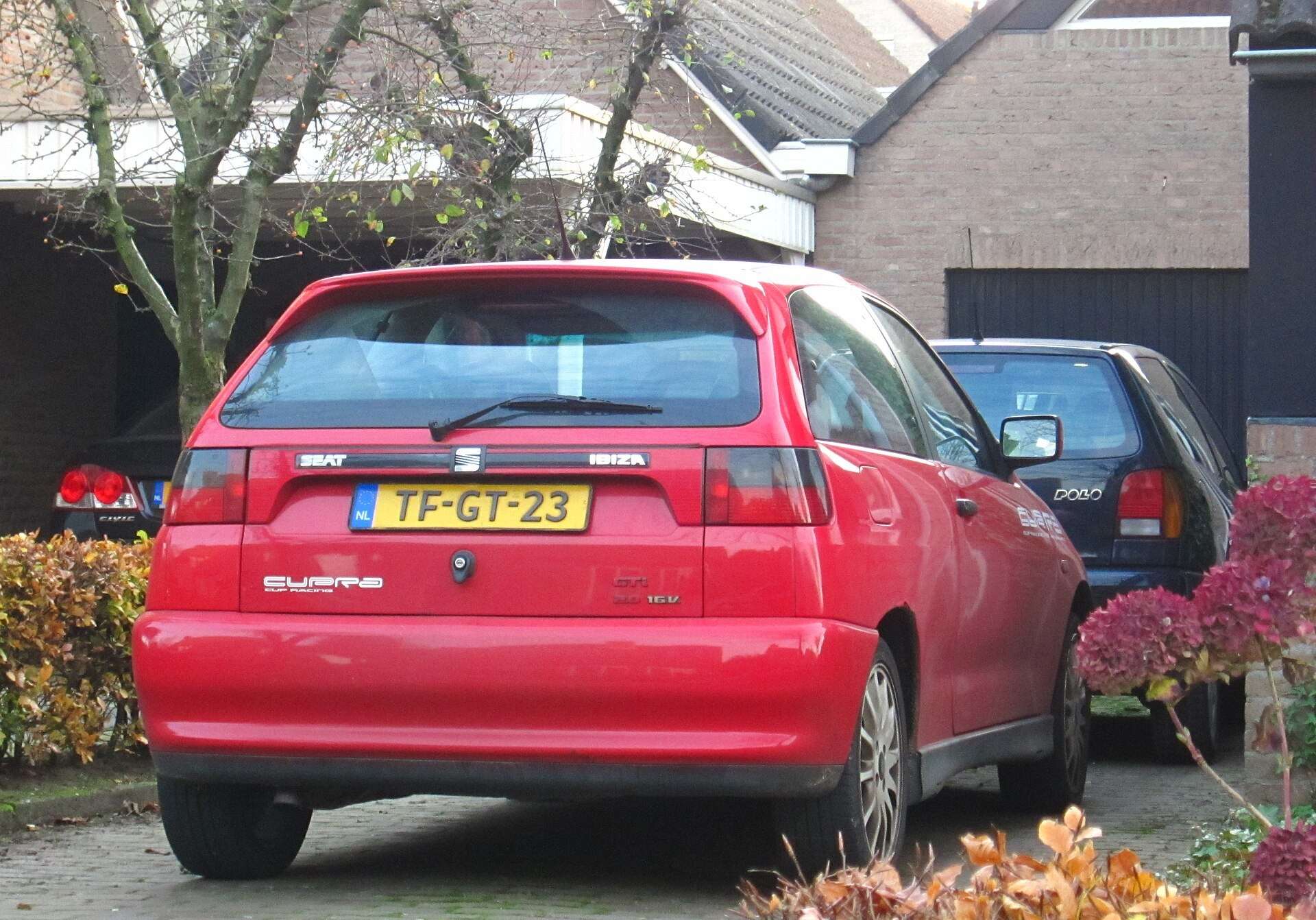
The first SEAT Ibiza Cupra arrived in 1996 and gave a lasting name to the brand’s fastest road cars. The original 2.0-litre 16-valve model combined compact dimensions with naturally aspirated character; the facelifted 1.8T Cupra added turbocharged torque, and the limited Cupra R made the formula rarer and more serious.
Featured image: 1999 SEAT Ibiza 2.0 16V GTI Cupra. Photograph by Rutger van der Maar, CC BY 2.0, via Wikimedia Commons; locally hosted.
The birth of Cupra
SEAT created the Cupra name from “Cup Racing” after the Ibiza Kit Car’s international rally success. The 1996 road car gave buyers a compact hot hatch with a 2.0-litre 16-valve engine, close-ratio five-speed gearbox and a deliberately understated body.
This was more than a special edition. Cupra became the label for SEAT’s most focused road cars and ultimately developed into a separate brand. The 6K Ibiza therefore matters even to enthusiasts who normally overlook 1990s superminis.
Models and specifications
| Version | Engine and output | Character |
|---|---|---|
| Ibiza GTI Cupra | 2.0-litre 16V, 150 PS | Naturally aspirated original, launched in 1996. |
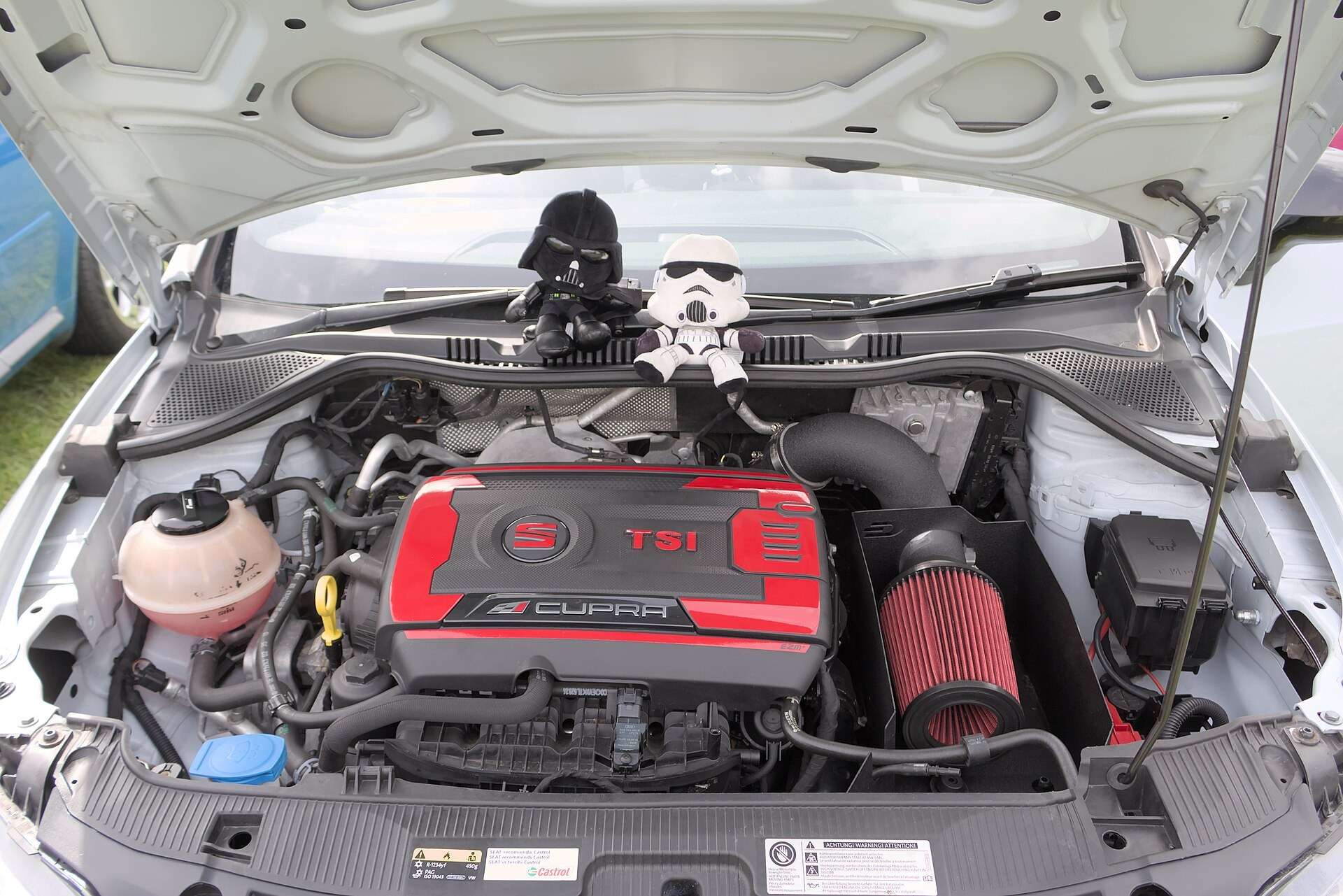
| Ibiza Cupra facelift | 1.8-litre 20V turbo, 156 PS | Stronger mid-range torque and revised 6K2 styling. |
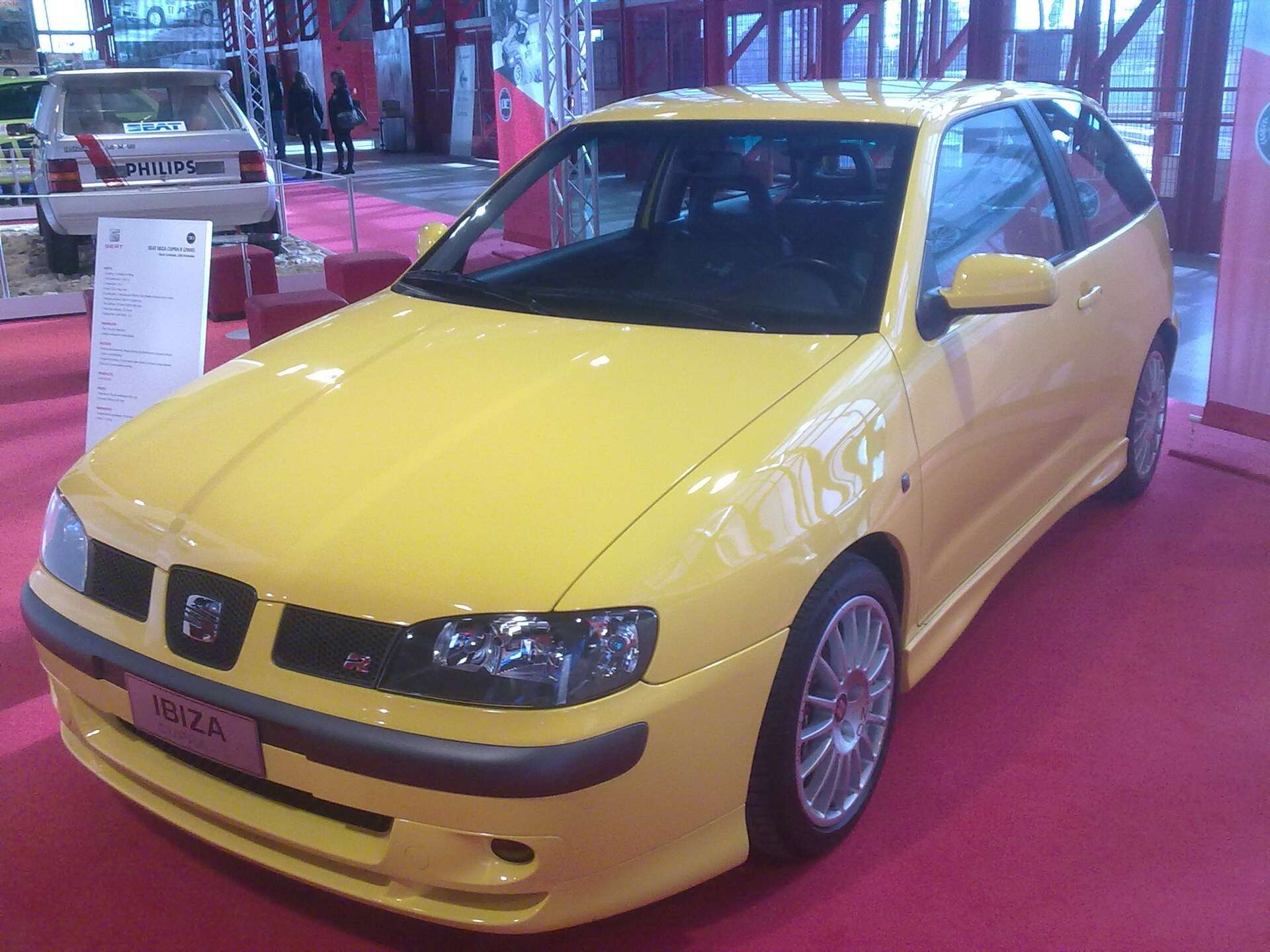
| Ibiza Cupra R | 1.8-litre 20V turbo, 180 PS | Limited, more focused derivative with SEAT Sport influence. |
All are front-wheel-drive three-door hatchbacks with manual gearboxes. The naturally aspirated car rewards revs and momentum; the turbo cars feel faster in everyday driving and respond readily to tuning, which makes finding an unmodified example difficult.

Love cars you don’t see every day?
Get forgotten cars, surprising motoring stories and the most interesting finds from Unusual Cars by email.
Free to join. No spam. Unsubscribe whenever you like. See our privacy policy.
From 2.0 16V to 1.8 turbo
The early ABF-family 2.0 16V is robust when serviced and gives the first Cupra a crisp, period hot-hatch character. Check for oil leaks, cooling-system neglect, worn engine mounts and poor idle. Cambelt history remains important even if mileage is low.
The facelift switched to the Volkswagen Group 1.8T engine. Healthy cars pull evenly and should not smoke, surge or hesitate. Inspect vacuum and breather hoses, diverter valve, coil packs, airflow meter and turbo plumbing. Modified boost software should be supported by credible invoices and appropriate maintenance.
Cupra R and rally connection
The Cupra R was produced in small numbers and is the most collectible road version. Its value has encouraged replicas, so check the vehicle identity, engine specification, brakes, wheels, interior and original documentation. Do not rely on body colour or badges.
The model’s credibility came from SEAT Sport. The Ibiza Kit Car won the FIA 2-Litre World Rally Cup in 1996, 1997 and 1998, creating a direct competition story around the Cupra badge even though the road car was not a homologation special in the traditional sense.
Body, chassis and cabin
Rust can affect sills, floors, rear arches, door bottoms, jacking points, suspension mounts and the metal around the windscreen. Many cars have had low-speed damage or poor paintwork, so compare panel gaps and inspect behind bumpers and arch liners.
Suspension bushes, ball joints, dampers, wheel bearings and engine mounts wear with age. The car should feel light and precise, not loose or nervous. Inside, look for original seats, steering wheel, gearknob and trim. Test windows, central locking, sunroof where fitted, instruments and heater controls.

Buying strategy
Identify the model
Use the VIN, engine code, service book and period invoices. A normal Ibiza can acquire Cupra bumpers and badges; the underlying specification is what matters.
Value originality
Period modifications are common, but cut springs, oversized wheels, loud exhausts and undocumented engine work reduce confidence. Standard parts supplied with the car are valuable.
Inspect before restoring
Body repairs, model-specific trim and a tired interior can cost more than mechanical recommissioning. A complete, honest car is normally a better purchase than a cheaper project with missing Cupra details.
Sources
Continue the SEAT story
The first Ibiza Cupra connected SEAT’s rally success with an attainable road car and introduced a performance name that still defines the company. Explore the complete SEAT hub. Continue with the Leon Cupra R Mk1. See SEAT’s unusual Exeo compact executive car.
Frequently asked questions
When did the first SEAT Ibiza Cupra appear?
The first Ibiza Cupra road car was launched in 1996.
What engine is in the original Ibiza Cupra?
The original GTI Cupra uses a naturally aspirated 2.0-litre 16-valve engine producing 150 PS.
How is the facelift Cupra different?
The facelifted 6K2 Cupra uses a turbocharged 1.8-litre 20-valve engine producing 156 PS.
How much power does the Ibiza Cupra R have?
The limited Cupra R version produces 180 PS from its 1.8-litre turbo engine.
What should buyers inspect first?
Confirm the car’s identity, then check for rust, accident repairs, poor modifications, missing Cupra trim and incomplete cambelt history.