UNUSUAL CARS MODEL GUIDE
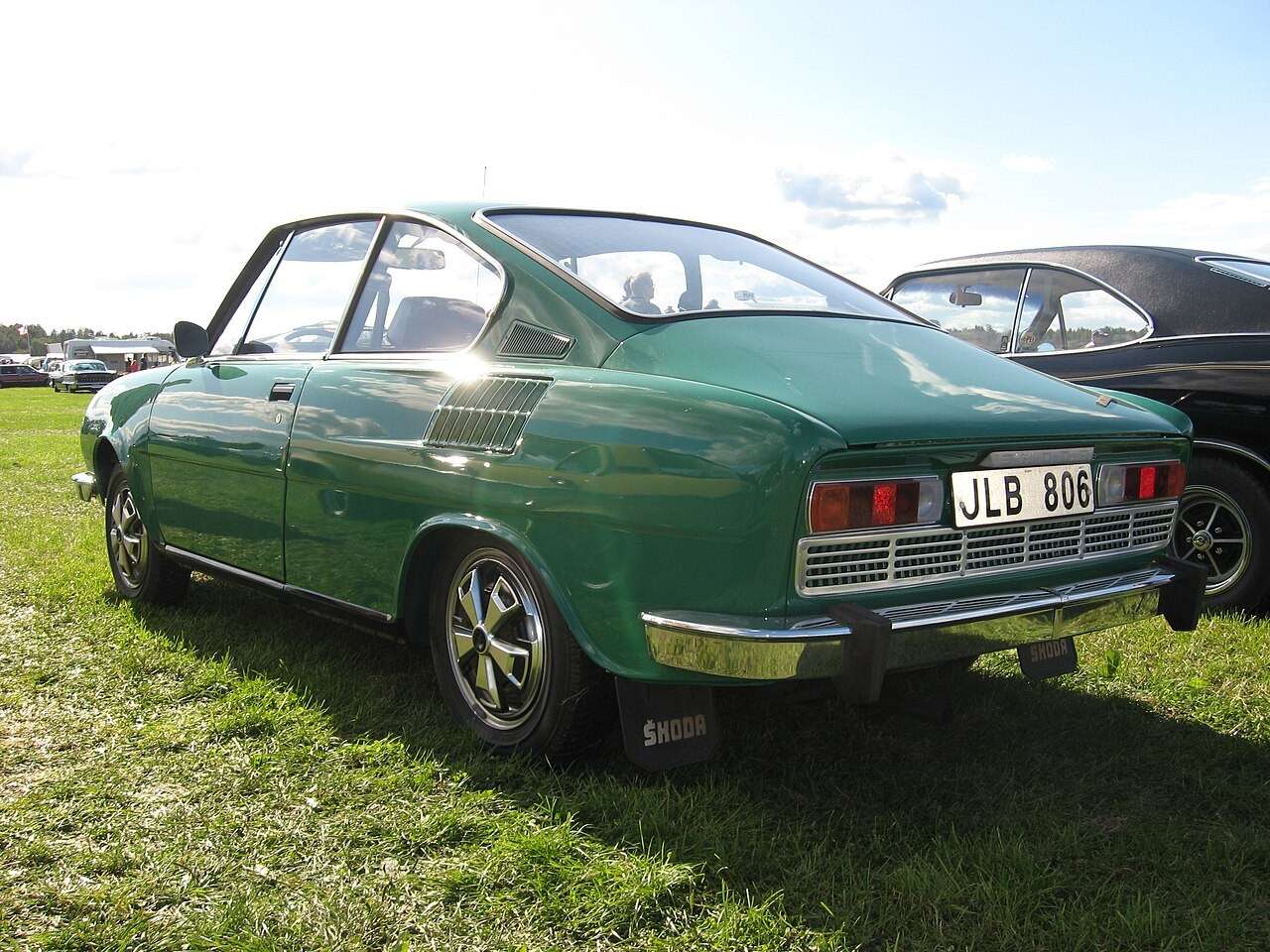
The Škoda 110 R was a sleek rear-engined coupé built from 1970 to 1980. With frameless side glass, a sloping roof and a twin-carburettor 1.1-litre engine behind the rear axle, it turned Škoda’s practical saloon hardware into one of eastern Europe’s most memorable sporting road cars.
Featured image: Škoda 110 R coupé. Photograph by Jiří Sedláček, CC BY-SA 4.0, via Wikimedia Commons; locally hosted.
From 100/110 saloon to sporting coupé
Škoda developed the 110 R alongside the 100 and 110 saloons. Production began at Kvasiny in 1970, where the lower-roofed two-door body received a more rakish windscreen, long doors with frameless windows and a fastback-style rear profile.
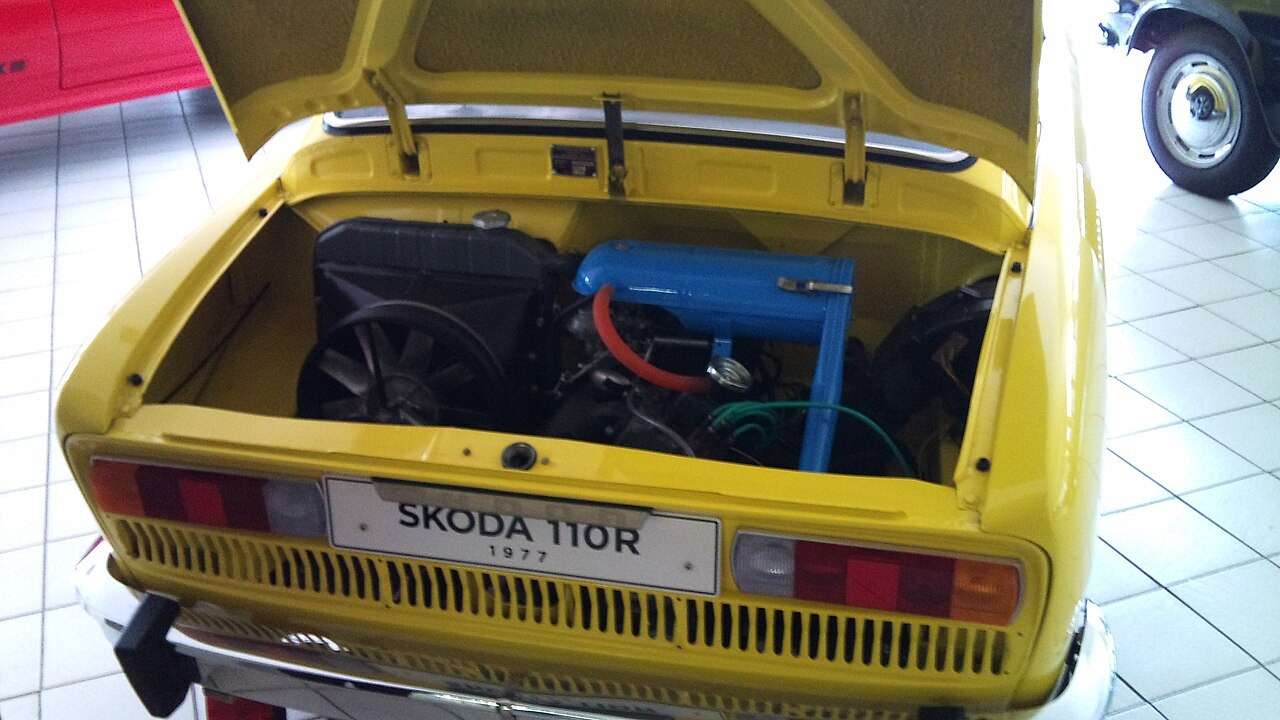
The layout remained resolutely Škoda: water-cooled engine at the rear, rear-wheel drive and a luggage compartment in the nose. Most cars were exported, making the 110 R an unusually international product for the Czechoslovak manufacturer.
Engine, gearbox and performance
The 1,107cc four-cylinder used twin carburettors and a separate oil cooler. Official figures give 38 kW, or 52 PS, and a maximum speed of about 145 km/h. A four-speed manual gearbox transmitted power to the rear wheels.
Those numbers sound modest, but the 110 R’s appeal lies in its low weight, compact dimensions and the sensation of a rear-engined coupé working hard. Correct carburettor balance, cooling and ignition setup make a large difference to how the car drives.
Cabin and packaging
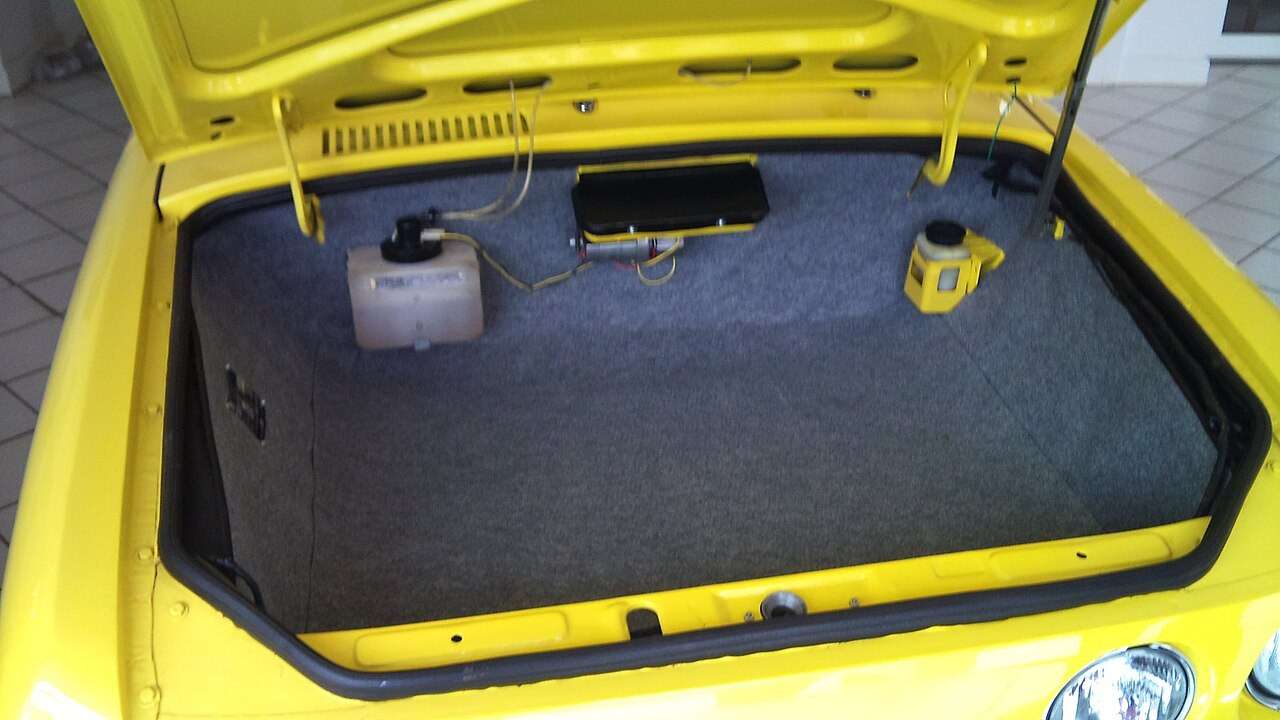
The dashboard places a broad instrument cluster ahead of the driver, while the low roof and two-door body make the cabin feel more special than the related saloon. The front compartment carries luggage and the fuel tank; space is useful but shaped by the spare wheel and mechanical components.

Love cars you don’t see every day?
Get forgotten cars, surprising motoring stories and the most interesting finds from Unusual Cars by email.
Free to join. No spam. Unsubscribe whenever you like. See our privacy policy.
The foundation of the RS legend
The 110 R body and mechanical concept became the starting point for increasingly serious competition projects. The 180 RS and 200 RS prototypes explored larger engines, while the 130 RS refined the idea into an internationally successful rally and circuit car.
That connection can tempt owners to apply competition styling to road cars. Period modifications can be attractive, but originality, documentation and reversibility matter when the base car is scarce.

Škoda 110 R buying guide
Body and structure
Inspect sills, floors, inner arches, suspension mounts, front luggage compartment, screen surrounds, door bottoms and the rear engine bay. Coupé doors, glass, trim and rear panels are harder to replace than routine mechanical components. Confirm that panel gaps and the roofline show no accident distortion.
Cooling and engine
The front radiator and rear engine rely on long coolant pipes. Look for leaks, corrosion, airlocks, weak fans and evidence of overheating. Check compression, oil pressure, carburettor balance and crankcase breathing. A hot engine should restart without drama.
Transmission and handling
Listen for gearbox and final-drive whine, check synchromesh and inspect driveshaft joints. Rear suspension wear or incorrect alignment can make handling unpredictable. Matching tyres of the correct size, sound dampers and tight steering joints are essential.
Authenticity and restoration
Compare chassis and engine details with the documents. Club knowledge is valuable because production changes are not always obvious. A complete, running car with a sound structure is usually safer financially than a dismantled project missing glass, brightwork or interior pieces.
Sources and further reading
Continue the Škoda story
The 110 R supplied the shape and architecture for Škoda’s competition legend. Explore the complete Škoda hub, then continue with the 130 RS, then compare the later Rapid coupé.
Frequently asked questions
When was the Škoda 110 R built?
Production ran from 1970 to 1980 at Škoda’s Kvasiny plant.
What engine does the Škoda 110 R use?
It has a rear-mounted 1,107cc water-cooled four-cylinder with twin carburettors, producing 38 kW or 52 PS.
How many Škoda 110 R coupés were built?
Škoda records total production of 57,085 cars.
Was the 110 R officially sold in Britain?
Yes. Most production was exported and the model reached western markets including the UK, although survivors are now rare.
What are the main buying checks?
Check structural rust, cooling-system condition, rear suspension geometry, gearbox and differential noise, engine originality and completeness of coupé-specific trim.