UNUSUAL CARS MODEL GUIDE
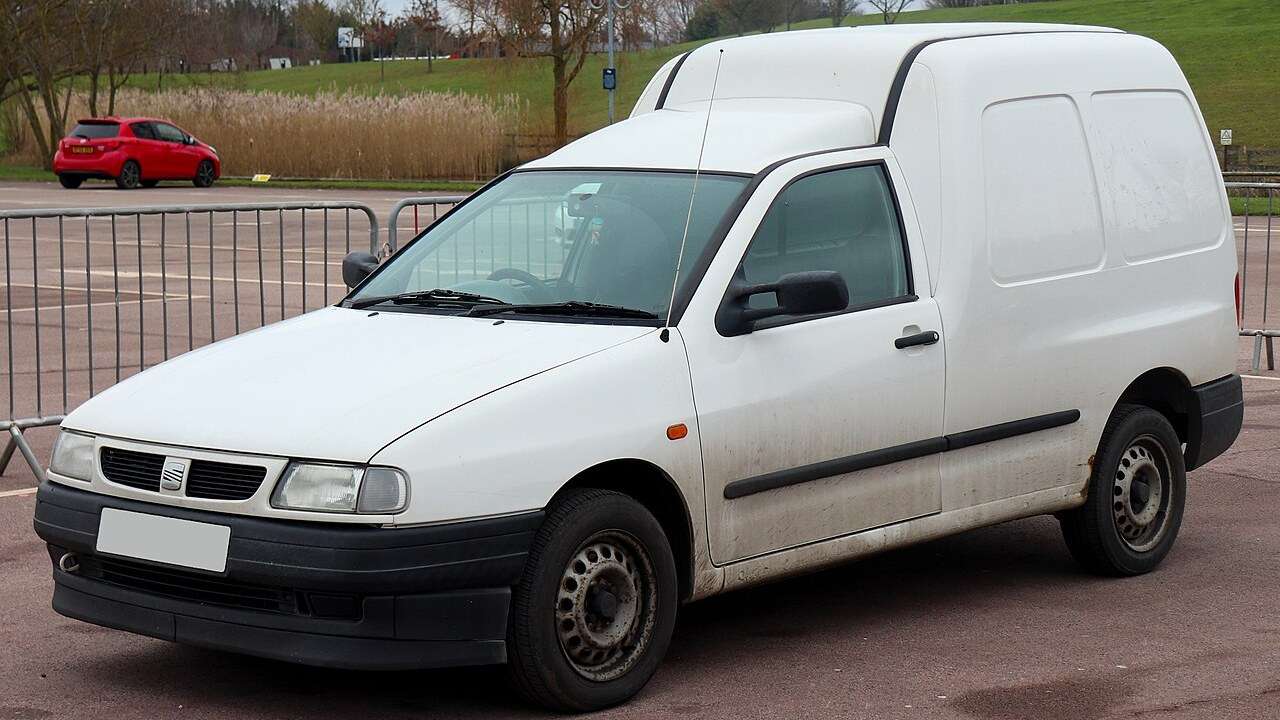
The SEAT Inca was the commercial derivative of the first-generation Cordoba and a close relative of the Volkswagen Caddy. Sold in Britain during the late 1990s and early 2000s, it offered a compact footprint, tall box body and asymmetrical rear cargo doors. The UK range became closely associated with the unhurried but economical 1.9 SDI diesel, a 64 PS workhorse now becoming an unusual survivor.
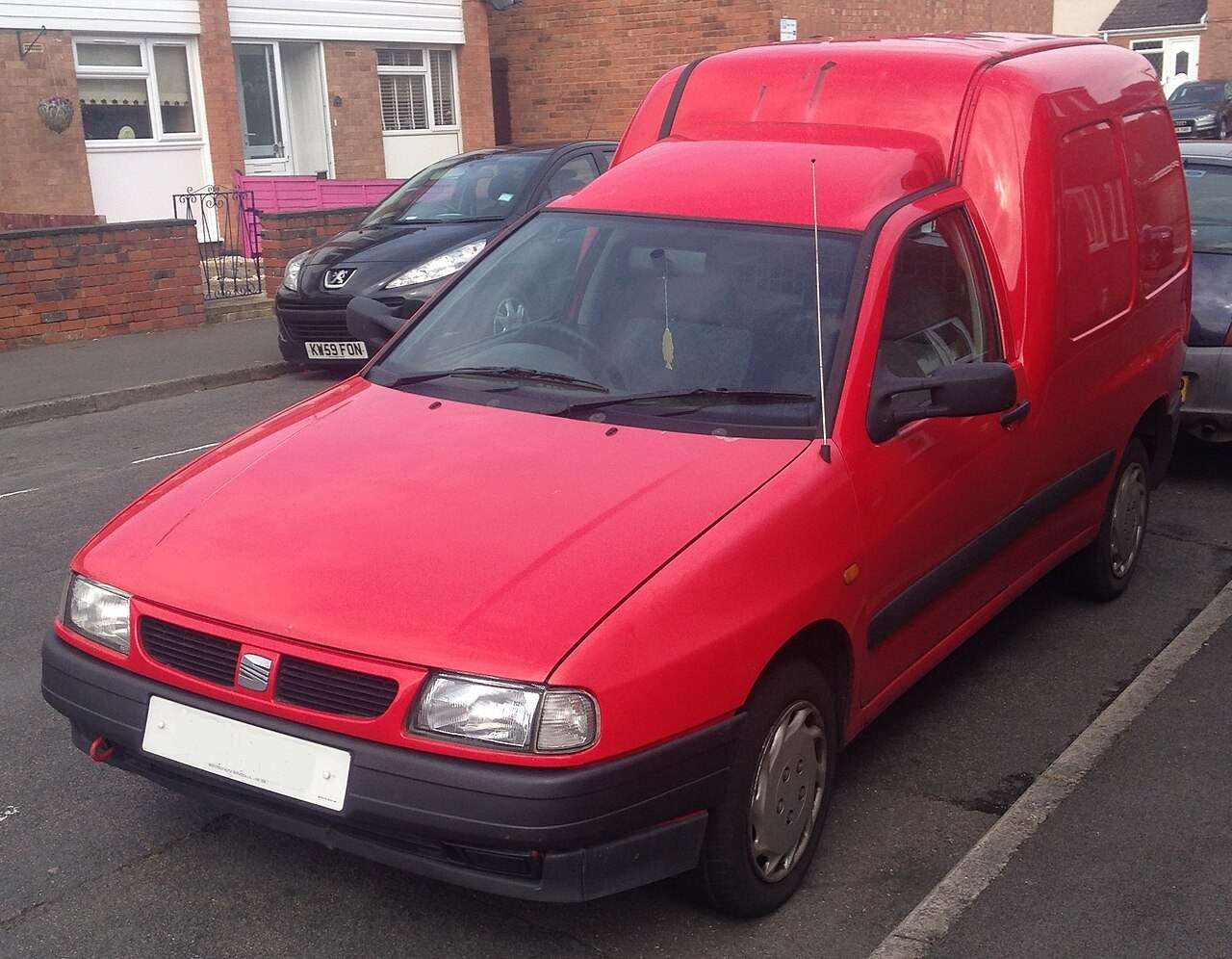
Featured image: 2002 SEAT Inca 1.9 SDI front three-quarter view. Photograph by Vauxford, CC BY-SA 4.0, via Wikimedia Commons; locally hosted.
A small van from SEAT’s Volkswagen era
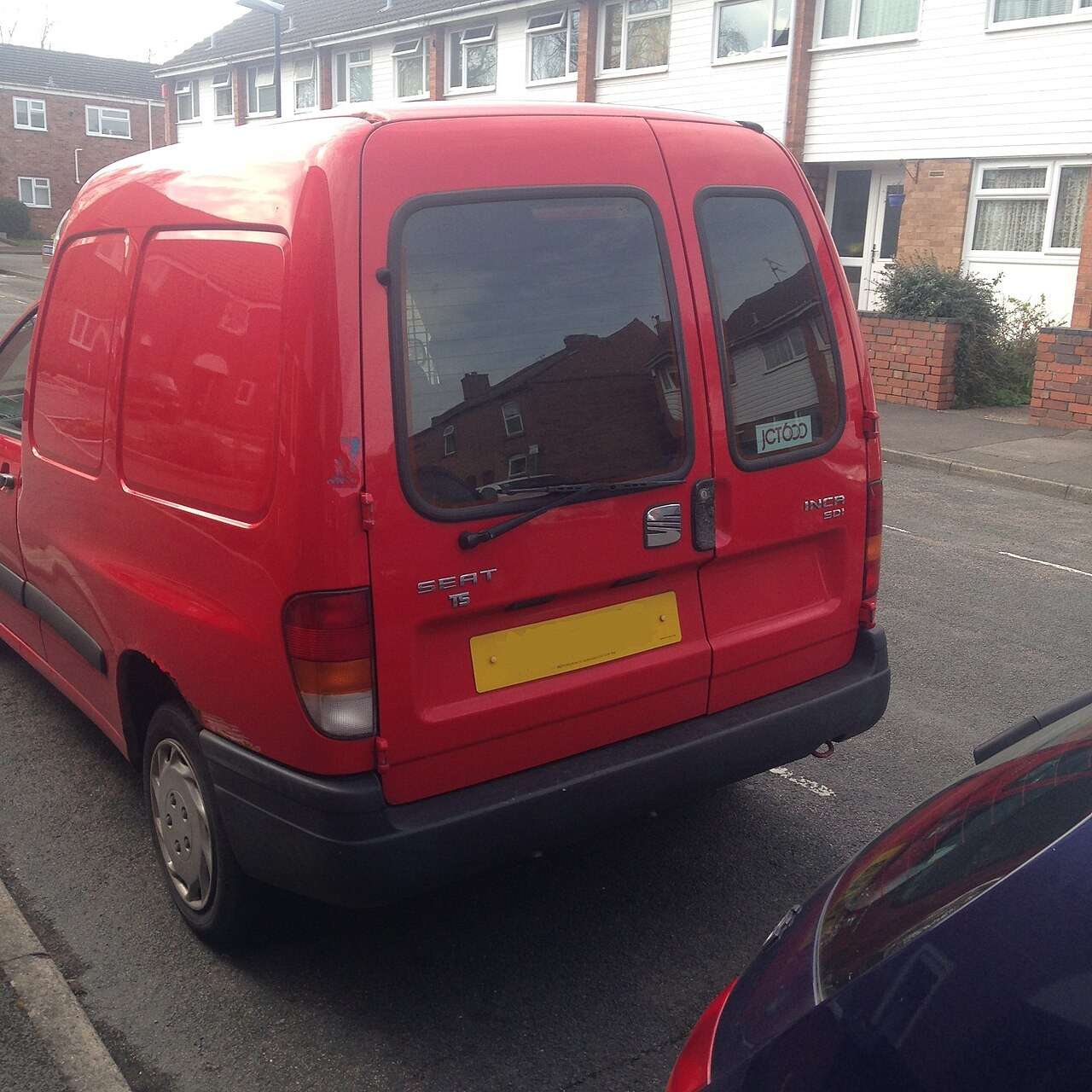
SEAT introduced the Inca in 1995 as a compact commercial vehicle based on the Cordoba/Ibiza family. Its cab and front structure came from the passenger car, while the rear body was redesigned around a tall, near-rectangular load compartment. SEAT’s official model history highlights the two unequal rear doors, intended to make loading easier in confined spaces.
The mechanically related Volkswagen Caddy broadened parts availability, but the two vans are not identical in every panel, trim or specification. Inca badges, grille pieces, lamps, door fittings and interior details are worth preserving because commercial vehicles often lost original parts during working lives.

UK engines and the 1.9 SDI
Period UK reporting described the 1.9-litre SDI as the core Inca engine, priced and positioned as a simple economy van. The naturally aspirated direct-injection diesel produces 47 kW, or 64 PS. With no turbocharger, performance is modest, but the design can cover high mileage when oil, cooling and timing-belt maintenance are kept current.
| Version | Context |
|---|---|
| 1.4 MPI petrol | 60 PS petrol listed in SEAT technical material; uncommon in Britain. |
| 1.9 SDI diesel | 64 PS naturally aspirated direct-injection diesel; principal late UK choice. |
| Other diesels | Market availability varied; confirm an individual van by engine code rather than assuming Caddy specifications. |
Some references conflate Inca and Caddy engines. A UK buyer should use the VIN label, engine code and registration history rather than accepting a generic online specification.
Love cars you don’t see every day?
Get forgotten cars, surprising motoring stories and the most interesting finds from Unusual Cars by email.
Free to join. No spam. Unsubscribe whenever you like. See our privacy policy.
Working-life damage and structural checks
Inspect the sills, jacking points, front chassis legs, suspension mounts, floor seams, rear spring and axle areas, inner arches and the full perimeter of the load floor. Repeated overloading can distort the rear structure and accelerate bush, spring, tyre and wheel-bearing wear. Fresh plywood or rubber lining may hide rust, water damage or crude repairs.
Open both rear doors and the side loading door where fitted. They should sit squarely, latch without being lifted and retain sound seals. Check the roof gutters and upper body seams. Accident repairs are common on working vans, so compare both sides, measure gaps and examine the cabin floor beneath mats.
Engine, gearbox and running gear
Start the diesel from cold. Excessive cranking, uneven running, heavy smoke or warning lights need proper diagnosis. Check the timing belt and tensioner, water pump, coolant condition, radiator, hoses, glow plugs, injection pump and evidence of oil leaks. A slow van should still accelerate cleanly and maintain temperature under load.
The gearbox should select every ratio without whine or baulking. Test clutch slip in a high gear and listen for driveshaft, CV-joint and wheel-bearing noise. Steering play, seized rear brakes, tired dampers and mismatched commercial tyres are common signs of cost-led maintenance.

Cabin, security and usefulness
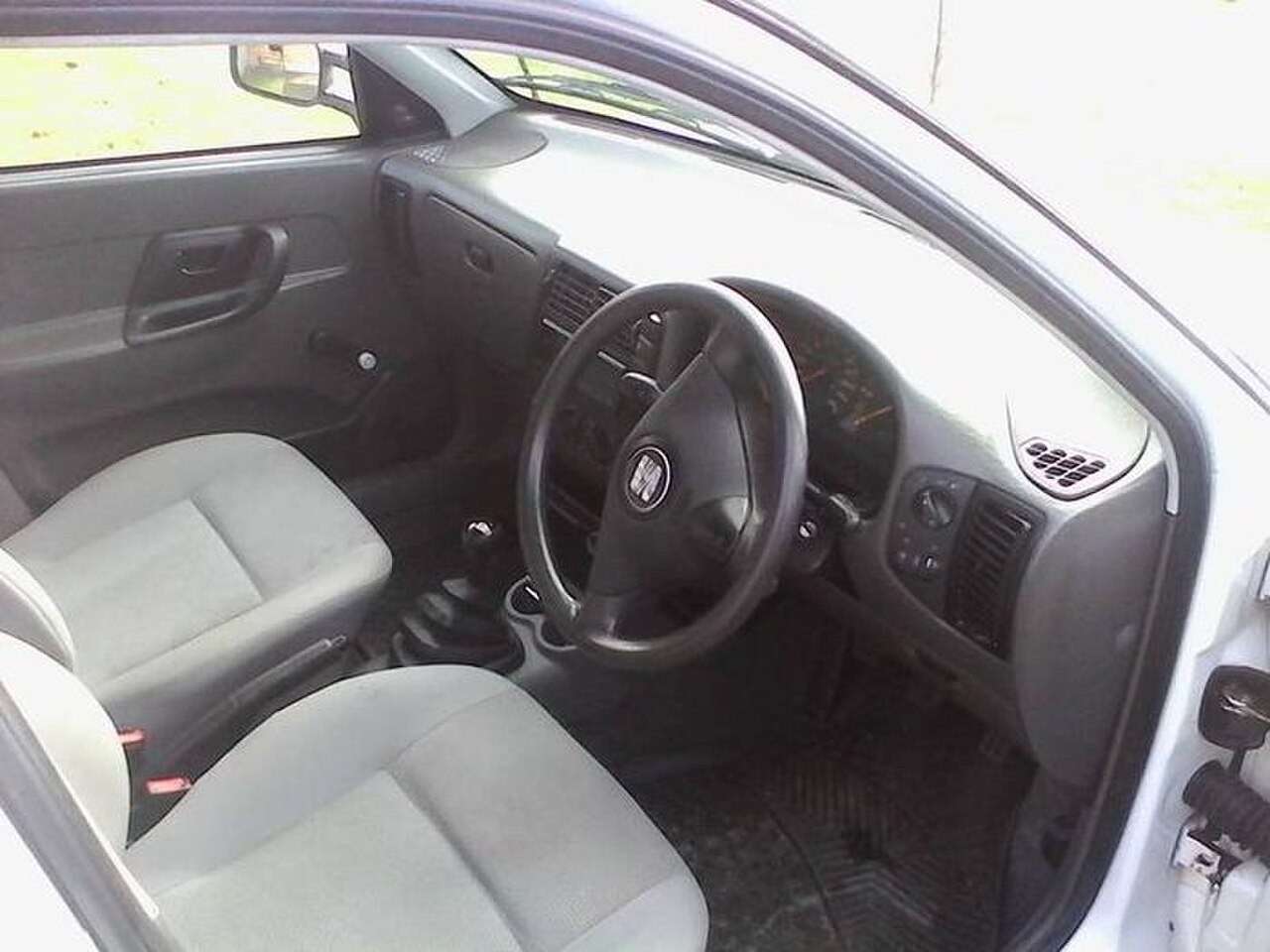
The cabin is simple but should not be neglected. Test the heater fan, wipers, washers, instruments, lights and every lock. Seat frames, belts and steering columns need particular attention after years of multi-driver use. Check that bulkhead, load restraint points and any shelving are secure and do not conceal damage.
Original keys and functioning deadlocks matter because rear-door mechanisms are model-specific. Confirm the vehicle’s plated weights and intended use before carrying heavy loads. For enthusiasts, an unmodified panel van with traceable history is generally more interesting than a poorly converted camper or promotional vehicle.
Buying checklist
Inspect it as a commercial vehicle
Assume hard work until the load floor, structure, suspension and service records prove otherwise.
Confirm the exact engine
Use the VIN and engine code because Caddy and continental specifications are frequently mixed into adverts.
Check every cargo opening
Misaligned doors, damaged seals and worn locks can be expensive to correct on a rare van.
Sources
- SEAT annual report: Inca model history
- Museo SEAT: Inca technical data
- Commercial Motor archive: UK Inca 1.9 SDI context
Continue the SEAT story
Explore more overlooked Spanish performance, family and utility cars in the complete SEAT hub.
Frequently asked questions
Was the SEAT Inca sold in Britain?
Yes. The compact panel van was offered in the UK during the late 1990s and early 2000s.
Which engine is most common in a UK Inca?
The 1.9-litre naturally aspirated SDI diesel, producing 64 PS, is the characteristic late UK version.
Is the SEAT Inca the same as a Volkswagen Caddy?
They are closely related and share many mechanical parts, but body, trim and market specifications are not identical.
Why are the rear doors different sizes?
SEAT designed two asymmetrical cargo doors to improve access and loading in restricted spaces.
What is the main buying risk?
Hard commercial use, structural corrosion, overloading damage and incomplete van-specific doors or trim are the main concerns.