UNUSUAL CARS MODEL GUIDE
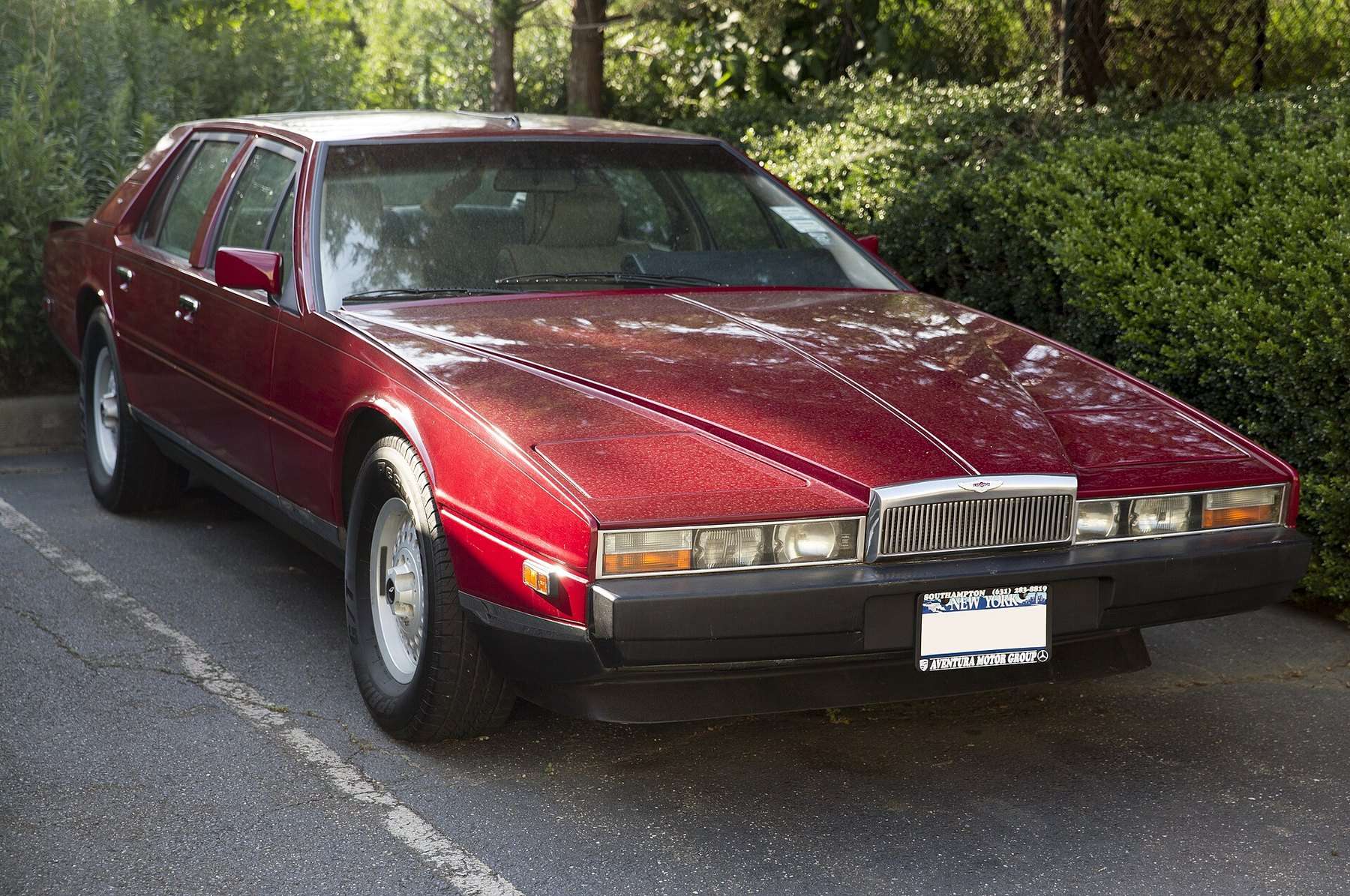
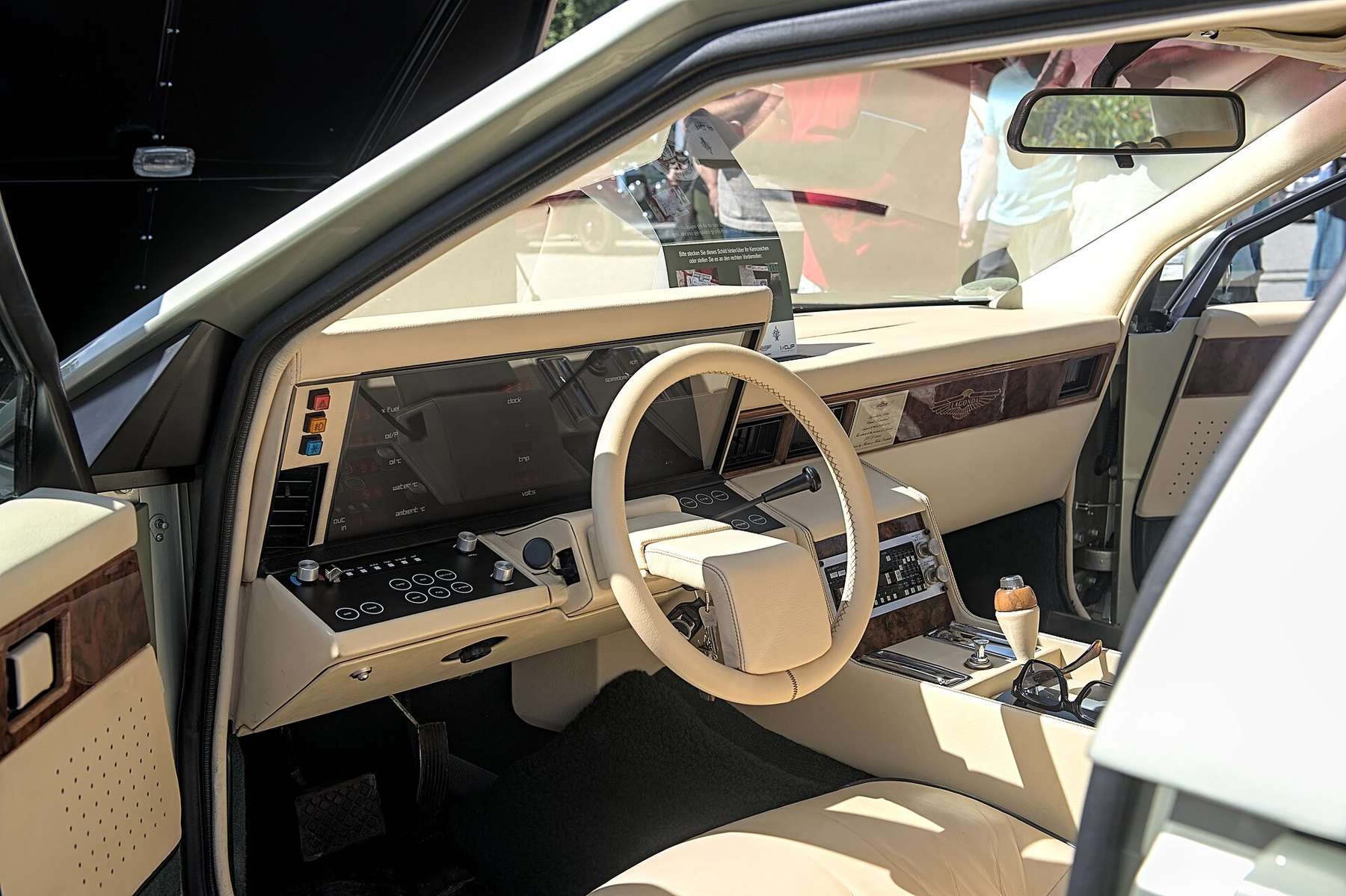
Few production cars look as uncompromising as the wedge-shaped Aston Martin Lagonda. William Towns drew a long, low four-door saloon whose electronic dashboard was almost as radical as its body. Announced in 1976, delayed by the ambition of its instrumentation and built in tiny numbers, it became both a symbol of Aston Martin’s survival and a warning about pioneering technology before it was mature.
Quick answer: the wedge Lagonda was produced in Series 2, 3 and 4 forms from the late 1970s to 1989. A 5,340 cc Aston Martin V8 drove through a three-speed automatic gearbox. Aston Martin records 645 chassis, with the 1987 Series 4 replacing pop-up headlamps and sharp edges with a cleaner rounded nose.
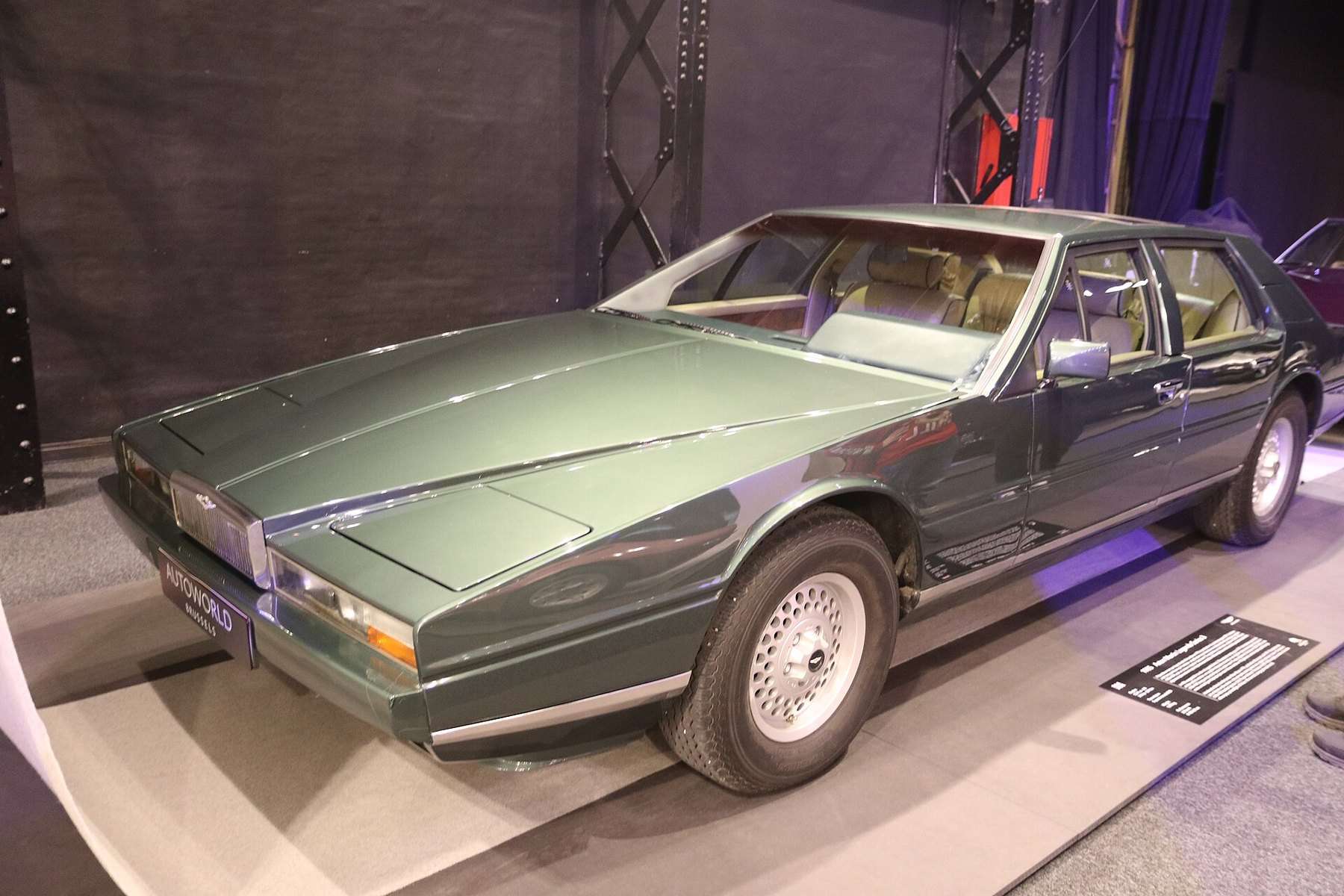
Featured image: 1984 Aston Martin Lagonda Series 2 front view. Photograph by Mr.choppers, CC BY-SA 3.0, via Wikimedia Commons; locally hosted.
The car that stopped the motor show
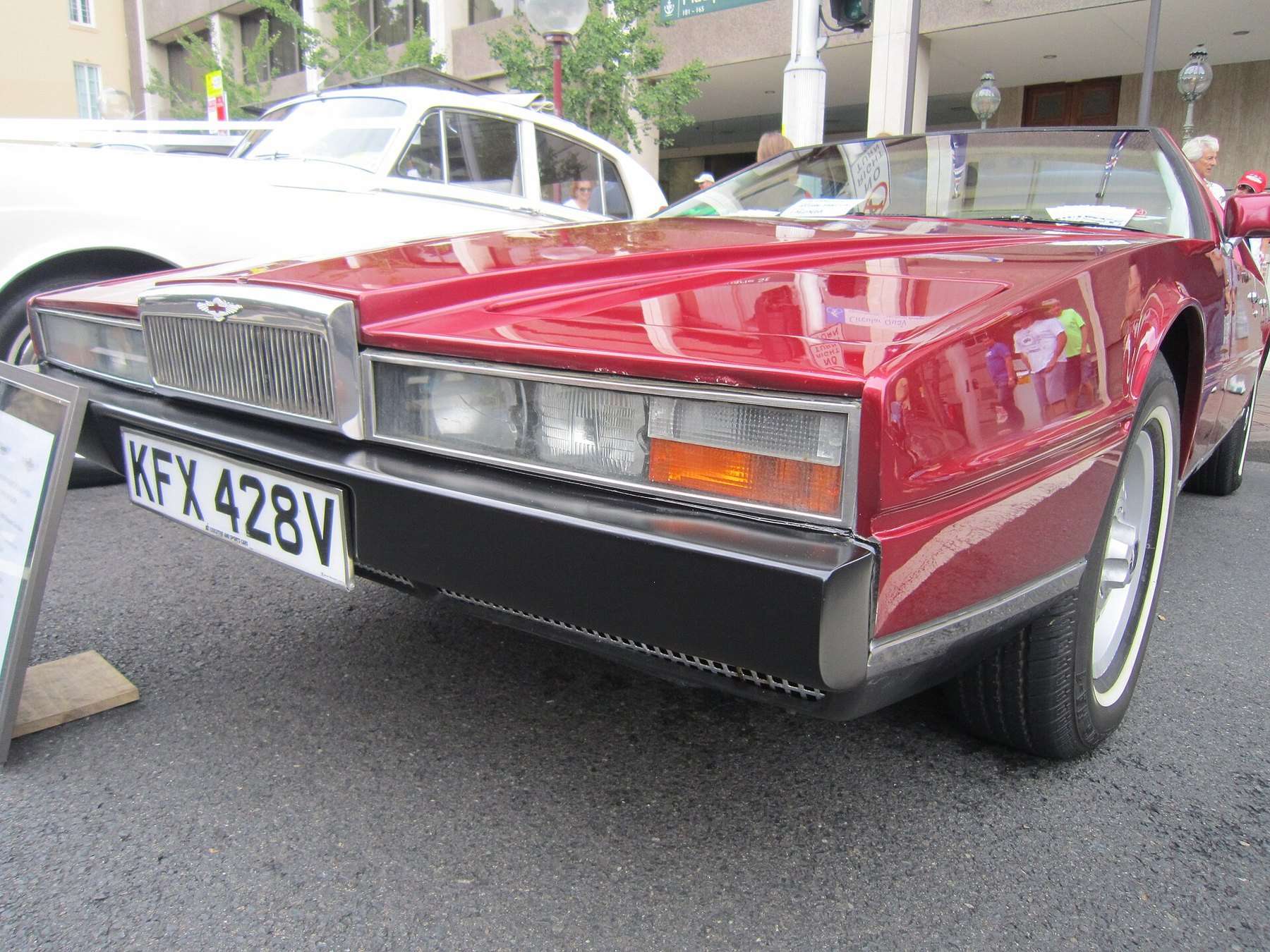
Aston Martin revealed the Towns-designed Lagonda in October 1976. Its folded-paper shape was unlike the company’s coupés and unlike any Rolls-Royce or Mercedes luxury saloon. The order book filled quickly, but the solid-state electronic instruments and touch-sensitive controls proved difficult to make production-ready; the first customer car was delivered in 1979.
The chassis and mechanical layout drew on Aston Martin experience, but the body, cabin and control philosophy were a deliberate leap forward. Each car required thousands of hours of hand work at Newport Pagnell.
Series 2, Series 3 and Series 4
| Series | Main distinction |
|---|---|
| Series 2 | Original wedge body with pop-up headlamps and changing generations of digital instrumentation |
| Series 3 | 1986 update with fuel injection and revised electronic displays |
| Series 4 | 1987 Towns restyle with rounded edges, six fixed headlamps and revised wheels |
| Tickford | More elaborate body colour, trim and entertainment equipment; limousine also offered |
Names are used inconsistently in the market, particularly where dashboards have been updated. A factory build record and specialist inspection are the safest way to establish the car’s original series and later modifications.
Love cars you don’t see every day?
Get forgotten cars, surprising motoring stories and the most interesting finds from Unusual Cars by email.
Free to join. No spam. Unsubscribe whenever you like. See our privacy policy.
Digital instruments and touch controls
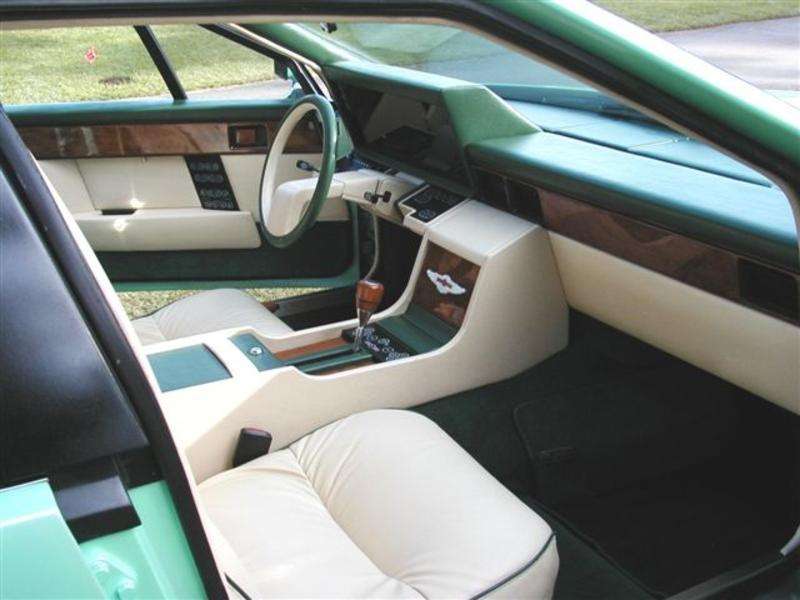
Early cars used LED displays and membrane switches; later systems changed to cathode-ray-tube and then fluorescent display technology. The details matter because repair techniques, components and appearance differ. A dashboard that lights is not necessarily a dashboard that works correctly: warning functions, gauges, climate control and switch responses all need to be tested.
Modern replacement electronics can improve reliability, but originality and documentation affect value. Ask who carried out any conversion, which original parts remain and whether the system can be supported.
Series 3 and Series 4 development
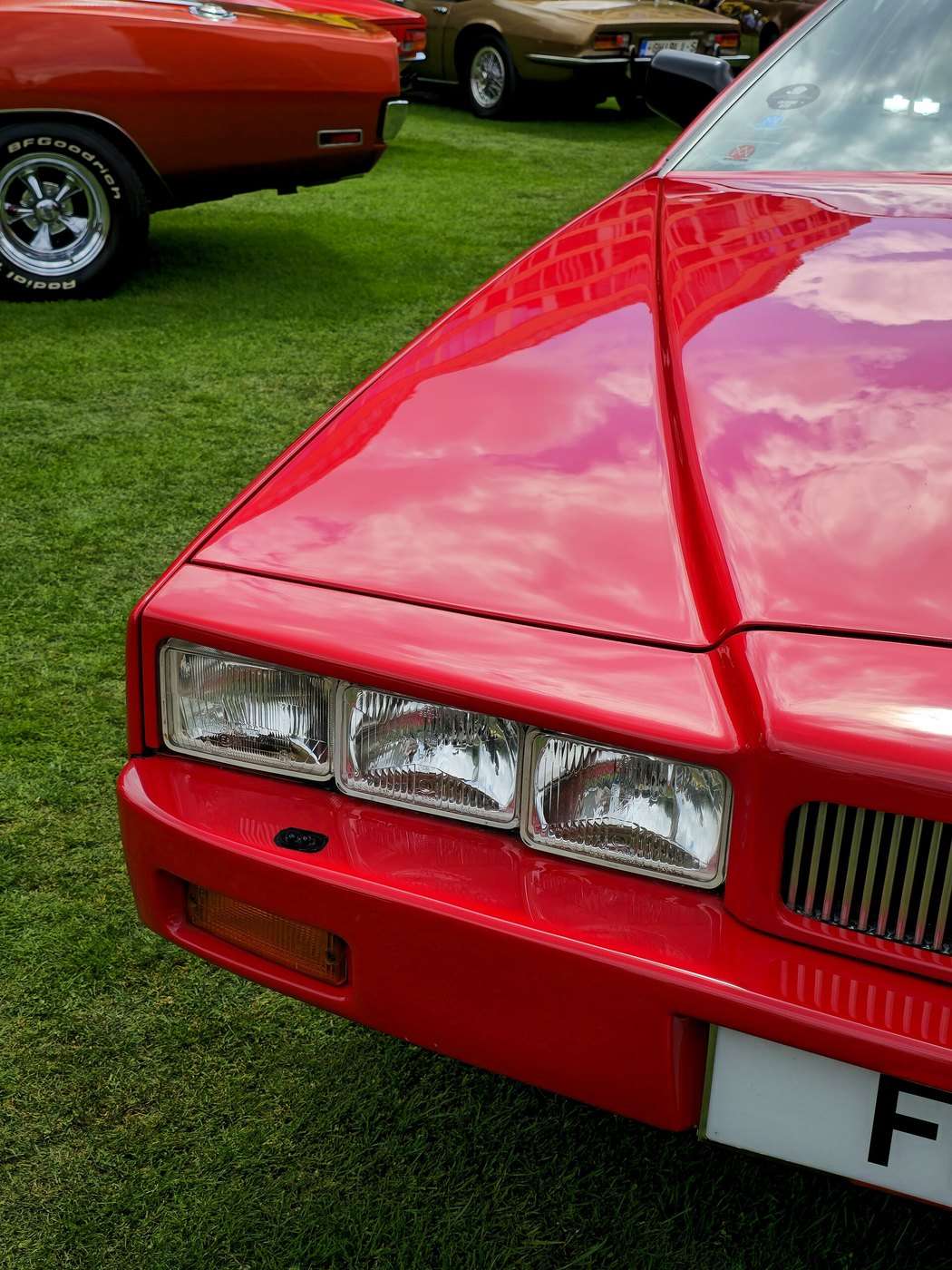
Fuel injection and revised cabin electronics improved the Series 3. For 1987, Towns softened the body, deleted the pop-up headlamps and introduced six small fixed lamps in a cleaner nose. Side treatment and wheels also changed, but the extraordinary proportions remained.
The final Series 4 is easier to distinguish externally. Earlier cars can carry later wheels or upgraded electronics, so date, chassis number and factory documentation remain essential.
Structure, V8 and hydraulics
Examine the platform structure, sills, floors, suspension pick-ups and every aluminium-to-steel joint. Bubbling, distorted panels and poor door fit can signal extensive work. The long body makes correct accident repair especially important.
The 5.3-litre V8 needs stable oil pressure, effective cooling, balanced fuel delivery and documented timing-chain and ignition maintenance. Check the Chrysler automatic, limited-slip differential, steering, brakes, self-levelling rear suspension and air conditioning. Parts availability and labour are specialist concerns, not ordinary classic-car jobs.
Buying a usable Lagonda
Buy the history and specialist support network as much as the car. A complete, regularly exercised example with functioning displays and climate control is safer than a cosmetic restoration that has not been proven on the road.
Confirm that unique trim, switches, glass, lamps and interior fittings are present. Commission a marque-specialist inspection that includes electronics, underside condition and a long road test from cold.
Sources and further reading
- Aston Martin: Lagonda history and specifications
- Aston Martin: Lagonda heritage chronology
- Honest John Classics: Aston Martin Lagonda review
- Aston Martin Lagonda technical training material
Continue the Aston Martin story
The Lagonda shows Aston Martin at its most audacious: traditional hand-built V8 engineering wrapped around electronic ideas that were years ahead of the industry. Explore the complete Aston Martin hub. Continue with the V550 and V600 Vantage. Read the DB7 Vantage guide.
Frequently asked questions
Who designed the wedge-shaped Aston Martin Lagonda?
William Towns designed the four-door wedge unveiled in 1976.
How many wedge Lagondas were built?
Aston Martin records 645 chassis before production ended in 1989.
What engine does the Aston Martin Lagonda use?
It uses Aston Martin's 5,340 cc V8 with a three-speed automatic transmission.
What changed on the Series 4 Lagonda?
The 1987 Series 4 rounded the body edges, replaced pop-up headlamps with six fixed lights and introduced revised wheels and exterior detailing.
What is the biggest Lagonda buying risk?
A superficially complete car can hide expensive structural, cooling, hydraulic, climate-control and electronic faults, so a specialist inspection is essential.