UNUSUAL CARS MODEL GUIDE
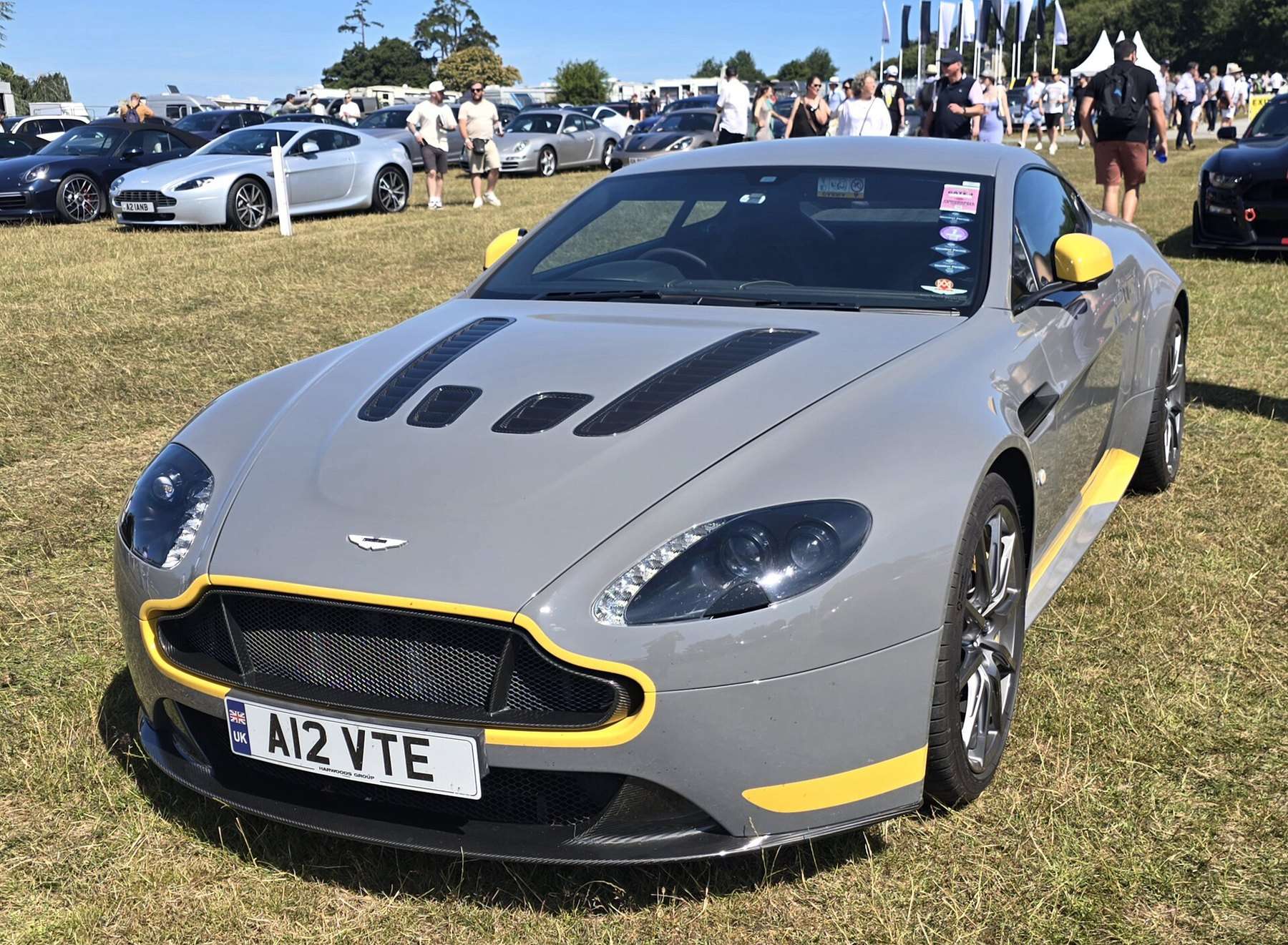
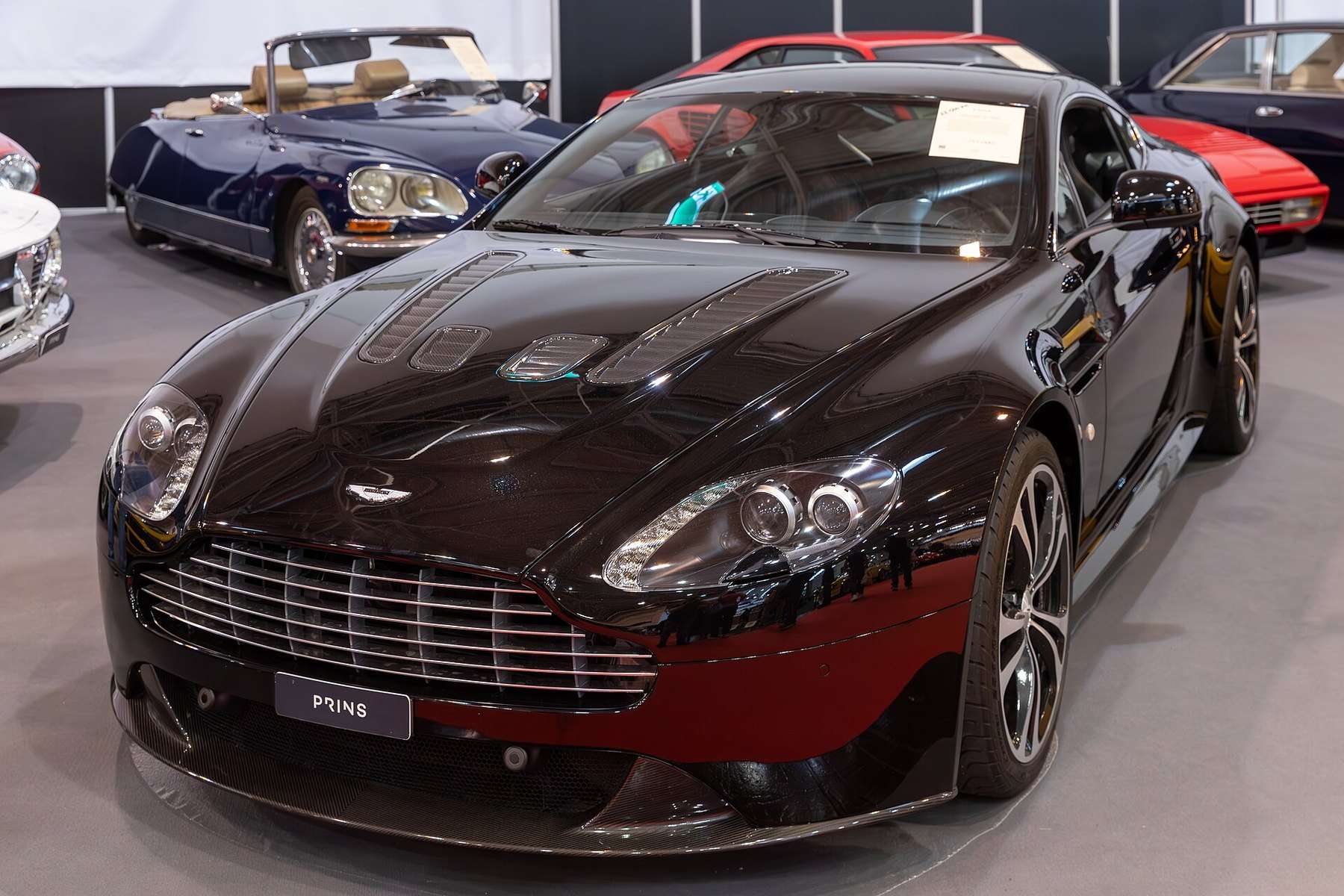
The Aston Martin V12 Vantage applied the traditional hot-rod formula to the modern VH range: place the largest engine in the smallest body and re-engineer everything needed to control it. The 510 bhp six-speed manual original arrived in 2009, followed by the limited Roadster, the faster V12 Vantage S, GT12, AMR and the extremely rare V600 finale. Few cars better represent the naturally aspirated V12 era.
Quick answer: the original V12 Vantage used a 5,935 cc naturally aspirated V12 producing 510 bhp, a six-speed manual transaxle and carbon-ceramic brakes. The 2013 V12 Vantage S raised output to 565 bhp and initially used a seven-speed Sportshift III automated manual; a seven-speed manual later returned. Cooling, clutch or Sportshift condition, carbon-ceramic brakes, dampers, electrical health and accident repairs are the main buying areas.
Featured image: 2016 Aston Martin V12 Vantage S coupé. Photograph by Calreyn88, CC BY-SA 4.0, via Wikimedia Commons; locally hosted.
From RS concept to production
Aston Martin showed the V12 Vantage RS concept at the opening of its Gaydon design studio in December 2007. Customer response persuaded the company to develop it rapidly for production, with the first road car appearing in 2009.
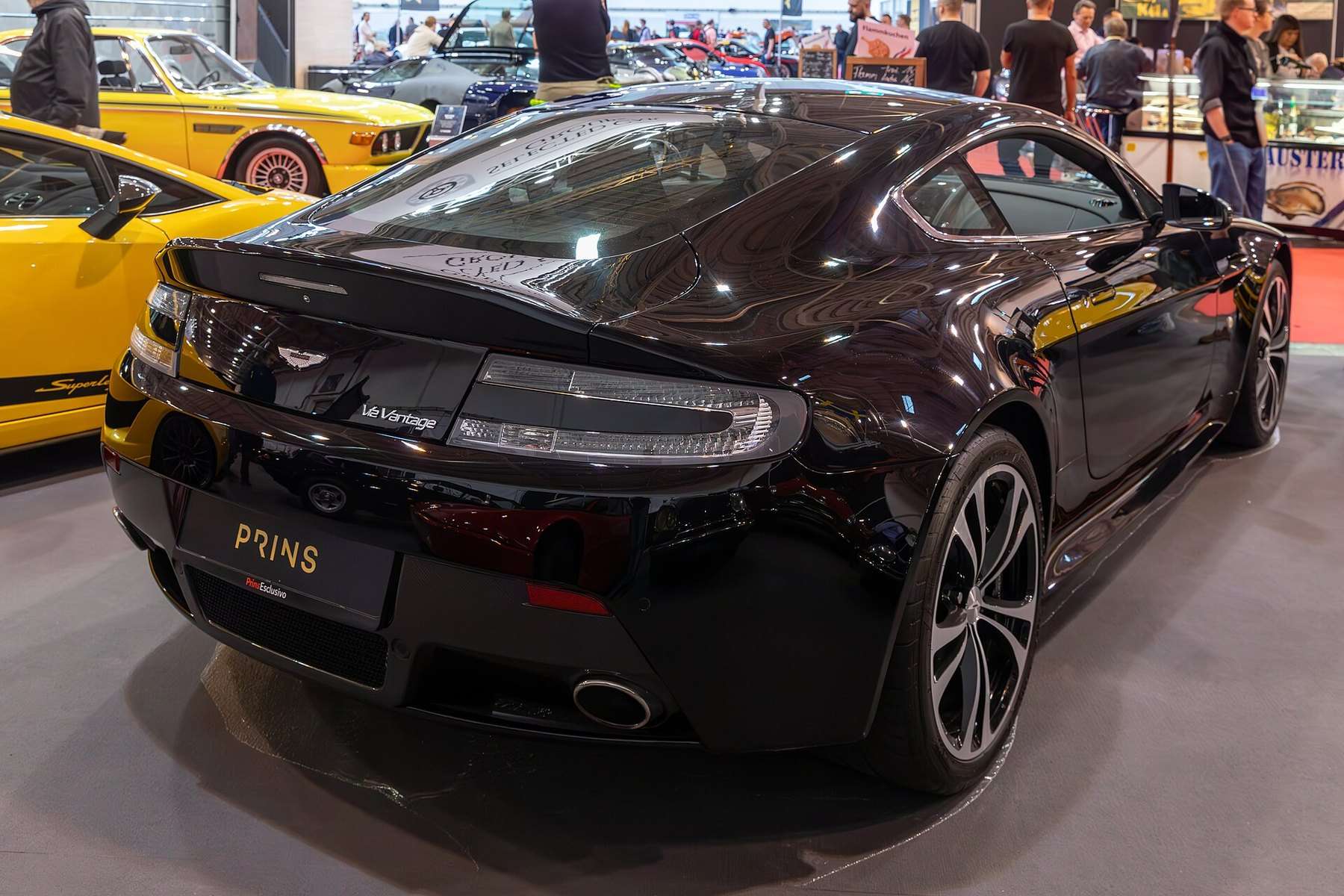
The 6.0-litre V12 came from the DBS, but the Vantage required revised cooling, a wet-sump installation, a stronger driveline and major changes to the bonnet, front structure and aerodynamics. Carbon-fibre components controlled weight, while broader openings and bonnet vents released heat from the tightly packed engine bay.
Original V12 Vantage specification
| Item | 2009 V12 Vantage |
|---|---|
| Engine | 5,935 cc naturally aspirated V12 |
| Output | 510 bhp; 570 Nm |
| Transmission | Six-speed manual transaxle |
| Top speed | 190 mph |
| Brakes | Carbon-ceramic discs |
| Layout | Front-mid engine, rear-wheel drive |
Aston Martin retained hydraulic steering and a manual gearbox, giving the original car a direct character. It was only around 50 kg heavier than the V8 model despite the larger engine and extensive cooling hardware.
Love cars you don’t see every day?
Get forgotten cars, surprising motoring stories and the most interesting finds from Unusual Cars by email.
Free to join. No spam. Unsubscribe whenever you like. See our privacy policy.
Roadster, V12 Vantage S and later editions
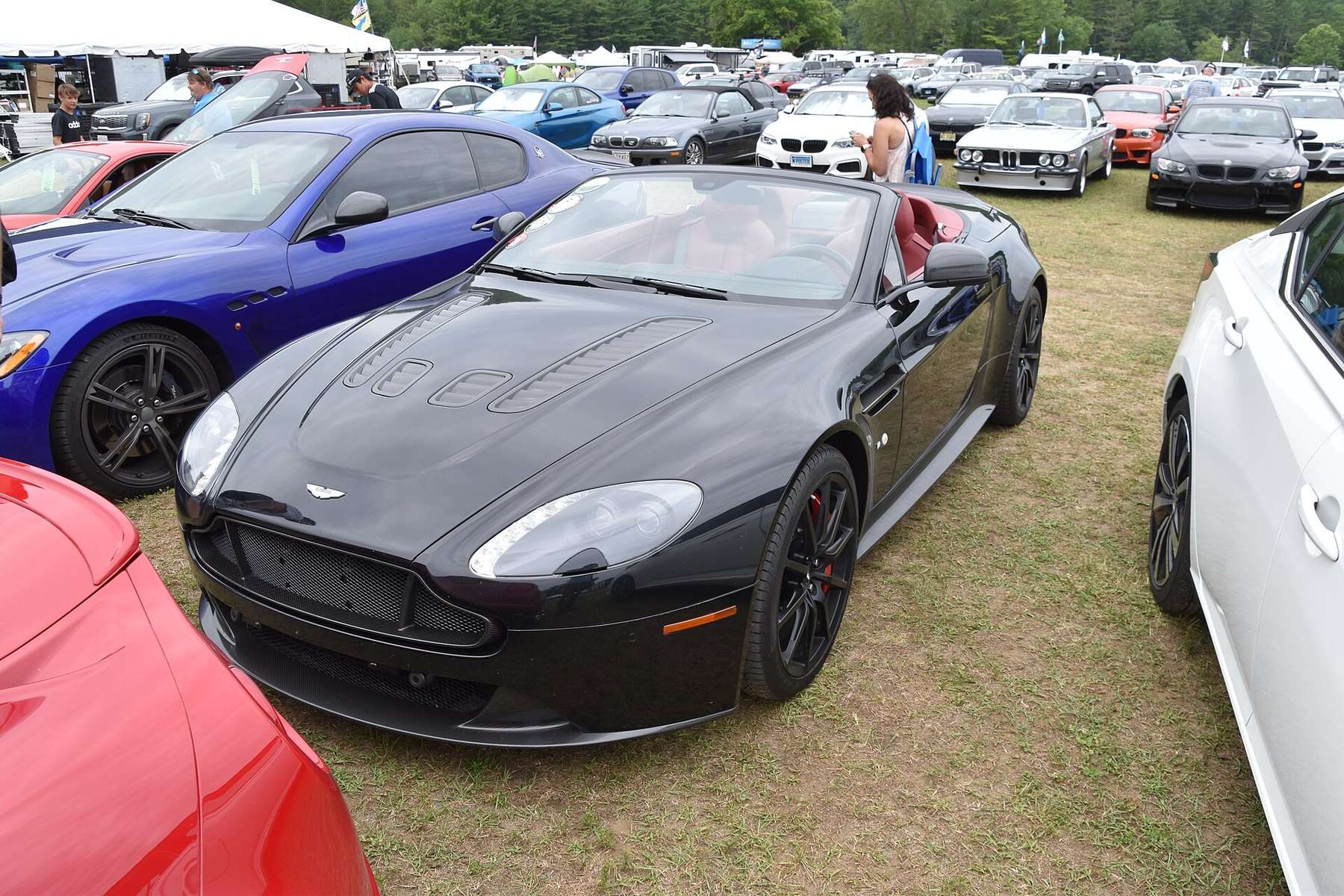
The open V12 Vantage Roadster arrived in 2012, with only 101 customer cars produced. The 2013 V12 Vantage S brought 565 bhp, revised adaptive damping and a quoted 205 mph maximum. Its initial seven-speed Sportshift III transaxle was followed by a seven-speed dog-leg manual option for drivers who wanted three pedals.
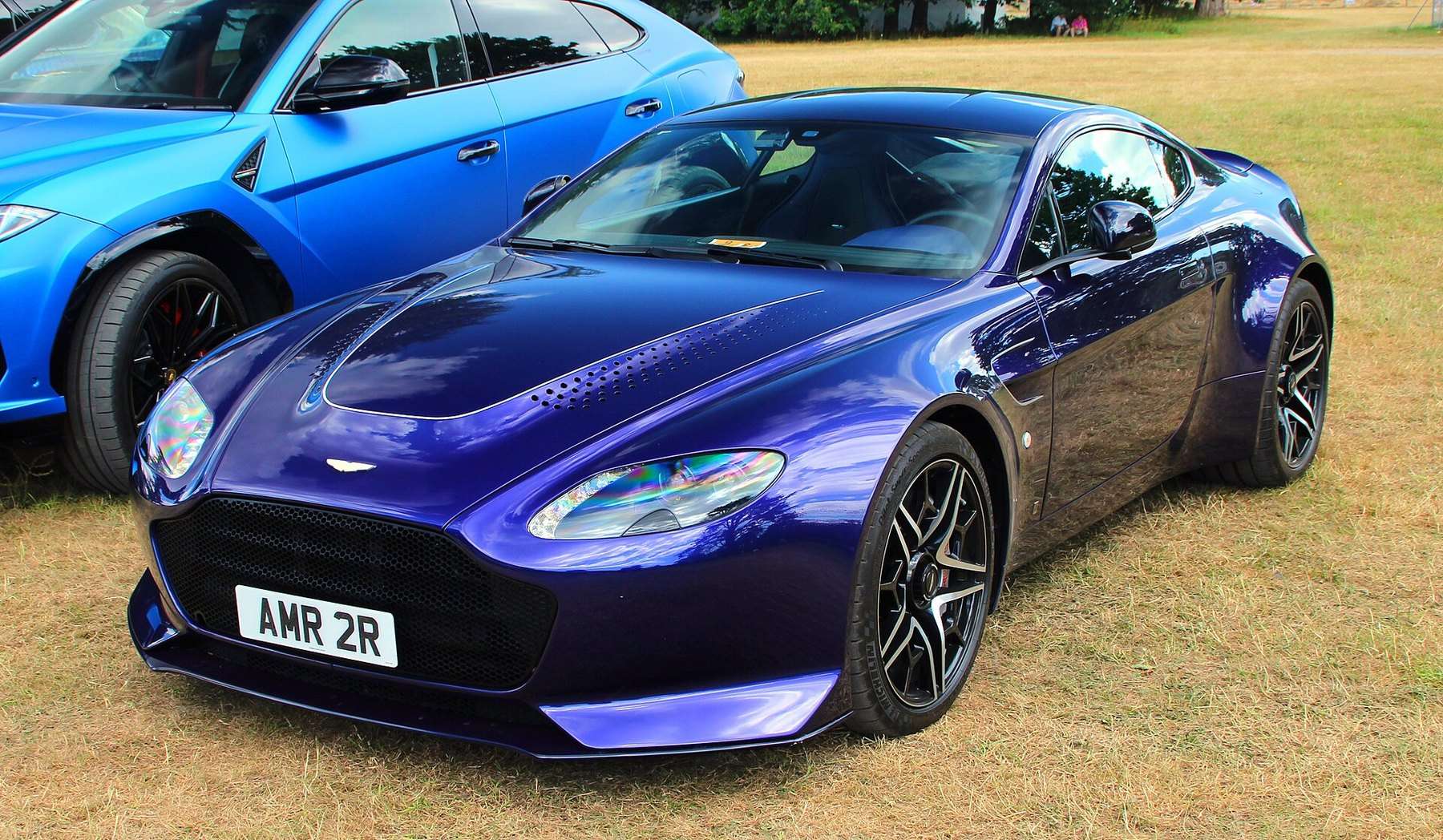
The GT12 used extensive carbon-fibre bodywork and track-focused aerodynamics. AMR derivatives followed, while the 2018 V600 combined 600 bhp with a seven-speed manual in seven coupés and seven roadsters. Provenance is essential because wheels, vents, graphics and body parts are frequently copied.
Engine, cooling and exhaust checks
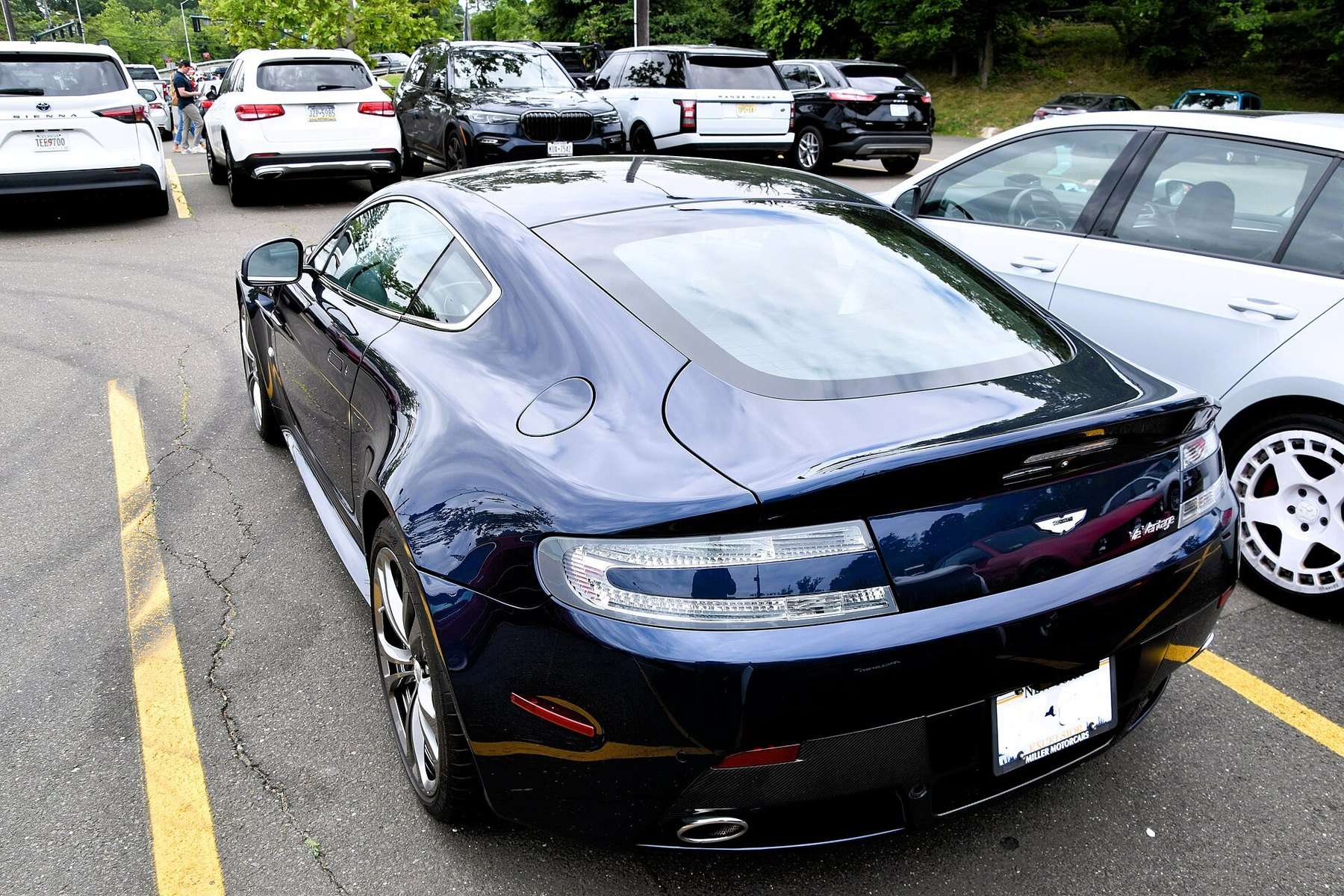
The V12 should start cleanly, idle evenly and pull without hesitation. Persistent tapping, misfires, smoke, oil in the intake or evidence of low oil level requires investigation. Coil packs and spark plugs involve substantial labour, while leaking cam covers and ancillary components can make apparently small faults costly.
Heat management is critical in the compact engine bay. Inspect radiators, condensers, fans, hoses, thermostat and coolant history, then complete a long road test. Exhaust valves and vacuum control should operate correctly; aftermarket exhausts need documentation and must not disguise warning lights or poor running.

Manual, Sportshift and chassis costs
On a six-speed manual, test for clutch slip, judder, excessive pedal weight and weak synchro when warm. The seven-speed manual has an unusual dog-leg pattern and needs a deliberate test rather than a short drive. Sportshift III is an automated manual: it should be assessed in automatic and paddle modes, with clutch wear and adaptations read diagnostically.
Carbon-ceramic discs must be inspected for chips, surface damage and remaining life. Adaptive dampers, suspension bushes, wheel bearings and tyres are similarly important. Uneven wear can reveal incorrect alignment or earlier accident damage.
Body, cabin and the best version to buy
Look for cracks or poor repairs in carbon-fibre panels and corrosion around aluminium edges and steel fixings. Test the glass key, windows, seat modules, air conditioning, instruments, parking sensors, lights and infotainment. Low voltage creates misleading faults, so battery and charging condition matter.
The original manual has the purest specification, the S adds speed and breadth, and the Roadster or V600 provides rarity. The best purchase is the version whose history and condition justify its price: insist on a specialist inspection, diagnostic scan, measured brake condition and evidence that cooling, clutch and annual servicing have not been deferred.
Sources and further reading
- Aston Martin: V12 Vantage official model history
- Aston Martin: V12 Vantage bloodline and derivative history
- Aston Martin: seven decades of Vantage development
- evo: V12 Vantage 2009–2018 used review and buying guide
- Aston Martin Owners Club regional guide: VH-platform buying issues
Continue the Aston Martin story
The V12 Vantage condensed Aston Martin’s grand-touring engine into its most compact modern body and became one of the defining driver’s cars of the VH era. Explore the complete Aston Martin hub. Compare the V8 Vantage. See the contemporary DBS using the same V12.
Frequently asked questions
When was the first Aston Martin V12 Vantage built?
The production V12 Vantage arrived in 2009 after the 2007 RS concept and continued through later S and limited-edition derivatives to 2018.
What engine does the original V12 Vantage use?
It uses a 5,935 cc naturally aspirated V12 producing 510 bhp and 570 Nm.
Is every V12 Vantage manual?
No. The original car used a six-speed manual, while the V12 Vantage S initially used seven-speed Sportshift III; a seven-speed manual was later offered.
How many V12 Vantage Roadsters were made?
Aston Martin states that 101 examples of the original V12 Vantage Roadster were sold to customers.
What are the main V12 Vantage buying checks?
Check cooling, ignition, clutch or Sportshift operation, carbon-ceramic brakes, adaptive dampers, electrical systems, carbon-fibre repairs and complete specialist history.