UNUSUAL CARS MODEL GUIDE
The Ferrari 458 family is the final naturally aspirated series-production mid-engined V8 line from Maranello. Launched as the 458 Italia in 2009, it expanded into the Spider, the focused 458 Speciale and the limited open Speciale A before the turbocharged 488 replaced it.
Quick answer: the 458 combines supercar ability with notable usability, but purchase only after checking recall completion, service and diagnostic history, seven-speed dual-clutch operation, suspension and adaptive dampers, carbon-ceramic brakes, cooling, sticky cabin finishes, body repairs and the Spider roof. Speciale identity and originality require extra scrutiny.
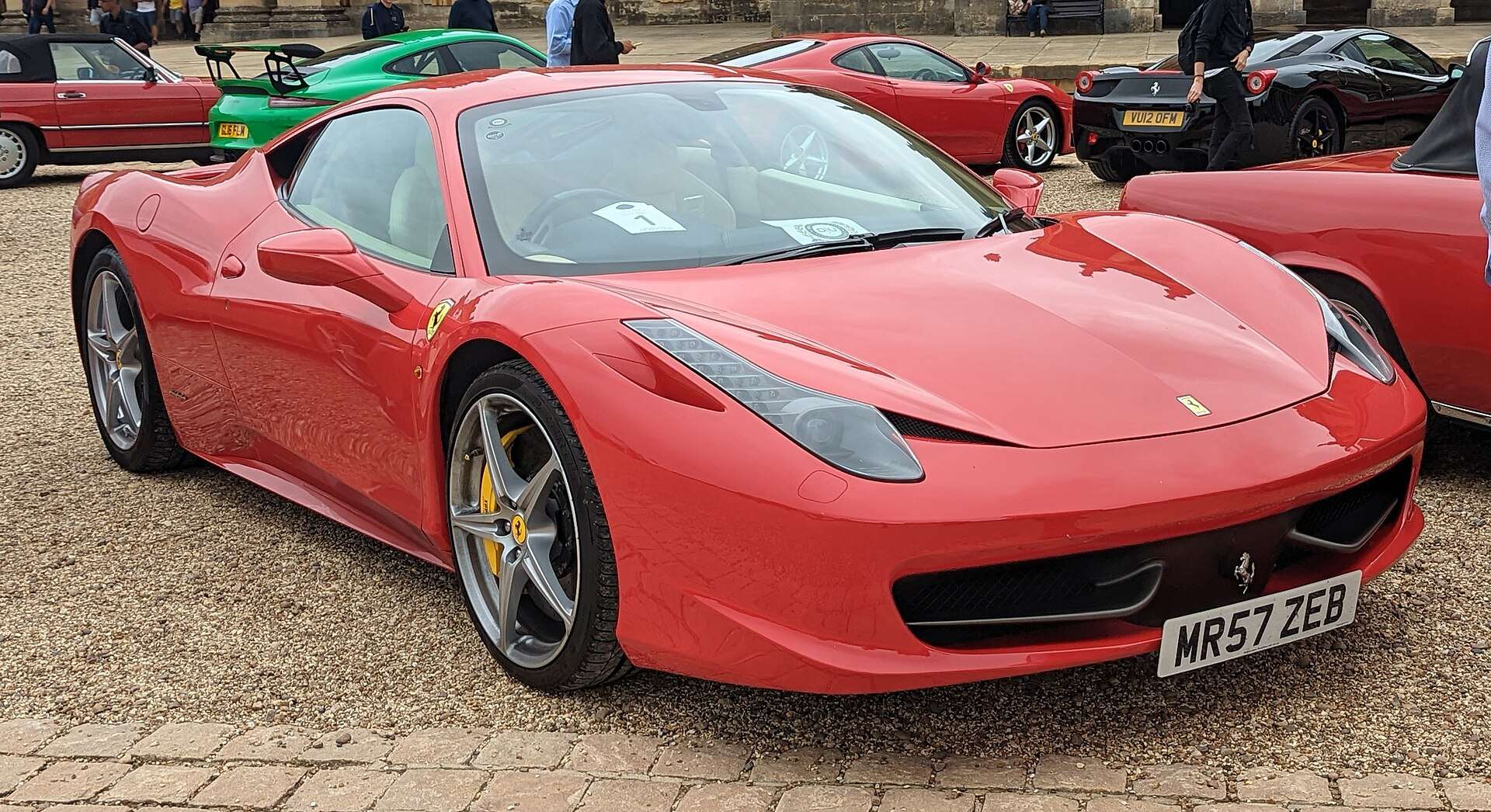
Featured image: red Ferrari 458 Italia front three-quarter. Photograph by Calreyn88, CC BY-SA 4.0, via Wikimedia Commons; locally hosted.
A clean-sheet V8 Ferrari
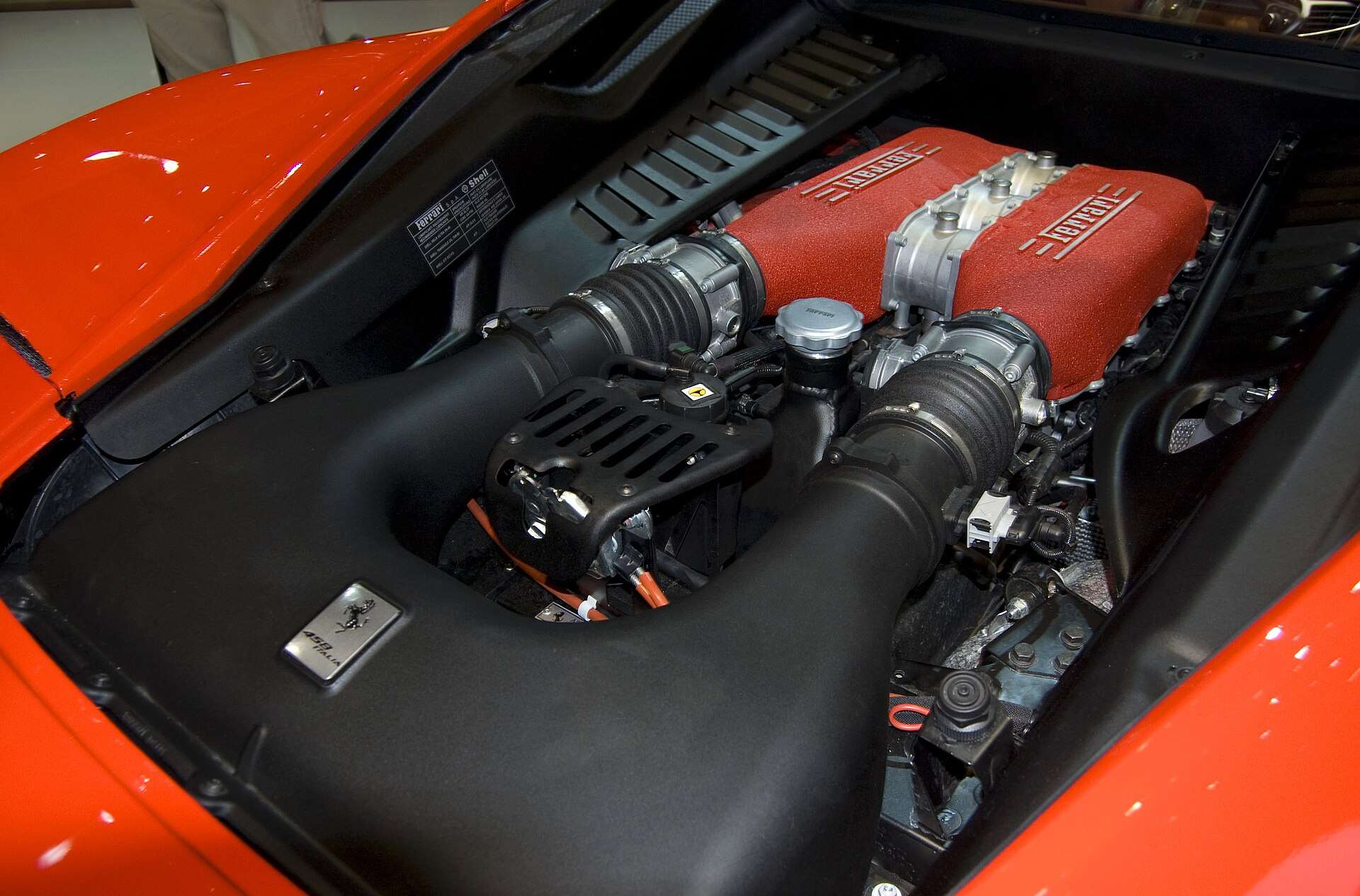
Ferrari unveiled the 458 Italia at Frankfurt in September 2009. Its 4,499cc direct-injection V8 produced 570CV at 9,000rpm and drove through a seven-speed Getrag dual-clutch transmission. Ferrari quoted 0–100km/h in under 3.4 seconds and a maximum speed above 325km/h.
Pininfarina’s body used deformable front winglets, a flat floor and active aerodynamic detail rather than large fixed appendages. The steering wheel gathered indicators, wipers, manettino and engine-start controls, while multi-link rear suspension and a quicker steering ratio gave the car its distinctive response. Unlike its F430 predecessor, no manual transmission was offered.
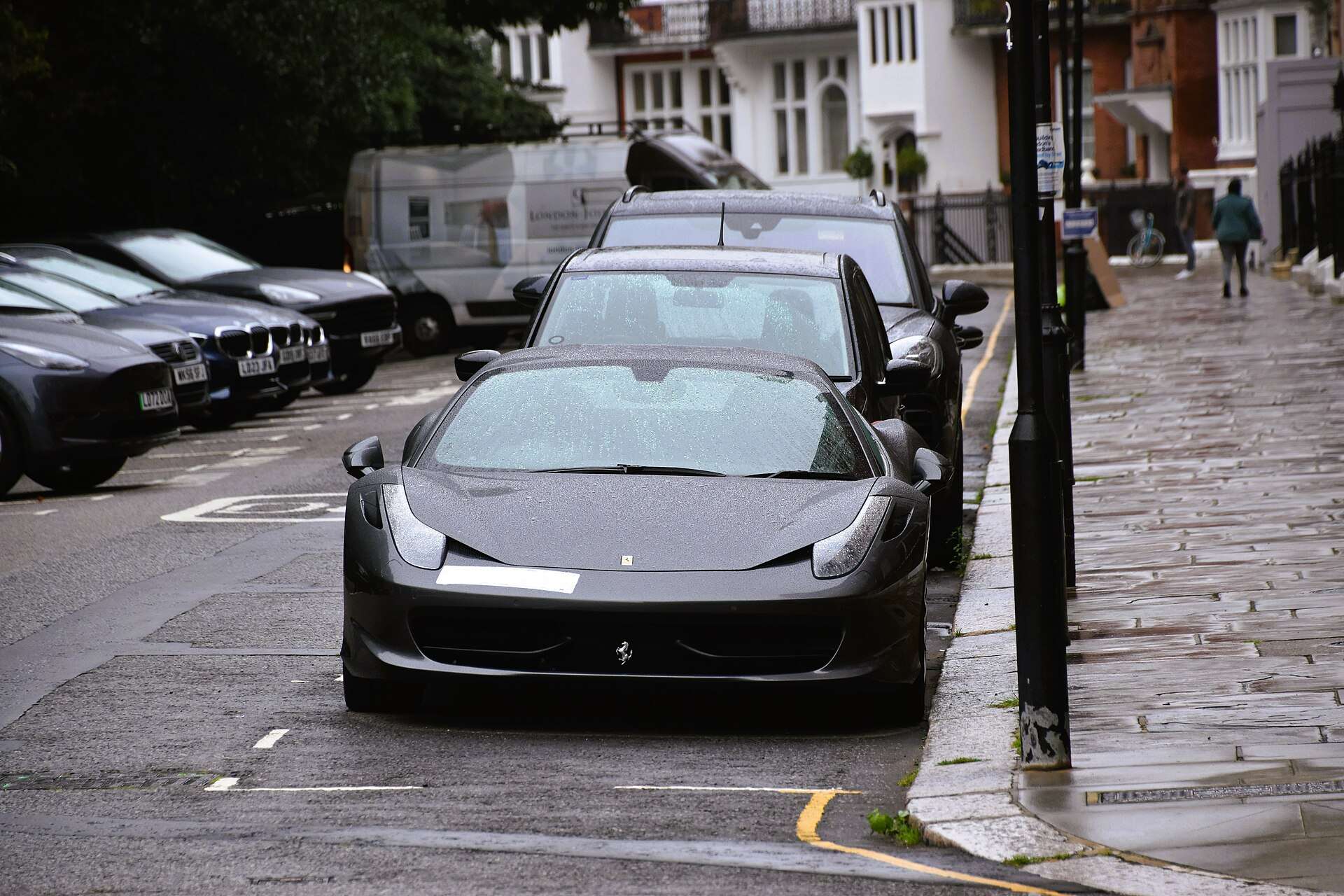
Italia, Spider, Speciale and Speciale A
| Version | Introduction | Key distinction |
|---|---|---|
| 458 Italia | 2009 | 570CV fixed-roof berlinetta |
| 458 Spider | 2011 | Retractable aluminium hardtop |
| 458 Speciale | 2013 | 605CV, less weight and active aerodynamics |
| 458 Speciale A | 2014 | Limited open version of the Speciale |
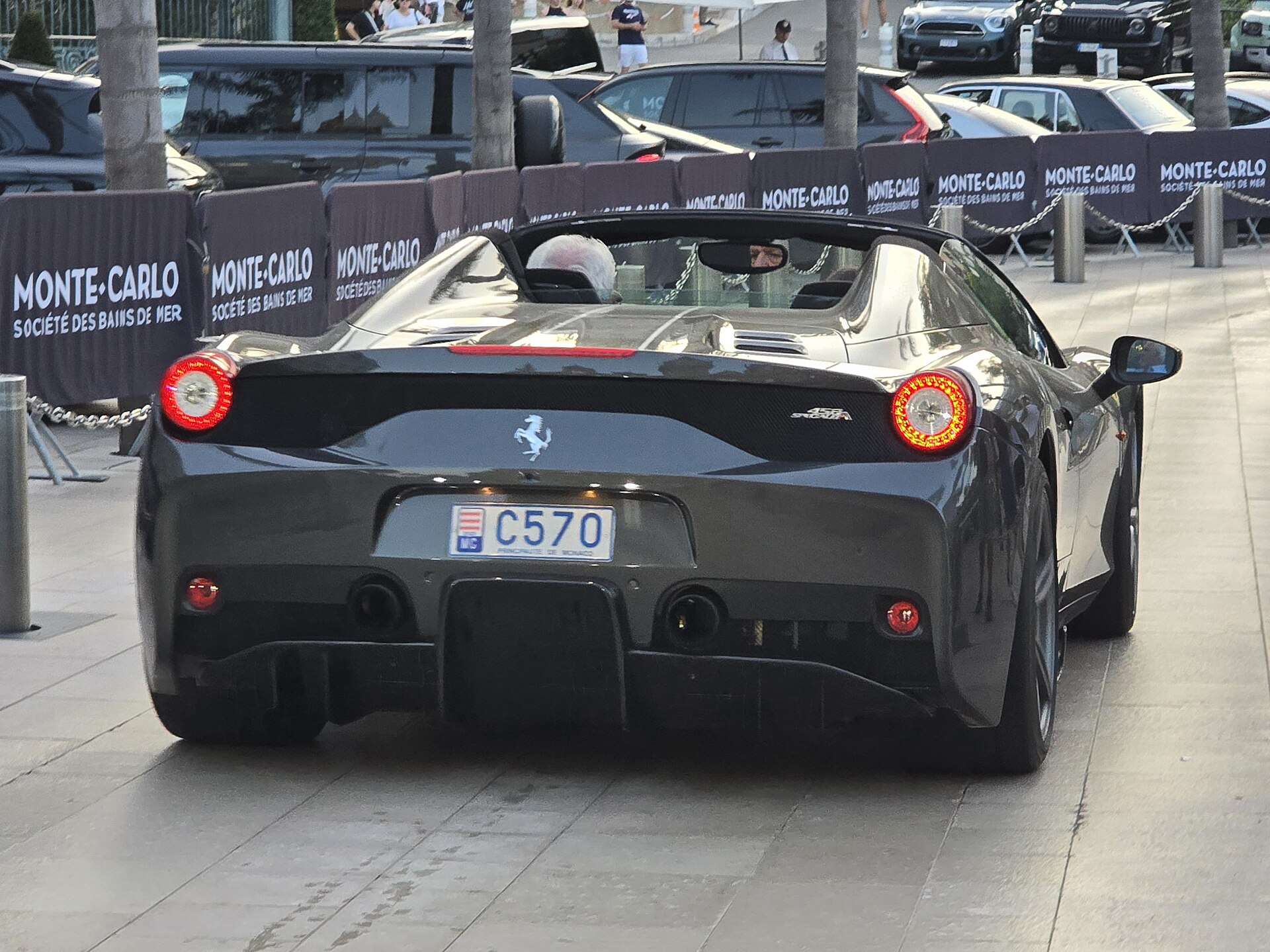
The Spider’s two-piece aluminium roof folds ahead of the engine bay and preserves a clean profile. The Speciale raised output to 605CV, reduced mass, sharpened transmission and chassis calibration and introduced Side Slip Angle Control. The Speciale A combined that hardware with the folding roof and was the rarest road-going member of the family.

Love cars you don’t see every day?
Get forgotten cars, surprising motoring stories and the most interesting finds from Unusual Cars by email.
Free to join. No spam. Unsubscribe whenever you like. See our privacy policy.
Engine, recalls and cooling
The V8 should be smooth from cold, free of persistent smoke, fluid leaks or warning lights and eager to rev once oil is warm. Verify that applicable campaigns were completed, including the early adhesive-related heat-shield recall. Individual cars may also have received software, transmission or component updates, so a Ferrari dealer or specialist should check the chassis number rather than relying on generic lists.
Inspect radiators, air-conditioning condensers and cooling ducts behind the front openings for stone damage and debris. Check engine mounts, oil and coolant pipes, exhaust valves and catalytic converters. A diagnostic printout can reconcile mileage, over-rev records and stored faults with the paper history.
Dual-clutch gearbox and chassis electronics
The seven-speed transmission should engage drive and reverse promptly and shift cleanly at low and high speeds. Warning messages, oil leaks, missed gears or refusal to select odd or even ratios need expert diagnosis; internal speed sensors and hydraulic or electronic faults can be costly. Confirm that the gearbox oil and filters have been serviced to current specialist guidance.
Drive through the appropriate manettino settings and check adaptive dampers, E-Diff, traction control and steering for faults. Worn ball joints, track rods or dampers can cause knocks and uneven tyres. Carbon-ceramic discs need measurement and close inspection for edge damage, while wheels and undertrays readily reveal kerb strikes or careless lifting.

Body, cabin and Spider roof
Measure paint and inspect aluminium panels, structural castings, underbody sections and fixings for accident repairs or corrosion. The low front bumper, sill edges and diffuser are easily marked. Paint protection film can hide or preserve defects, so its age and installation quality matter.
Sticky switches, lifting dashboard leather, damaged seat bolsters and failing trim adhesives are familiar age-related issues. On a Spider or Speciale A, operate the roof several times and inspect seals, drains, alignment, hydraulic action and the rear buttresses. A Speciale should retain its correct seats, wheels, aerodynamic parts, stripes and weight-saving trim; replacement or replica components affect both value and credibility.

Sources and further reading
- Ferrari: 458 Italia benchmark car
- Ferrari: 458 Speciale specifications
- Ferrari: 458 Speciale A specifications
- Ferrari: special-series V8 history
Continue the Ferrari story
Explore the complete Ferrari hub. Continue with the Ferrari F430 and Ferrari 360.
Frequently asked questions
Is the Ferrari 458 naturally aspirated?
Yes. Every road-going 458 uses a naturally aspirated 4.5-litre V8; the later 488 moved to turbocharging.
Was the Ferrari 458 available with a manual gearbox?
No. All road cars use a seven-speed dual-clutch transmission.
What is the difference between a 458 Italia and Speciale?
The Speciale has 605CV, lower weight, revised aerodynamics and more focused transmission, suspension and electronic calibration.
What roof does the 458 Spider use?
It has a two-piece retractable aluminium hardtop that folds ahead of the engine bay.
What should be checked before buying a Ferrari 458?
Check recalls, diagnostics, dual-clutch operation, cooling, suspension, carbon-ceramic brakes, body repairs, cabin trim and Spider roof operation.