UNUSUAL CARS MODEL GUIDE
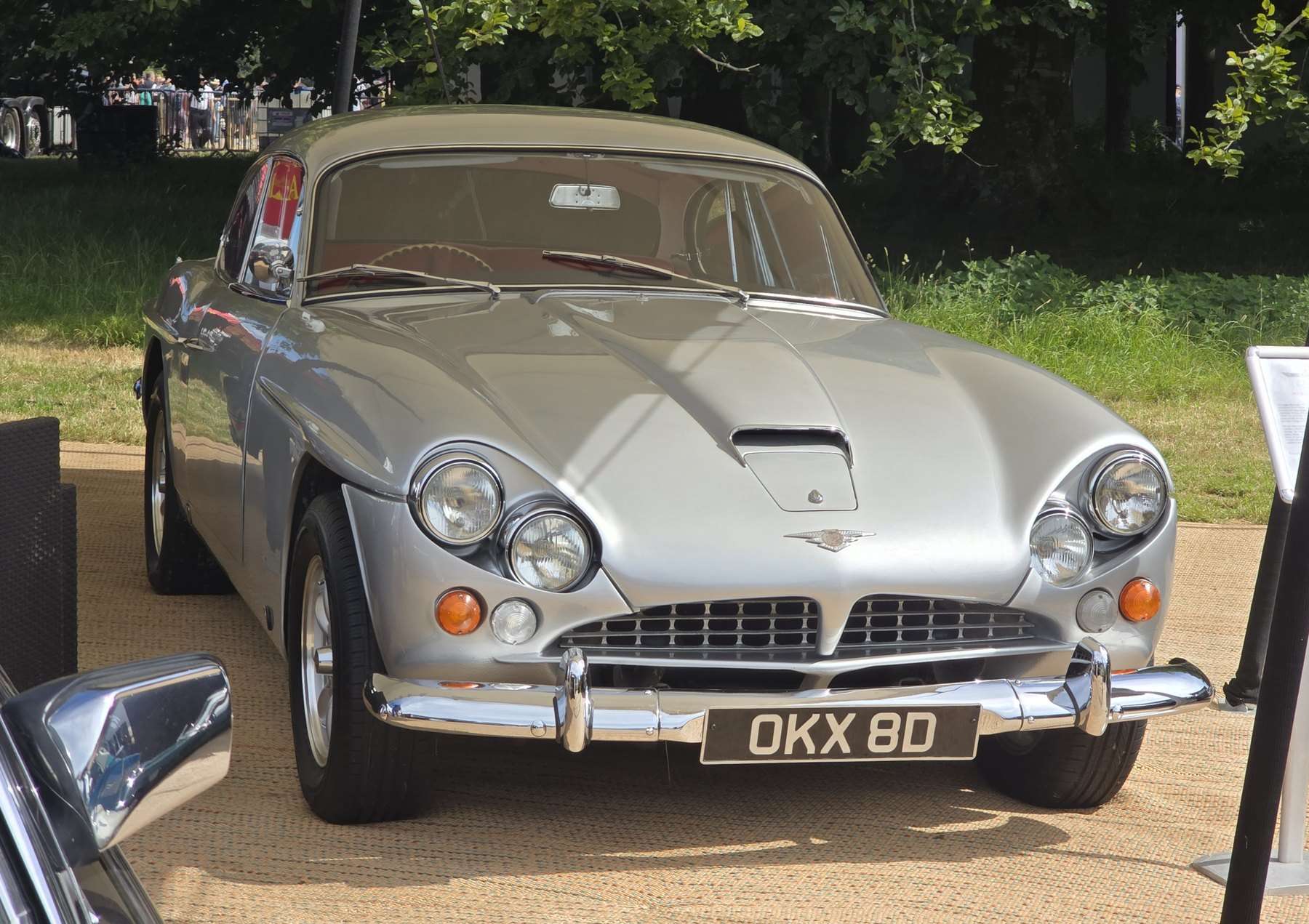
The Jensen C-V8 was a fast, fibreglass-bodied British grand tourer built from 1962 to 1966. Beneath its controversial Eric Neale styling sat a steel tubular frame, Chrysler V8 power and a luxurious four-seat cabin, creating one of the quickest long-distance cars of its period.
Quick answer: Exactly 500 C-V8s were produced according to the Jensen Owners’ Club. The key buying issues are chassis corrosion hidden by the glassfibre body, cooling, correct Chrysler driveline components, brakes and the completeness of its hand-built interior.
Featured image: Jensen C-V8. Photograph by Calreyn88, CC BY-SA 4.0, via Wikimedia Commons; locally hosted.
From 541 to C-V8
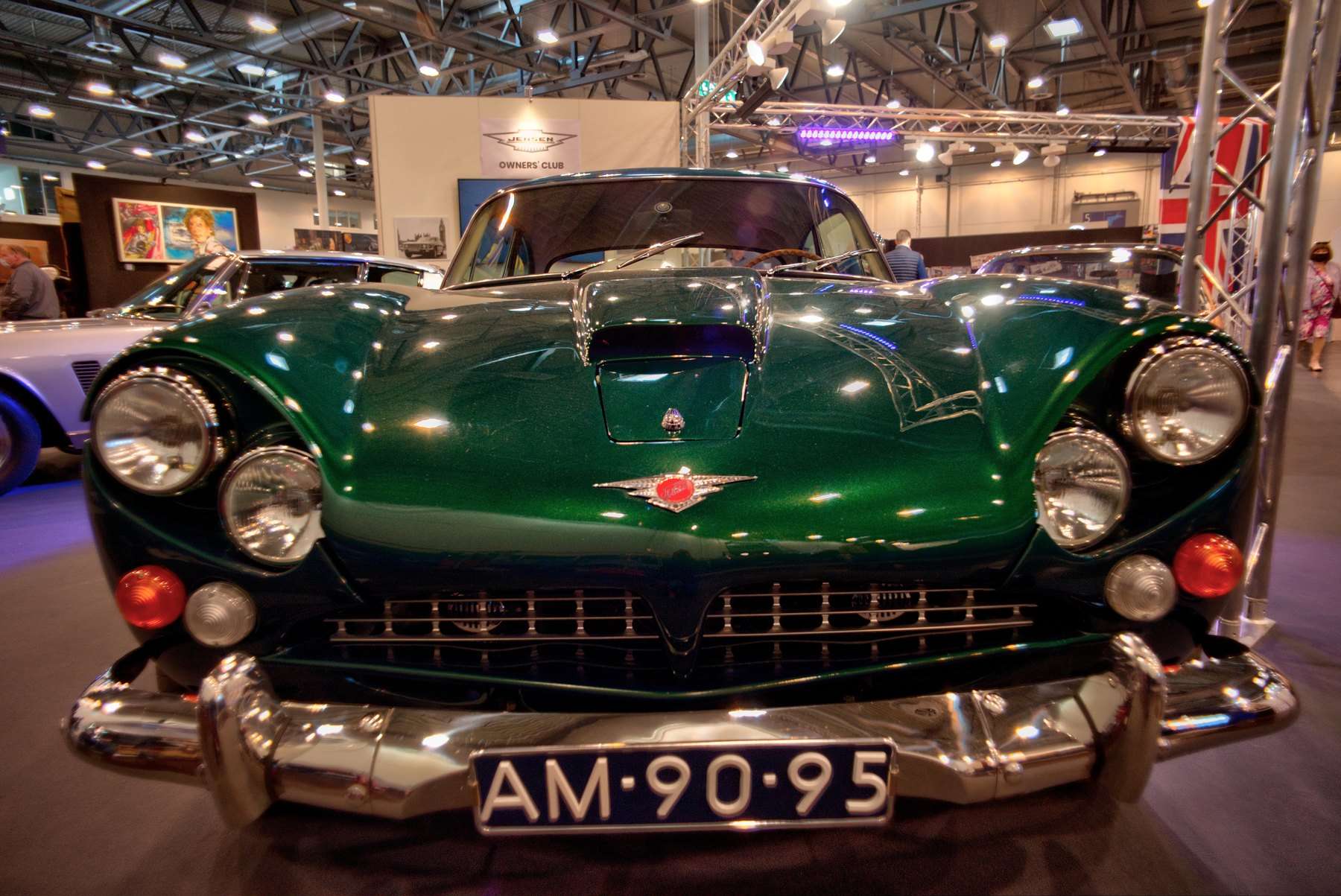
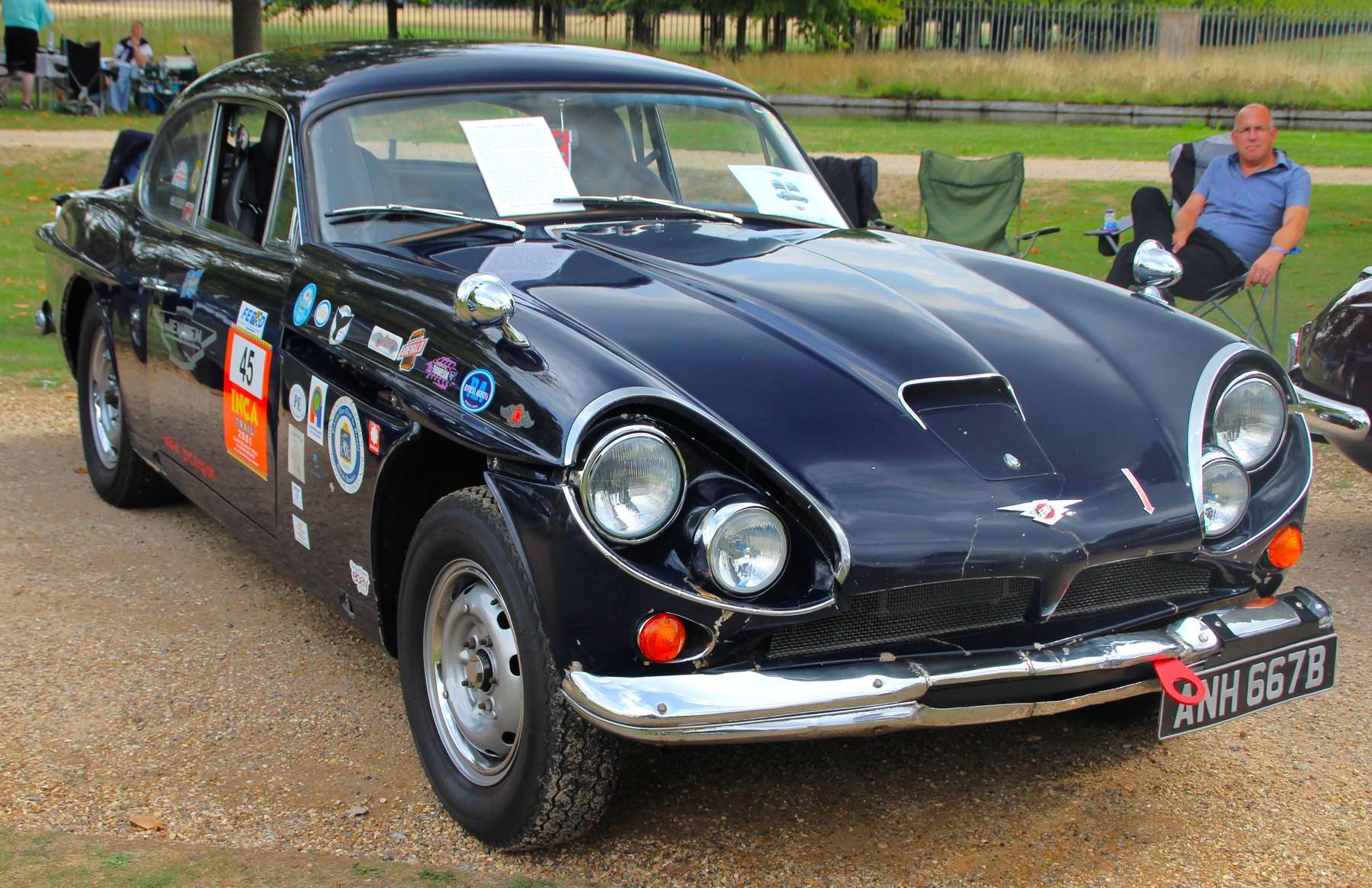
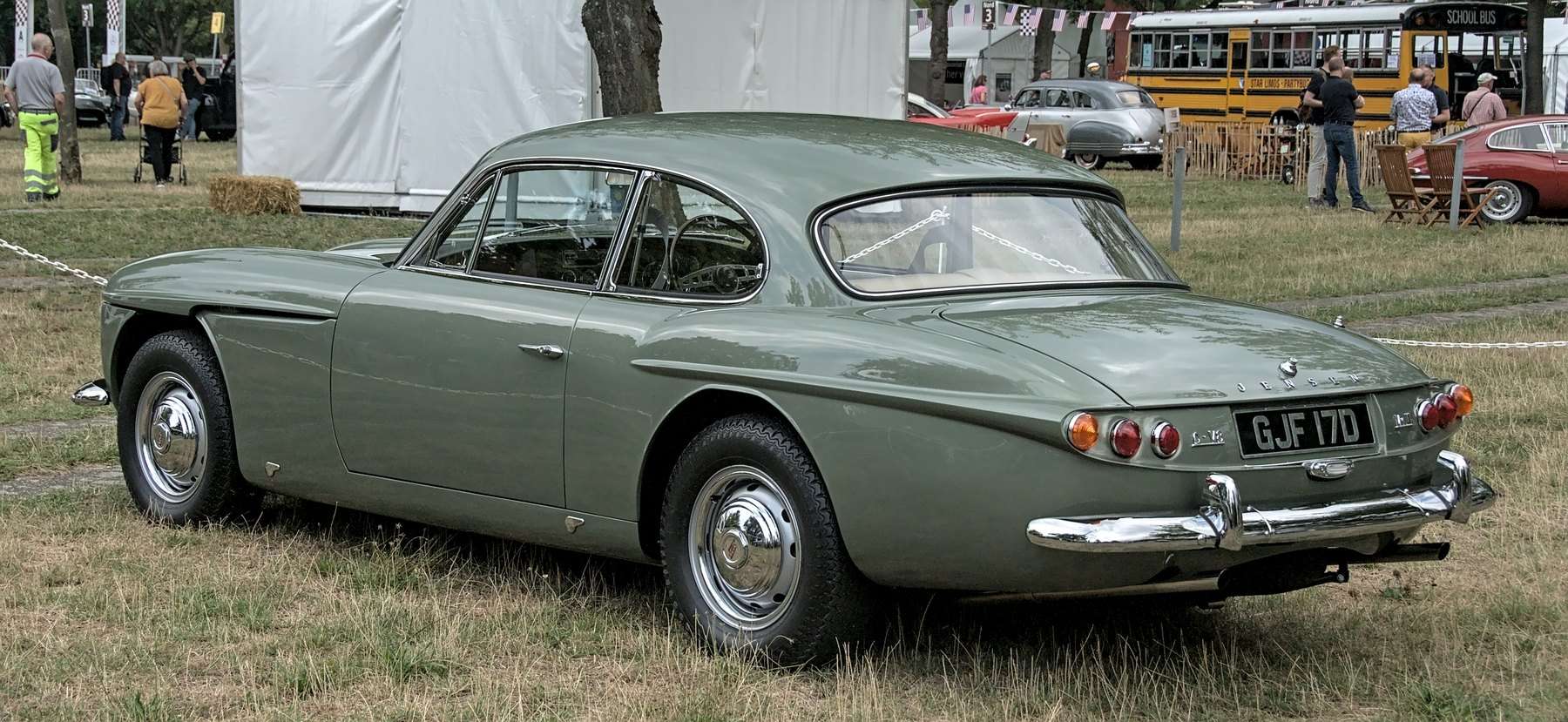
The C-V8 developed the architecture of Jensen’s 541 series: a glassfibre body over a substantial steel structure, front-mounted American V8 and rear-wheel drive. Designer Eric Neale gave it a more forceful nose with paired covered headlamps, a steeply raked windscreen and a practical fastback tail.
Jensen introduced the model in 1962 and paired its relatively light body with Chrysler power. Contemporary testers found performance exceptional for a full four-seat GT, yet the car retained compliant ride, leather upholstery and long-distance refinement.
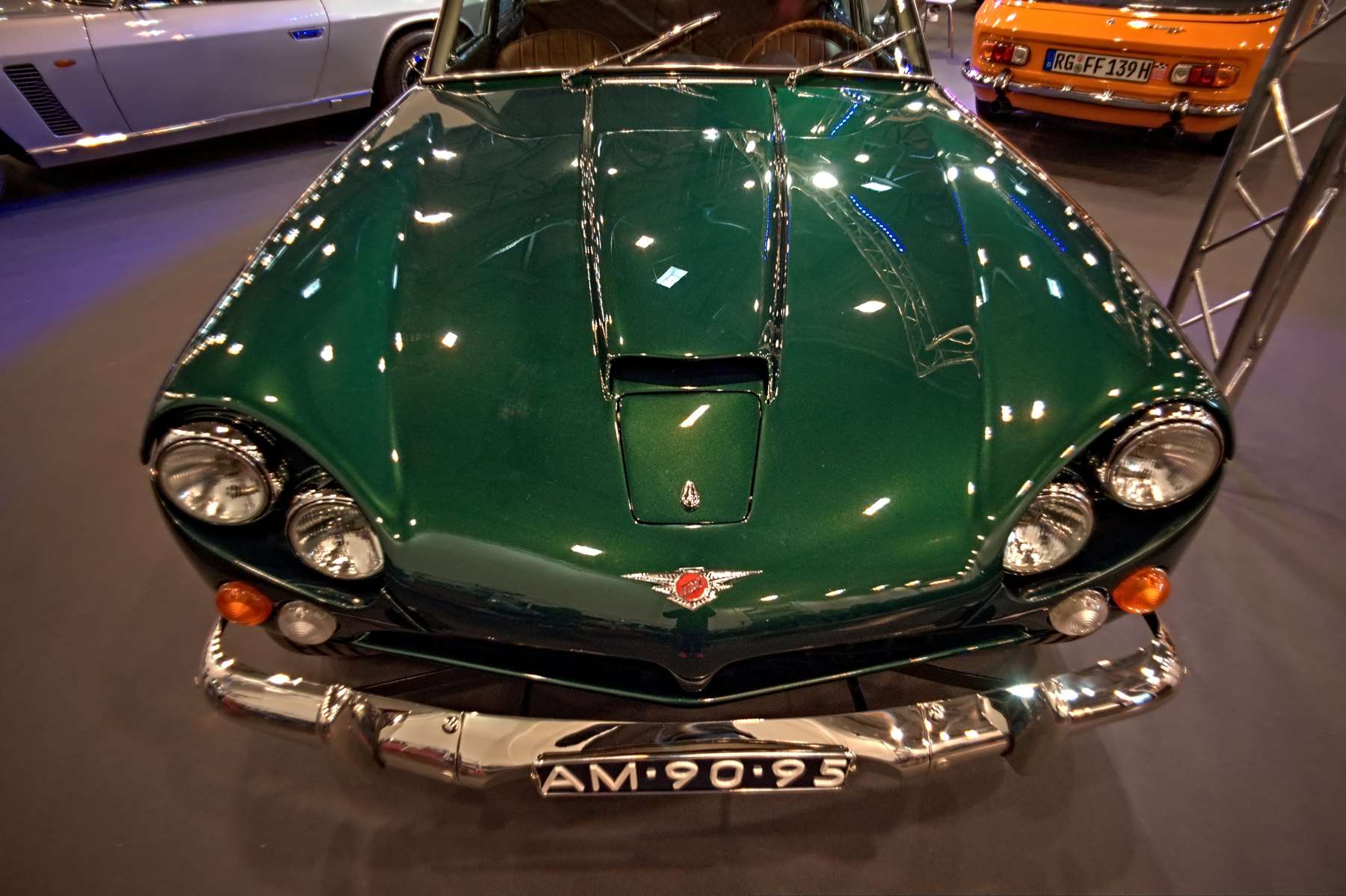
Mk I, Mk II and Mk III
| Version | Production | Main developments |
|---|---|---|
| Mk I | 69 | Early 361 cu in Chrysler V8 and original detail specification. |
| Mk II | 250 | 383 cu in (6.3-litre) V8, revised dampers, brakes and trim. |
| Mk III | 181 | Further braking and front-suspension development and detail changes. |
The club total is 500 cars. Manual gearboxes were very unusual; most cars used Chrysler’s three-speed TorqueFlite automatic. Always verify a car’s exact build specification because restorations and decades of maintenance can mix components from different series.
Love cars you don’t see every day?
Get forgotten cars, surprising motoring stories and the most interesting finds from Unusual Cars by email.
Free to join. No spam. Unsubscribe whenever you like. See our privacy policy.
Performance and driving character
The large V8 gives strong low-speed torque and effortless overtaking rather than demanding high revs. Rack-and-pinion steering, front disc brakes and a limited-slip differential contributed to a more sporting feel than the luxurious cabin suggested. Later cars received improved brakes and suspension detail.
A healthy example should track accurately, stop cleanly and remain composed over distance. Heavy steering, brake pull, driveline vibration or rear-axle noise deserve diagnosis. Period performance does not excuse tired tyres, weak dampers or incorrect wheel alignment.

Glassfibre body and hidden structure
The outer body does not rust, but it can craze, blister, crack or conceal old impact repairs. More importantly, the steel tubes, sills, outriggers, floors and suspension mountings underneath can corrode out of sight. Inspect the car on a lift with someone who knows where bodywork restricts access.
Check door fit, hinge mounts, windscreen and rear-window apertures, panel edges and water ingress. Restoring glassfibre properly means stabilising the structure first; repairing cracks over weak steel produces a temporary cosmetic result. Replacement glazing and trim are also far rarer than ordinary mechanical parts.

Engine, transmission and cooling
The Chrysler V8 and TorqueFlite are durable with regular service, but parts choice and installation quality matter. Check oil pressure, coolant stability, exhaust smoke, engine mounts, fuel hoses, carburettor, ignition and charging. A prolonged hot test is essential because marginal radiators and fans can be masked during a short drive.
The automatic should select without delay and shift smoothly. Inspect propshaft joints, limited-slip differential, rear axle and exhaust clearance. Some cars have later engines; a sensible conversion may drive well, but originality and value depend on transparent records.
Cabin, brakes and buying priorities
Inspect leather, veneer, instruments, headlining, carpets and rare switches and handles. Test heater, wipers, windows, lighting and gauges. Dampness may indicate failed seals and can attack the structure beneath the trim.
Check discs, rear drums, servo, master cylinder, hoses, steering joints, springs, dampers and wheel bearings. The best candidate has authenticated identity, sound frame, a properly finished body and evidence of regular specialist use. A comprehensive inspection is far cheaper than reconstructing an incomplete hand-built GT.
Sources and further reading
Continue the Jensen story
Explore the complete Jensen hub. Continue with Jensen FF, Jensen Interceptor.
Frequently asked questions
When was the Jensen C-V8 built?
It was produced from 1962 to 1966.
How many Jensen C-V8s were made?
The Jensen Owners’ Club records exactly 500 cars across Mk I, Mk II and Mk III production.
What engine does the C-V8 use?
It uses Chrysler V8 power, initially 361 cu in and then predominantly 383 cu in, or about 6.3 litres.
Is the C-V8 body metal?
The outer body is glassfibre, but it is supported by a steel structure that can corrode seriously.
What should buyers inspect first?
The hidden steel frame, glassfibre repairs, cooling, driveline, brakes, electrical equipment and completeness of trim.