UNUSUAL CARS MODEL GUIDE
The Lamborghini Diablo replaced the Countach in 1990 and carried the naturally aspirated V12 formula into a faster, more usable era. Marcello Gandini began the design, Chrysler-era management refined it and Audi ownership shaped the final 6.0-litre cars. Rear-wheel drive, all-wheel drive, open and competition-derived versions make the Diablo a family rather than one fixed specification.
Quick answer: Lamborghini built 2,903 Diablos between 1990 and 2001. The strongest purchase is a correctly identified car with continuous specialist history. Verify its version and market, then inspect the steel spaceframe and composite-aluminium body, cooling, fuel system, V12, clutch and gearbox, VT driveline where fitted, suspension, brakes, wheels, electrical equipment and evidence of accident damage.
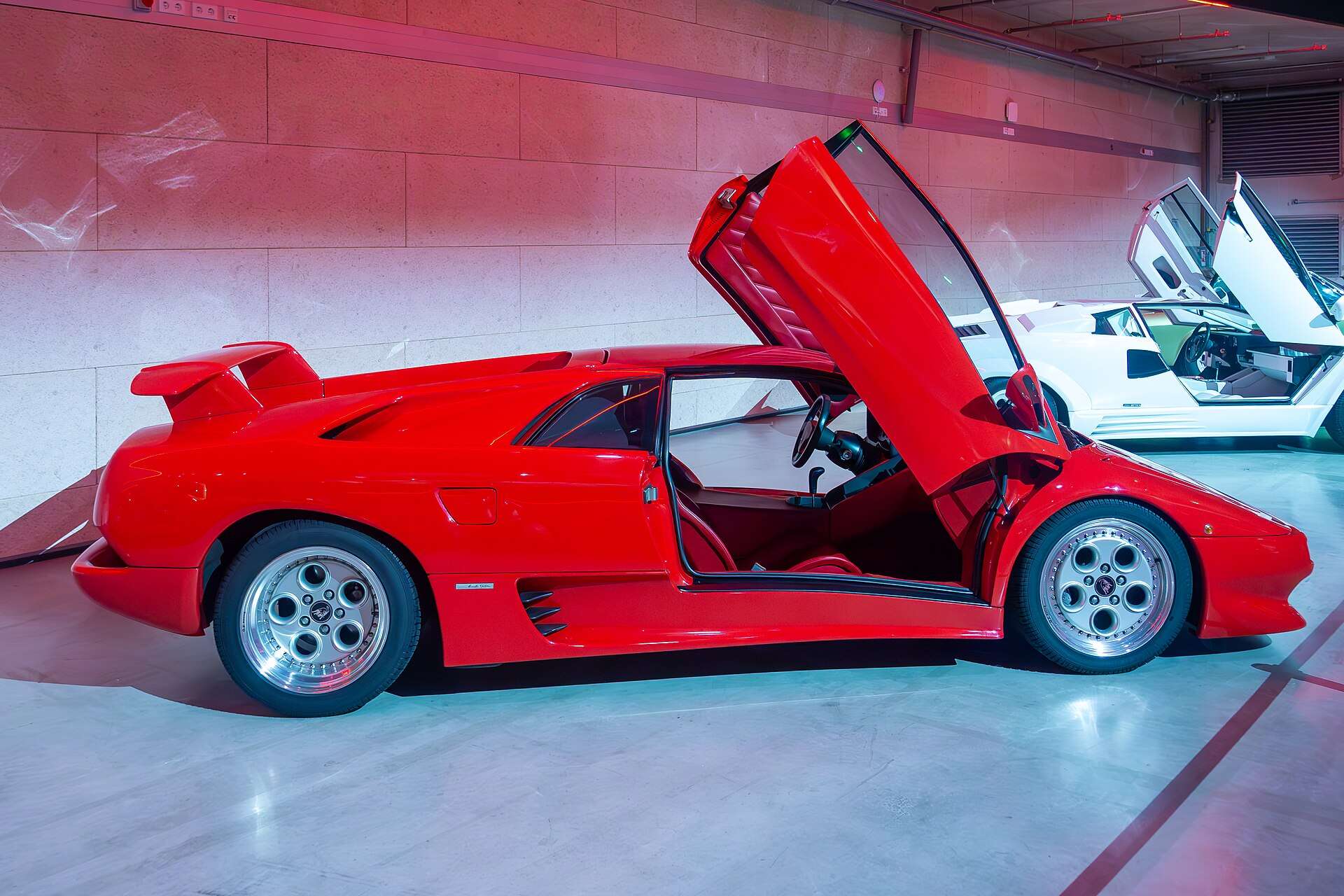
Featured image: red Lamborghini Diablo displayed with its scissor door raised. Photograph by Matti Blume, CC BY-SA 4.0, via Wikimedia Commons; locally hosted.
A new V12 flagship for the 1990s
Project P132 began as the Countach successor under Marcello Gandini. After Chrysler acquired Lamborghini, the design was softened and developed for production, but the cab-forward proportions, steep windscreen and scissor doors remained. The name came from a famous fighting bull, continuing Lamborghini’s established naming tradition.
The first Diablo used a 5.7-litre, four-cam V12 with electronic fuel injection, rated at 492 CV. It drove the rear wheels through a five-speed manual gearbox and was quoted at more than 200mph. Power-assisted steering and four-wheel drive were absent at first, giving early cars a demanding character. The 1993 Diablo VT added viscous-coupling all-wheel drive capable of sending a limited proportion of torque to the front axle, along with steering and chassis revisions.

Main versions and technical changes
| Version | Introduction | Engine and drive | Character |
|---|---|---|---|
| Diablo | 1990 | 5.7 V12, rear-wheel drive | Original 492 CV specification |
| VT | 1993 | 5.7 V12, all-wheel drive | Greater traction and usability |
| SE30 / Jota | 1993–1995 | 5.7 V12, rear-wheel drive | Lighter anniversary and track-focused forms |
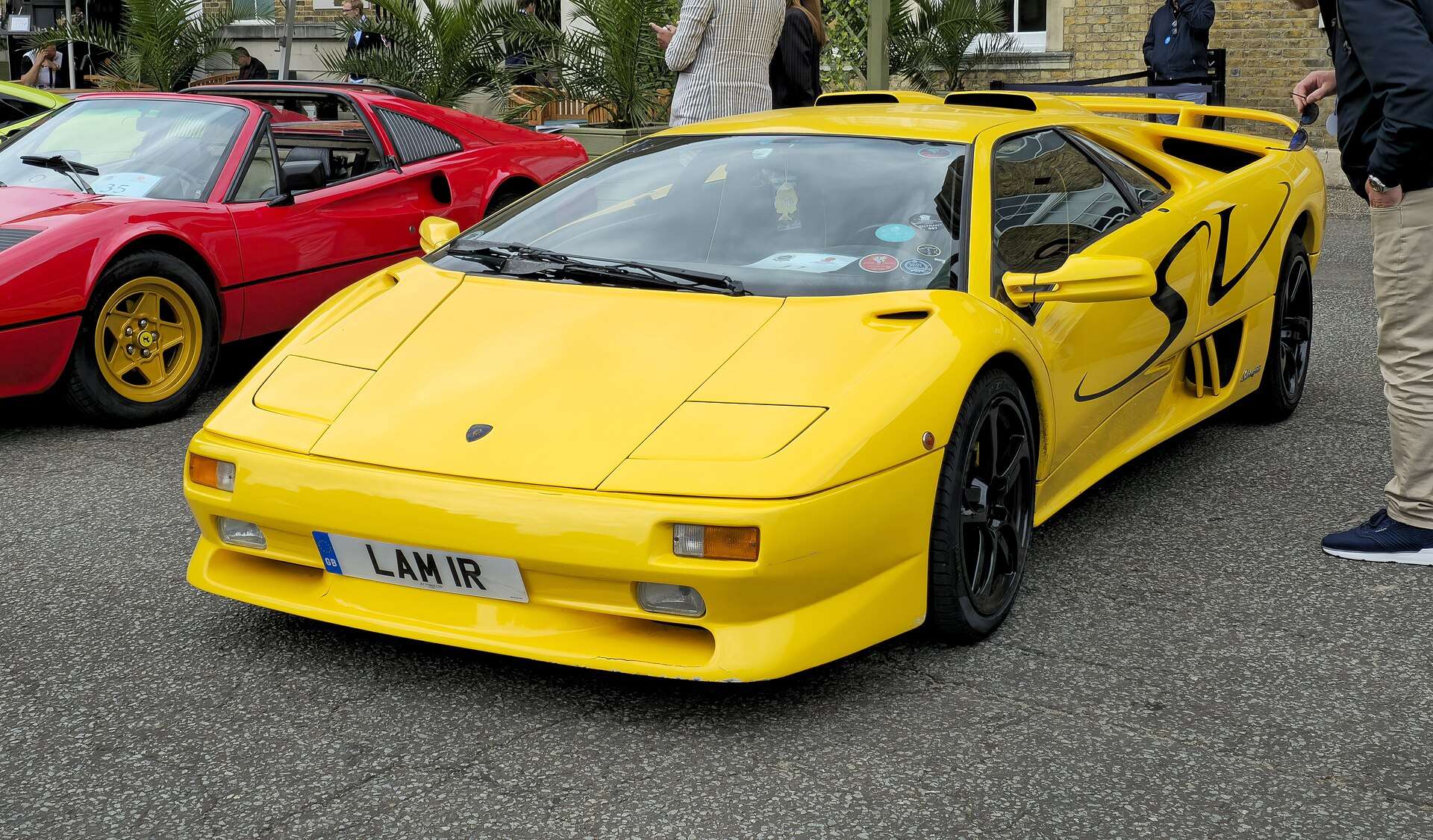
| SV | 1995 | 5.7 V12, rear-wheel drive | Higher output and rear-drive emphasis |
| GT | 1999 | 6.0 V12, rear-wheel drive | Limited, highly developed road-racer |
| VT 6.0 | 2000 | 6.0 V12, all-wheel drive | Audi-era final road version |
The SE30 celebrated Lamborghini’s thirtieth anniversary; the rare Jota equipment pushed it further towards circuit use. The SV revived the Super Veloce name. A 1999 facelift replaced pop-up headlamps, revised the dashboard and added variable valve timing. The 575 CV GT widened and lightened the body around a 6.0-litre engine. Luc Donckerwolke’s VT 6.0 restyle then brought clearer Audi-era finish and development without losing the Diablo’s basic architecture.
Love cars you don’t see every day?
Get forgotten cars, surprising motoring stories and the most interesting finds from Unusual Cars by email.
Free to join. No spam. Unsubscribe whenever you like. See our privacy policy.
Authenticity and version identification
Diablos are often updated visually with later bumpers, wheels, lamps, wings or SV graphics. Some track-derived parts are reproduced, and damaged cars have occasionally been rebuilt to resemble more valuable versions. Record the chassis and engine numbers, production plate, original colour, trim, market and option codes. Compare these with factory archive information and contemporary photographs.
Right-hand-drive cars were supplied to the UK in small numbers, but conversions and re-imports exist. Confirm original steering position and registration history rather than relying on the current dashboard. On SE30, Jota, SV, GT and special-edition cars, every claim should be supported by Lamborghini documentation. Tool kit, books, keys, luggage and original removed parts add confidence and value.
Structure, body and running gear
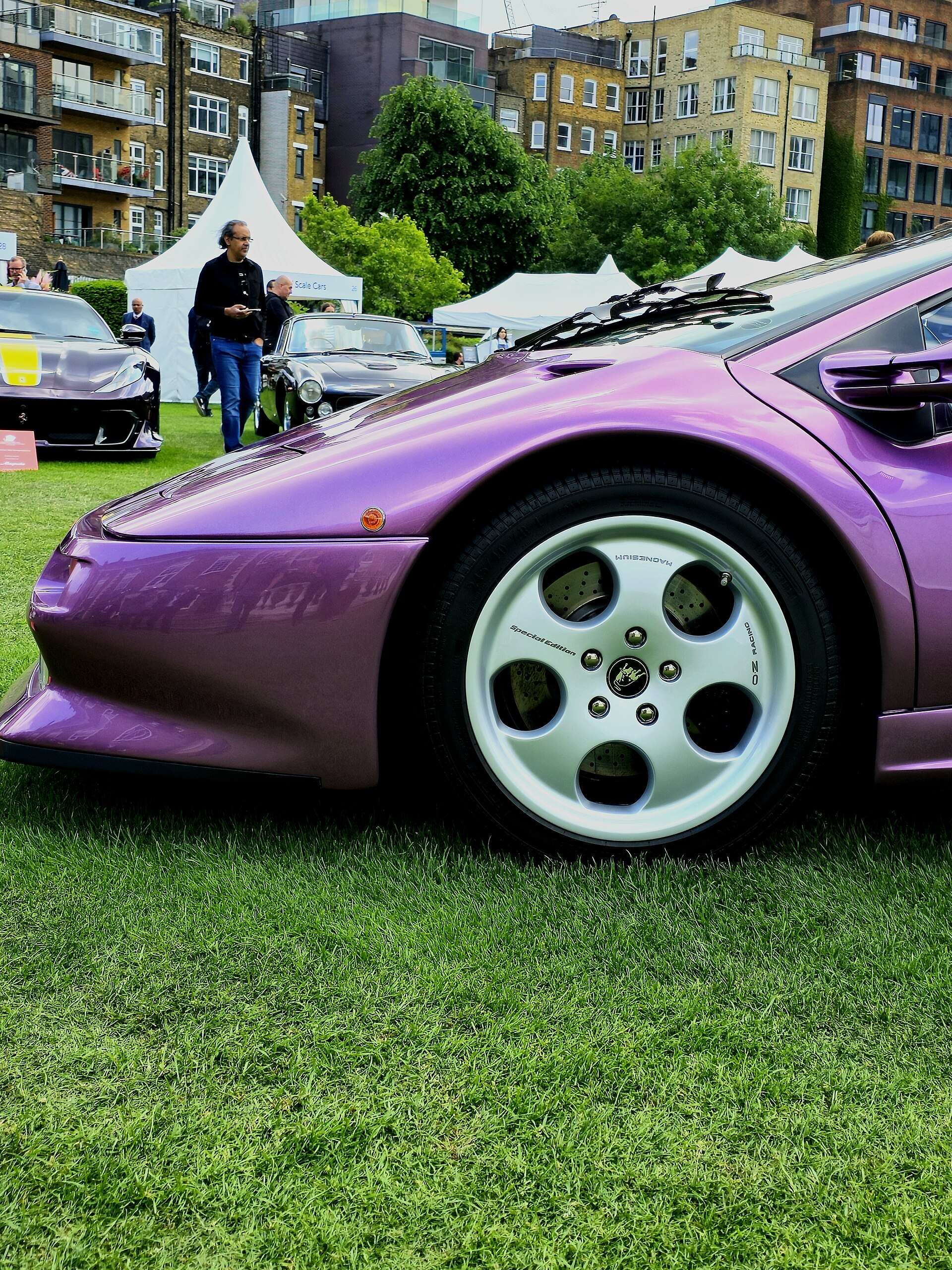
The steel spaceframe and suspension mountings must be measured for corrosion and impact damage. Composite and aluminium panels can hide repairs, while the long nose, sills and undertrays are easily grounded. Inspect door hinges and gas struts, glazing, lamp mechanisms on early cars and panel fit around the engine cover. Wheels should be checked for cracks and tyres for correct size, rating and age.
Test dampers, bushes, steering assistance and brake operation on a road with varied surfaces. Early cars without power steering are heavy at parking speeds but should become accurate when moving. VT cars need matching tyres of equal rolling circumference and a specialist check of the viscous coupling, front differential, driveshafts and transfer components. Carbon or competition components on rare versions require model-specific inspection.

V12, clutch, gearbox and electrics
Begin from cold and monitor oil pressure, coolant temperature, fan operation, exhaust smoke and warning lights. Inspect fuel hoses, pumps and tank areas, oil and coolant leaks, engine mounts, exhaust manifolds and catalyst condition. A compression or leak-down test is prudent. Heat can damage wiring and hoses, while a weak battery creates misleading fault symptoms.
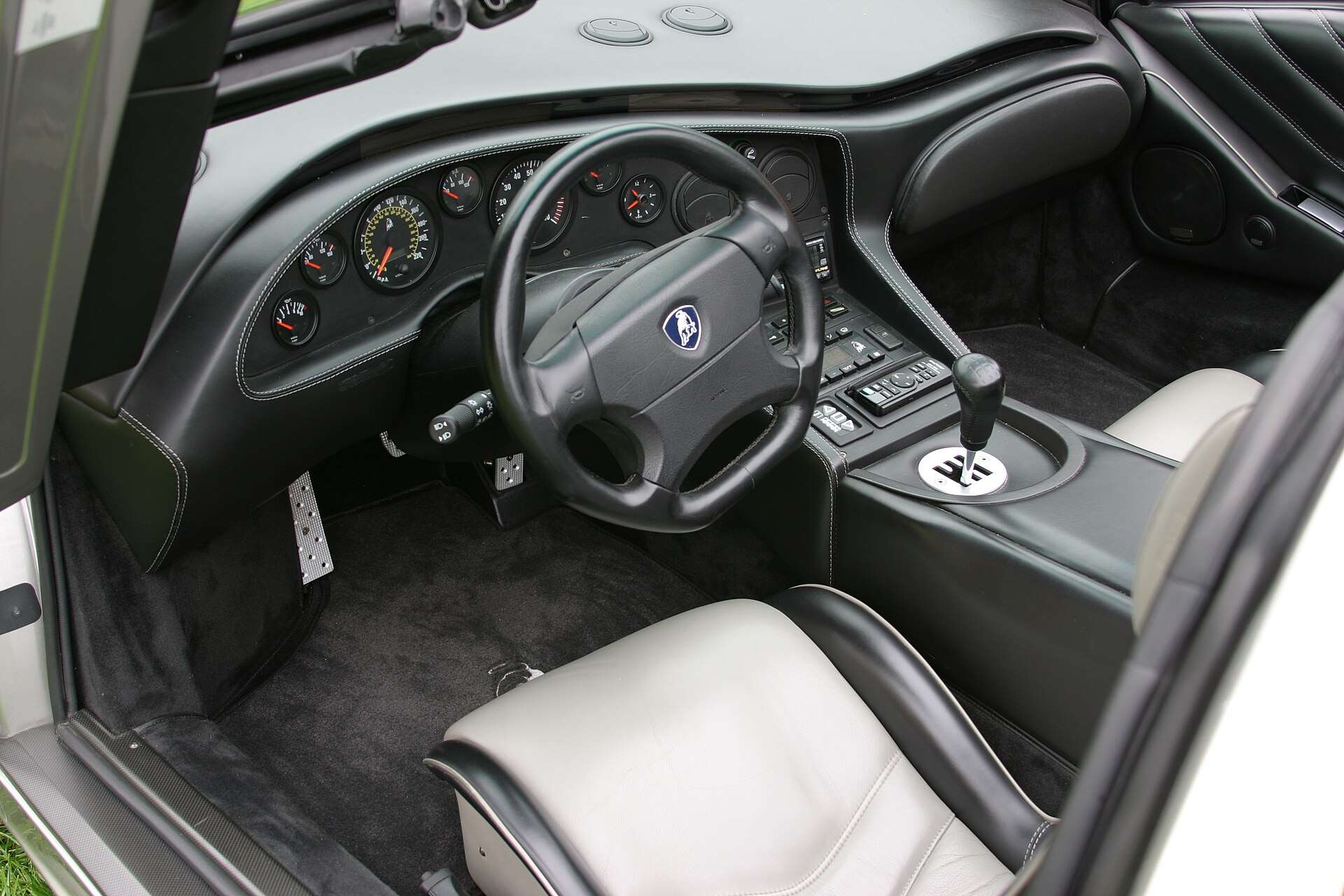
The clutch is costly and should engage cleanly without slip or excessive effort. The five-speed gearbox needs deliberate inputs but should not crunch once warm. Check synchromesh, linkage, differential noise and driveshaft joints. Test air conditioning, windows, central locking, instruments, alarm, lights and every switch. Parts availability varies sharply by version, so a minor missing trim piece can become a lengthy search.

Sources and further reading
- Lamborghini: Diablo history, versions and production
- Lamborghini: company milestones and model chronology
- RM Sotheby’s: early Lamborghini Diablo history and specifications
- Lamborghini Polo Storico: archive, restoration and certification services
Continue the Lamborghini story
Explore the complete Lamborghini hub. Continue with the Lamborghini Countach and Lamborghini Gallardo.
Frequently asked questions
When was the Lamborghini Diablo built?
The Diablo was produced from 1990 until 2001, bridging Lamborghini’s Chrysler and Audi ownership periods.
How many Lamborghini Diablos were made?
Lamborghini states that 2,903 Diablos were built across the model’s many versions.
What is the difference between a Diablo and Diablo VT?
The original Diablo is rear-wheel drive. The VT adds a viscous-coupling all-wheel-drive system plus associated chassis and usability revisions.
When did the Diablo lose its pop-up headlights?
Fixed exposed lamps arrived with the 1999 model update, alongside revised styling, cabin changes and variable valve timing.
What should be checked before buying a Diablo?
Verify the exact version and factory specification, then inspect the frame, body, cooling and fuel systems, V12, clutch, gearbox, VT driveline if fitted, suspension, brakes, tyres and electrics.