UNUSUAL CARS MODEL GUIDE
The Lamborghini Gallardo was the compact V10 model that transformed Lamborghini from a tiny-volume exotic manufacturer into a broader modern sports-car company. Built from 2003 to 2013, it combined Audi-supported engineering with unmistakable Italian design and appeared as coupé, Spyder, all-wheel-drive, rear-wheel-drive and lightweight derivatives.
Quick answer: 14,022 Gallardos were built, making it far more numerous than any earlier Lamborghini. That does not make maintenance ordinary. Before buying, identify the exact version and transmission, scan every control unit and obtain a specialist inspection of clutch wear, E-gear hydraulics or manual linkage, V10, cooling, suspension, brakes, front lift, body, understructure and complete service history.
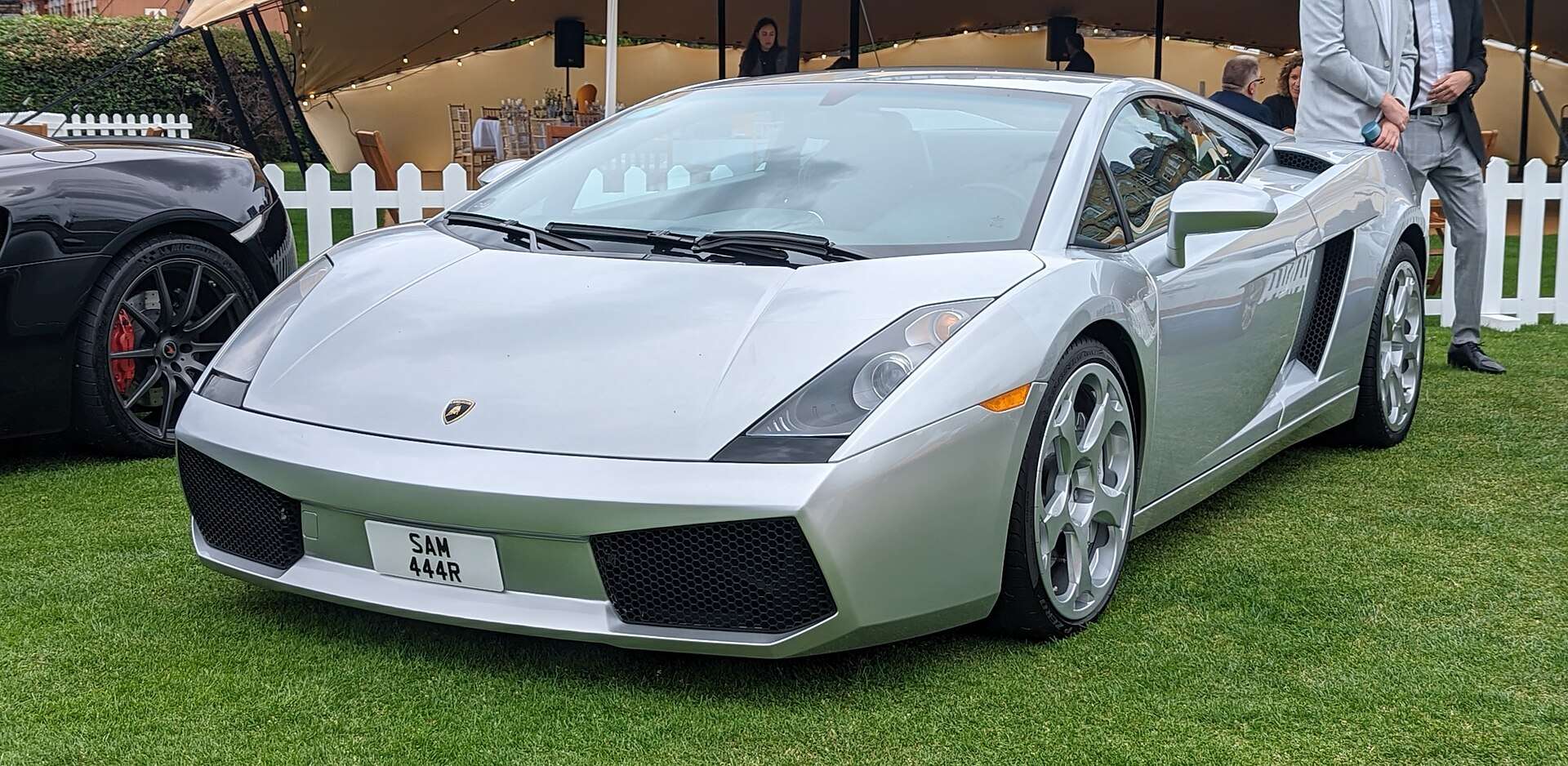
Featured image: silver Lamborghini Gallardo front three-quarter view. Photograph by Calreyn88, CC BY-SA 4.0, via Wikimedia Commons; locally hosted.
The Lamborghini that expanded the company
Lamborghini had explored a smaller model for decades, but the Gallardo was the first to reach sustained production. Its name referred to a Spanish fighting-bull bloodline. The design developed ideas from Italdesign’s earlier Calà concept, while Luc Donckerwolke and Lamborghini Centro Stile shaped the production car’s sharp surfaces and cab-forward proportions.
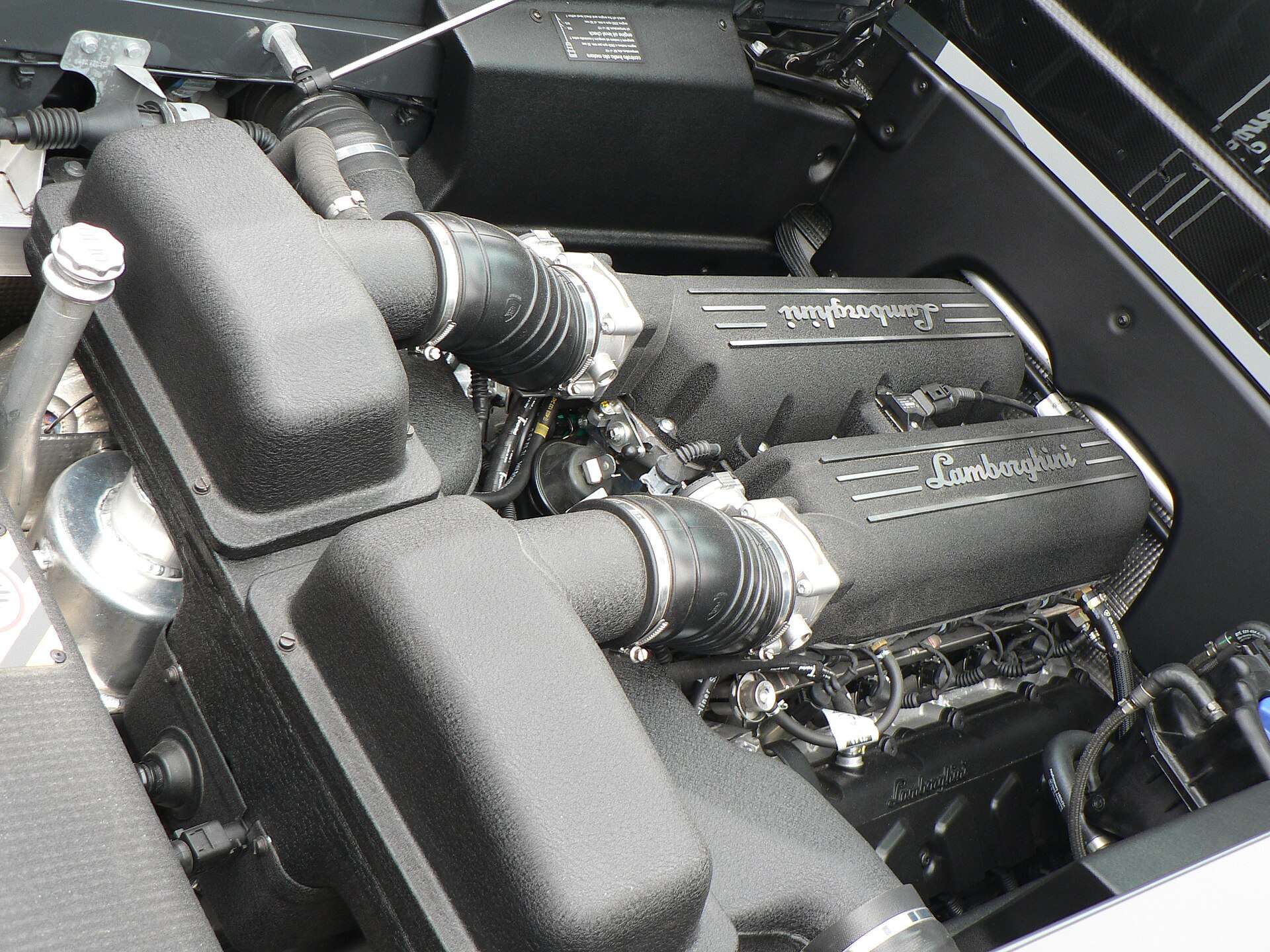
A 5.0-litre V10 sat longitudinally behind the cabin and drove all four wheels through a six-speed manual or six-speed E-gear automated manual. Lamborghini quotes 510 horsepower at launch, with a later update commonly listed at 520 PS. The aluminium spaceframe and body were closely related in concept to the contemporary Audi R8, but the Lamborghini retained its own engine tuning, four-wheel-drive calibration, styling and cabin character.
Versions and the LP560 transformation
| Version | Engine | Drive | Key point |
|---|---|---|---|
| Gallardo coupé | 5.0 V10 | All-wheel drive | Original 2003 model; manual or E-gear |
| Gallardo Spyder | 5.0 V10 | All-wheel drive | Powered fabric roof and reinforced structure |
| Superleggera | 5.0 or later 5.2 V10 | All-wheel drive | Reduced weight and sharper chassis |
| LP560-4 | 5.2 V10 | All-wheel drive | 2008 major redesign with direct injection and 560 CV |
| LP550-2 | 5.2 V10 | Rear-wheel drive | Balboni and later rear-drive derivatives |
| LP570-4 | 5.2 V10 | All-wheel drive | Superleggera, Performante and late specials |
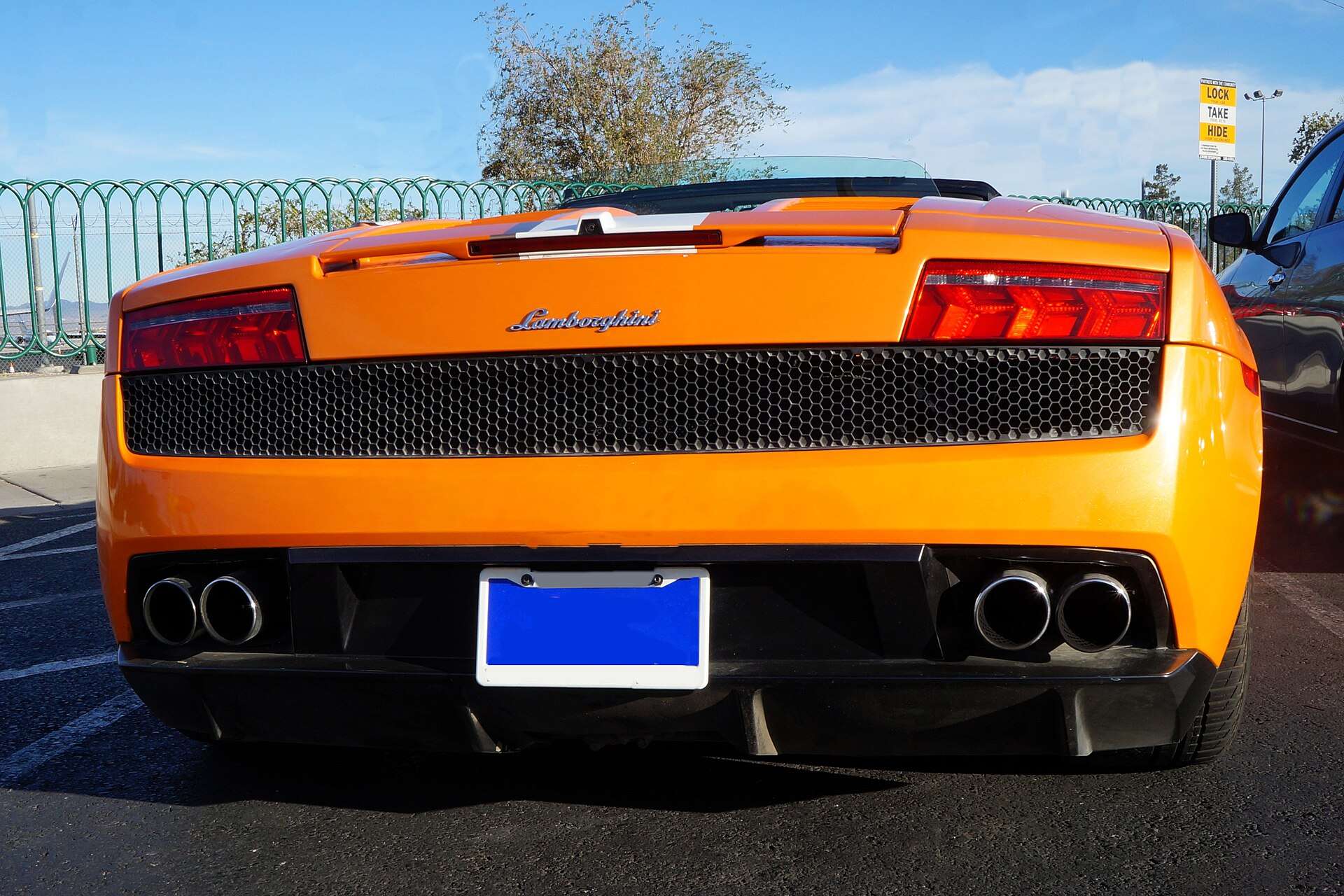
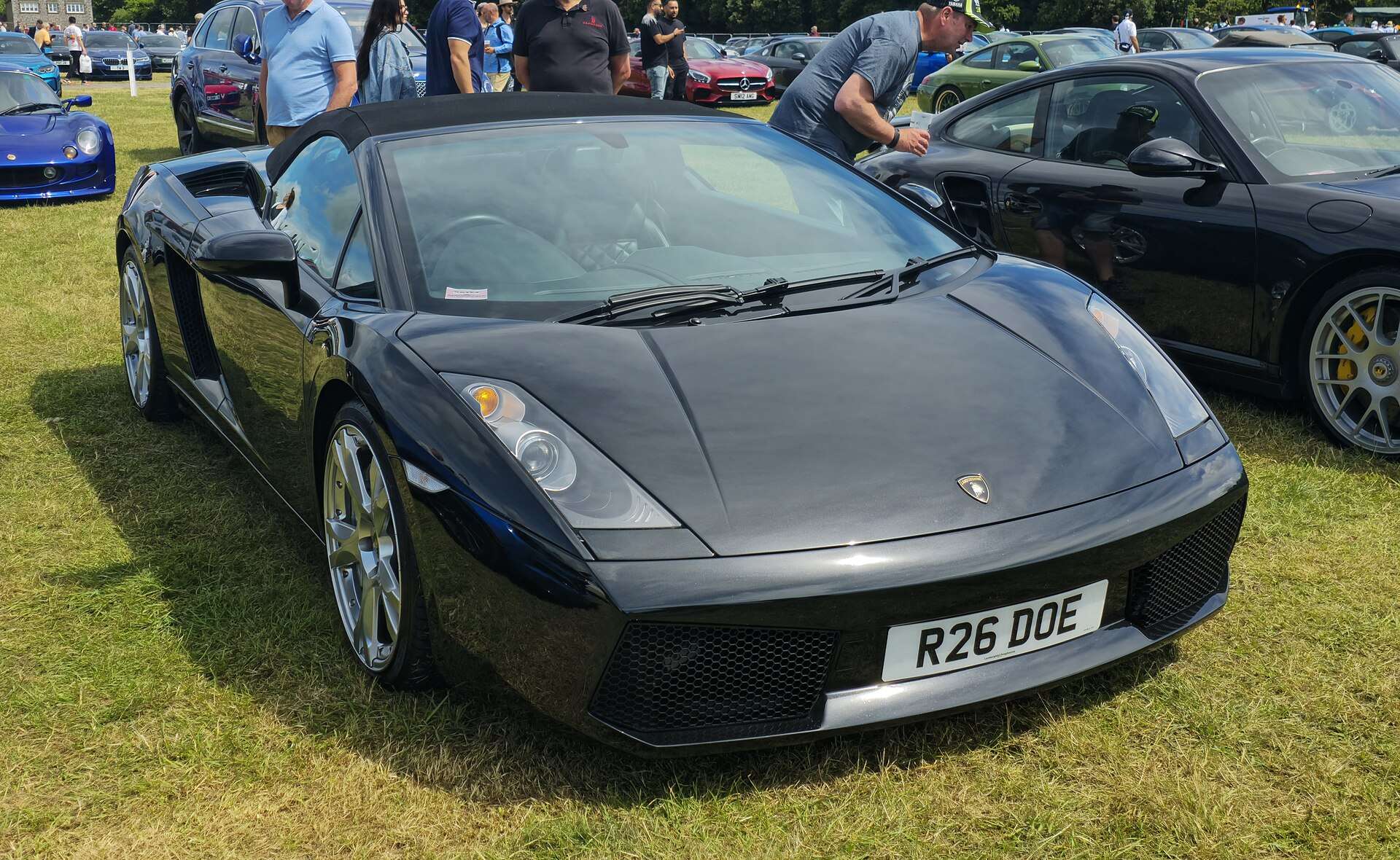
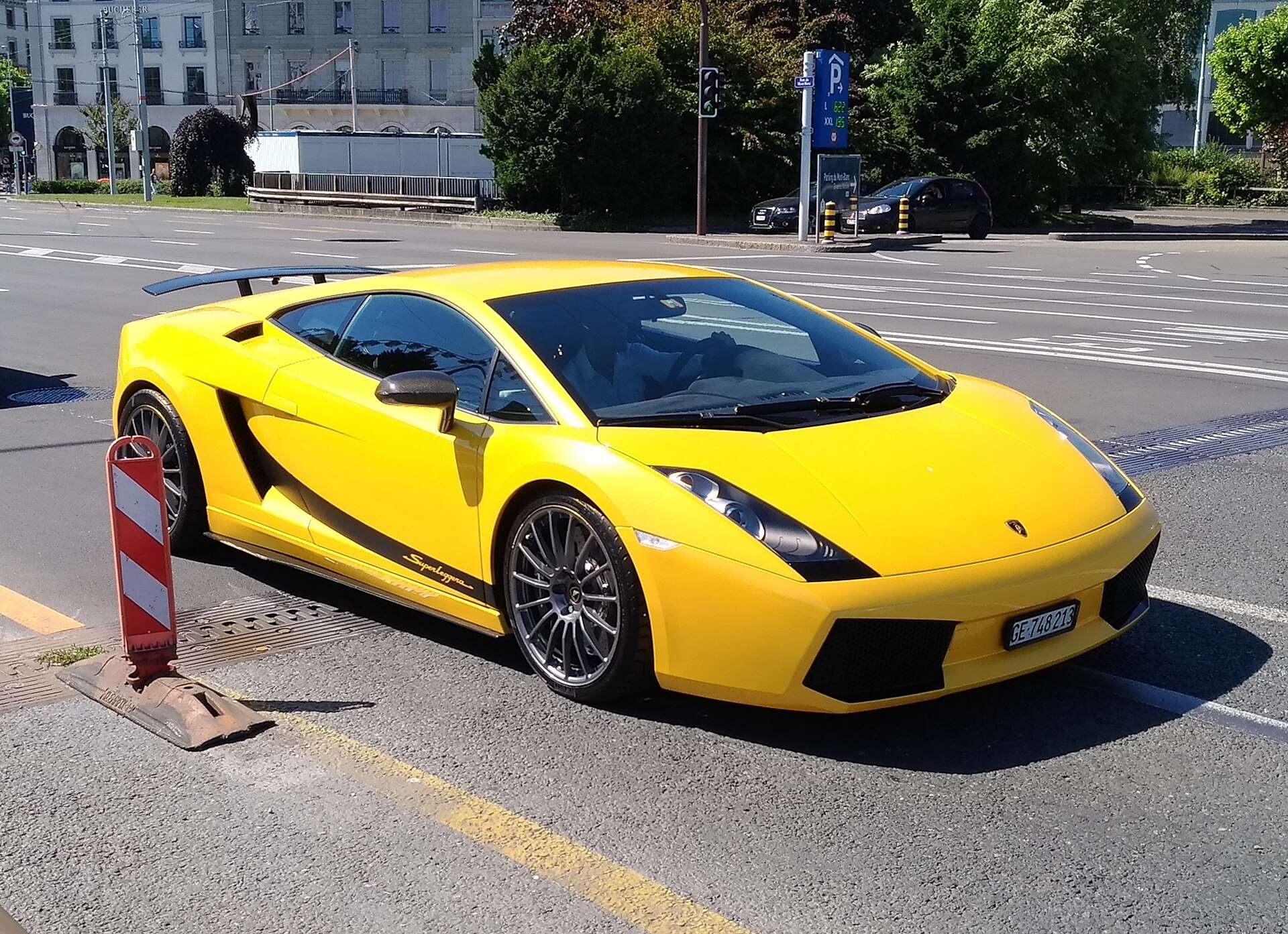
The 2008 LP560-4 was more than a facelift. It introduced a 5.2-litre direct-injection V10, revised four-wheel drive, new styling and a faster E-gear system. The LP550-2 Valentino Balboni then created a limited rear-wheel-drive model named after Lamborghini’s long-serving test driver; broader LP550-2 production followed. LP570-4 Superleggera and Spyder Performante models reduced weight, while the Super Trofeo Stradale and Squadra Corse translated one-make racing themes to the road.
Love cars you don’t see every day?
Get forgotten cars, surprising motoring stories and the most interesting finds from Unusual Cars by email.
Free to join. No spam. Unsubscribe whenever you like. See our privacy policy.
Manual, E-gear and specification checks
Both transmissions use a conventional clutch. The gated manual operates it with a pedal; E-gear uses electrohydraulic actuators. Factory manual cars are much rarer, especially among later derivatives, so conversion claims need careful documentation. An E-gear car is not inherently a poor choice, but clutch wear percentage, kiss-point setup, pump cycle time, actuator condition and hot low-speed behaviour must be measured rather than guessed.
Confirm model, market, original colour and options from the build information. Superleggera, Balboni, Performante and numbered specials require exact authentication because wheels, stripes, wings and carbon parts can be retrofitted. Check books, keys, tools and invoices. Regular use and annual servicing are preferable to long gaps followed by cosmetic preparation.

Engine, cooling and drivetrain
Start the V10 cold and watch for smoke, oil-pressure or engine warnings, misfires and uneven idle. Inspect oil and coolant leaks, radiators and condensers, water pump, hoses, engine mounts, exhaust valves and heat shielding. Early engines and later direct-injection units have different diagnostic priorities, so use a specialist familiar with the exact model year. A scan should record stored faults rather than simply clear them.
On all-wheel-drive cars, mismatched tyre brands, sizes or wear levels can stress the driveline. Listen for front differential, propshaft and wheel-bearing noise. Rear-wheel-drive models need particularly careful accident and tyre-history assessment. The clutch condition must be considered alongside driving style and calibration; a percentage reading is useful only when interpreted by someone who understands the system.
Body, suspension, brakes and cabin
Inspect the aluminium structure, bonded and bolted sections, suspension mountings and undertrays for accident repair or grounding. Front bumpers and radiators sit low, and a failed nose-lift system can make damage more likely. Check dampers, wishbone bushes, ball joints, steering, wheel alignment and tyre wear. Steel brakes should be measured for wear and corrosion; carbon-ceramic discs need specialist condition assessment because replacement is expensive.
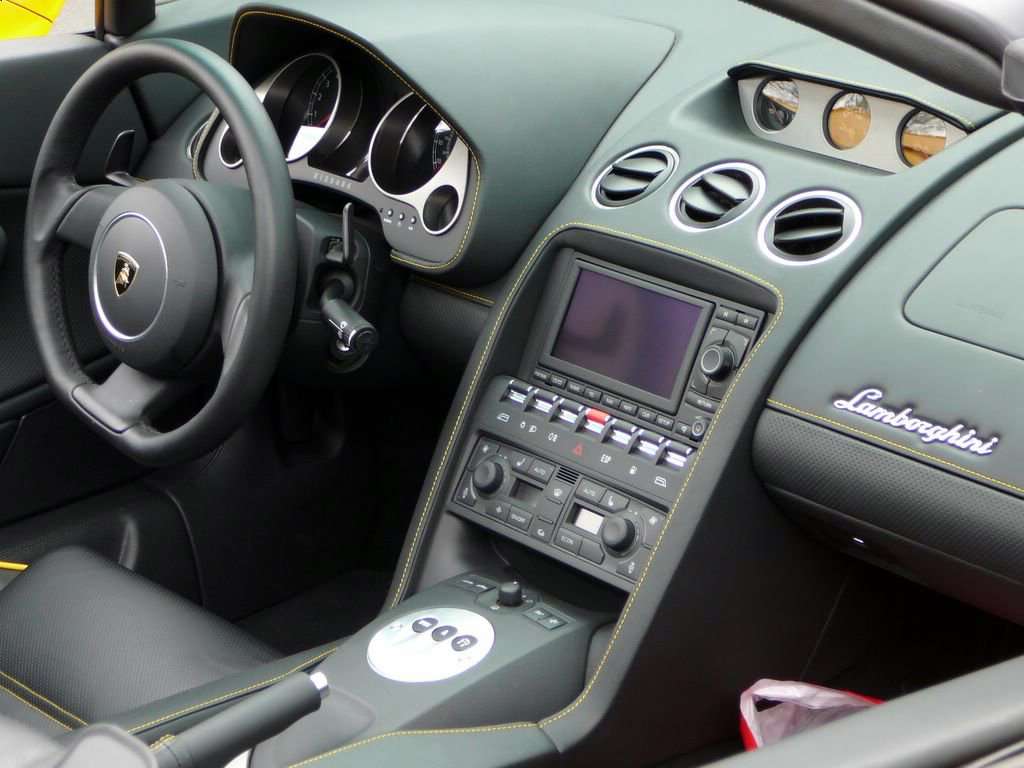
Test air conditioning, windows, locks, instruments, infotainment, reversing camera, lift system and every warning lamp. Sticky soft-touch coatings and worn seat bolsters are common but can reveal mileage and care. On Spyders, cycle the roof several times and inspect its fabric, drains, hydraulic operation and seals. Water ingress or a slow mechanism should not be dismissed as adjustment.
Sources and further reading
- Lamborghini: Gallardo history, design and production
- Lamborghini: Gallardo LP550-2 Valentino Balboni
- Supercars.net: Gallardo version chronology and specifications
- Supercars.net: Gallardo buying guide and ownership checks
- Lamborghini Polo Storico: classic Lamborghini services
Continue the Lamborghini story
Explore the complete Lamborghini hub. Continue with the Lamborghini Diablo and Lamborghini Countach.
Frequently asked questions
How many Lamborghini Gallardos were built?
Lamborghini produced 14,022 Gallardos between 2003 and 2013.
What is the difference between an early Gallardo and LP560-4?
The LP560-4 introduced a 5.2-litre direct-injection V10 with 560 CV, revised styling, updated all-wheel drive and a faster E-gear system.
Is E-gear an automatic gearbox?
It is an electrohydraulically operated six-speed manual with a conventional clutch, not a torque-converter automatic or dual-clutch transmission.
Were rear-wheel-drive Gallardos made?
Yes. The limited LP550-2 Valentino Balboni introduced the best-known rear-drive version, followed by other LP550-2 derivatives.
What should be checked before buying a Gallardo?
Obtain a diagnostic scan and specialist inspection covering clutch wear, E-gear or manual operation, V10, cooling, driveline, suspension, brakes, nose lift, body, tyres, electrics and service history.