UNUSUAL CARS MODEL GUIDE
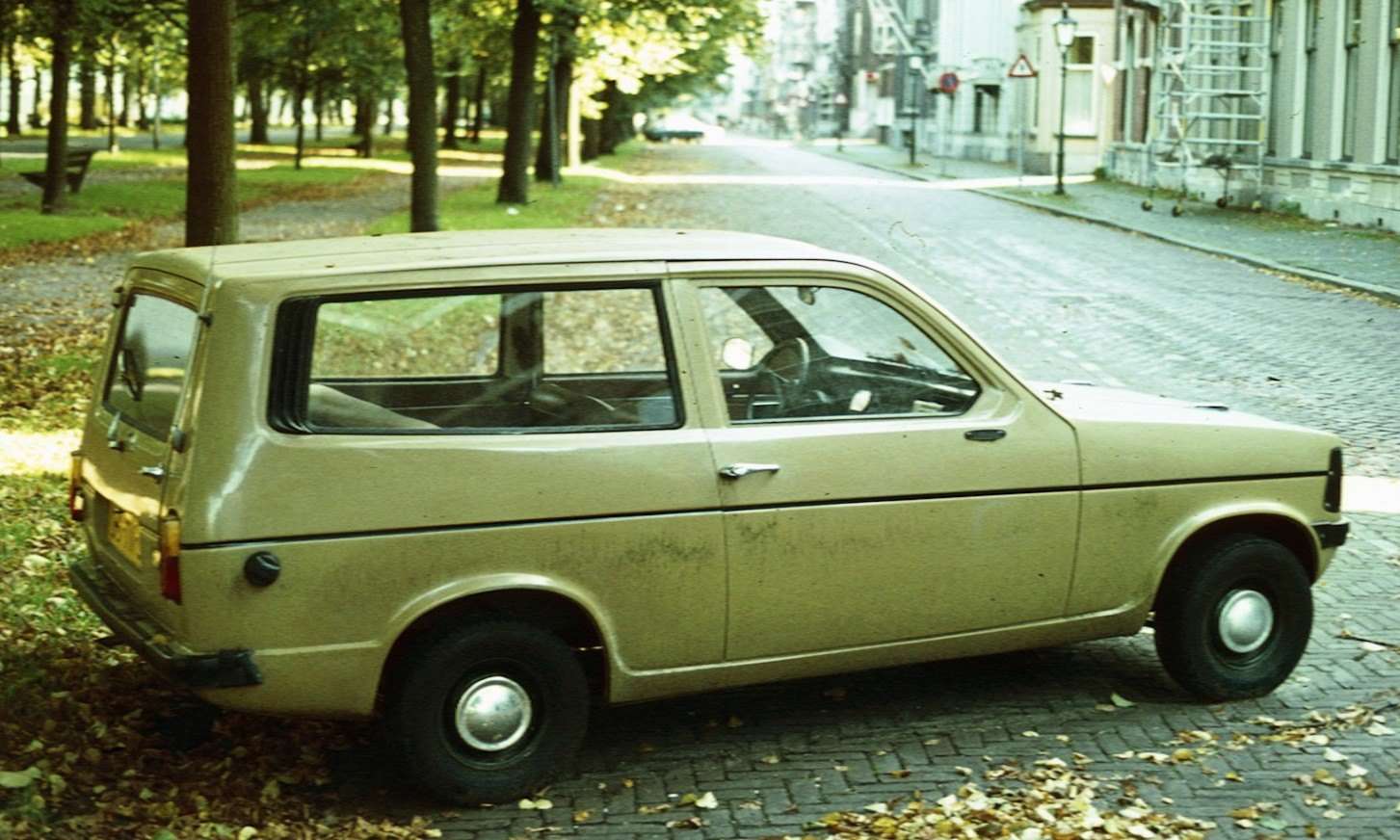
The Reliant Kitten was the company’s lightweight four-wheeled economy car, launched in 1975 with Ogle styling, an 848cc aluminium engine and independent front suspension. Saloon, estate and van versions offered Robin simplicity without the single front wheel.
Quick answer: Reliant built 4,551 Kittens between 1975 and 1982 according to the Reliant Motor Club. Buyers should prioritise the separate chassis, front suspension, glassfibre body mountings, cooling, driveline and completeness; the similar-looking Robin does not make every part interchangeable.
Featured image: Reliant Kitten. Photograph by Kieran White from Manchester, England, CC BY 2.0, via Wikimedia Commons; locally hosted.
A four-wheel companion to the Robin
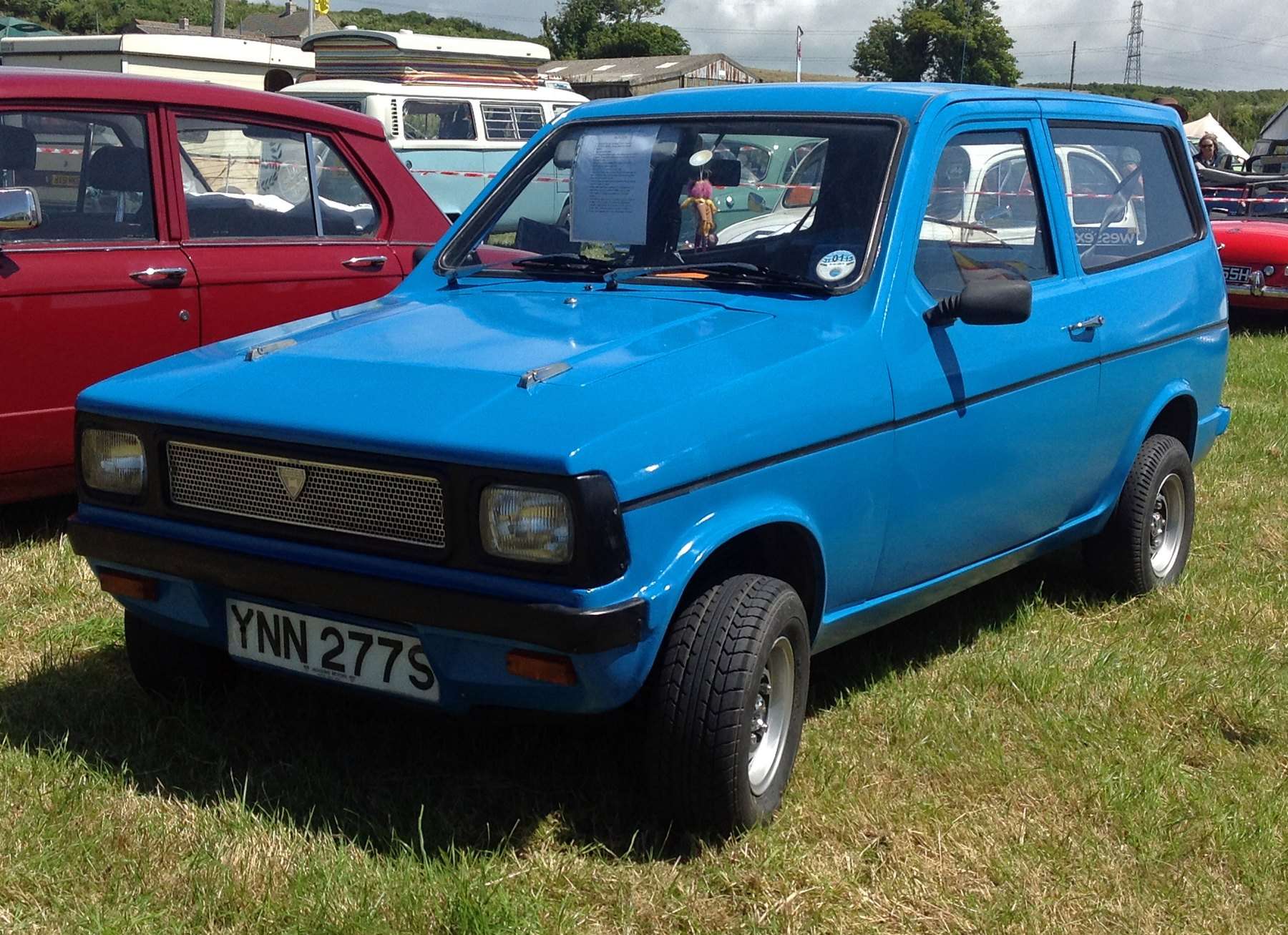
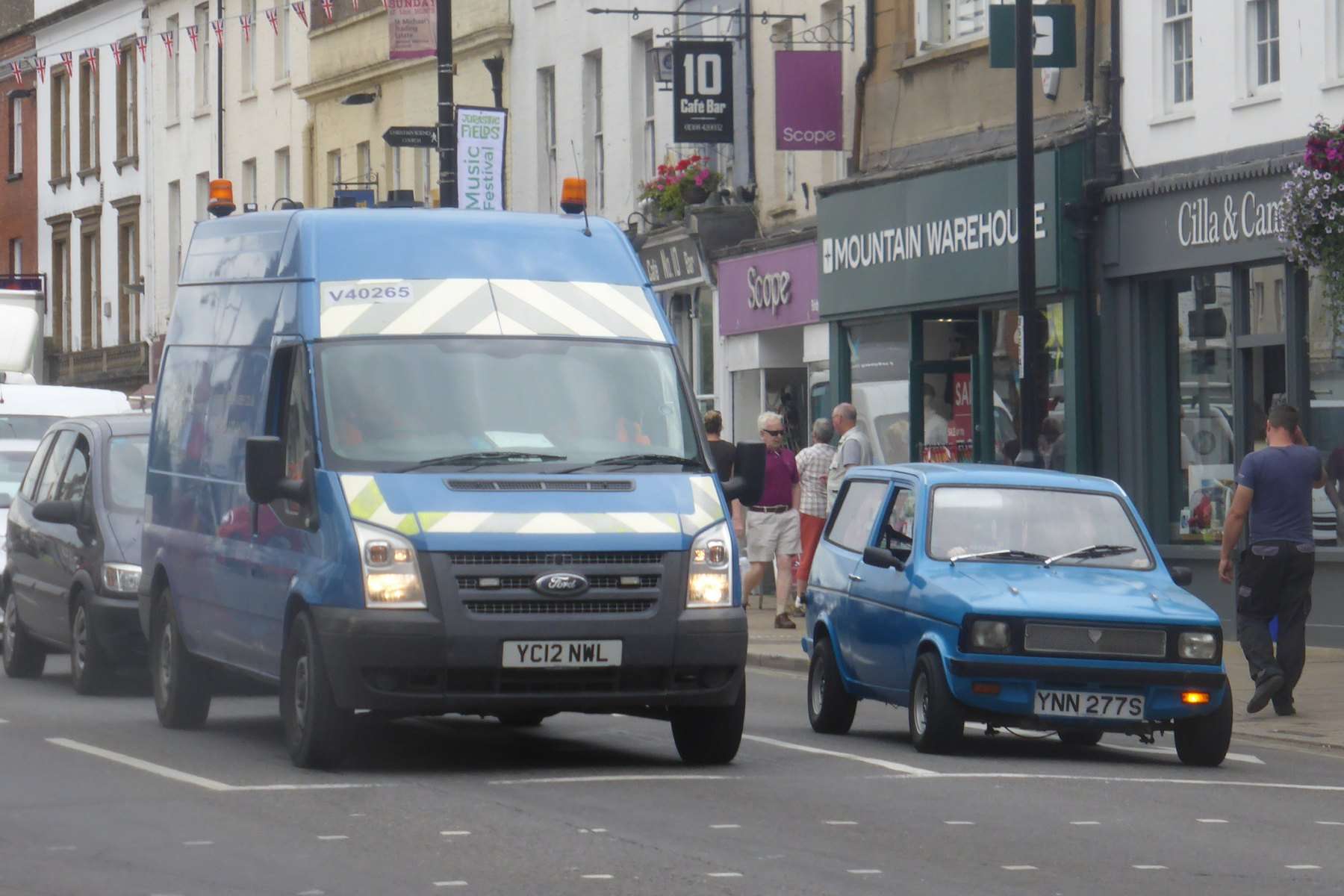
Reliant had already explored small four-wheel economy cars with the Rebel. For the Kitten, launched at the 1975 Earls Court Motor Show, it sought much greater commonality with the Robin. Ogle Design’s FW10 project shared numerous parts but gained a distinct square-lamped nose, rubber bumper covers and its own all-new chassis.
The 848cc Reliant engine produced 40 bhp in Kitten specification. Independent front suspension used double wishbones, tie bars and an anti-roll bar, with rack-and-pinion steering. Low weight helped the car offer lively performance and period fuel-economy claims around 60 mpg.
Saloon, estate, DL and van
| Version | Introduction | Main distinction |
|---|---|---|
| Kitten saloon | 1975 | Two-door economy car with separate boot and square headlamps. |
| Kitten estate | 1975 | Side-opening rear door, folding seat and useful load space. |
| Kitten DL | October 1976 | Revised interior, inertia-reel belts and suspension detail changes. |
| Kitten van | January 1977 | Six-cwt commercial derivative, offered with or without a passenger seat. |
The Reliant Motor Club records total production of 4,551 vehicles by the time manufacture ended in 1982. The design continued overseas as the Sipani Dolphin and later derivatives assembled in India.
Love cars you don’t see every day?
Get forgotten cars, surprising motoring stories and the most interesting finds from Unusual Cars by email.
Free to join. No spam. Unsubscribe whenever you like. See our privacy policy.
Engine and driving character
The 848cc engine is a water-cooled overhead-valve four with an aluminium block and head. It should start cleanly, hold oil pressure when hot and maintain stable coolant temperature. Inspect the water pump, radiator, hoses, carburettor, ignition, fuel tank and lines, especially after long periods of storage.
A Kitten is light and direct rather than powerful. The four-speed gearbox, clutch, propshaft and differential should operate without severe vibration or whine. Rack-and-pinion steering and independent front suspension give it a more conventional feel than a three-wheeler, and excessive wander or pulling indicates wear or poor alignment.
Chassis and glassfibre body
The outer panels do not rust, but the separate steel chassis, suspension pick-ups and fasteners do. Inspect the front structure, wishbone and tie-bar mounts, outriggers, floor and seat supports, rear spring areas and evidence of repairs. A body that looks tidy can still sit on a seriously weakened frame.
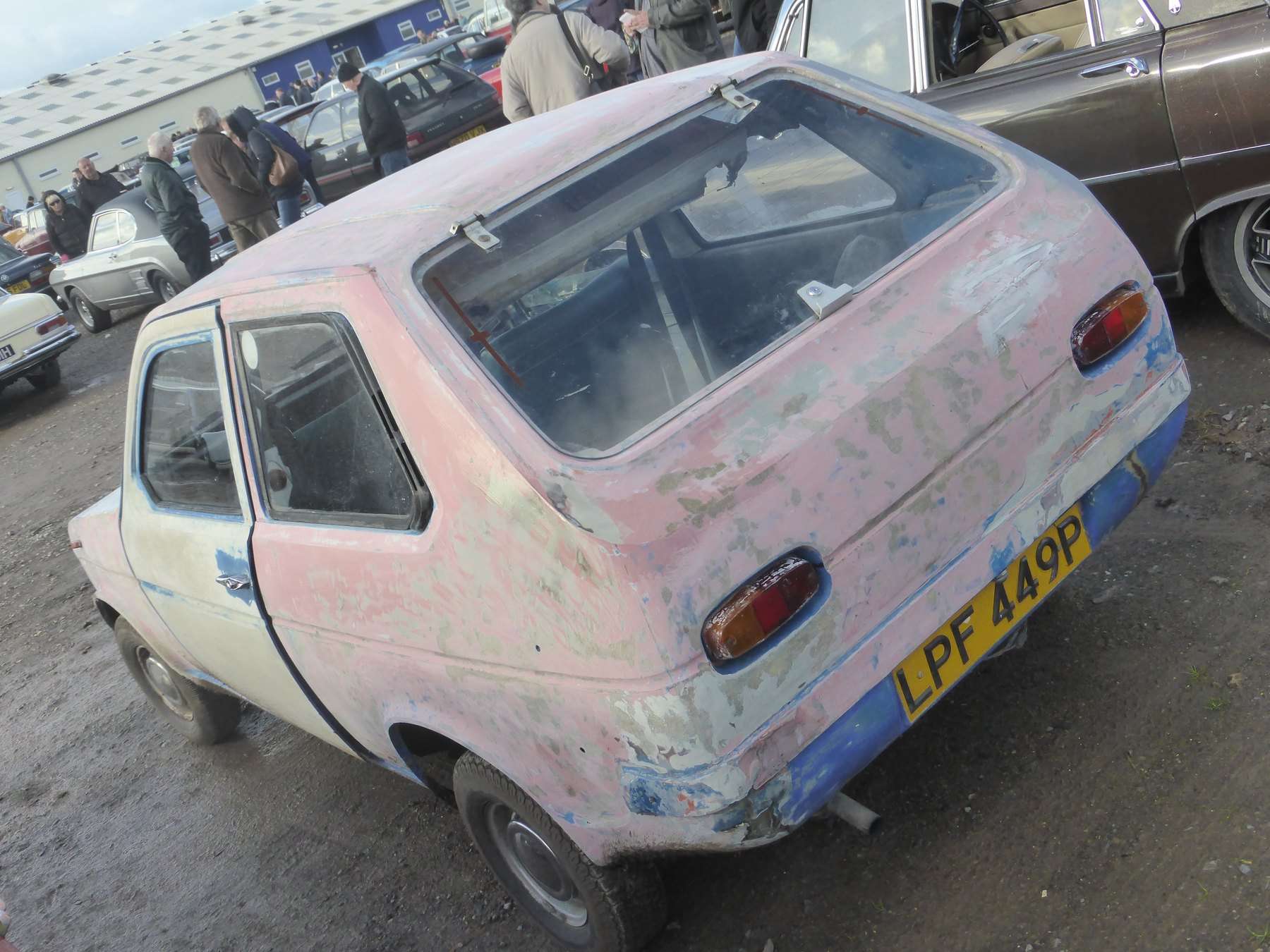
Look for stress cracks around door hinges, catches, bonnet and tailgate mountings, lamps and window apertures. Check panel alignment, water ingress and the condition of seals. Poorly supported accessories and old accident repairs can damage glassfibre well beyond the visible crack.
Parts interchange and originality
Robin commonality helps, but it can also mislead. Engines and complete assemblies may interchange while carburettors, distributors, starters, clutches, suspension pieces and trim differ by period and specification. Record casting numbers and dimensions before ordering parts.
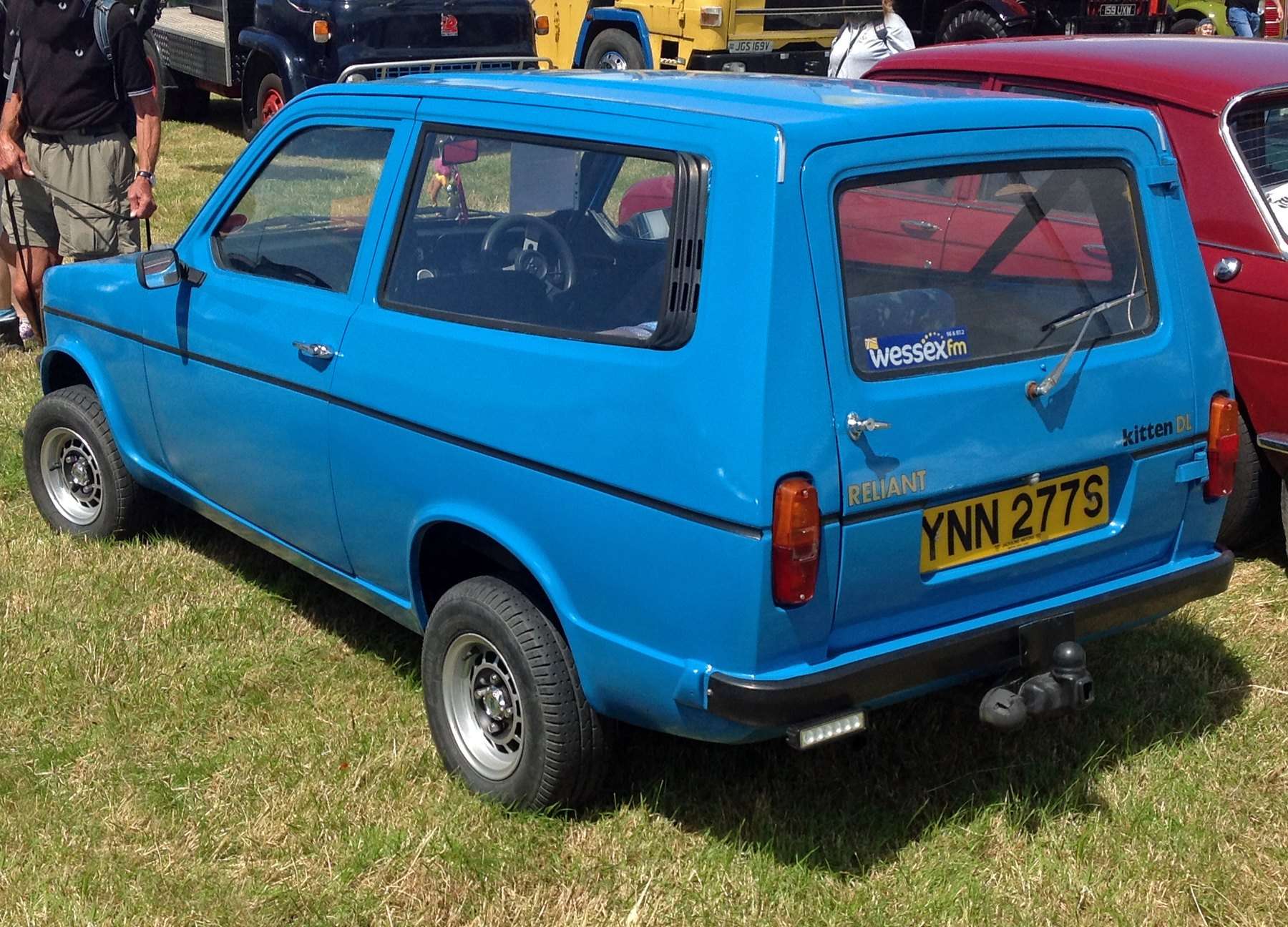
Square headlamps, rubber bumpers, side-window vents, dashboard details and estate or van fittings define a correct Kitten. Modified cars can be enjoyable, but conversions should be engineered and documented rather than assembled from whatever fitted.
Buying a Reliant Kitten
Inspect the car on a lift, start it cold and drive it until fully warm. Test steering, braking, suspension, gearbox and axle, then check every light, instrument, lock and seal. Match the VIN, chassis and registration record and establish whether an apparent estate, van or conversion began life in that form.
The strongest car is complete, structurally sound and supported by owners’ club knowledge and invoices. A cosmetically tired but solid Kitten can be a better proposition than fresh paint over weak mounts, while a rare van or early saloon may justify extra effort only if its missing parts can be found.

Sources and further reading
- Reliant Motor Club: Kitten history
- Reliant Motor Club: period Kitten brochures
- Reliant Motor Club: Reliant engine specifications
- Reliant Kitten Register
Continue the Reliant story
Explore the complete Reliant hub. Continue with Reliant Robin, Reliant Fox.
Frequently asked questions
When was the Reliant Kitten built?
Reliant produced the Kitten from 1975 to 1982.
How many Reliant Kittens were made?
The Reliant Motor Club records total production of 4,551 vehicles.
Is the Kitten a four-wheeled Robin?
It shares numerous components and design ideas with the Robin, but it has four wheels, its own chassis and independent front suspension.
What engine does it use?
It uses Reliant’s 848cc water-cooled aluminium four-cylinder engine, rated at 40 bhp in period Kitten specification.
What should a buyer inspect first?
The steel chassis and suspension mounts, glassfibre mounting points, cooling, driveline, brakes and rare model-specific fittings.