UNUSUAL CARS MODEL GUIDE
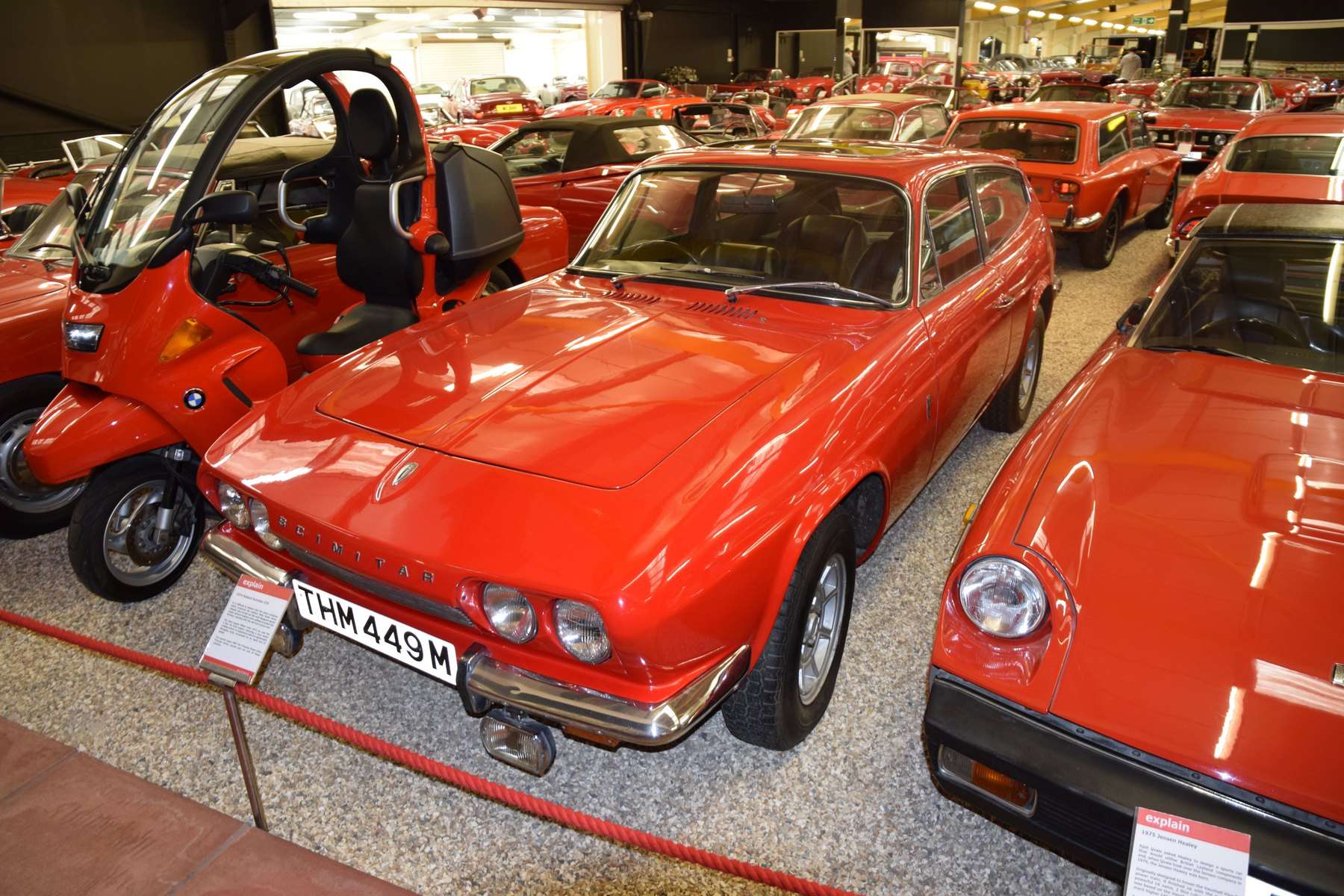
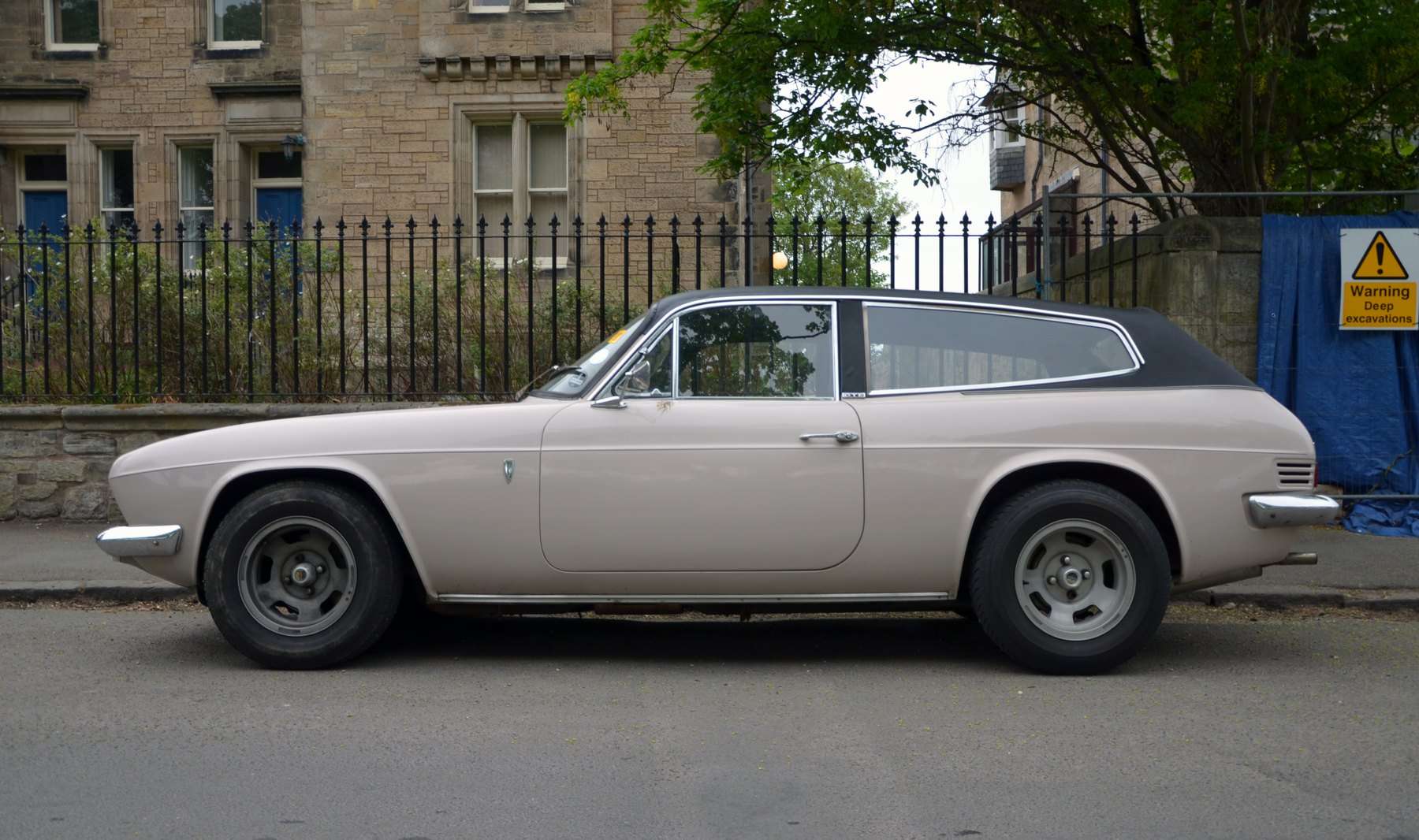
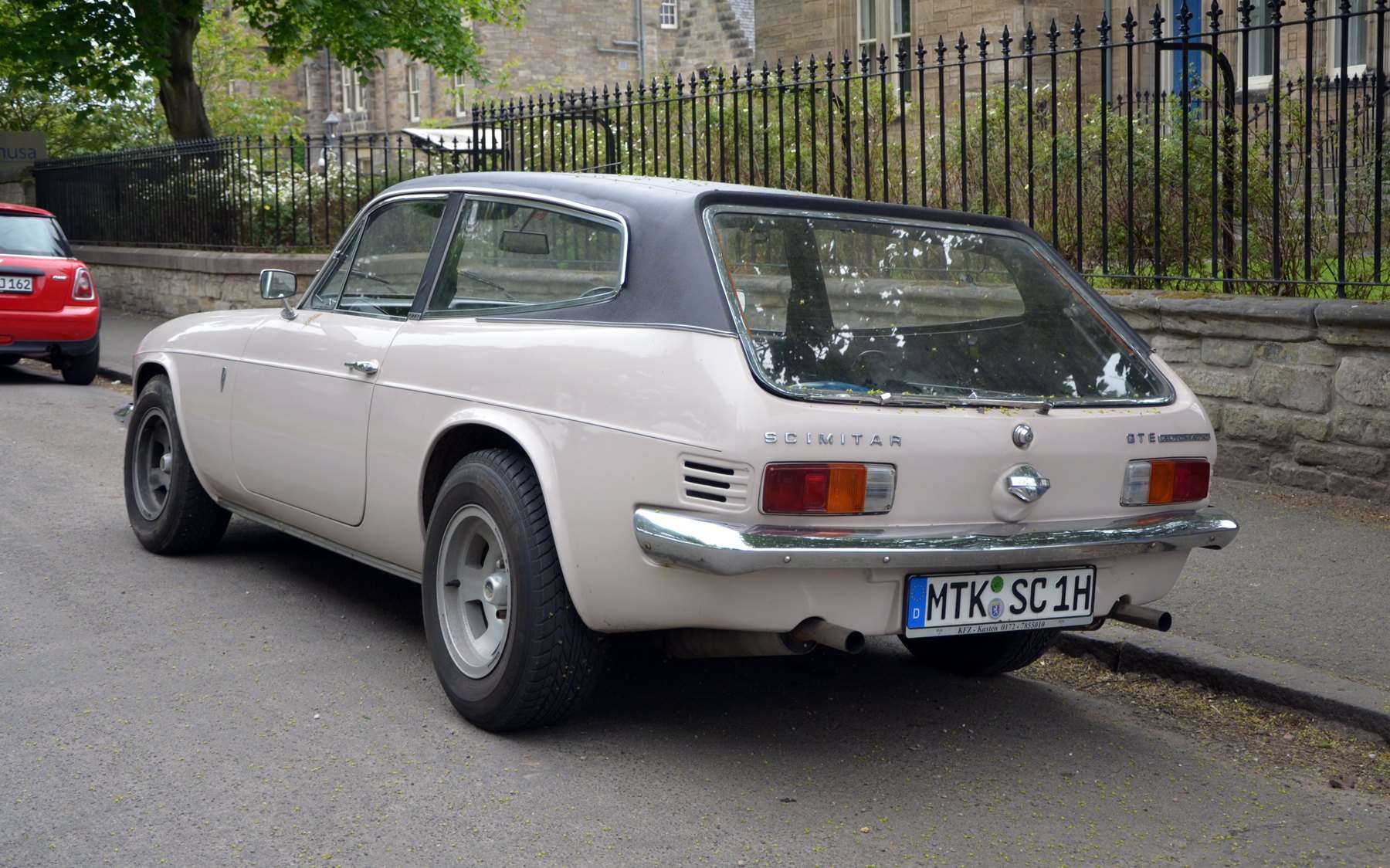
The Reliant Scimitar GTE is the British sporting estate that turned a Ford V6, a separate chassis and a glassfibre body into one of the most distinctive grand tourers of the 1960s, 1970s and 1980s. The compact SE5 and broader SE6 families require different buying priorities.
Quick answer: The SE5 and SE5a are the lighter, more compact Essex-V6 cars; the SE6 series is wider and more luxurious, with the SE6b switching to the 2.8-litre Cologne V6. On every version, inspect the chassis, cooling, fuel system, suspension, brakes and completeness before judging the body finish.
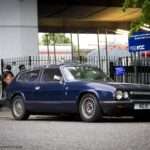
Featured image: Reliant Scimitar GTE. Photograph by Hugh Llewelyn from Keynsham, UK, CC BY-SA 2.0, via Wikimedia Commons; locally hosted.
How the sporting estate was created
Reliant’s Scimitar GT coupé established the name, but the GTE transformed it. Tom Karen and Ogle Design developed the new shooting-brake body, combining four usable seats and a large glass hatch with the performance of Ford’s 3.0-litre Essex V6. The SE5 entered production in 1968.
The formula was unusual but convincing: practical luggage access, a long-distance cabin and muscular mechanicals in a low-volume British car. Princess Anne’s association with the model raised its public profile, while sustained production proved that the GTE was more than a styling exercise.

SE5, SE5a, SE6, SE6a and SE6b
| Model | Years | Built | Engine |
|---|---|---|---|
| SE5 | 1968-1971 | 2,469 | 3.0-litre Ford Essex V6 |
| SE5a | 1971-1975 | 6,635 | 3.0-litre Ford Essex V6 |
| SE6 | 1975-1976 | 551 | 3.0-litre Ford Essex V6 |
| SE6a | 1976-1979 | 3,907 | 3.0-litre Ford Essex V6 |
| SE6b | 1979-1986 | 407 | 2.8-litre Ford Cologne V6 |
These production figures are those published by the Reliant Sabre and Scimitar Owners Club. The SE5a revised the earlier car’s cabin and details. The SE6 was longer and wider; the SE6a corrected early reliability weaknesses, and the SE6b adopted Ford’s 2.8-litre Cologne engine after the Essex V6 ended.
Love cars you don’t see every day?
Get forgotten cars, surprising motoring stories and the most interesting finds from Unusual Cars by email.
Free to join. No spam. Unsubscribe whenever you like. See our privacy policy.
Chassis and glassfibre body
A shiny glassfibre shell can conceal an expensive steel-chassis restoration. Examine outriggers, suspension and steering pick-ups, crossmembers, seat and belt mountings, rear structure and every repaired or plated area. Late galvanised chassis are not immune where coating has been damaged.
Check the glassfibre for star cracks, crazing, distortion, weak repairs and water ingress around the windscreen, side glass and hatch. Door fit can reveal hinge or chassis trouble. Unique glass, bumpers, lamp units, dashboard mouldings and exterior trim affect the economics of an incomplete project.
Ford V6, cooling and transmission
Both Ford V6 families are well understood, but the installation needs a healthy cooling system. Run the car to full temperature and inspect the radiator, fans, water pump, hoses, expansion arrangements and signs of head-gasket distress. Fuel hoses, carburettors and tanks need equal attention because heat and age increase fire risk.
Manual cars commonly use overdrive; automatics use Borg-Warner transmissions. Test every ratio, overdrive engagement, clutch action, propshaft joints and differential under acceleration and overrun. Verify the exact engine and gearbox fitted because decades of repairs and conversions can produce non-standard combinations.

Suspension, brakes and road behaviour
The GTE should feel stable and purposeful rather than loose or truck-like. Inspect front trunnions and ball joints as applicable, wishbones, bushes, dampers, rear links, springs, wheel bearings and steering joints. Uneven tyres or poor alignment can disguise deeper chassis or suspension trouble.
Brake specification evolved during production. Check servos, master cylinder, calipers, rear brakes, hoses and pipes, then test for pulling or vibration. SE6 interiors use substantial moulded components that can crack, so assess mechanical and cosmetic completeness together.

Which Scimitar GTE should you buy?
The SE5a is often regarded as the sweet spot for its compact shape, developed specification and strong production support. The SE6 family gives more cabin room and comfort, while the rare SE6b has its own appeal and parts considerations. None is automatically the best purchase if the chassis and history are weak.
Use the owners’ club model records to verify identity and involve a Scimitar specialist before purchase. A complete, structurally sound car with stable temperature, strong oil pressure and documented maintenance is usually better value than a cheaper restoration with missing trim and unknown chassis repairs.

Sources and further reading
- Reliant Sabre and Scimitar Owners Club: model history and production
- RSSOC: brief history of the Sabre and Scimitar
- ScimitarWeb: model-specific inspection reference
Continue the Reliant story
Explore the complete Reliant hub. Continue with Reliant Robin, Reliant Fox.
Frequently asked questions
When was the Reliant Scimitar GTE built?
Reliant produced the GTE from 1968 until 1986 across the SE5, SE5a, SE6, SE6a and SE6b series.
What engines were fitted?
SE5 through SE6a cars use the 3.0-litre Ford Essex V6; the SE6b uses the 2.8-litre Ford Cologne V6.
Is the Scimitar GTE body rustproof?
The outer body is glassfibre, but the separate steel chassis and many mountings can corrode seriously.
Which version is most popular?
Many enthusiasts favour the compact SE5a, but the best purchase is the soundest complete car with verified identity and maintenance.
What should a buyer inspect first?
Chassis structure, cooling and fuel systems, drivetrain, suspension, brakes, glassfibre repairs and rare trim.