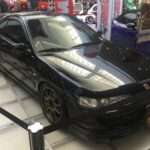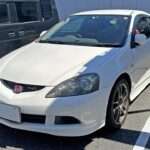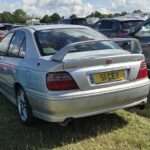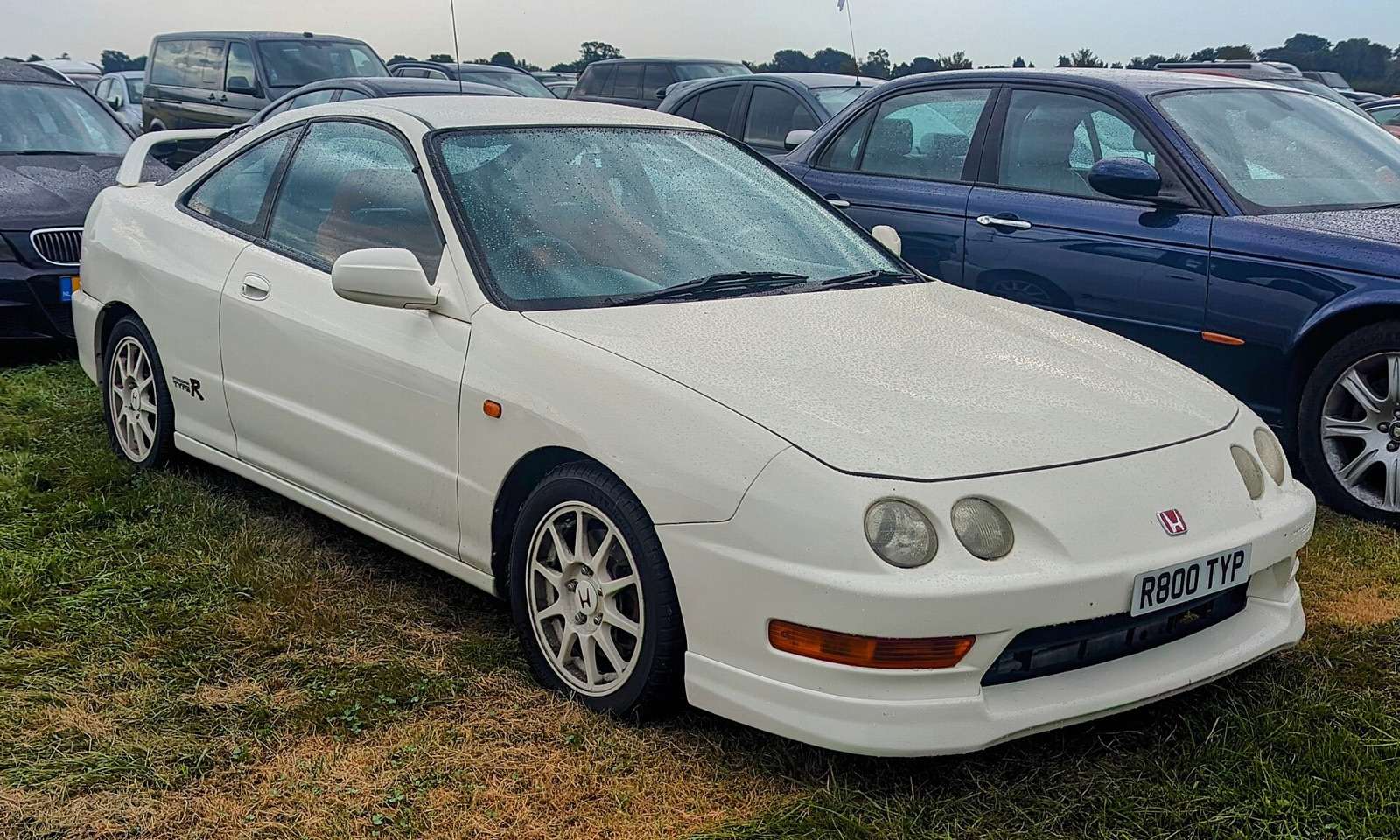
The Honda Integra Type R DC2 earned its reputation without turbocharging, four-wheel drive or a huge engine. Honda transformed a practical front-wheel-drive coupé through careful weight reduction, increased rigidity, a hand-finished high-revving engine and obsessive chassis development.
Thinking of buying one? Read our Honda Integra Type R DC2 buying guide for practical checks before buying and ownership advice.
1. It inherited its philosophy from the NSX-R
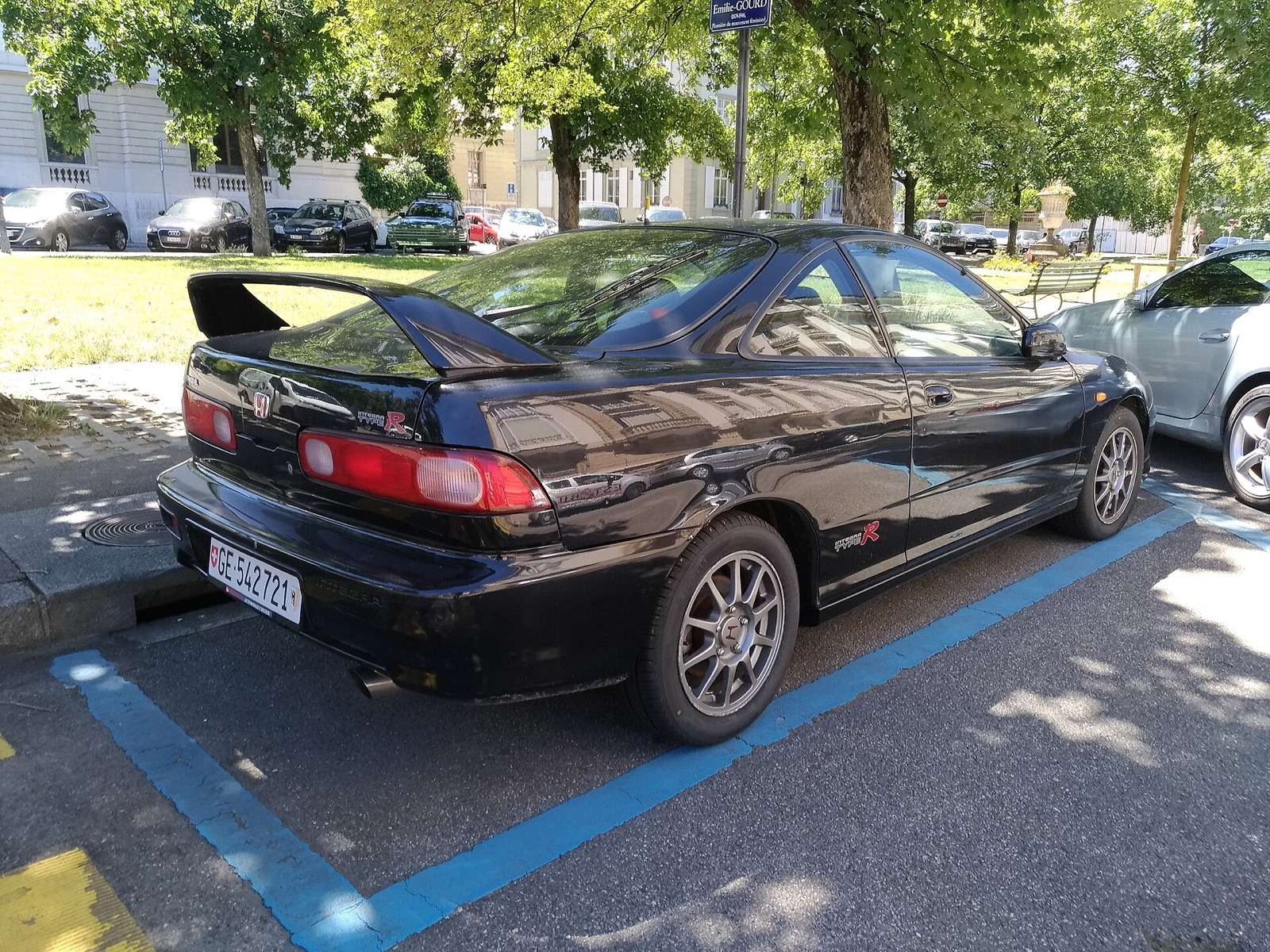
Honda introduced the Type R idea with the NSX-R in 1992. The Integra followed in Japan in 1995, translating the same themes—less weight, greater body rigidity, a special engine and carefully tuned controls—into a much more attainable car.
2. Honda intended it to be affordable to young enthusiasts
Honda’s official Type R history contrasts the NSX-R’s price of more than nine million yen with the Integra Type R’s 2.22 million yen launch price. Engineers had to create a convincing Type R within the packaging and cost restrictions of a mass-production front-wheel-drive model.
3. Skilled workers finished parts of the engine by hand
The B18C was not simply a standard Integra engine with a different ECU. Honda describes skilled workers polishing engine components by hand as part of its uncompromising preparation. The Japanese engine produced 200PS at 8,000rpm—111PS per litre without forced induction.
4. The shell was stiffened as well as lightened
Weight reduction is the part everyone remembers, but removing material alone would not have created the car’s precision. Honda also improved body rigidity, including additional welding and reinforcement. The Type R programme treated the shell, suspension, differential, gearing and controls as one system.
Love cars you don’t see every day?
Get forgotten cars, surprising motoring stories and the most interesting finds from Unusual Cars by email.
Free to join. No spam. Unsubscribe whenever you like. See our Privacy Policy.
5. The helical limited-slip differential is central to its character
The Type R’s reputation is often reduced to the VTEC changeover, but its limited-slip differential is just as important. Combined with close gearing and carefully judged suspension, it allowed the front tyres to deploy the engine’s power while giving the chassis an unusually adjustable feel.

6. There was a four-door Integra Type R
The DB8 Type R applied the formula to the Japanese-market four-door Integra hardtop. It shared the basic Type R philosophy while offering easier rear access and a longer wheelbase. The existence of the DB8 is one of the easiest facts to miss from a UK perspective.
7. UK cars deliberately looked different
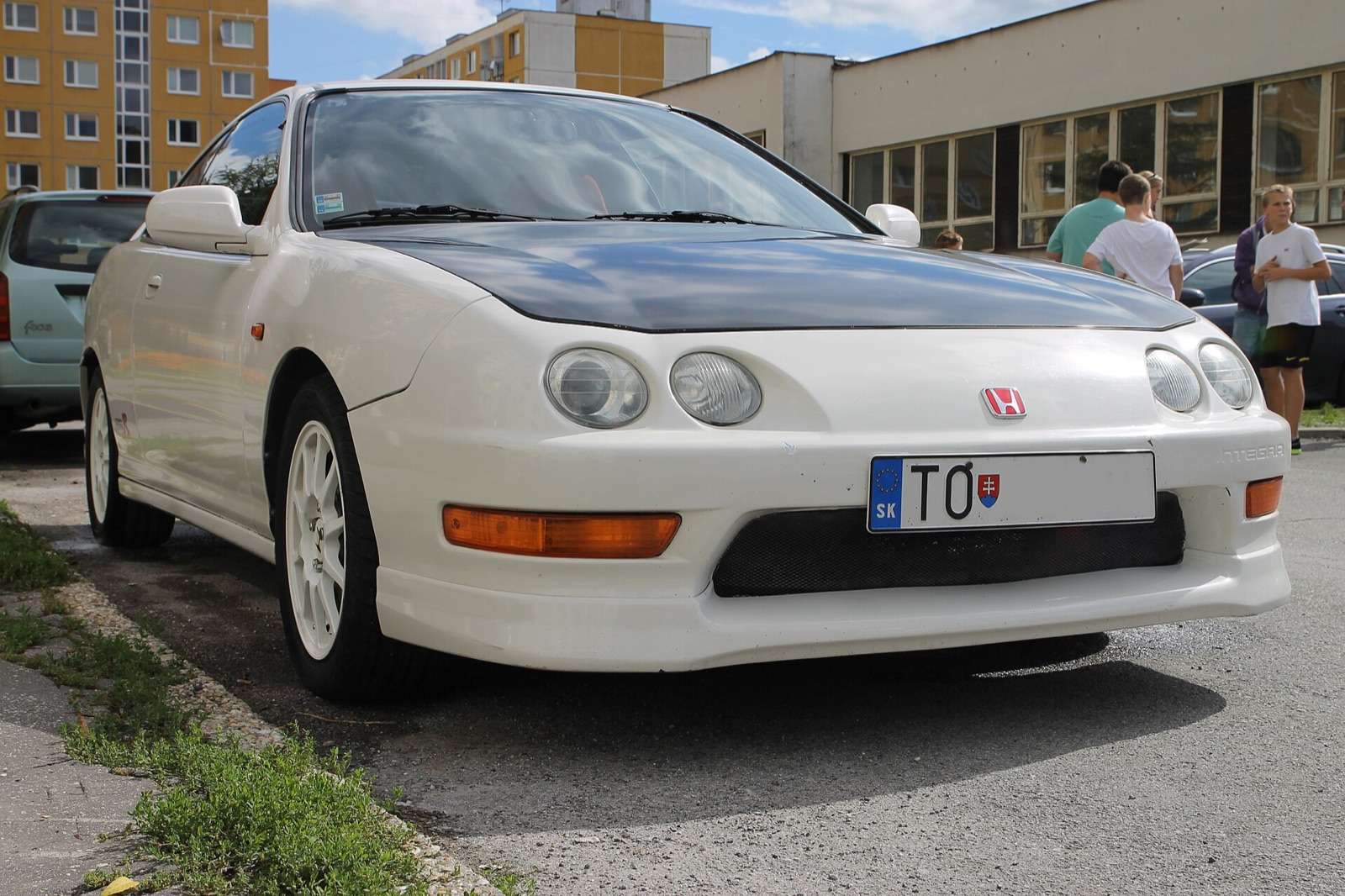
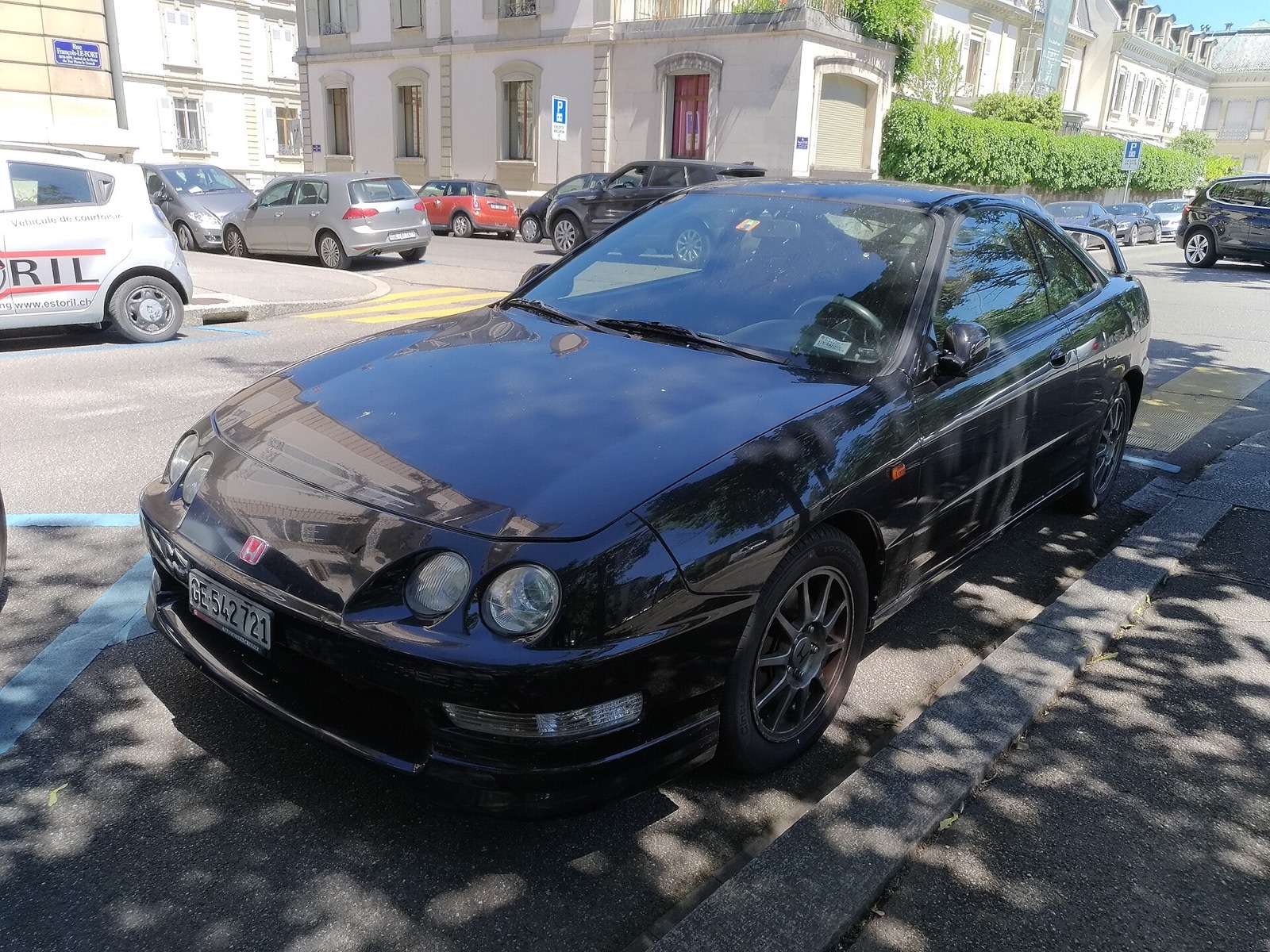
Official British and European cars used the four-round-headlamp nose, while Japanese-market DC2s had long, slim lamps. UK cars arrived from 1998 with the B18C6 engine rated at 190PS and a numbered plaque, giving them a distinct identity rather than making them lesser copies of the Japanese model.
8. “96 Spec” and “98 Spec” describe real development phases
The later Japanese 98 Spec gained changes including five-lug hubs, larger brakes, 16-inch wheels, revised gearing and an equal-length 4-into-1 exhaust manifold. Honda said the exhaust and gearing revisions improved mid-range acceleration. Later does not automatically mean better for every owner; originality and condition still matter most.
9. The red badge carried a direct motorsport reference
Honda’s red “H” recalls the badge used on its early Formula One cars. On the Integra it became a visual shorthand for a far deeper engineering programme. The white paint and red interior may be the obvious identifiers, but badges and colours are easily copied.
10. It proved front-wheel drive need not mean safe and dull
The DC2 established a template later Civic Type Rs would broaden: a special naturally aspirated engine, close ratios, low weight, disciplined body control and a focus on response rather than headline torque. Its importance comes from how completely the components work together.
For UK and Japanese specifications, version differences and buying checks, read our complete Honda Integra Type R DC2 and DB8 guide. Find the full series in the 10 Things hub.
Research basis: Honda’s official 30 Years of Type R history and its 1998 Integra technical announcement.