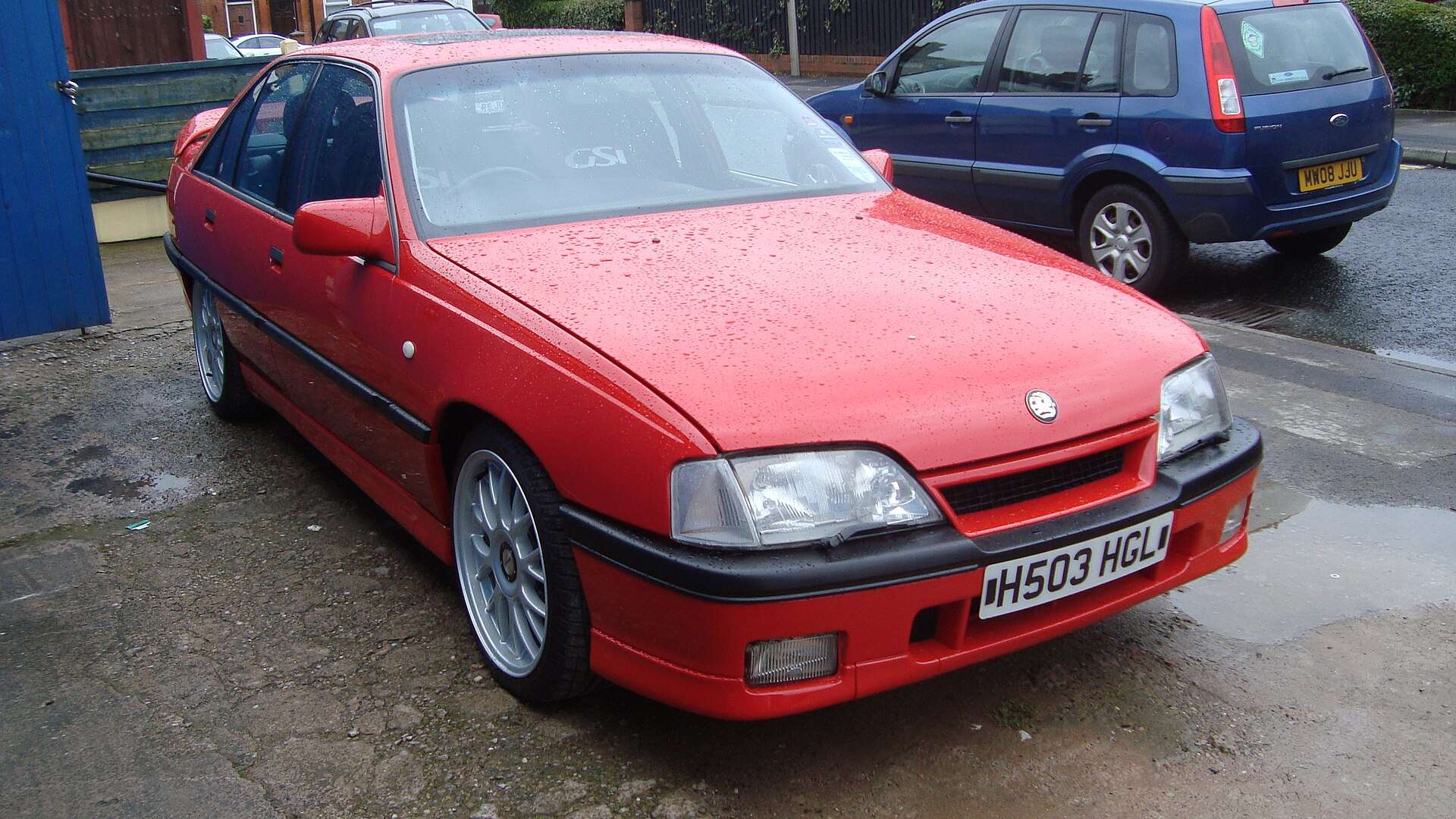
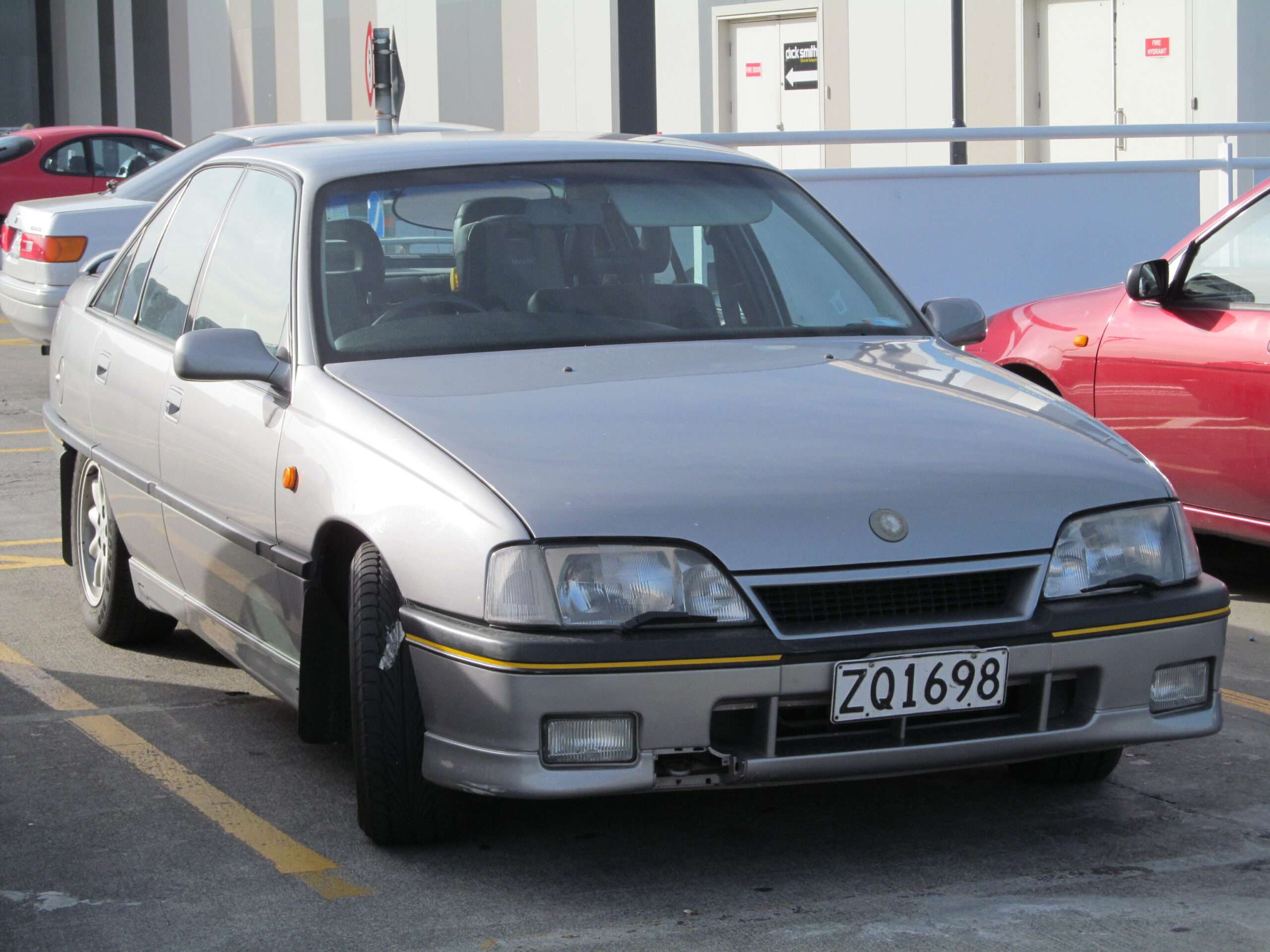
Before the Lotus Carlton became tabloid legend, Vauxhall already sold a formidable executive express. The Carlton GSi 3000 24V was rear-wheel drive, naturally aspirated and capable of embarrassing far more expensive saloons.
1. The GSi name arrived before the 24-valve engine
Vauxhall introduced the Carlton GSi 3000 in 1987 with a 3.0-litre twelve-valve straight-six. The more famous twin-cam 24-valve version followed in autumn 1989.
2. Its engine was a serious piece of engineering
The 2,969cc C30SE used twin overhead camshafts and four valves per cylinder. UK figures quoted 204 bhp and 199 lb ft, exceptional outputs for a naturally aspirated mainstream saloon.
3. It was rear-wheel drive when rivals were changing direction
The Carlton retained a longitudinal engine and driven rear wheels. That traditional layout gave it balanced handling and made it an obvious foundation for something even more extreme.
4. It could exceed 140 mph
Contemporary testing recorded roughly 7.4 seconds to 60 mph and a top speed around 145 mph. Its restrained styling made those numbers especially surprising.
Love cars you don’t see every day?
Get forgotten cars, surprising motoring stories and the most interesting finds from Unusual Cars by email.
Free to join. No spam. Unsubscribe whenever you like. See our Privacy Policy.
5. A five-speed manual was the enthusiast choice
A manual gearbox suited the high-revving 24-valve engine, although automatic cars also existed in the broader GSi story. Correct transmission identification matters when valuing survivors.
6. The dashboard went digital
The GSi used a period electronic instrument display rather than conventional analogue dials. It looked futuristic when new and is now one of the car’s most memorable—and potentially troublesome—details.
7. Its aerodynamics were unusually effective
Vauxhall quoted a drag coefficient close to 0.30 for the streamlined Carlton body. Good high-speed stability came without an enormous rear wing.
8. It helped create the Lotus Carlton
Lotus began with the 24-valve Carlton/Omega architecture, then enlarged and twin-turbocharged the engine, strengthened the drivetrain and comprehensively reworked the chassis. The GSi is the ancestor, not a cheaper Lotus clone.
9. It was saloon-only in true GSi form
Although fast Carlton estates and later engine conversions exist, the factory GSi 3000 was a saloon. Advertised estates require careful checking rather than assumptions.
10. The ordinary badge helped it disappear
Many were used hard, modified or broken for valuable mechanical parts. Today a sound, standard 24V offers much of the Lotus car’s atmosphere at a fraction of its fame.
Keep exploring
Read the full Vauxhall Carlton and Opel Omega performance guide, browse the Rare and Forgotten Cars hub, or discover more in the 10 Things hub.
Love cars you don’t see every day?
Get forgotten cars, surprising motoring stories and the most interesting finds from Unusual Cars by email.
Free to join. No spam. Unsubscribe whenever you like. See our Privacy Policy.
Sources and further reading
- Vauxhall and Opel period technical literature
- Motor Sport road test, July 1991
- Autobahnstormers Carlton GSi model records