UNUSUAL CARS MODEL GUIDE
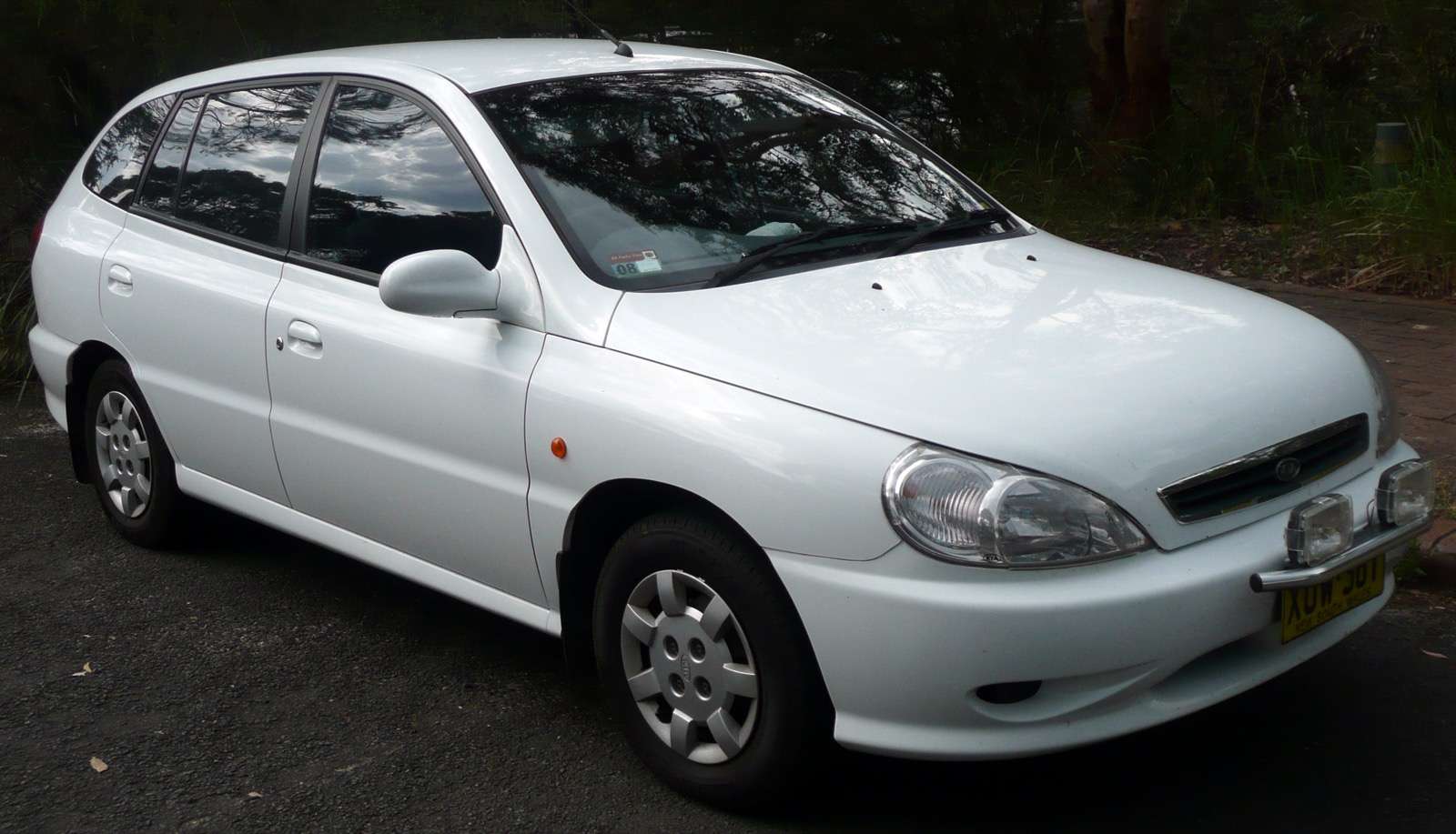
The first Kia Rio is now rarer than many cars once sold as limited editions. It arrived with little glamour, an unusually shaped five-door body and one persuasive promise: a great deal of new car for very little money. Two decades later, that very ordinariness makes a surviving Rio fascinating.
Featured image: 2001 Kia Rio LS. Photograph released to the public domain by OSX, via Wikimedia Commons; resized and locally hosted.
A new entry point for Kia
Kia had entered Britain with the tiny Pride in 1991. By the turn of the century it needed a more modern supermini, so the Rio was devised as an inexpensive world car with styling credited to Italy’s I.DE.A Institute. British sales began in July 2001. Although other markets received a conventional four-door saloon, the UK concentrated on the more practical five-door.
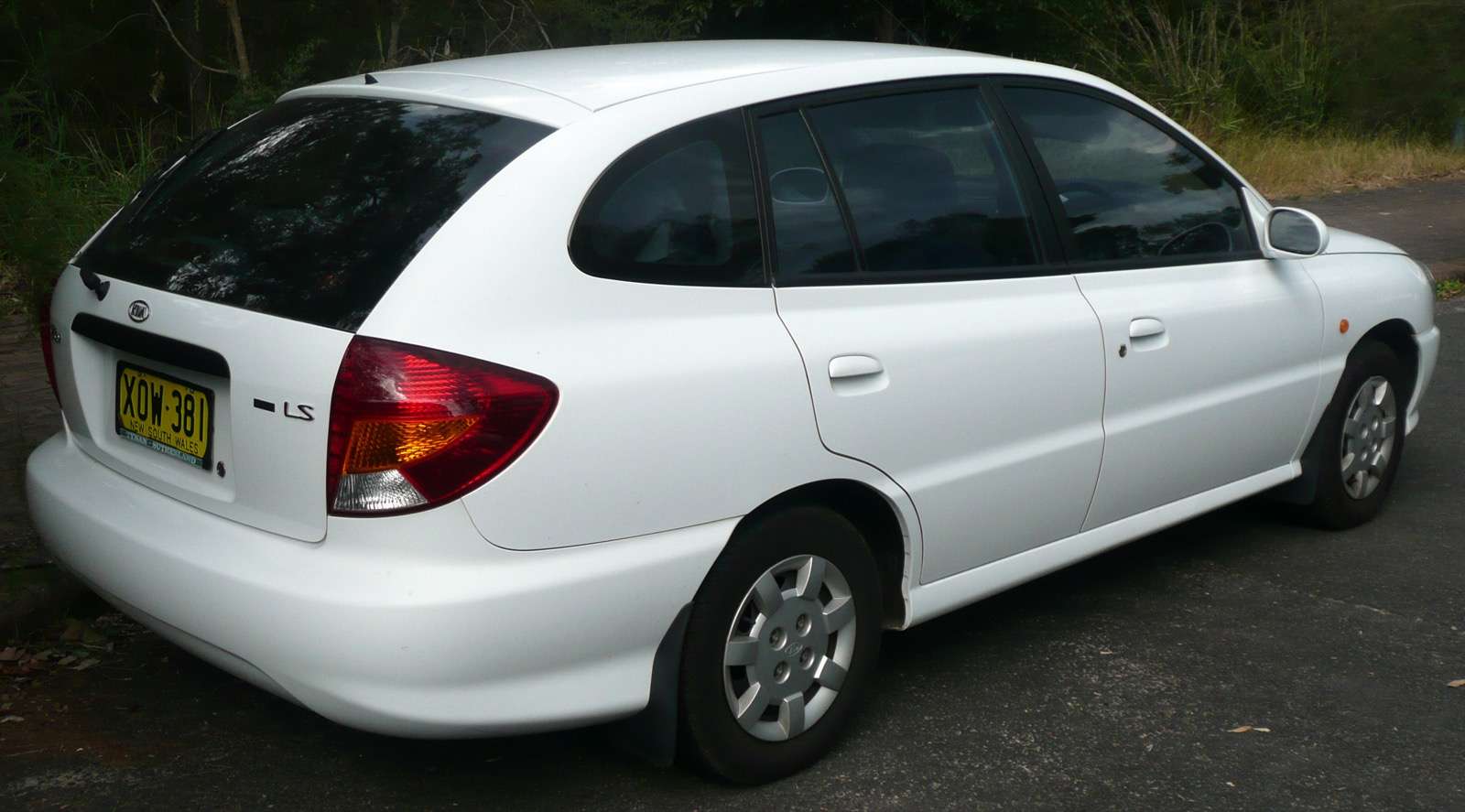
Kia called it a hatchback, but the long roof and near-vertical tail gave it the carrying ability of a compact estate. The formula was deliberately simple: proven petrol engines, front-wheel drive, five doors and a generous equipment list. A low list price and Kia’s warranty made it rational transport, even if contemporary reviewers found the cabin plastics and dynamics unsophisticated.
UK engines and the facelift
The 1.3-litre single-cam engine produced about 75 bhp and was the familiar choice. A 1.5-litre twin-cam version offered roughly 96 bhp, but its UK career was short. Five-speed manual and four-speed automatic gearboxes were offered, with trims including L, LS and SE plus later special editions.
| Specification | UK-market Kia Rio Mk1 |
|---|---|
| UK sales | July 2001–2005 |
| Body | Five-door hatchback / estate-style hatch |
| Engines | 1.3-litre SOHC and 1.5-litre DOHC petrol fours |
| Power | Approximately 75 bhp and 96 bhp |
| Transmission | Five-speed manual or four-speed automatic |
| Drive | Front-wheel drive |
| Replacement | Second-generation Rio, 2005 |
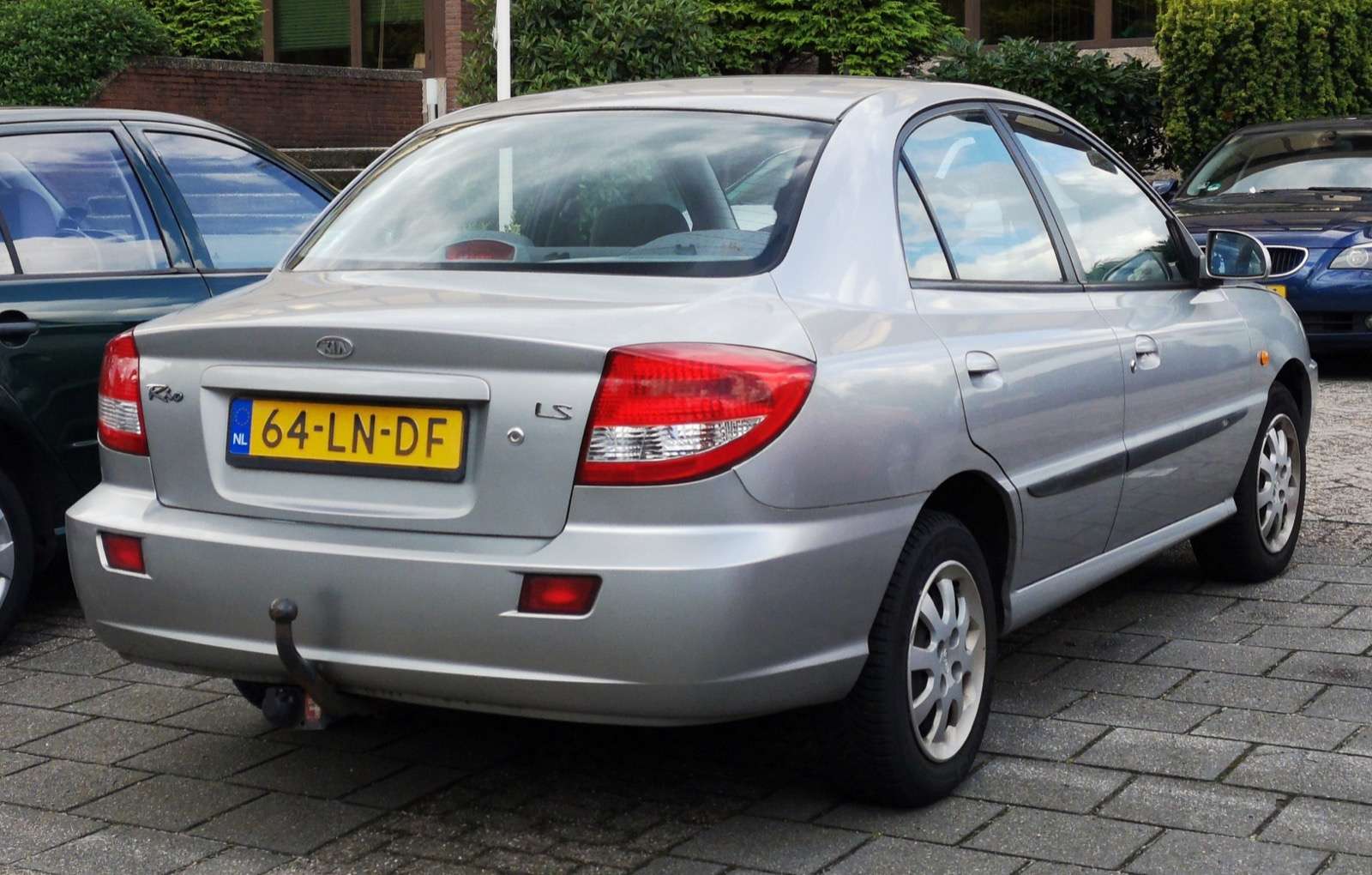
A 2003 facelift brought a smoother nose, revised rear treatment and cabin detail changes. It did not transform the driving experience, but the Rio remained spacious, easy to operate and inexpensive. Kia later recorded about 148,000 Rio sales across all generations in Britain; the first model laid the groundwork while the brand was still fighting for recognition.
Love cars you don’t see every day?
Get forgotten cars, surprising motoring stories and the most interesting finds from Unusual Cars by email.
Free to join. No spam. Unsubscribe whenever you like. See our privacy policy.
Kia Rio Mk1 buying guide
Body and structure
Survival is now the first challenge. Inspect the sills, jacking points, rear wheelarches, floor, front subframe and suspension mounting areas carefully for corrosion. Check beneath plastic trims and look for poorly repaired accident damage. Headlamps, bumpers and model-specific trim are harder to replace than ordinary service parts.

Engine and transmission
Ask for evidence of regular servicing and timely timing-belt changes. A healthy engine should start promptly, idle evenly and show no persistent smoke, overheating or coolant loss. Check for oil and transmission-fluid leaks. Manual gearboxes should select cleanly without driveshaft clicking on full lock; an automatic must engage promptly and change smoothly when cold and warm.
Running gear and cabin
Age-related wear now matters more than mileage. Listen for wheel bearings and suspension knocks, and check the brakes pull up squarely without warning lamps. Test the heater fan, air conditioning where fitted, central locking, windows and rear wash/wipe. Damp carpets can signal blocked drains or failed seals.
Research sources
- Hagerty UK: The original Kia Rio attracted no second glances
- The Car Codex: first-generation Kia Rio UK range
- Honest John: 2001 Kia Rio MOT results
- Autocar: Kia Rio leaves the UK
Continue the Kia story
Explore the Rare & Performance Kias hub, then compare the Rio with Kia’s earlier Pride and the later pro_cee’d GT.