
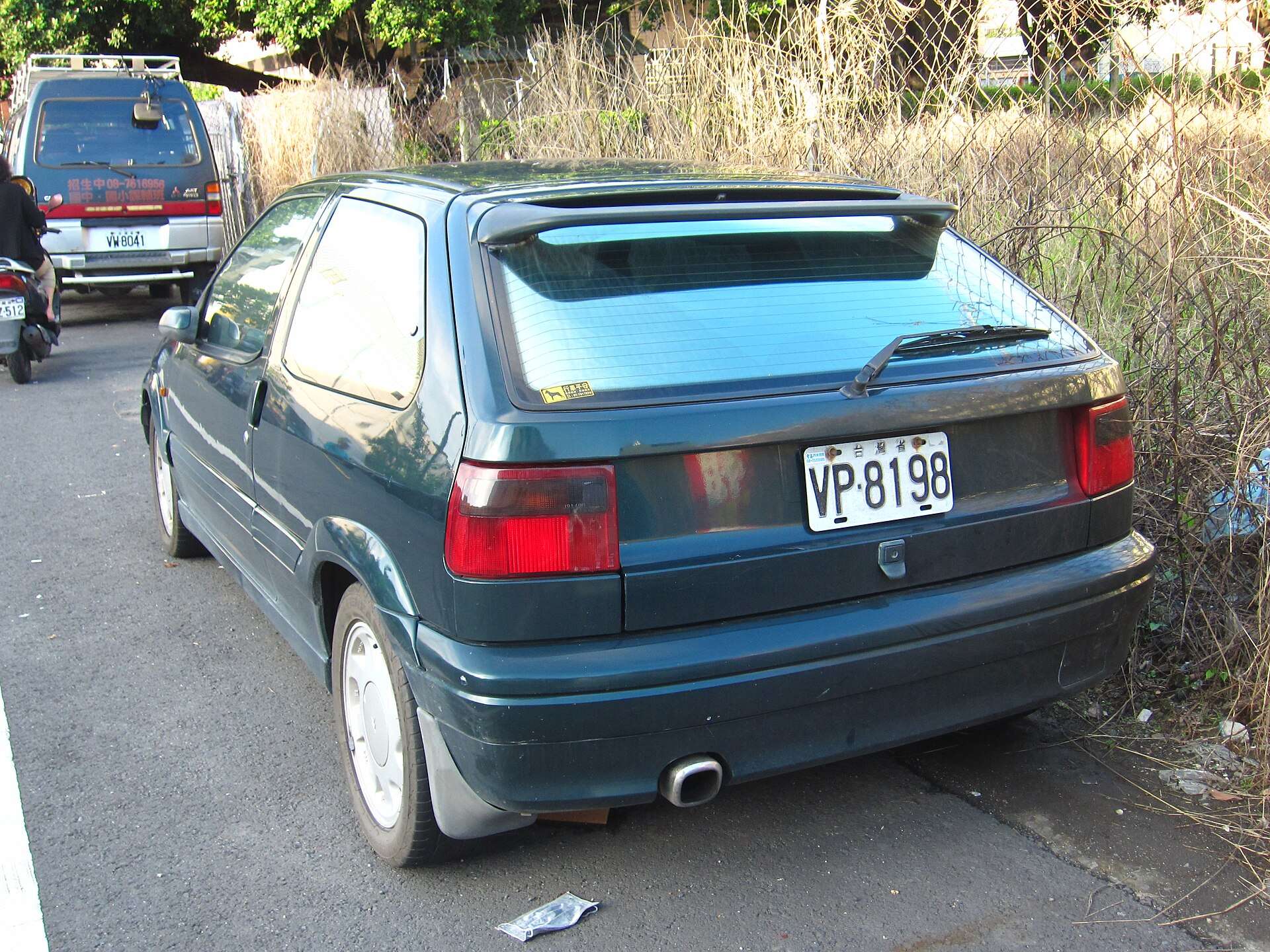
The Citroën ZX 16V was the point where a sensible family hatchback revealed a remarkably serious chassis. It lacked the hydraulic suspension and eccentric dashboard of older Citroëns, yet its handling—and its high-revving two-litre engine—made it one of the 1990s’ most underrated hot hatches.
1. The ZX was deliberately more conventional
Launched in 1991, the ZX sat between the AX and BX. Citroën used conventional coil-spring suspension rather than hydropneumatics, aiming directly at cars such as the Ford Escort and Volkswagen Golf.
2. The 16V arrived as the performance flagship
The ZX 16V was homologated by the FIA at the start of 1993. Its 1,998cc twin-cam engine used four valves per cylinder and multi-point injection, putting the light three-door hatch into genuine hot-hatch territory.

3. Early and late cars had different 16-valve engines
Early versions used the XU10J4, usually quoted at around 155PS. Later cars gained the sharper XU10J4RS shared with the Peugeot 306 GTi-6, producing roughly 167PS in European specification.
4. Its rear axle helped the car turn
The ZX used compliant mounts in its trailing-arm rear suspension. Under cornering load, carefully controlled movement introduced a small passive steering effect, helping the car feel unusually agile without complex electronics.
Love cars you don’t see every day?
Join the Unusual Cars Club for new “10 Things” articles, forgotten cars and surprising motoring stories by email.
5. It did without the 306 GTi-6’s sixth gear
Although later ZX 16Vs shared an engine with the Peugeot 306 GTi-6, the Citroën retained a five-speed gearbox. Its ratios and lighter, less polished character gave it a distinct personality rather than making it a rebadged Peugeot.
6. The body was genuinely practical
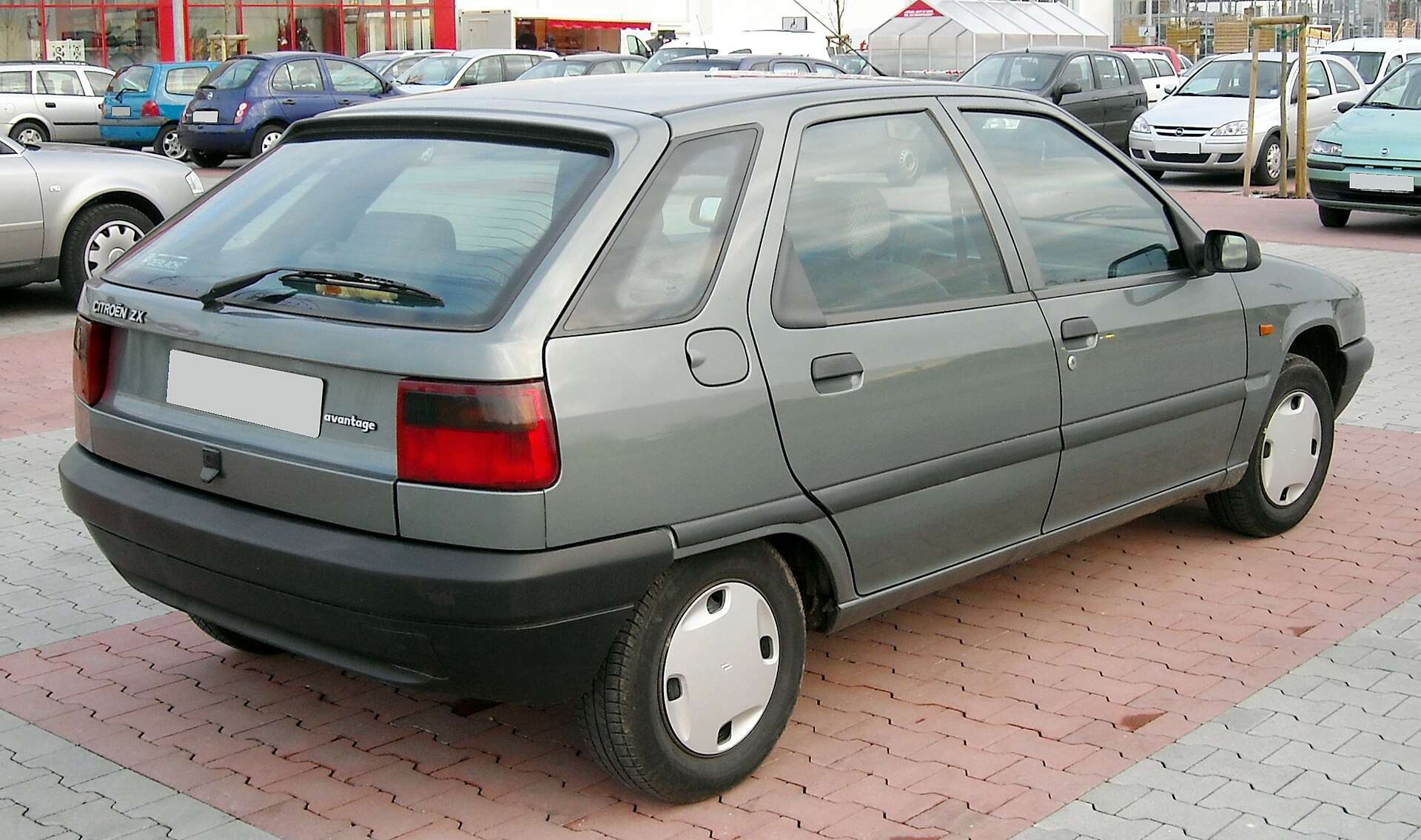
Some ZX versions offered a sliding rear bench, allowing owners to trade rear legroom for luggage space. The performance model kept the useful hatchback shape, making it far easier to live with than many coupés of similar pace.
7. The wild rally-raid ZX was almost unrelated
Citroën’s ZX Rallye Raid won the Dakar and multiple cross-country titles, but beneath its familiar silhouette was a purpose-built four-wheel-drive competition machine related to Peugeot’s 405 T16 programme—not a converted road-going 16V.
8. It was fast enough to embarrass bigger cars
Later 167PS versions could reach 60mph in the low-seven-second region and exceed 130mph. More important was the combination of steering feel, low weight and a rear axle that became increasingly playful as the driver committed.
9. The understated appearance worked against it
Small badges, modest spoilers and discreet alloy wheels made the 16V easy to overlook. That helped keep insurance and attention down when new, but it also meant many were modified, neglected or simply used up.
10. It is far rarer than its Peugeot relative
The 306 GTi-6 became a recognised modern classic; the ZX 16V remained the connoisseur’s choice. Survivors now reveal how much sophisticated chassis thinking Citroën hid inside an apparently ordinary 1990s hatchback.
Research basis: Citroën heritage information, FIA homologation records and period technical data.
Continue exploring: Visit the complete 10 Things hub.