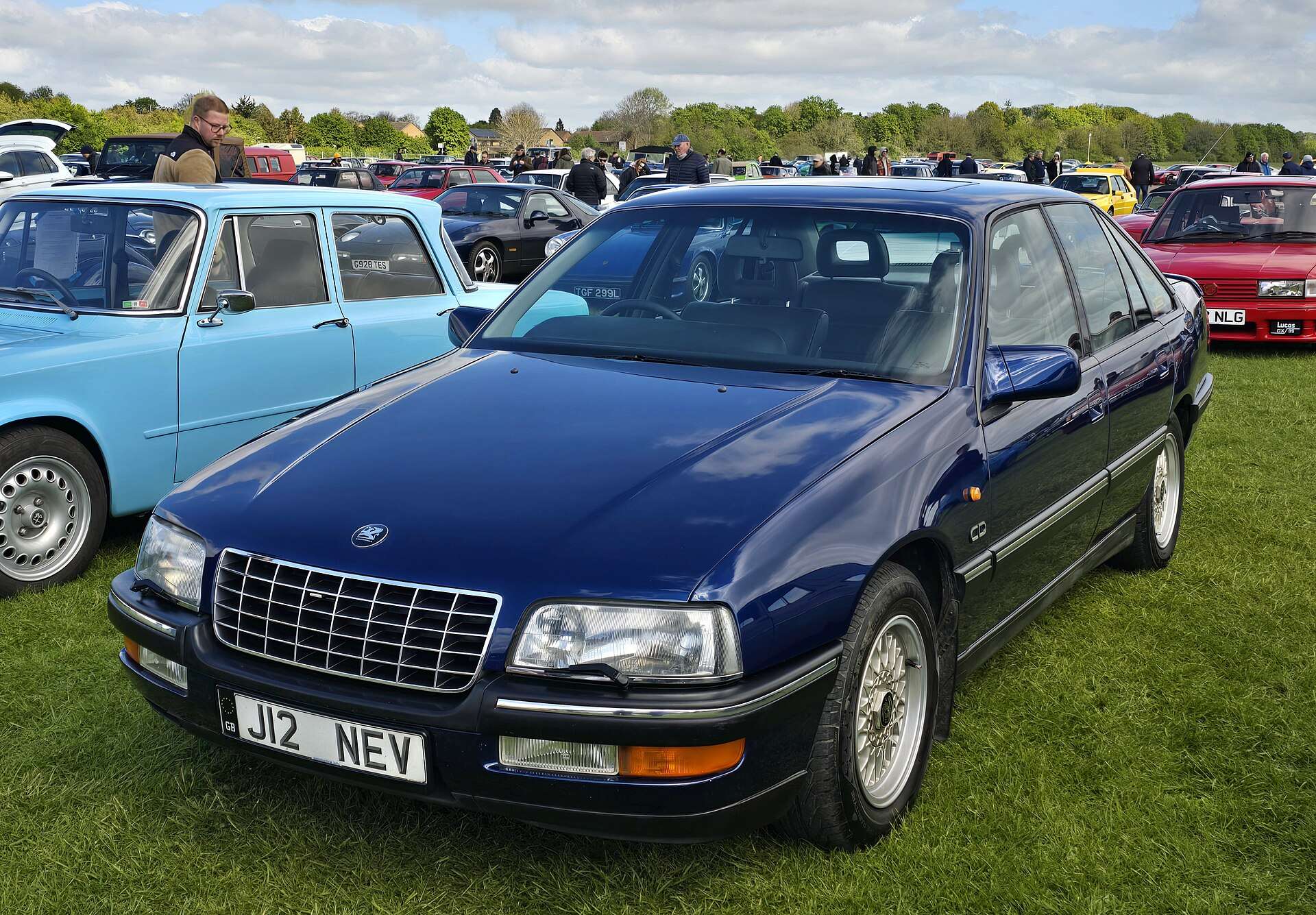
The Vauxhall Senator 24V was Britain’s discreet alternative to the big German express saloons. It looked formal enough for a board meeting—or a motorway patrol—but its smooth straight-six and long-legged chassis made it a genuinely rapid flagship.
Here are ten details that reveal why the second-generation Senator deserves more than a footnote in Vauxhall history.
1. It was Vauxhall’s flagship, not simply a posh Carlton
The Senator B arrived in Britain in 1987 as the range-topping saloon. It shared much with the Carlton but had a longer nose, different rear quarters and a more formal cabin. Contemporary road tests noted that it was roughly six inches longer than the Carlton.
2. The 24-valve model arrived in 1989
Vauxhall added the 3.0i 24V CD in autumn 1989. Its C30SE engine replaced the earlier single-cam unit at the top of the range and turned the Senator into a much more serious performance car without changing its restrained appearance.
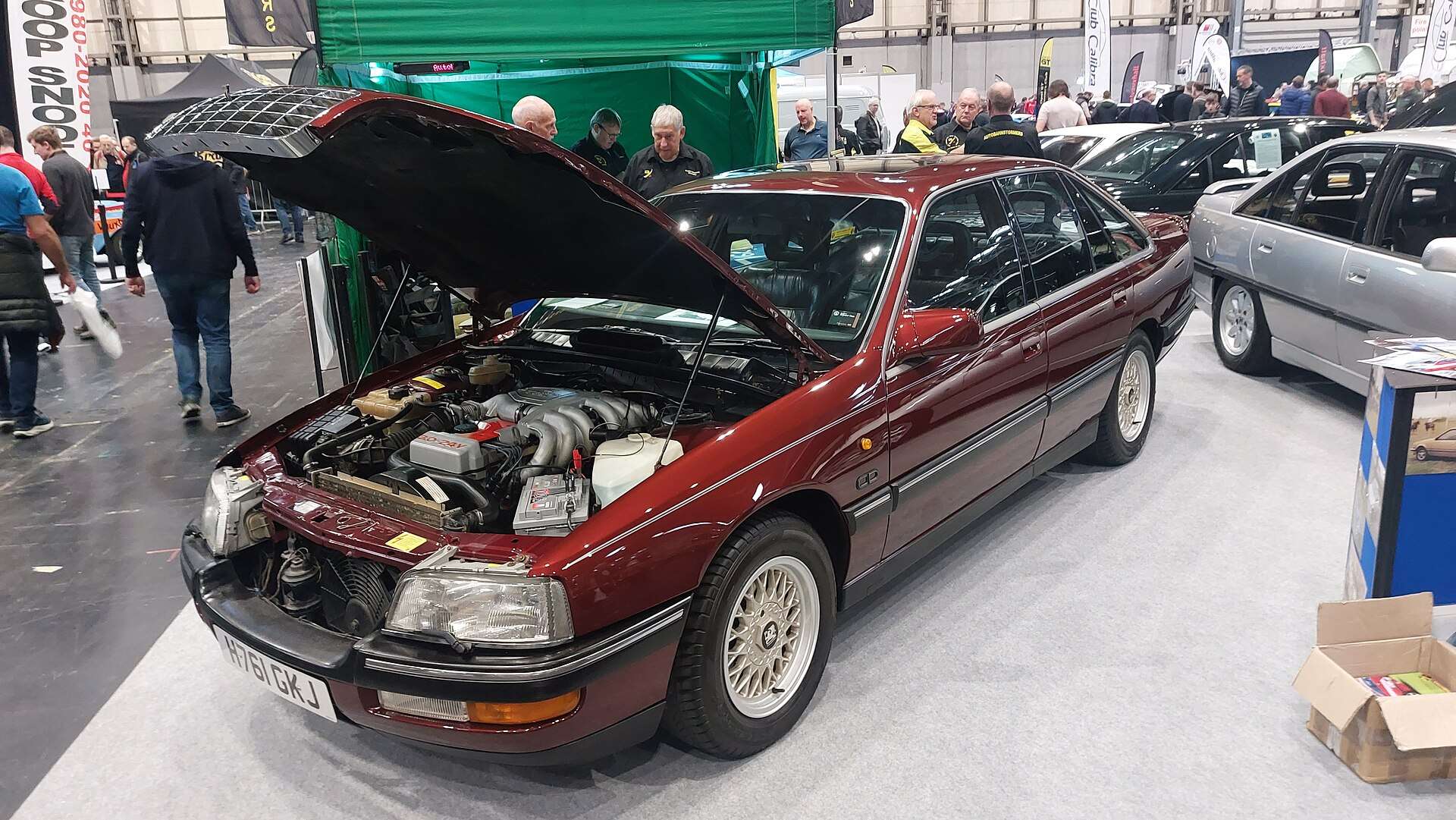
3. Its straight-six used Dual Ram induction
The 2,969cc engine had twin overhead camshafts, four valves per cylinder and a variable-length intake system called Dual Ram. By switching the intake path according to engine speed, it combined useful low-rev torque with stronger high-rev breathing.
4. Output depended on market and emissions equipment
Unrestricted European versions were quoted at about 204PS, while catalyst-equipped cars could be lower. That difference explains why period figures vary. What did not change was the effortless character of the 24-valve six and its strong motorway performance.
Love cars you don’t see every day?
Join the Unusual Cars Club for new “10 Things” articles, forgotten cars and surprising motoring stories by email.
5. The Senator was rear-wheel drive
While many executive rivals were moving to front-wheel drive, the Senator retained a longitudinal engine, rear-wheel drive and near-traditional big-saloon proportions. That layout helped it feel balanced and predictable despite its size.
6. The CD specification was lavish for its day
CD models could include climate control, cruise control, electric and heated seats, a trip computer and self-levelling rear suspension. It was designed to challenge prestige badges with equipment and engineering rather than jewellery.
7. Police forces understood its talents
The Senator became a familiar traffic-police car in Britain. Its stability, visibility, powerful brakes and high-speed durability made it an effective motorway tool—and gave the model a formidable presence in the mirrors of fast-lane drivers.
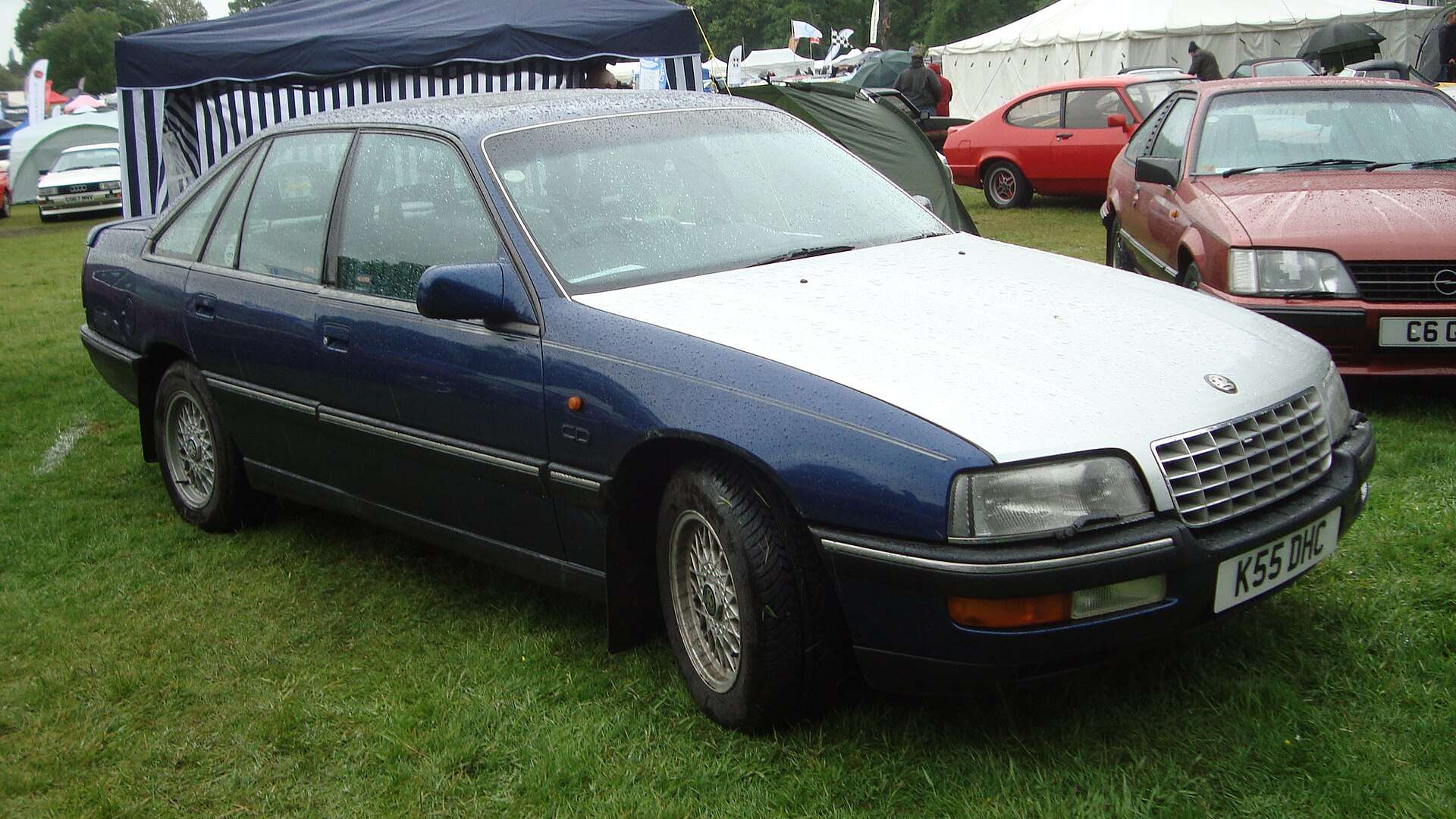
8. Opel sold the same car across Europe
Outside Britain it wore Opel badges. Vauxhall’s version was therefore part of a wider European executive-car programme, yet the Senator name became particularly memorable in the UK because of its police service and rarity.
9. It could run close to 150mph
Period performance figures varied with gearing and specification, but the quickest 24-valve cars were capable of approaching 150mph. More impressive than the number was the calm way the Senator covered distance, helped by its long wheelbase and torquey engine.
10. There was no direct Vauxhall-badged successor
Production ended in the early 1990s as the Omega replaced the Carlton/Senator family. Vauxhall never again offered quite the same separate, large rear-drive flagship, which makes the 24V a fascinating end-of-an-era car.
Research basis: Vauxhall technical data, period AA road tests and Vauxhall/Opel historical records.
Continue exploring: Visit the complete 10 Things hub.