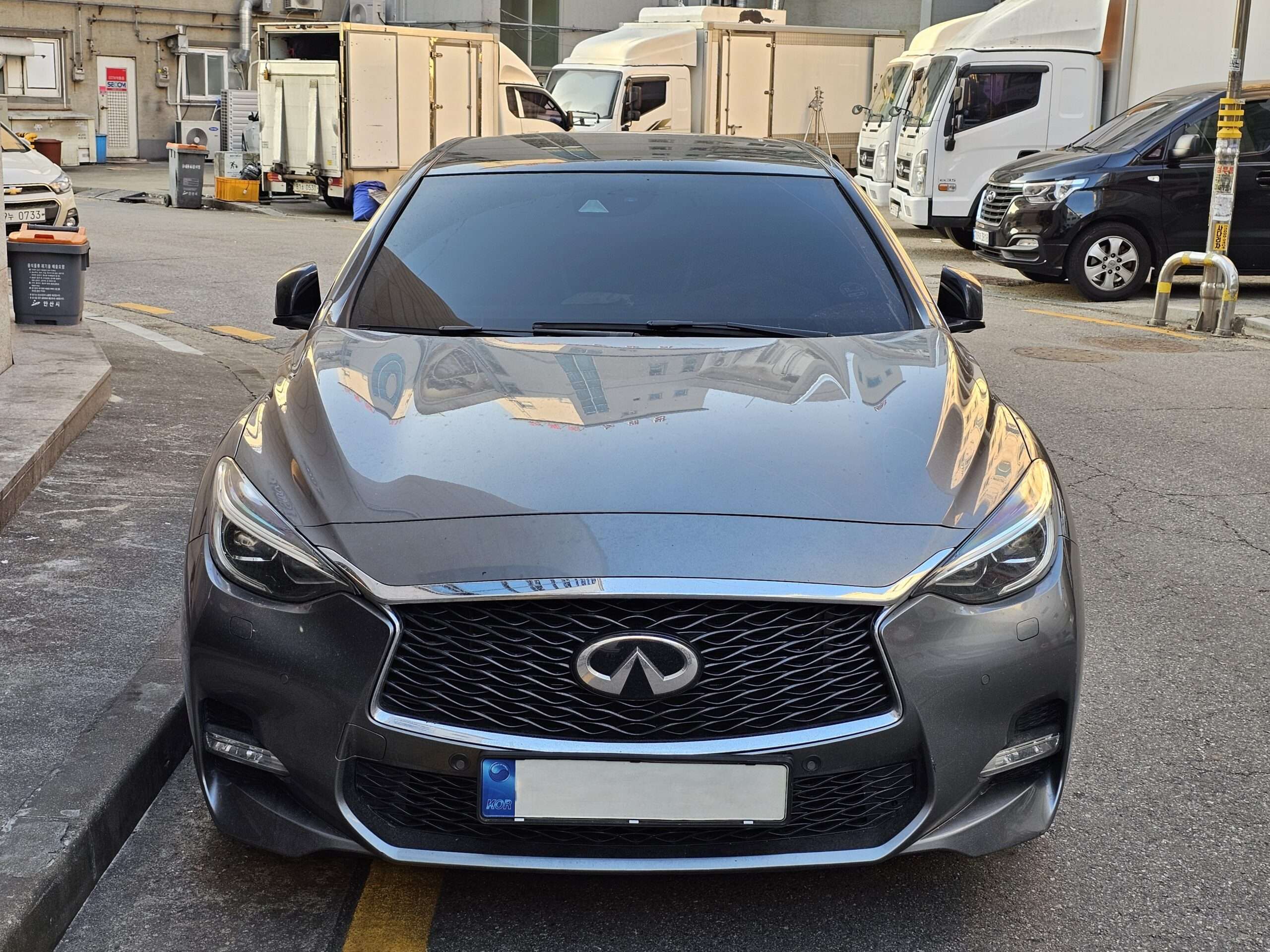
The Infiniti Q30 was a premium hatchback built in Sunderland for the European market. It combined Infiniti styling and cabin design with an architecture, engines and transmissions developed through the Renault-Nissan and Daimler partnership. Launched in Britain in 2016, it was intended to challenge the Audi A3, BMW 1 Series and Mercedes-Benz A-Class.
Sales remained small and production ended in 2019 as Infiniti prepared to leave Western Europe. The result is an unusually modern British-built rarity with familiar mechanical ingredients but a far less familiar badge.
Development and UK production
The Q30 was based on the platform used by the contemporary Mercedes A-Class and GLA. Infiniti reworked the suspension, structure, noise insulation, styling and interior to create a distinct car. Nissan invested in its Sunderland plant to manufacture the Q30 and its QX30 sister, making them the first Infiniti models built in Europe.
British deliveries began in early 2016. The range included petrol and diesel engines, manual and seven-speed dual-clutch transmissions, front- and all-wheel drive, and trim lines ranging from practical entry models to Sport and Premium Tech versions.
UK engines and specifications
| Engine | Output | Transmission | Notes |
|---|---|---|---|
| 1.6t petrol | 122PS or 156PS | Manual or DCT | Quiet everyday option |
| 2.0t petrol | 211PS | 7-speed DCT | Fastest version; AWD available |
| 1.5d diesel | 109PS | Manual | Economy-focused Renault-derived engine |
| 2.2d diesel | 170PS | 7-speed DCT | Strong torque; AWD available |
Equipment depended heavily on trim. Higher-grade cars could include LED lighting, navigation, Bose audio, surround-view cameras, adaptive cruise control and extensive safety assistance.
What is the Q30 like to drive?
The Q30 sits slightly higher than a normal family hatchback and prioritises quietness and comfort. Its suspension tune is generally more compliant than the Mercedes A-Class on which it was based, although large wheels and Sport suspension can still feel busy on poor British roads.
The 1.6t is adequate, the 2.0t is genuinely brisk and the diesels suit regular long journeys. The seven-speed dual-clutch gearbox can hesitate at manoeuvring speeds, so judge it in traffic as well as on an open road.
Infiniti Q30 common problems and checks
- Seven-speed DCT: hesitation can be characteristic, but shudder, harsh engagement or warning messages need diagnosis and evidence of correct servicing.
- Diesel emissions systems: check DPF regeneration history, EGR operation and any NOx or engine-management warnings, particularly on short-trip cars.
- Battery voltage: a weak 12-volt battery can trigger multiple electronic messages. Confirm charging condition before assuming every warning is a major fault.
- Infotainment and cameras: test navigation, Bluetooth, Bose audio, parking sensors and all camera views from a cold start.
- Suspension: listen for knocks from links and bushes, and check tyres for inner-edge wear.
- Water ingress: inspect footwells, boot trim and the spare-wheel area for dampness.
Bodywork and cabin
The sculpted panels are part of the Q30’s appeal but make poor repairs easy to spot. Compare shut lines, paint texture and reflections along both sides. Check the low front bumper, large alloy wheels and door edges for parking damage.
Rear headroom is compromised by the roofline, while thick pillars reduce visibility. The boot holds roughly 368 litres in many versions and is competitive with premium hatchbacks, although a panoramic roof can affect available space and headroom.
Servicing and parts
Mercedes-derived engines and transmissions mean many mechanical service items are familiar, while Nissan dealers took responsibility for ongoing support after Infiniti’s withdrawal. The complication is identifying the correct Infiniti application and sourcing brand-specific lights, trim, screens and body panels.
Use the VIN when ordering parts and keep invoices. Confirm recall and software campaign completion. On diesels, a history of regular longer runs is preferable; on the performance petrol, frequent high-quality oil changes are reassuring.
Which Q30 should you buy?
A 1.6t petrol manual is the simplest choice for lower-mileage private use. The 2.0t offers the strongest performance and suits the Q30’s unusual image, while the 1.5d can be economical for high-mileage drivers. The 2.2d combines torque and equipment but brings the greatest emissions-system complexity.
Why the Q30 matters
The Q30 is an unusual chapter in British manufacturing: a Japanese luxury hatchback built in Sunderland on German-derived hardware. Its short production run, distinctive styling and vanished dealer network give it exactly the rare-and-forgotten character this collection celebrates.
Frequently asked questions
Was the Infiniti Q30 built in Britain?
Yes. It was manufactured at Nissan’s Sunderland plant from late 2015 until 2019.
Is the Q30 a Mercedes underneath?
It uses Daimler platform technology and several Mercedes-sourced engines and transmissions, but Infiniti developed its own body, interior, suspension tuning and equipment package.
Can Nissan service an Infiniti Q30?
Many Nissan dealers and independent specialists can maintain it, but confirm access to Infiniti diagnostic information and model-specific parts before booking complex work.