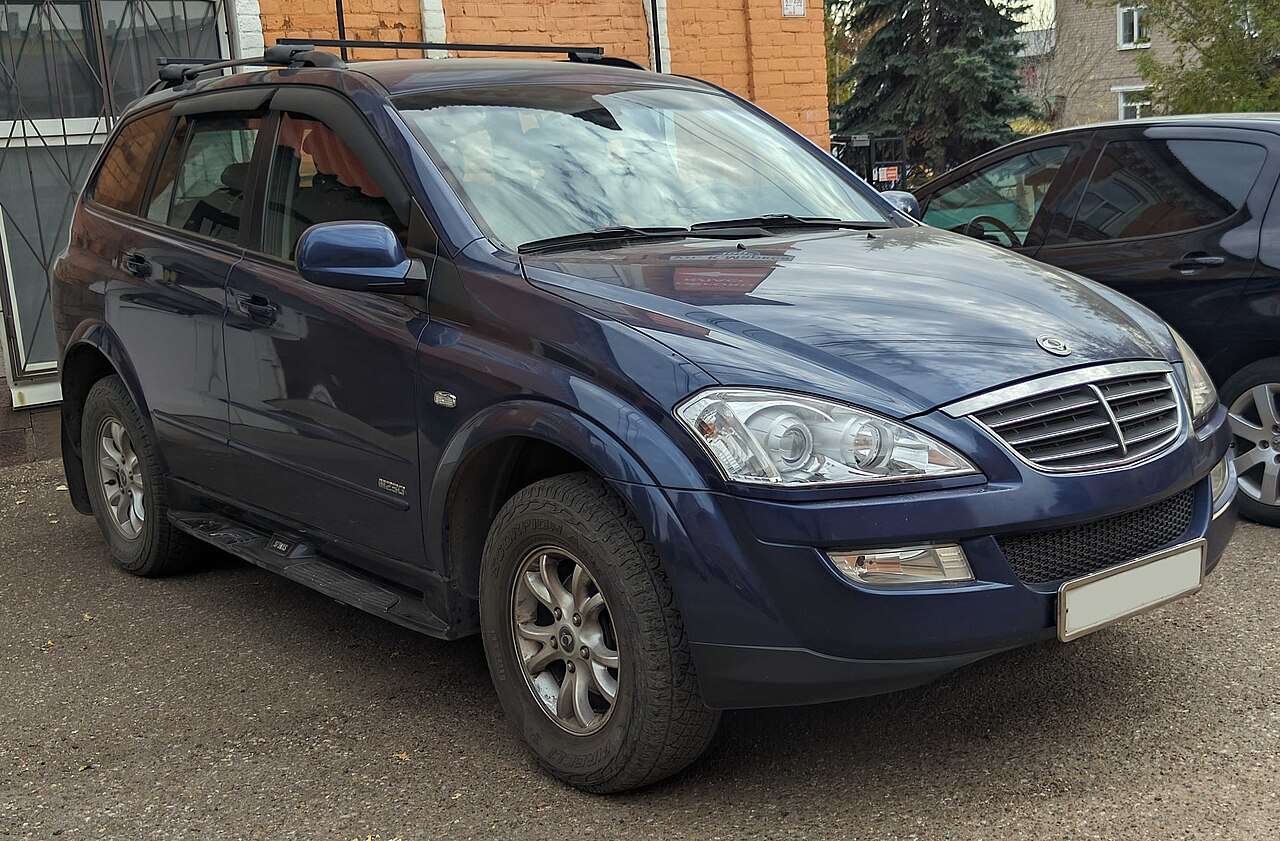
The SsangYong Kyron is one of the most easily overlooked 2000s SUVs sold in Britain. It combined body-on-frame construction, selectable four-wheel drive and low-range gearing with unusually bold styling and a value-led price. Today it is far rarer than the mainstream 4x4s it once challenged.
Most UK cars use SsangYong-built diesel engines developed with Mercedes-Benz technology. That heritage is attractive, but condition and maintenance matter far more than the badge attached to the design.
UK history
The Kyron reached British showrooms during 2006, sitting below the Rexton but offering more space than a typical compact SUV. It arrived when SsangYong was controlled by SAIC and the brand was attempting to rebuild its UK presence.
Early cars are recognised by their distinctive front end and unusual rear light treatment. A substantial facelift softened the styling and improved the cabin, while later examples received detail equipment changes. UK sales remained modest and the model disappeared from new-car lists around the beginning of the 2010s.
Engines and specifications
| UK version | Engine | Approximate output | Best suited to |
|---|---|---|---|
| 2.0 XDi | Four-cylinder turbodiesel | About 140bhp | Most buyers; easier running costs |
| 2.7 XDi | Five-cylinder turbodiesel | About 165bhp | Towing and relaxed cruising |
Five-speed manual and automatic transmissions were offered, depending on age and version. The automatic was related to Mercedes-Benz designs. Most UK Kyrons use part-time four-wheel drive with low range, making them more capable away from tarmac than their price and family-SUV positioning suggested.
Driving, towing and practicality
The Kyron is a traditional 4×4 rather than a car-based crossover. Its steering is slow, the body leans in bends and the ride can feel unsettled on broken roads, but it is comfortable when driven calmly. Strong low-speed diesel torque and low-range gearing suit towing, winter use and rough tracks.
The five-seat cabin is roomy and the rear bench folds to create a useful load area. Interior materials are hard-wearing rather than luxurious. Check that every switch, display and convenience feature works because model-specific trim and electrical components can be difficult to source.
SsangYong Kyron common problems
- Diesel fuel system: hard starting, uneven running, smoke or injector noise require investigation. Check injector seals, leak-off pipes and the service history.
- EGR and intake contamination: short journeys can encourage soot deposits, poor response and warning lights.
- Cooling system: look for coolant staining, brittle hoses, radiator damage and any sign of past overheating.
- Automatic transmission: changes should be smooth when cold and hot. Old fluid, delayed engagement or flaring between ratios are warning signs.
- Four-wheel drive: confirm high and low ranges engage correctly and that no transmission warning lights remain illuminated.
- Suspension and steering: listen for knocks from bushes, ball joints and anti-roll-bar links; check for uneven tyre wear.
- Electrical equipment: test the central locking, windows, heater fan, air conditioning, parking sensors and dashboard displays.
Rust and underbody checks
Inspect the separate chassis along its full length, paying close attention to crossmembers, body mounts, suspension brackets and the rear section. Surface corrosion is common, but heavy scaling, swelling seams or poor repairs can make a cheap Kyron uneconomic.
Also examine sills, wheelarches, door bottoms, brake pipes, fuel pipes and the spare-wheel area. Vehicles used for launching boats, farms or winter towing deserve especially close scrutiny.
Parts and servicing
Routine filters, brakes and suspension components can usually be sourced, but body panels, lamps and interior trim are less predictable. Order against the VIN and engine code rather than assuming a visually similar Mercedes component will fit.
A convincing history should include engine oil, coolant, gearbox, transfer-box and axle-fluid changes. On a rarely used example, age is as important as mileage: old tyres, seized brakes and perished hoses can quickly absorb the apparent saving.
Buying verdict
The 2.0 XDi is the sensible Kyron, while the 2.7 suits buyers who value torque and towing ability over economy. Prioritise a solid chassis, working four-wheel drive and complete trim. The very cheapest example is unlikely to be the cheapest one to own.
Frequently asked questions
Was the SsangYong Kyron officially sold in the UK?
Yes. It was offered through the British dealer network from the mid-2000s, although sales were small.
Does the Kyron use a Mercedes engine?
Its diesel engines were developed from technology associated with SsangYong’s Mercedes-Benz partnership, but parts should still be identified by SsangYong engine code and VIN.
Is the Kyron a proper 4×4?
Yes. Most examples have a separate chassis, selectable four-wheel drive and low-range gearing.