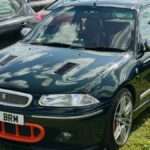
The Rover 200 BRM may look like a styling department’s eccentric farewell to the 1990s, yet it was much more carefully engineered than its orange nose suggests. Beneath the Brooklands Green paint sat a VVC engine, close-ratio gearbox, Torsen differential and a chassis tuned to make Rover’s small hatch genuinely entertaining.
1. It began as a motor-show concept
Rover first displayed the idea at the 1997 Frankfurt Motor Show. Public reaction to the small green hatch with its startling orange nose was strong enough to push the project into limited production, with customer cars arriving in 1998.
2. BRM meant British Racing Motors
The badge referenced the famous British Formula One constructor whose racing colours mixed dark green with a bright orange nose. Rover had historic links with BRM too: the two companies collaborated on the experimental gas-turbine Rover-BRM that competed at Le Mans in the 1960s.
3. It was based on the 200Vi
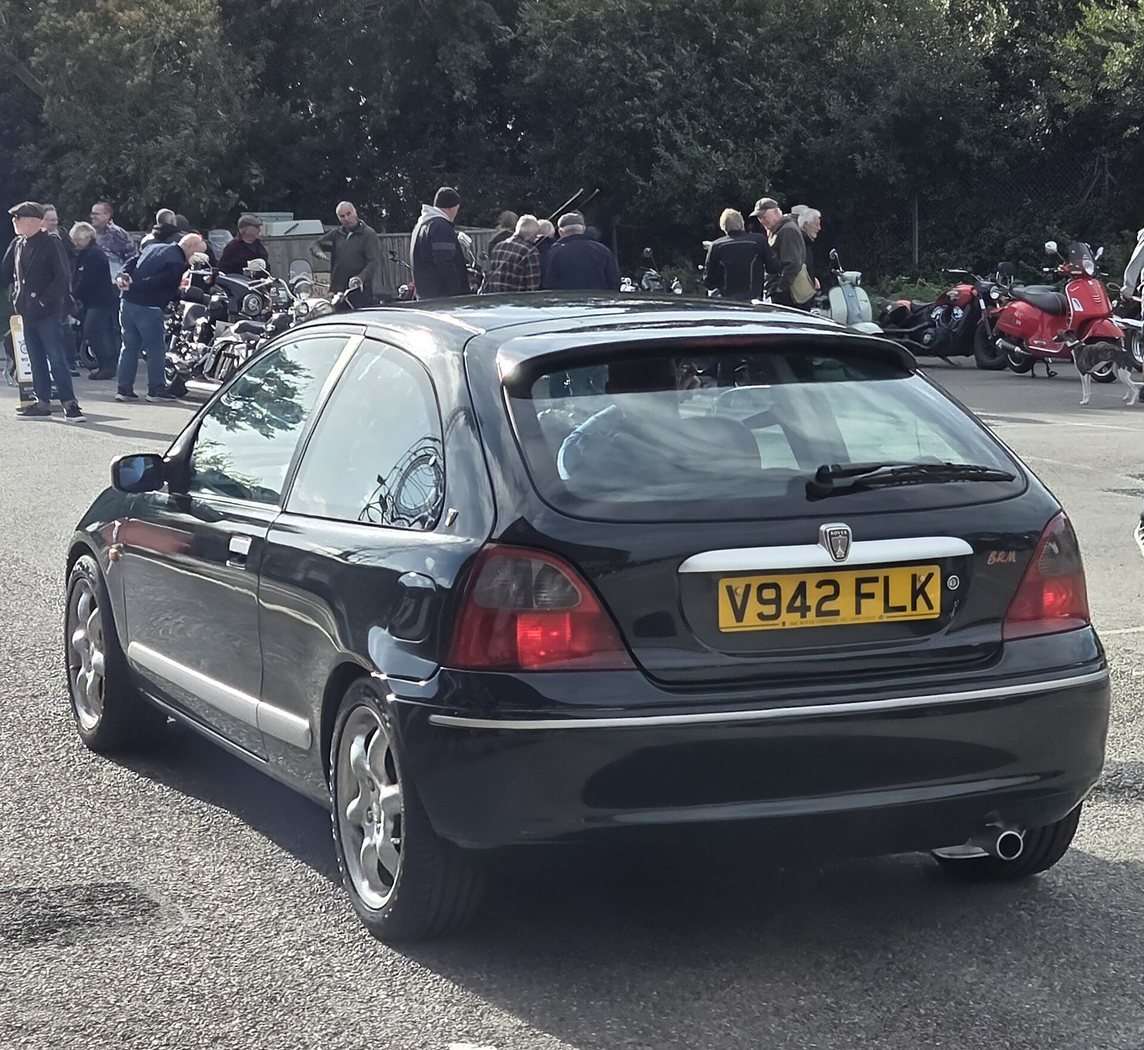
Underneath the visual theatre sat the best naturally aspirated version of Rover’s R3-generation 200. The 1.8-litre K-Series used Variable Valve Control and produced 145bhp—essentially the same lively engine found in the MGF VVC.
4. The differential was the real mechanical party trick
Rover fitted a close-ratio PG1 gearbox and a torque-sensing Torsen limited-slip differential. The hardware was developed from lessons learned with the much more powerful Rover 220 Turbo and helped the front tyres use the BRM’s power cleanly.
Love cars you don’t see every day?
Get forgotten cars, surprising motoring stories and the most interesting finds from Unusual Cars by email.
Free to join. No spam. Unsubscribe whenever you like. See our Privacy Policy.
5. It sat 20mm lower
The suspension was lowered and more firmly damped than the 200Vi, giving quicker responses and a more serious stance. The settings later influenced the early MG ZR, although the BRM retained smaller 16-inch wheels and a slightly less punishing ride.
6. The interior was even louder than the nose
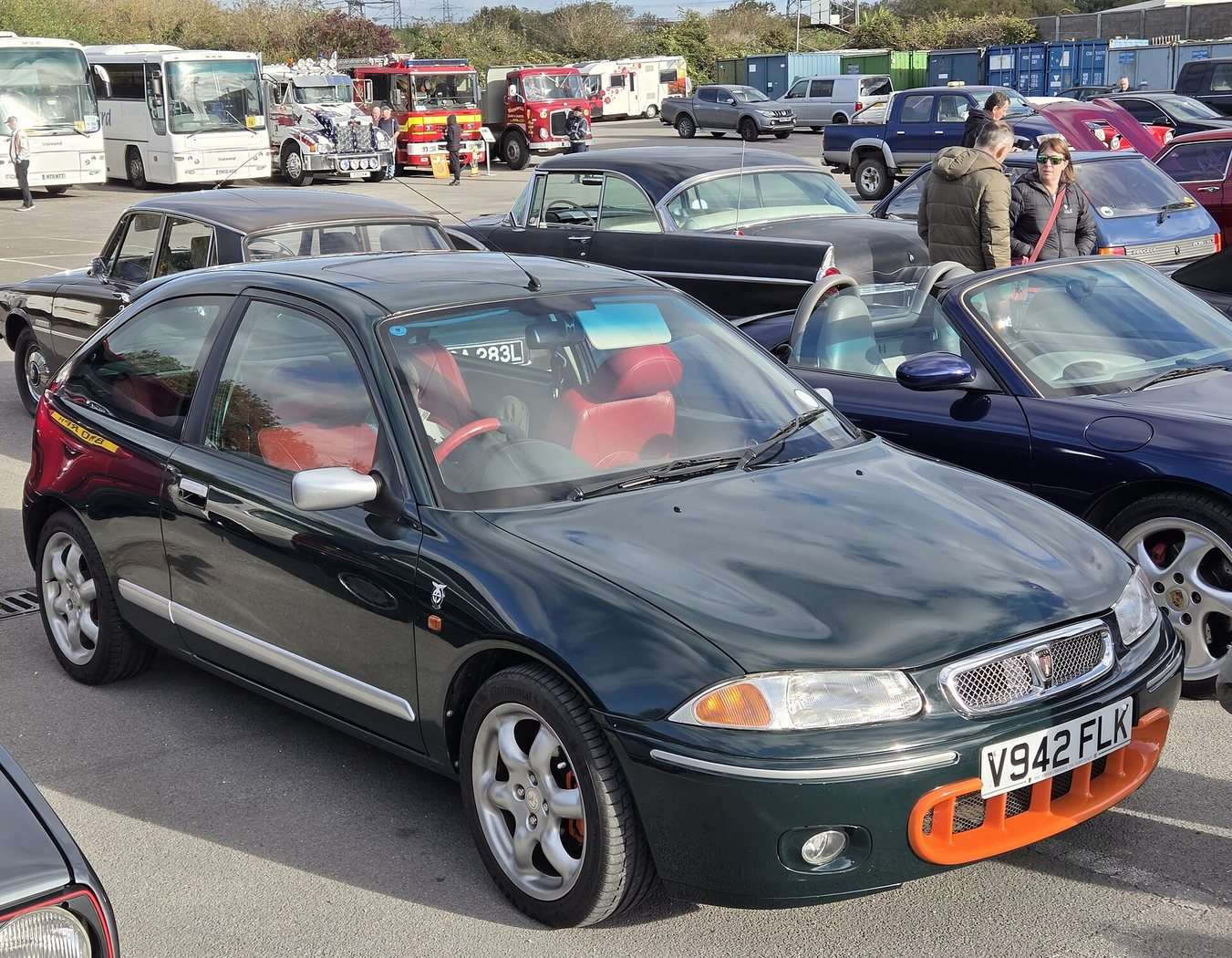
Red quilted leather covered the seats and door inserts, while turned-aluminium trim, alloy heater controls and a red carpet transformed the otherwise familiar Rover 200 cabin. It remains one of the boldest interiors fitted to a British hot hatch.
7. There was only one exterior colour
Production cars were painted Brooklands Green. The orange grille surround, silver mirrors and rubbing strips, stainless mesh grille and unique 16-inch alloys did the rest, making the BRM instantly recognisable even without badges.
8. Only 1,145 were built
The commonly accepted total is 1,145 cars, with 795 allocated to the UK. That made it rare from new, and corrosion, mechanical neglect and years of very low values have reduced the number of good survivors dramatically.
9. Its ambitious price hurt sales
At around £18,000 the BRM was expensive for a Rover 200, particularly when buyers compared its performance with newer rivals. Unsold cars were heavily discounted, sometimes by several thousand pounds, which damaged its status then but created remarkable bargains later.
10. The orange mouth divided opinion from day one
The colour was historically correct for BRM, but many buyers found it too theatrical. Some cars had the surround repainted green or black, so an original orange nose—once the feature people wanted to hide—is now an important part of an authentic restoration.
Why it matters
The 200 BRM distilled Rover’s engineering confidence and British motor-racing nostalgia into one small, unapologetically colourful car. It was too expensive when new and too eccentric for many buyers, but rarity, real mechanical substance and that extraordinary interior have turned it into a cult classic.
Join the Unusual Cars Club
Get more forgotten performance cars, surprising motoring stories and new 10 Things articles by email.
Free to join. No spam. Unsubscribe whenever you like. See our Privacy Policy.