The Saab 9-3 Viggen mixed Swedish aircraft-inspired branding, British development expertise and Finnish assembly with one of the most forceful turbocharged engines of its era. It was flawed, fast and unforgettable.
1. Viggen was named after a fighter aircraft
“Viggen” is Swedish for thunderbolt and was also the name of Saab’s AJ 37 combat aircraft. The badge linked the car to the aerospace identity Saab cultivated throughout its history.
2. Saab worked with TWR on its development
The project involved Saab’s Special Vehicle Operations and Britain’s Tom Walkinshaw Racing. That outside expertise helped turn the regular 9-3 into a much more serious high-performance model.
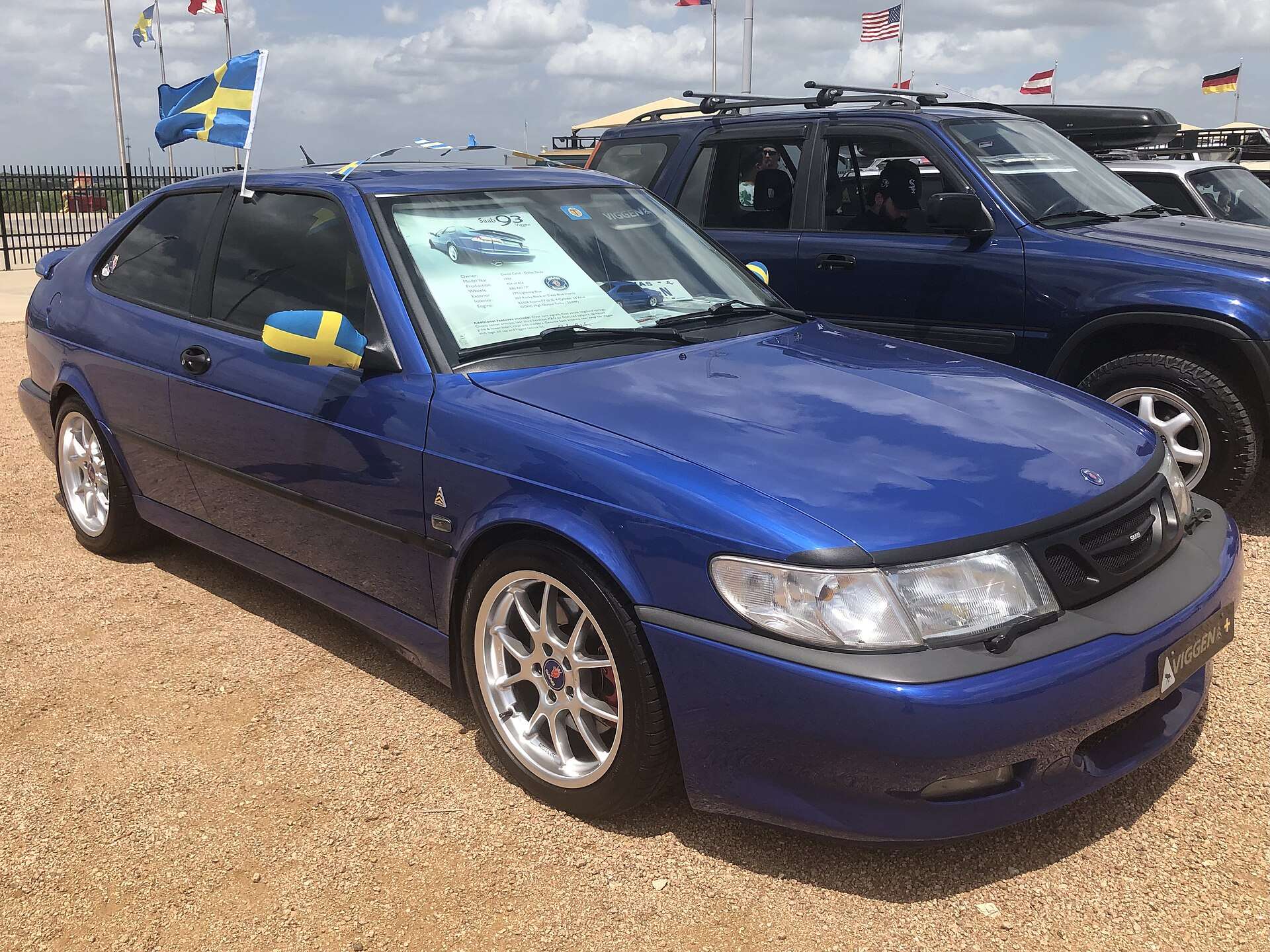
3. The cars were assembled in Finland
Viggens were built by Valmet Automotive at Uusikaupunki rather than on Saab’s main Swedish line. Valmet also produced the 9-3 Convertible and had extensive low-volume manufacturing experience.
4. Its 2.3-litre turbo delivered enormous mid-range torque
The B235R four-cylinder initially produced 225bhp, with later cars receiving 230bhp. More memorable was the 252lb ft torque output, which arrived low in the rev range and made overtaking effortless.
Love cars you don’t see every day?
Get forgotten cars, surprising motoring stories and the most interesting finds from Unusual Cars by email.
Free to join. No spam. Unsubscribe whenever you like. See our Privacy Policy.
5. Trionic 7 controlled far more than fuel
Saab’s sophisticated engine-management system monitored ignition and boost as well as fuelling. It could use ionisation across the spark-plug gap to detect combustion quality and suppress knock.
6. The power was limited in the lower gears
To protect traction and the transmission, engine management reduced available torque in first and second. Even so, wheelspin and torque steer became famous parts of the Viggen experience.
7. It came in four body styles
Buyers could choose three-door coupé, five-door hatch, four-door convertible and, in some markets, five-door forms. Few performance cars offered the same breadth of practical and open-top choices.
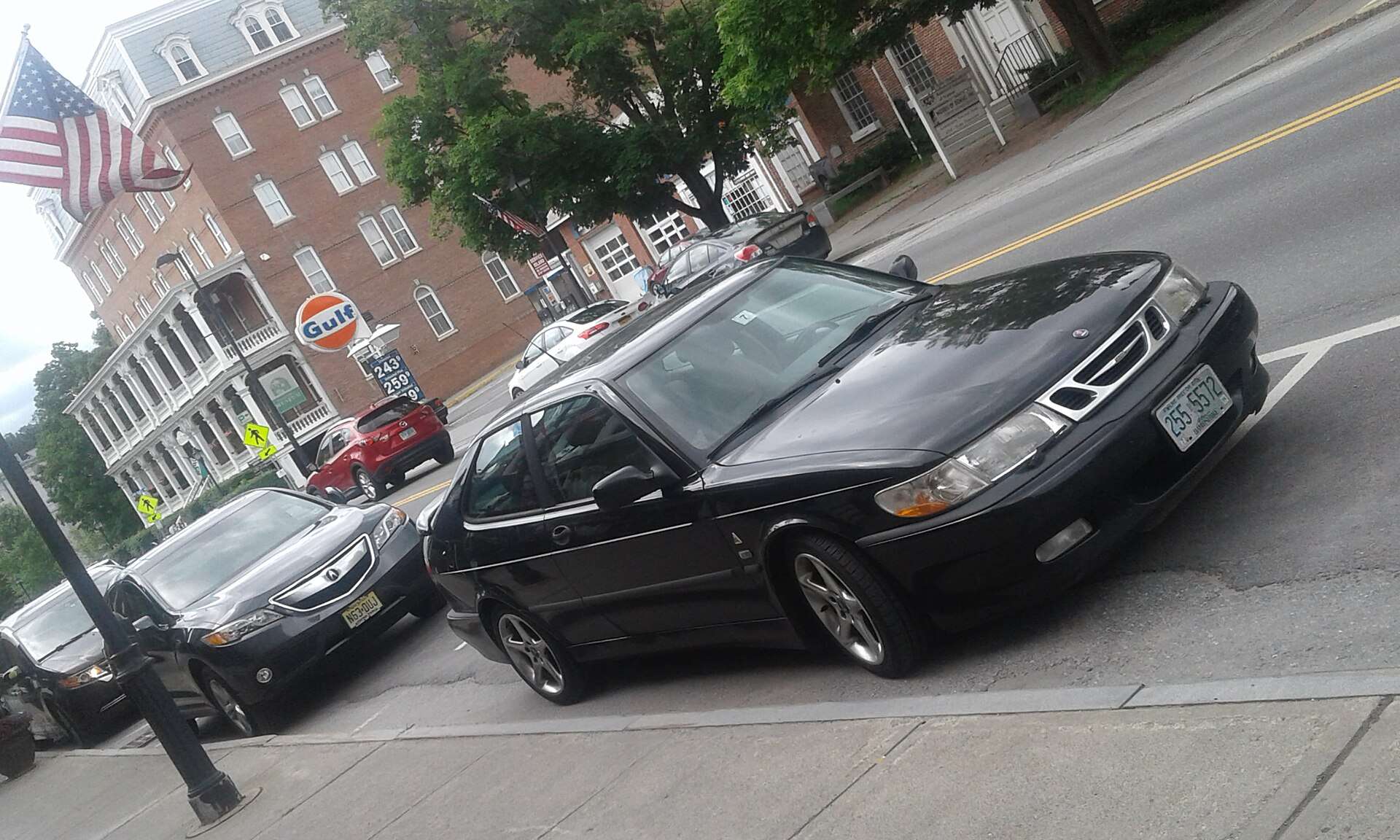
8. The bumpers and rear wing were aerodynamically useful
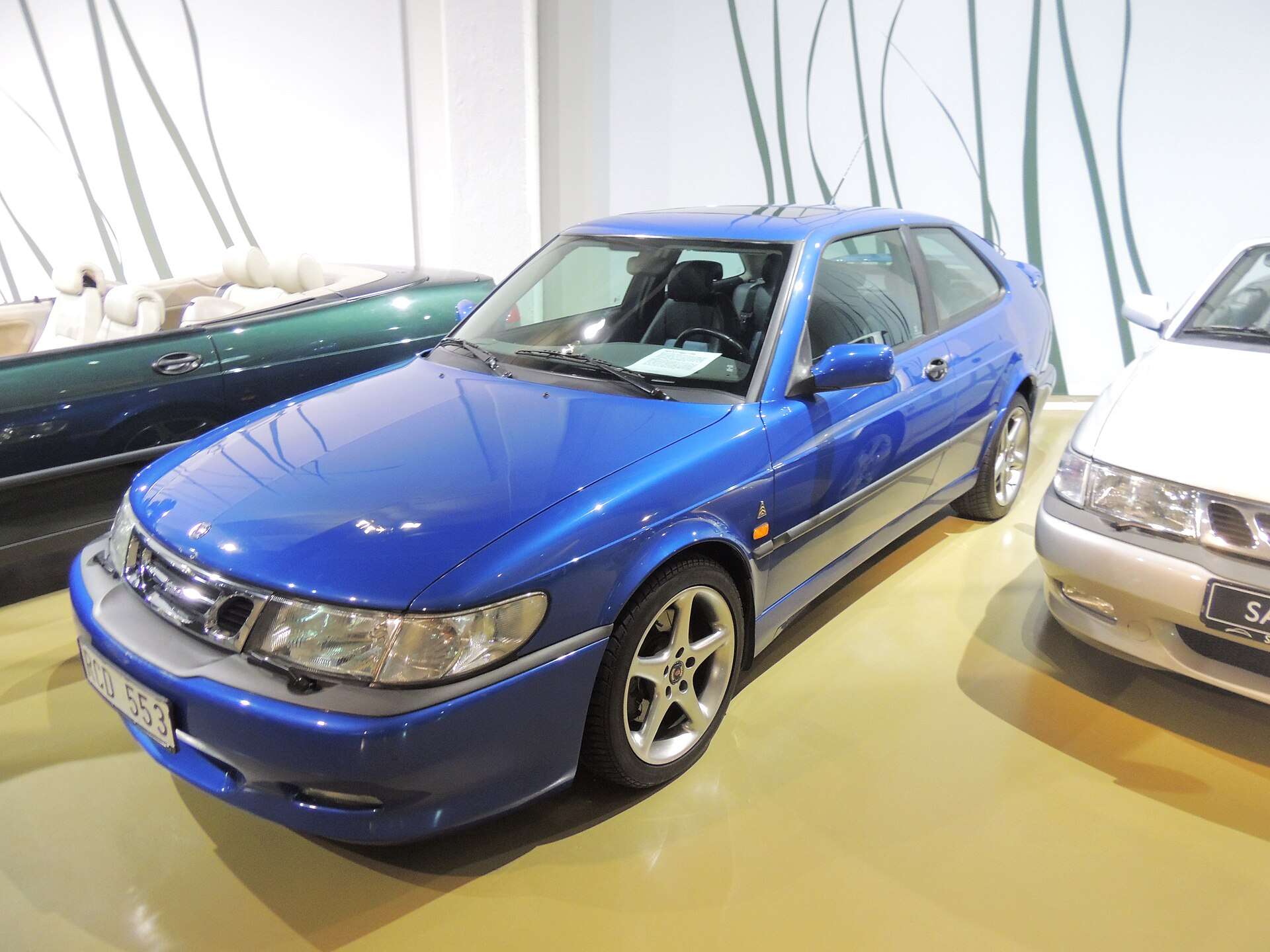
Deeper bodywork was not only cosmetic. Saab claimed the Viggen package reduced lift and improved high-speed stability, while the distinctive rear spoiler and side skirts made it instantly recognisable.
9. Special seats and colours added to the identity
Heavily bolstered leather seats, unique instruments and bright finishes such as Lightning Blue gave the cabin and exterior a character missing from ordinary 9-3s.
10. The chassis needs careful inspection today
Ageing engine mounts, worn suspension bushes, bulkhead movement around the steering rack and neglected cooling systems can spoil the car. The engine is strong, but only when maintenance and oil quality have been taken seriously.
Why it matters
The Viggen matters because it concentrated Saab’s eccentric engineering into one dramatic package. Modern performance cars are quicker and tidier, but few turn torque steer, turbo thrust and practicality into such a distinctive personality.
Join the Unusual Cars Club
Get more forgotten performance cars, surprising motoring stories and new 10 Things articles by email.
Free to join. No spam. Unsubscribe whenever you like. See our Privacy Policy.