

The Mk3 Volkswagen Golf VR6 rewrote the hot-hatch rulebook by squeezing a large, smooth six-cylinder engine into an ordinary compact body. It was not the lightest or sharpest Golf, but its effortless torque and unforgettable soundtrack created a new kind of discreet performance hatch.
1. It put six cylinders into a compact Golf
Before the Mk3, a six-cylinder engine in a family hatchback was almost unthinkable. Volkswagen’s narrow-angle design was compact enough to mount transversely, giving the Golf refinement and torque normally associated with much larger executive cars.
2. VR describes two engine layouts at once
The name combines the German initials for V-engine and inline engine. With its cylinder banks separated by only 15 degrees and covered by a single cylinder head, the VR6 sat somewhere between a conventional V6 and a staggered-row straight-six.
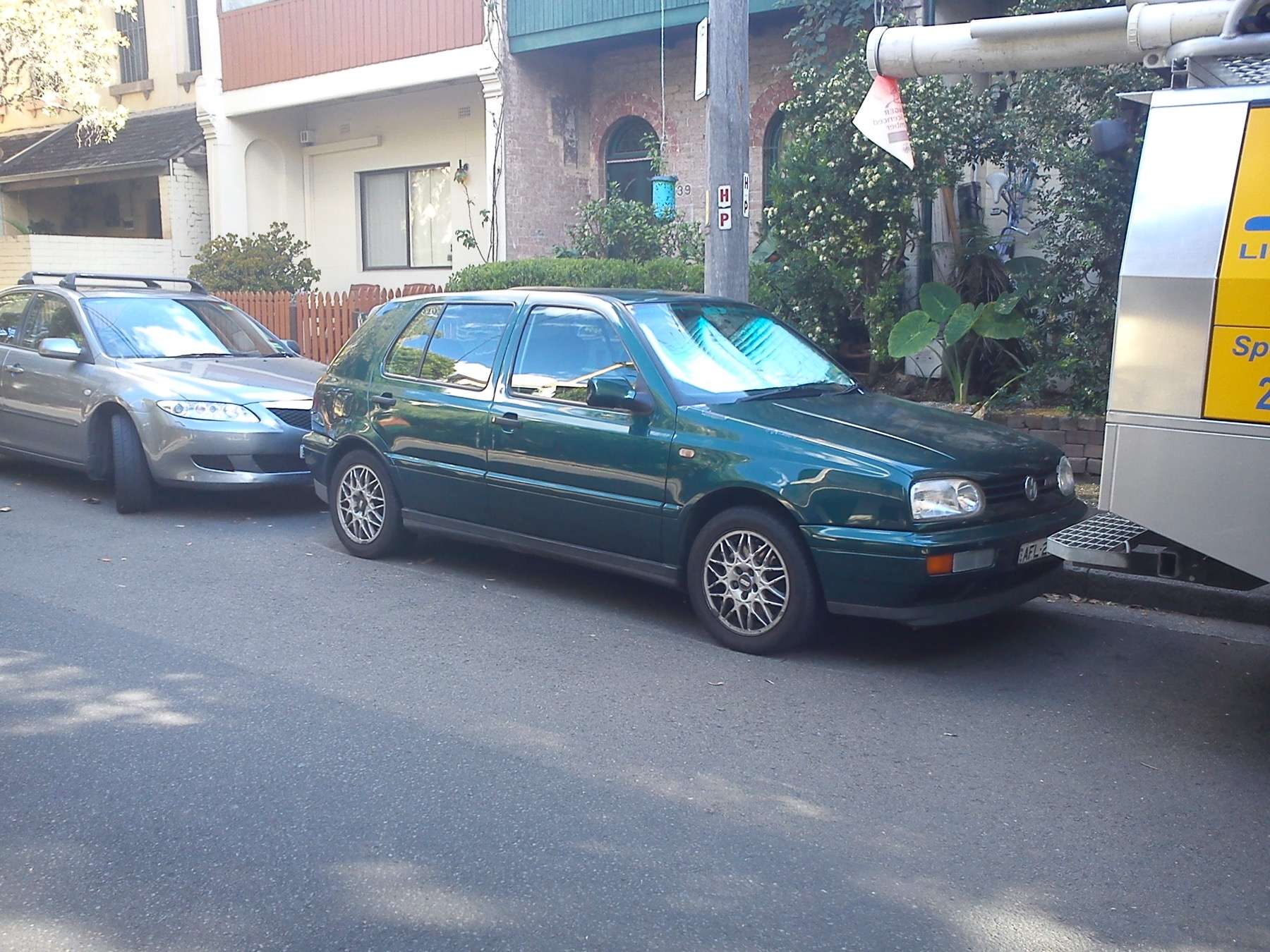
3. The UK engine displaced 2.8 litres
Most front-wheel-drive Golfs used the 2,792cc AAA engine producing about 174bhp and 173lb ft. Its smooth delivery and distinctive off-beat six-cylinder note mattered more than headline output.
4. It was not officially called a GTI in Britain
Although some markets associated the VR6 closely with the GTI range, UK cars generally wore simple VR6 badging. Volkswagen positioned it as a refined high-performance flagship rather than a stripped-back extension of the traditional four-cylinder GTI.
Love cars you don’t see every day?
Get forgotten cars, surprising motoring stories and the most interesting finds from Unusual Cars by email.
Free to join. No spam. Unsubscribe whenever you like. See our Privacy Policy.
5. It was heavier than the hot Golfs before it
The larger engine, stronger transmission, improved safety structure and richer equipment pushed weight well beyond a Mk2 GTI. That softened the razor-sharp feel enthusiasts expected, but delivered a stable, mature grand-touring character.
6. Performance came through flexibility
A healthy manual car could reach 60mph in roughly seven and a half seconds and around 140mph. More revealing was the effortless mid-range: the VR6 could accelerate strongly without the constant gear-changing demanded by smaller 16-valve engines.
7. Syncro versions used an even larger engine
Four-wheel-drive Golf VR6 Syncro models used a 2.9-litre version producing around 190PS to offset driveline losses. They were rare in many markets and were not a normal UK showroom offering, but demonstrated the engine’s versatility.
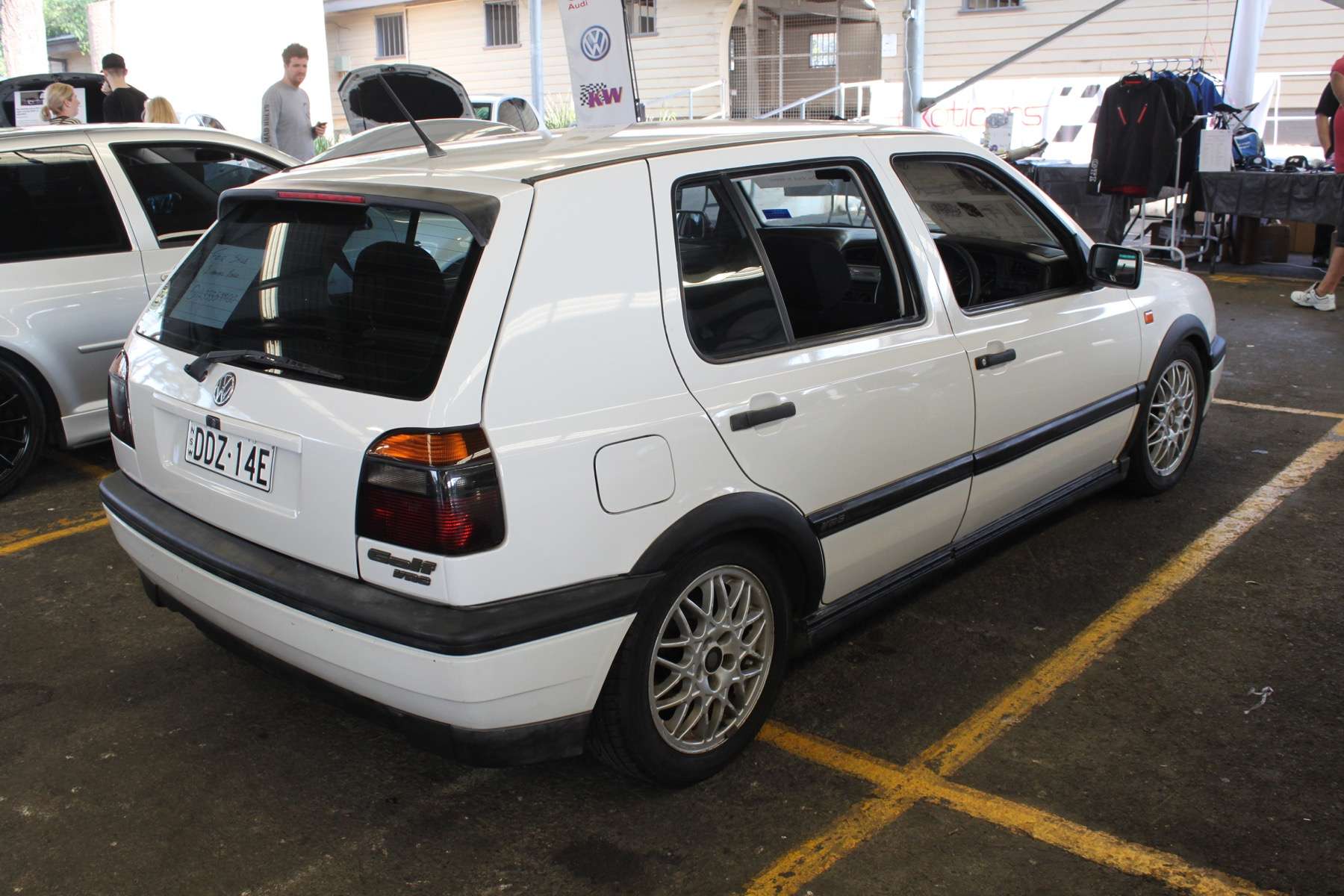
8. The engine inspired an entire Volkswagen family
VR6 power later appeared in the Corrado, Passat, Sharan and numerous North American models. The compact architecture also led to five-cylinder VR5 engines and ultimately to Volkswagen’s W8, W12 and W16 concepts.
9. The sound became its strongest legacy
The unequal geometry and close cylinder spacing gave the VR6 a rich, warbling exhaust note unlike an inline-four or ordinary V6. That soundtrack encouraged generations of engine swaps into earlier Golfs.
10. Cooling and timing-chain history matter more than shiny paint
Chains sit at the gearbox end of the engine, making replacement labour-intensive. Ageing cooling parts, head-gasket issues, rust and neglected suspension can turn a cheap VR6 into an expensive project, so documentation is crucial.
Why it matters
The Golf VR6 matters because it proved a mass-market hatchback could offer genuine six-cylinder character without a bonnet bulge or luxury-car price. It was the bridge between the traditional GTI and later high-performance Golfs such as the R32.
Join the Unusual Cars Club
Get more forgotten performance cars, surprising motoring stories and new 10 Things articles by email.
Free to join. No spam. Unsubscribe whenever you like. See our Privacy Policy.