10 THINGS YOU PROBABLY DIDN’T KNOW
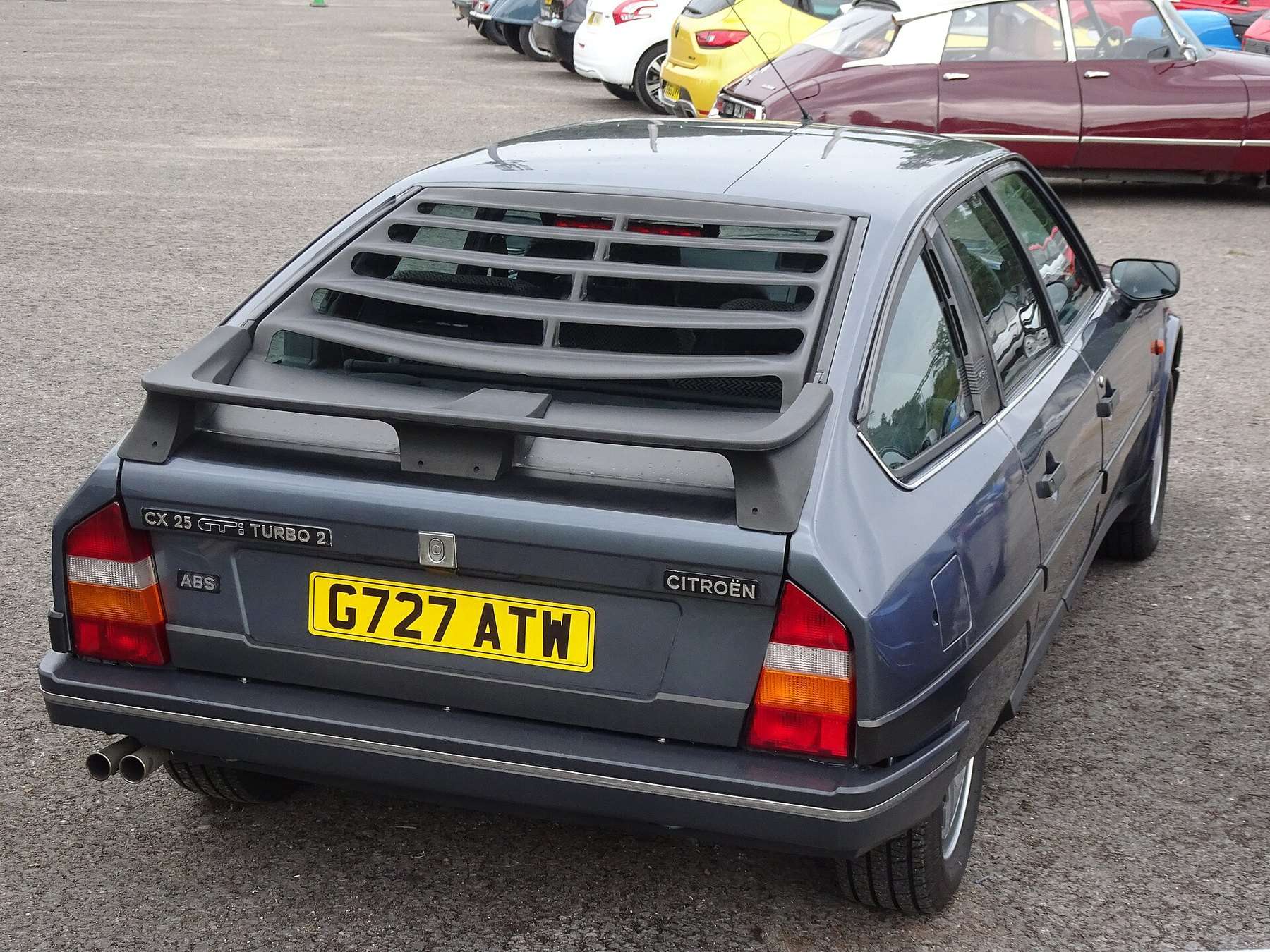
The Citroën CX GTi Turbo and Turbo 2 combined hydropneumatic suspension, self-centring steering and genuine 135mph performance. It was a super-saloon built according to Citroën’s own rules—and remains unlike anything produced since.
1. The CX name referred to aerodynamics
CX is the French notation for drag coefficient. The name advertised the importance of the car’s smooth profile, covered rear wheels and carefully managed airflow. That efficiency later helped the turbocharged versions achieve high speed without abandoning the long, elegant shape.
2. The original GTi was not turbocharged
Citroën introduced the injected CX GTi in 1977 with a 2,347cc engine producing 128bhp. It established the idea of a sporting CX years before forced induction arrived, combining a five-speed gearbox and distinctive trim with the model’s existing comfort technology.

3. Turbocharging arrived in 1984
The 2.5-litre CX GTi Turbo developed 168bhp and was capable of approximately 220km/h—around 137mph. That made the large front-wheel-drive Citroën a serious high-speed executive car rather than merely a comfortable saloon with sporty badges.
4. Turbo 2 meant an intercooler, not a second turbo
In 1986 Citroën added an air-to-air intercooler and renamed the car Turbo 2. Power remained around 168bhp, but intake temperatures and efficiency improved. Citroën quoted a slightly higher 223km/h maximum speed and significantly better fuel consumption.
Love cars you don’t see every day?
Get forgotten cars, surprising motoring stories and the most interesting finds from Unusual Cars by email.
Free to join. No spam. Unsubscribe whenever you like. See our Privacy Policy.
5. It retained hydropneumatic self-levelling suspension
High performance did not make Citroën abandon its defining suspension. The car maintained a constant ride height under load and used pressurised hydraulic spheres instead of conventional springs. Firmer damping and anti-roll settings gave the Turbo greater control while preserving its remarkable ride.
6. DIRAVI steering actively returned to centre
The speed-sensitive, hydraulically assisted steering was inherited from more exotic Citroëns. It isolated kickback and actively pushed the wheel back to the straight-ahead position. Drivers unfamiliar with it can find the response strange, but it contributes enormously to the CX’s unique high-speed character.

7. Series 2 transformed the appearance
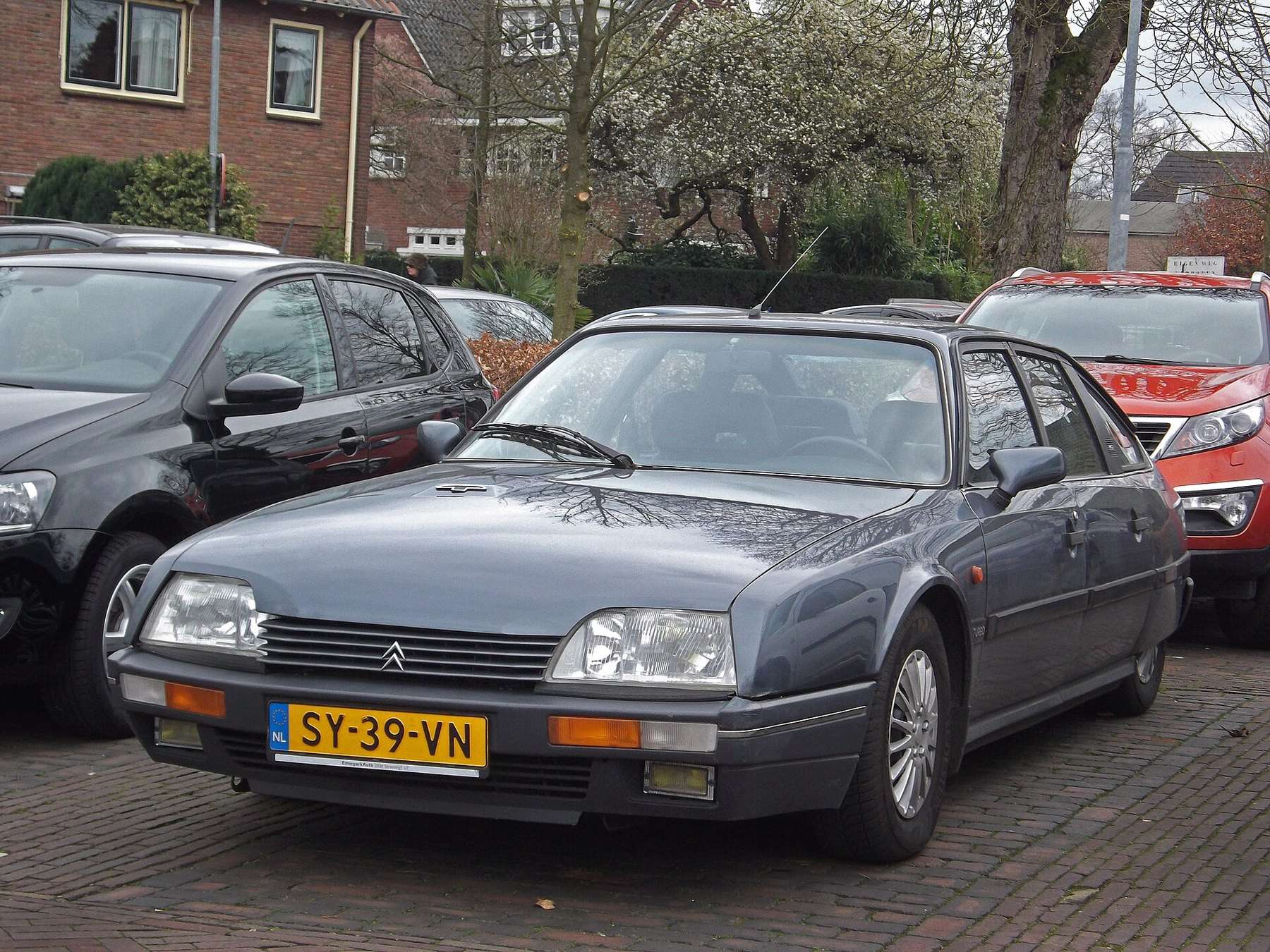
A major 1985 update replaced chrome bumpers with large colour-coded plastic units and modernised the dashboard. The underlying shape remained recognisable, but the later Turbo 2 looks and feels distinctly more 1980s than the original 1974 CX.
8. The dashboard ignored normal controls
Early cars used rotating-drum instruments and satellite control pods designed so the driver could operate major functions without removing a hand from the wheel. Later cars became more conventional, but even the Turbo 2 cabin remained unmistakably different from a contemporary BMW or Mercedes.
9. The CX had already proved itself in endurance events
Long before the GTi Turbo, CXs competed successfully over punishing African routes. Citroën records three CX 2200s finishing fourth, fifth and sixth in the two-wheel-drive category of the 1975 Abidjan–Nice rally raid after more than 9,000 kilometres.
10. A healthy hydraulic system is more important than low mileage
Correct green LHM fluid, sound spheres, dry hydraulic pipes and properly functioning steering and brakes are fundamental. The system is not inherently unreliable when maintained, but neglect and uninformed repairs can make an apparently cheap CX far more expensive than a well-kept higher-mileage car.
Explore more 10 Things articles
Discover more forgotten performance cars, hot hatches and motoring surprises in the Unusual Cars 10 Things hub.
Sources and further reading
Featured image: Citroën CX GTi Turbo 2. Photograph by andreboeni, CC BY 2.0, via Wikimedia Commons; locally hosted.