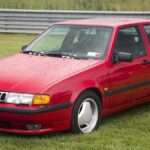
The Saab 9-5 Aero was a different kind of performance car: spacious, understated and dominated by a huge wave of turbocharged torque. It could carry a family and luggage in comfort, then accelerate with the urgency of something far more overtly sporting.
1. The 9-5 replaced the long-lived Saab 9000
Saab introduced the 9-5 in 1997 as its new executive flagship. The Aero followed as the performance version, continuing the company’s tradition of using turbocharging to make a practical front-wheel-drive car unexpectedly fast.
2. Its 2.3-litre engine was the key
The B235R four-cylinder combined 2.3 litres with a turbocharger and Saab’s sophisticated engine management. Output varied by year, rising from roughly 230bhp through 250bhp and eventually about 260bhp in later cars.
3. Mid-range torque mattered more than cylinder count
Many rivals used six or eight cylinders, but the Aero delivered its drama in a broad surge once the turbocharger was working. Overtaking performance became its party trick, particularly in higher gears where the engine’s torque could dominate the experience.
4. Saab’s Trionic system controlled more than fuel
Trionic engine management coordinated ignition, injection and boost pressure while monitoring combustion through the direct-ignition system. This unusually integrated approach helped Saab extract strong, repeatable performance from a relatively small engine.
Love cars you don’t see every day?
Get forgotten cars, surprising motoring stories and the most interesting finds from Unusual Cars by email.
Free to join. No spam. Unsubscribe whenever you like. See our Privacy Policy.
5. It remained front-wheel drive
The first-generation 9-5 Aero never pretended to be a rear-wheel-drive sports saloon. Careful boost control, chassis tuning and electronic assistance helped manage the power, but hard acceleration could still remind the driver which wheels were doing every job.
6. The estate was just as important as the saloon
The 9-5 Estate turned the Aero into an especially convincing sleeper. Its large, square luggage area and discreet styling sat alongside performance that could embarrass many dedicated sports cars, making it one of the definitive fast estates of its era.
7. Manual and automatic cars have different characters
A manual Aero feels more interactive and allows the driver to exploit the engine directly. The automatic suits the car’s long-distance personality, although output and torque strategies could differ by model year to protect the transmission.
8. The dramatic later nose earned a nickname
The 2005 facelift introduced chrome surrounds around the headlamps, quickly nicknamed the “Dame Edna” look. It remains divisive, but it gave the ageing 9-5 a visual identity unlike any German executive rival.
9. Oil history is crucial on earlier cars
Some early B235 engines developed oil-sludge problems when servicing, oil quality or crankcase ventilation was neglected. Updated ventilation components, correct oil and evidence of regular changes are therefore more valuable than an immaculate set of alloy wheels.
10. It became a tuning hero as values fell
Strong turbo hardware and programmable engine management made additional performance tempting. Many cars were remapped, so buyers should establish what has changed and whether brakes, cooling, clutch and maintenance were upgraded to match.
Saloon or estate—which 9-5 Aero would you take? Explore every 10 Things article in the Unusual Cars hub →