The Mk7 Golf R offers discreet speed in hatch or estate form, with a turbocharged EA888 engine and 4MOTION traction. Used examples vary widely in their maintenance and tuning histories. The decisive inspection points are coolant integrity, gearbox operation, all-wheel-drive function and evidence that the advertised specification matches the car.
Our buying verdict
Choose a well-documented car with a healthy cooling system and clear records for the gearbox and rear coupling. Match the transmission and body to the driving you actually do. Pay a premium for a facelift or particular options only when the build and condition justify it. Budget for diagnostics if a tuned car has incomplete history.
Versions, gearbox and build identity
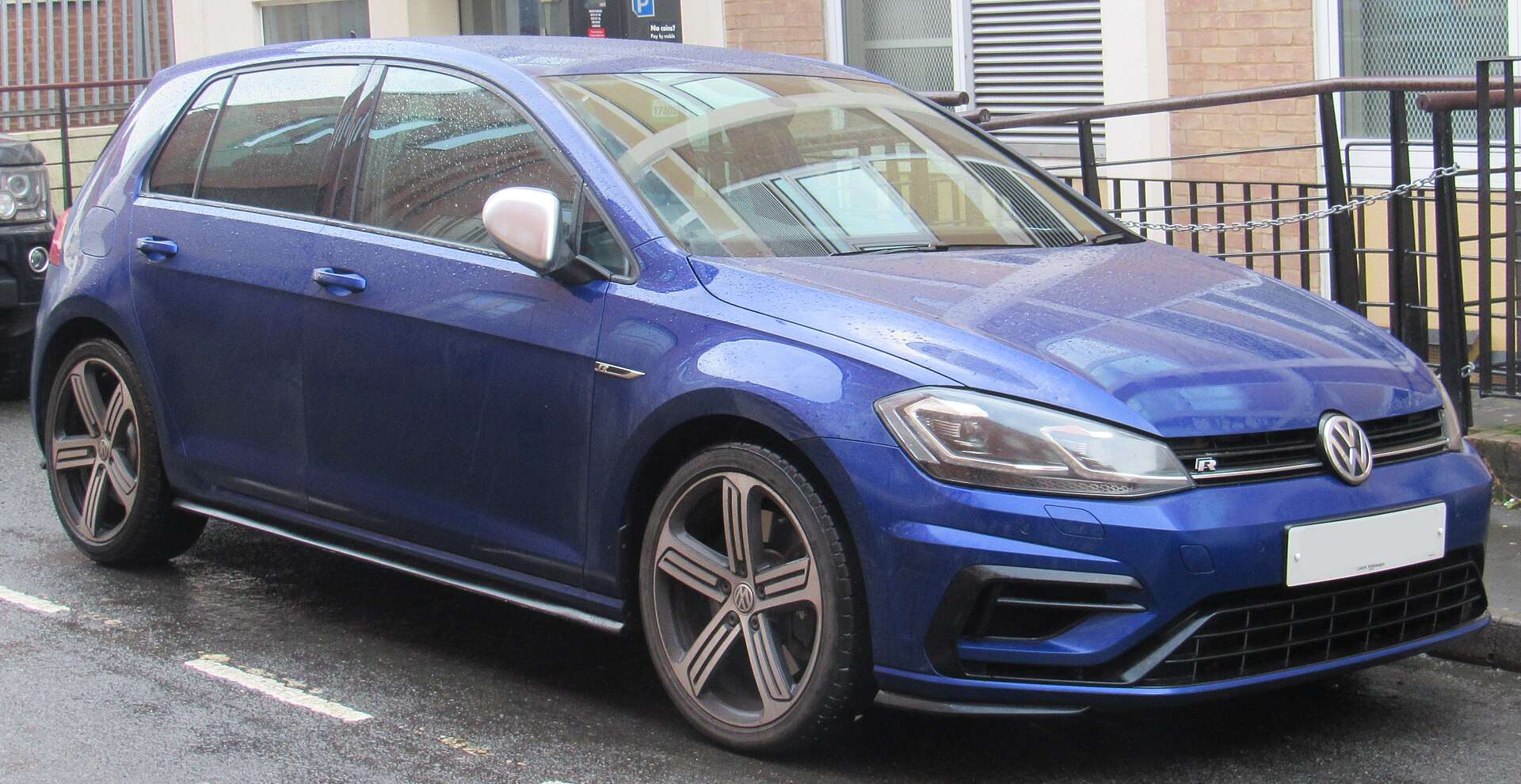
Volkswagen describes the launch Golf R as a 300 PS all-wheel-drive car with R-specific suspension. Later builds and markets vary in output and equipment, and Mk7.5 cars are often advertised as 310 PS. Check the factory build, engine and gearbox codes before ordering parts. Advert power figures may use different units or reflect tuning.
| Choice | Buying implications |
|---|---|
| Early Mk7 hatch | Six-speed manual or early wet-clutch DSG depending on build. Verify brake and suspension equipment, and check all AWD service evidence. |
| Facelift hatch | Look up exact power, gearbox and emissions specification. Later DSG builds can use the seven-speed DQ381. |
| Golf R Estate | Check rear load area, seals, towing use and rear suspension. Treat estate prices separately from hatchbacks. |
| Modified car | Verify ECU and transmission calibrations, intake, intercooler, turbo, exhaust and evidence of supporting maintenance. |
A Golf R-Line badge describes a different proposition from the full R. Check the actual model, drivetrain and engine code. DCC adaptive damping, wheel choices and trim extras should be confirmed from the build and tested in person. A replaced infotainment unit or exterior trim alone does not establish the model year.

UK prices and comparing like with like
On 5 November 2026, PistonHeads advertised a 2017 Golf R DSG estate at £16,995 with 78,000 miles and a 2017 DSG hatch at £18,200 with 61,000 miles. These are asking examples and the listing mixes Golf variants. Match the model, body, build, gearbox and seller type before using any advert as a benchmark.
Work out the first-year cost for each candidate. Add any tyres, fluids, brake work and cooling repairs that the records or inspection identify. Comparing a highly modified car and a standard example on asking price alone overlooks the cost of insurance and the possibility of returning it to stock.
Bodywork, corrosion and cabin
Check panel fit, bumper mounts, paint texture, undertrays, radiator supports, lamps and wheel-arch liners. On the lift inspect jacking points, sills, suspension mountings and subframes. Ask for repair photos after an impact. Examine the tyre inner shoulders and wheel barrels for damage that a quick walkaround misses. Resolve poor geometry before ordering a new set.
Check boot floor, carpets, tailgate seals and any panoramic roof for signs of water ingress. Test lighting, central locking, both keys, climate control, infotainment and parking equipment. Inspect aftermarket tracker and audio wiring. If the screen, assistance systems or lighting have faults, establish diagnosis and coding requirements before pricing a replacement.

Engine, DSG and 4MOTION checks
Cooling system and EA888 history
Ask for a genuinely cold engine. Check the coolant level safely, look for dried residue and inspect around the pump and thermostat housing, hoses and radiator. Get recurring coolant loss pressure-tested. Check whether any invoice describes the complete repair or only one component. During a full warm drive, watch temperature behaviour, idle quality and any warning messages.
Read oil invoices and ask how the owner monitored consumption between services. EA888 camshafts use chains. Ask a specialist to interpret persistent timing noise or timing-correlation faults rather than buying a generic timing-belt kit. Check ignition, ventilation and boost-system faults separately. A car that hesitates or misfires under load needs diagnosis before an order for coils, plugs or turbo parts.
Manual and DSG
Drive the manual cold and warm and check clutch release, slip, gear selection and noise. A tuned car can add clutch load, so ask what has been installed and what its flywheel arrangement is. Price the clutch, related parts and fitting together.
Confirm the DSG code and verify the correct service history for that unit. Fluid type, filter requirements and schedule depend on the gearbox. Test reverse, gentle parking manoeuvres and shifts after warm-up. Delayed engagement, recurring judder or warnings can have multiple causes. Obtain a fault scan and a written diagnosis before assuming a fluid service or mechatronics repair will solve it.
Rear coupling, wheels and dampers
Volkswagen identifies a Haldex coupling as part of the Golf R’s 4MOTION system. Ask for invoices for the actual rear coupling service. The rear differential and coupling have separate functions. Confirm what fluids were used and what the technician inspected. If the car has a warning, unexplained wheelspin or no evidence of rear drive, get an AWD-specific diagnostic check including the pump and electrical supply.
Match tyre size and rolling characteristics across the axles to the manufacturer’s requirements. On a car with DCC, look for damper leaks, test the settings and scan warnings. Assess arms, bushes, springs and brakes on a lift. A very firm aftermarket setup may be expensive to put back to factory comfort.

Maintenance and parts allowances
These are UK parts budgeting allowances. Confirm the VIN, exact fitment, condition, delivery, VAT and any exchange deposit before ordering. Labour and diagnosis are separate.
Affiliate disclosure. We may earn commission on qualifying eBay purchases at no extra cost to you. The links open model-specific searches.
| Part | Parts allowance | What to check |
|---|---|---|
| Oil and filter service | £55–£115 | Match oil approval and engine code. |
| Spark plugs | £40–£100 | Check the calibration and specified plugs. |
| Alternator | £150–£360 | Check output and connector. |
| Starter motor | £100–£250 | Verify gearbox and electrical diagnosis. |
| Accessory drive | £45–£145 | Confirm accessory belt layout. |
| Water pump and thermostat | £150–£390 | Confirm engine code, revision and sealing parts. |
| DSG service | £90–£220 | Select DQ250 or DQ381 only after identification. |
| 4MOTION coupling service | £35–£85 | Confirm rear coupling application and workshop scope. |
| Front discs and pads | £160–£360 | Verify actual disc dimensions. |
| Rear discs and pads | £100–£230 | Check caliper and parking brake operation. |
| Manual clutch kit | £230–£530 | Price flywheel, release and labour separately. |
Hidden ownership costs
Driveline servicing. Identify the DSG and rear coupling jobs separately. A generic full-service stamp rarely answers both questions.
Cooling diagnosis. Labour, housing revisions, coolant and adjacent seals affect the fitted total. Get a written quote after the leak has been traced.
Wheels and suspension. Price a complete tyre set, repairs to damaged alloys and correct alignment. DCC adds a separate specification to check when dampers wear.
Security and tuning. Quote the actual car and modifications with your insurer and price any security requirements. Ask who can support the calibration and whether stock parts accompany it.
Maintenance during storage. Check tyre ages, brakes and battery even on a low-mileage car. A period off the road can explain gaps but can still require work.
Eight-point viewing checklist
- Verify VIN, engine code, gearbox and genuine R specification.
- Check oil, gearbox and coupling service invoices.
- Watch a cold start and inspect coolant again after a warm drive.
- Test manual clutch or DSG operation, including reverse.
- Scan AWD and inspect the rear coupling and driveline.
- Inspect shell, brakes, wheels and tyre wear on a lift.
- Verify tuning, keys, dampers and cabin features.
- Obtain fitted repair estimates and an insurance quote.
Frequently asked questions
Does every Mk7 Golf R use the same DSG?
Builds can use different wet-clutch gearboxes. Identify the gearbox code before applying a service schedule or buying fluid.
Does the Golf R use a timing belt?
The EA888 camshaft drive uses a chain. The accessory belt is a separate service item.
Does a DSG service include the rear coupling?
Check the invoice. Transmission and rear coupling servicing are separate jobs.
Can I compare R-Line prices with Golf R prices?
Use genuine R examples of similar condition and specification when comparing purchase prices.
Should I pay extra for a remap?
Treat the calibration as part of the car’s documented mechanical specification. Confirm support, insurance and condition before assigning value.
Research and sources
- Factory 300 PS launch model, chassis and coupling context. Volkswagen Newsroom Golf R chassis documentation
- Generation engine and model context. Volkswagen Golf VII engine profile
- Advertised examples, selected by exact model and build year. PistonHeads Golf listings
Compare other generations in the Volkswagen buying guides.