Buy a factory JCW by its build record and condition. Confirm the car’s original identity before comparing it with a Cooper S wearing the same wheels or bumpers. Check cooling, drivetrain and brake wear before putting a value on a rare colour or options list.
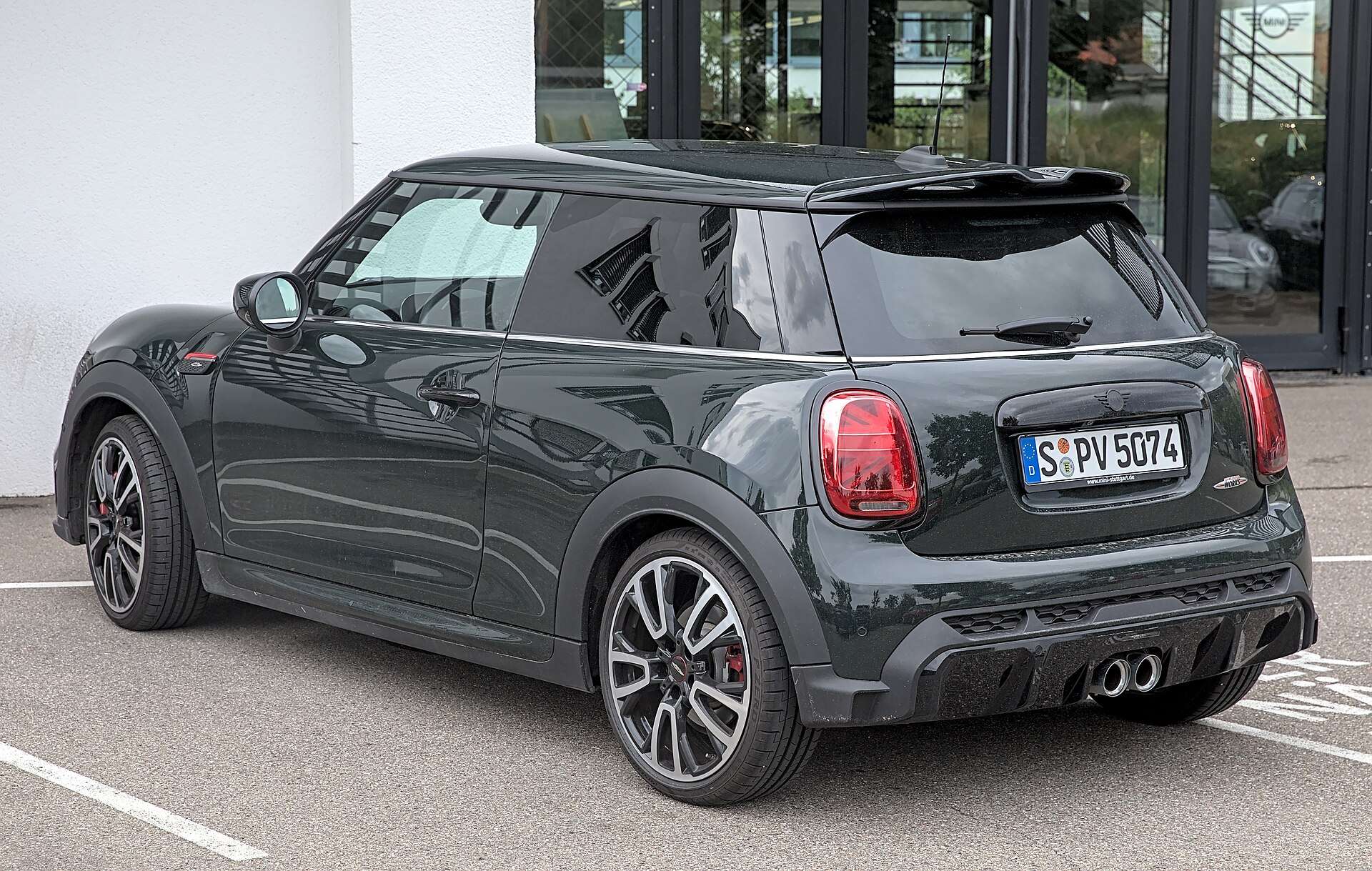
Which MINI John Cooper Works F56 should you buy?
The F56 JCW hatch uses a 2.0-litre B48 in 231 PS specification. Compare early manual and automatic cars and confirm the later gearbox by VIN. MINI’s 1to6 Edition material documents a later manual JCW derivative. Keep the GP, convertible and factory styling packages separate when comparing values.
Which F56 JCW belongs on your shortlist?
Start with a factory JCW hatch with the gearbox and wheel size that suit your roads. Verify the build by VIN and compare the fitted hardware, including brakes, seats and other equipment. A Cooper S wearing JCW styling can be a good car in its own comparison. The factory JCW asks for a different price and different parts. Keep the GP, convertible and newer-generation cars separate. For a 1to6 Edition claim, consult the factory reference and verify the individual car’s identity rather than paying for decorative parts.
Early and late examples can have different transmissions and equipment. Check the actual transmission code, VIN and manual or automatic build before comparing the asking prices or shopping for service kits. If choosing a manual, start with a normal commute-style drive and see whether pedal action and low-speed take-up suit you. For an automatic include a slow uphill manoeuvre and allow time for it to warm. Decide whether you prefer the actual car’s behaviour instead of choosing from the shift type printed in a listing.
Make the test drive serve your daily use
Sit in the back with the front seats set for the people who normally drive. Try the doors in a space like your parking bay. Check visibility, seats, climate, headlights and parking equipment. Drive over patchy tarmac in the mode you will normally use and compare the ride with another car on similar tyres. Verify any optional dampers and inspect their condition. Large wheels can come with a real cost in ride quality, replacement rubber and rim damage.
UK asking prices
On 6 November 2026, Auto Trader showed 2.0 JCW three-door asking prices including £7,495, £8,590 and £11,500. Check year, mileage, gearbox and history before treating any as comparable.

Separate the cheaper listings by model and generation
The existing Auto Trader examples at £7,495, £8,590 and £11,500 are seller asks drawn from a broad JCW feed. Confirm each candidate is a three-door 2.0 F56 before using it as a comparator. Create separate groups by build, gearbox, mileage and history, then check major wear and warranty terms. A specialist preparation invoice can matter more than an added options package on a car that will otherwise need tyres and brakes together.
Worked example: the car with an engine mount quote
Suppose a cheaper car vibrates at warm idle and the seller offers to supply an engine mount. Ask whether a workshop reproduced the vibration and ruled out persistent misfire, other mounts or a driveline cause. Get the result and a fitted quote and confirm a repeat drive after any repair. Price the other needs, such as a wheel with a bent inner rim or tired front brakes, separately. Compare the total and its uncertainties with another factory JCW whose condition has been checked.
Common problems and inspection points
B48 cooling and mounts
Check coolant from cold and inspect the undertray, joints and cooling stack. Ask about repeated top-ups and get unexplained loss pressure-tested. Investigate vibration on idle and take-up and ask a workshop to inspect mounts before ordering parts.
Manual and automatic
Check all gears and clutch slip under moderate load on a manual. On an automatic, test cold engagement, then gentle shifts and parking manoeuvres warm. Match any service or repair invoice to the exact gearbox code.

Brakes, tuning and body
Verify the fitted front calipers and disc diameter. Check inner tyre shoulders and wheel damage. Test electronics, climate and seals. Ask for tuning invoices and verify insurance for the declared changes.
Distinguish mount, engine and driveline symptoms
Observe cold start, idle and warning lights. When warm, note whether vibration changes with the car stationary, normal take-up, road speed or braking. Ask the specialist to inspect mount condition and confirm where movement or vibration originates. A worn mount and an uneven-running engine require different work. If a seller says the car has always felt that way, drive another comparable F56 and give the garage the exact conditions under which it happens.
Cooling evidence from cold to fully warm
Ask about recent coolant additions and previous repairs. Check the cold level and visible hoses, cooling stack and undertrays. Ask a workshop to identify where residue begins and what it means. Check again after the drive and record smells, cabin heat changes and warnings. Get a pressure test if there is evidence of loss. A parts listing for a pump or housing cannot establish which circuit or connection is involved. Where work has already been done, check what was replaced and how it was tested.
Transmission and brake checks by build
On a manual check take-up on a mild incline, selection at cold and warm temperatures and whether revs match acceleration in normal use. On an automatic try cold and warm forward and reverse and note any repeated hesitation or warning. Ask the workshop to distinguish mount movement and tyre or wheel problems from a shift issue. Check front caliper and disc fitment, measure the remaining brakes and inspect inner disc faces and wheel barrels. Pull or vibration while braking deserves diagnosis before ordering discs alone.
Bodywork, tuning and cabin functions
Inspect painted corners, door seals, boot floor and jacking points in daylight. Compare matching surfaces and look for disturbed fixings after bumper or wheel damage. Verify any assistance or parking equipment after previous work and try the infotainment. Ask about software, intake, exhaust, springs and spacers, which original parts are included and whether an insurer will cover the current setup. A standard-looking car can have a modified history, so review the work and the dates.
Love cars you don’t see every day?
Get forgotten cars, surprising motoring stories and the most interesting finds from Unusual Cars by email.
Free to join. No spam. Unsubscribe whenever you like. See our privacy policy.
Maintenance and parts
The B48 uses a timing chain and a separate accessory drive. Confirm oil approval, gearbox and JCW brake equipment by VIN.
Affiliate disclosure. We may earn a commission on purchases through the eBay links below. These are indicative UK parts-only allowances. Confirm the OE number and get fitted quotes separately.
| Part | Allowance | Fitment check |
|---|---|---|
| Oil kit | £55–£125 | Match approval. |
| Spark plugs | £45–£110 | Check calibration. |
| Ignition coil | £30–£80 | Diagnose first. |
| Alternator | £150–£410 | Verify output and connector. |
| Accessory belt | £35–£125 | Check routing. |
| Engine mount | £70–£230 | Confirm side and diagnosis. |
| Coolant pump | £85–£285 | Check circuit and revision. |
| Front pads | £60–£170 | Match calipers. |
| Front discs | £140–£380 | Verify diameter. |
| Manual clutch | £180–£460 | Quote flywheel separately. |
| Cabin filter | £12–£40 | Match build. |
Hidden ownership costs
Price front brakes, tyres, engine mounts and a fitted cooling repair separately. A tuned car can add insurance costs and require original hardware. Check alignment and get a fitted quote for persistent vibrations.

Build the JCW maintenance file
List oil and filters, plugs, brake fluid, transmission work and accessory drive by date and mileage. Review the VIN-specific requirements with your intended garage. Ask for a line for measured tyres and brakes and another for any diagnosis. Match the exact brake, charging, mount and coolant components to the fitted hardware before using the eBay searches. Check whether the shop will fit supplied parts and how it handles fitting warranty. Confirm which parts and labour are included in a clutch or brake estimate.
Hidden cost: returning a modified car to the setup you want
If it is lowered or has different wheels, price replacement parts, alignment and correct tyres together. If an exhaust or intake has changed, assess how well it fits and whether the factory parts actually come with the car. Price the insurance with changes declared. Put optional appearance work on a separate line from jobs that affect safety or reliable daily use.
Viewing checklist
- Confirm VIN, build, equipment and service history.
- Inspect from cold and road test fully warm.
- Check tyres, brakes, underbody and warning history.
- Get itemised estimates for work due.
- Check MOT history and obtain written repair estimates.
An F56-specific drive and handover
Start cold with a visual coolant and tyre check. Try urban traffic, an incline and a rough surface, then repeat parking manoeuvres and warm idle. Test the options you are paying for. Ask an independent specialist for a lift inspection, relevant scan, measured wear and confirmation of fitted hardware. At collection repeat the test that revealed the fault, collect both keys and invoices, and verify the exact specification of any promised tyres or brakes. Move on if a repeating warning, cooling fault or inconsistent identity cannot be investigated.
Before you commit to a specific car
The exact F56 should be the basis for the maintenance quote
Start by confirming the factory 231 PS JCW build and fitted brakes, then confirm the gearbox, wheel package, suspension and charging equipment. If the car has an automatic, ask for the transmission identifier and check the workshop’s VIN-based recommendation. On a manual, have the garage assess pedal and take-up before deciding whether clutch work belongs in the first-year budget. A clutch listing may omit the flywheel or related hardware. Compare the whole fitted job and inspect other parts if access overlaps.
Use age and mileage as separate evidence
One car may have a long daily commute and substantial mileage while another has sat or done mostly town runs. Check service dates, wear, tyre ages, brake corrosion and battery condition. Ask where any vibration or rattle has been recorded and see whether it can be reproduced when the car is cold or warm. If the car has a recent oil change but several older advisories, ask what work was done to address them. Read the MOT and workshop history side by side and distinguish a repeating advisory from a confirmed repair.
Spend the inspection on the expensive unknowns first
If the front end was repaired, ask how the body and cooling stack were assessed and check that steering is centred and alignment credible. If the brakes feel rough, obtain measurements and inspect inner surfaces, rims and suspension rather than ordering a set of discs from the symptom alone. If a car has repeated coolant loss, ask the workshop to reproduce the conditions and verify the source. A lower ask can accommodate tyres and a service. A recurring fault is worth diagnosing before fixing a purchase price.
Keep the F56 and GP comparisons separate
On any special edition, verify the factory evidence and parts that distinguish it, including the equipment you expect to receive. On a regular JCW, pay for mechanical condition and history before an appearance pack. Compare asking prices from candidates of the same generation and check that adverts are actually for the hatch with the powertrain and gearbox you want. Put the dealer’s promised preparation and warranty wording next to the measured condition so you can tell what the offer includes.
Buying scenarios and workshop evidence
Buying scenario: one stock JCW and one tuned car
Write down the current wheel, suspension, intake, exhaust and software details for both cars. On a tuned car ask who carried out each stage and what changed after any calibration. Check insurance using the exact setup and ask whether the relevant workshop can service it. A fresh set of tyres and an attractive body can hide worn brakes or geometry problems. Look at the inside edges and rims and use a lift inspection where there is a reason to suspect damage. Price the first service and all measured wear before deciding how much the modifications add for your use.
Buying scenario: the vibration that only appears in gear
Notice whether the symptom appears at idle in neutral, when selecting drive, at normal take-up or at a particular road speed. Ask the technician to reproduce it and check both engine operation and mounts. A mount found worn on inspection is useful evidence, but ask whether replacing it is expected to address the exact vibration. Compare tyre and wheel condition and note whether the symptom changes during braking. Ask for a post-repair drive if the seller agrees to fix it. A garage quote to fit a part has limited value unless the symptom and cause have been linked.
Inspect an earlier or later automatic on its own terms
Ask the workshop to confirm the transmission from the build and read the actual service scope. Try reverse and forward cold, then drive in gentle traffic and repeat parking warm. Observe response on an ordinary slope and note a repeated hesitation, harsh change or warning. Give the exact trigger to the workshop and ask whether a scan or more inspection is needed. If you also try a manual, compare low-speed take-up and warm selection for the particular example. That helps you decide which gearbox fits your normal use and which costs are simply wear on one candidate.
Bring a brake and wheel report into negotiation
Ask the garage for fitted brake dimensions and measured wear, both axle prices and the scope of the job. Inspect the inner rims for cracks, bends or signs of repair and note tyre sizes and dates. Where there is uneven wear, ask whether alignment should follow investigation of a wheel, mount or suspension problem. Add any fitting hardware, sensors and tax to the quote. Compare a dealer offer to replace brakes with the written scope and confirm what actually went on at collection.
Before agreeing a handover date
Verify both keys, daily-use equipment, option claims and what work is included. Ask the dealer to provide a dated invoice with the parts used, and repeat the cold or warm conditions that revealed any agreed repair. If you need the factory parts to return the car to standard, list them in the agreement and check their condition. Record the next service by date and mileage and keep the wheel and brake specification with the file so the next owner or workshop can verify fitment.
What to verify at the viewing
| Finding or claim | How to check it | Buying decision |
|---|---|---|
| Factory JCW claim | Confirm build, original specification and fitted hardware. | Use a factory JCW price comparison only once verified. |
| Vibration on take-up | Check engine operation, mounts and drivetrain at the same trigger. | Price the confirmed job. |
| Coolant loss | Inspect cold and warm and ask for an appropriate test. | Obtain a fitted repair and retest. |
| Brake wear | Confirm actual calipers and disc measurements by axle. | Compare the correct fitted parts. |
| Lowered suspension | Check clearance, tyre wear and geometry. | Budget correct hardware and alignment where needed. |
Research and price sources
Manufacturer material establishes the original specification. Classifieds are asking-price evidence and must be matched to the actual model, condition and seller. Workshop checks should be applied to the individual car.
MINI John Cooper Works F56 FAQ
How do I identify a factory JCW?
Check the VIN and original build, then verify hardware.
Is the GP covered?
Use a separate comparable and parts budget for the GP.
Does the B48 have a timing belt?
It uses a chain and separate accessory drive.
MINI John Cooper Works F56 for sale on eBay UK

See more MINI John Cooper Works F56 cars on eBay UK
Love cars you don’t see every day?
Get forgotten cars, surprising motoring stories and the most interesting finds from Unusual Cars by email.
Free to join. No spam. Unsubscribe whenever you like. See our privacy policy.