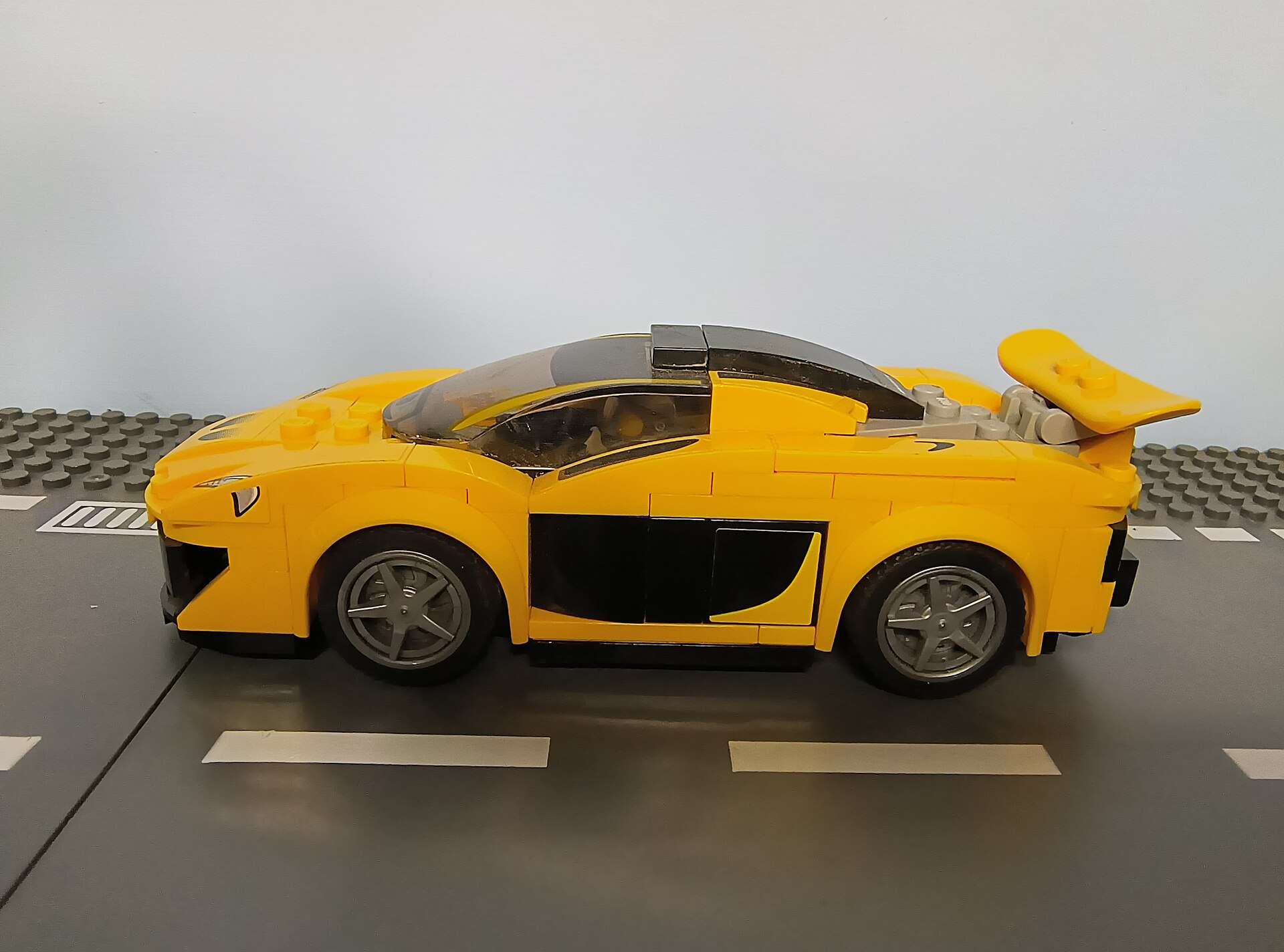
The McLaren P1 was created with a simple but extraordinary ambition: to be the best driver’s car in the world on road and track. Unveiled in production form in 2013, it combined a twin-turbo V8, electric motor, carbon structure and active aerodynamics in a package that helped define the modern hybrid hypercar.
Only 375 road cars were built. Alongside the Ferrari LaFerrari and Porsche 918 Spyder, the P1 formed the group enthusiasts later called the “Holy Trinity”. Each used electrification differently; McLaren treated it as a tool for throttle response, performance and aerodynamic freedom.
From F1 to P1
The P1 was never intended as a direct remake of the McLaren F1. The earlier car prioritised low weight, three-seat packaging and naturally aspirated response. The P1 instead explored what advanced electronics, hybrid torque and active body systems could achieve two decades later.
Its MonoCage carbon-fibre structure weighed about 90kg and incorporated the roof and air-intake snorkel. Body panels were kept extremely thin, while even the cabin carpet was omitted to save mass. The result looked organic but every major surface managed air.
Hybrid power and performance
A heavily developed 3.8-litre twin-turbo V8 produced 737PS, supported by an electric motor delivering 179PS. Combined output reached 916PS (903bhp) and 900Nm. The motor filled gaps in the V8’s torque delivery and could also power the car alone for short distances.
- Powertrain: 3.8-litre twin-turbo V8 plus electric motor
- Combined output: 916PS / 903bhp
- Torque: 900Nm
- 0–62mph: 2.8 seconds
- 0–124mph: 6.8 seconds
- Top speed: 217mph, electronically limited
- Dry weight: approximately 1,395kg
- Road-car production: 375
Drivers could deploy electric energy using an IPAS button inspired by push-to-pass systems. A separate DRS control reduced rear-wing drag on straights, bringing motorsport-style interaction into the road car.
Active aerodynamics and Race mode
The large hydraulic rear wing adjusted automatically, while underbody aerodynamics generated significant suction. McLaren quoted up to 600kg of downforce, an exceptional figure for a road-legal car of the period.
Race mode lowered the suspension dramatically and increased spring stiffness, while the rear wing rose to its most aggressive position. Carbon-ceramic brakes used a specially developed material designed to resist extreme temperatures.
P1 versus LaFerrari and Porsche 918
The three cars arrived at a similar moment but expressed different priorities. LaFerrari paired electric assistance with a high-revving V12; the 918 used all-wheel drive and a larger usable electric range; the rear-wheel-drive P1 focused on low mass, aerodynamic load and steering feel.
There is no single objective winner, which explains the lasting fascination. The P1 feels particularly coherent: engine, motor, suspension and aero work together to make the car faster rather than presenting hybrid technology as a separate feature.
Legacy
The track-only P1 GTR pushed the concept further, and some were later converted for road use. More importantly, lessons from the P1 fed into later McLarens, culminating in the Artura’s series-production hybrid system and the W1 successor in McLaren’s “1” car lineage.
The P1 remains a landmark because it arrived before electrified performance became normal. It demonstrated that a hybrid could be more exciting, not merely more efficient.
Ownership snapshot
Any purchase requires factory-level or leading-specialist expertise. Provenance, battery health, service history, accident repair, tyre age and correct operation of hydraulic and aerodynamic systems are crucial. Values and maintenance are highly specialised, so our future buying guide will treat those subjects separately.
Image: “2015 McLaren P1.jpg” by Bjohns67, CC0, via Wikimedia Commons. Specifications referenced against McLaren’s official P1 model information.