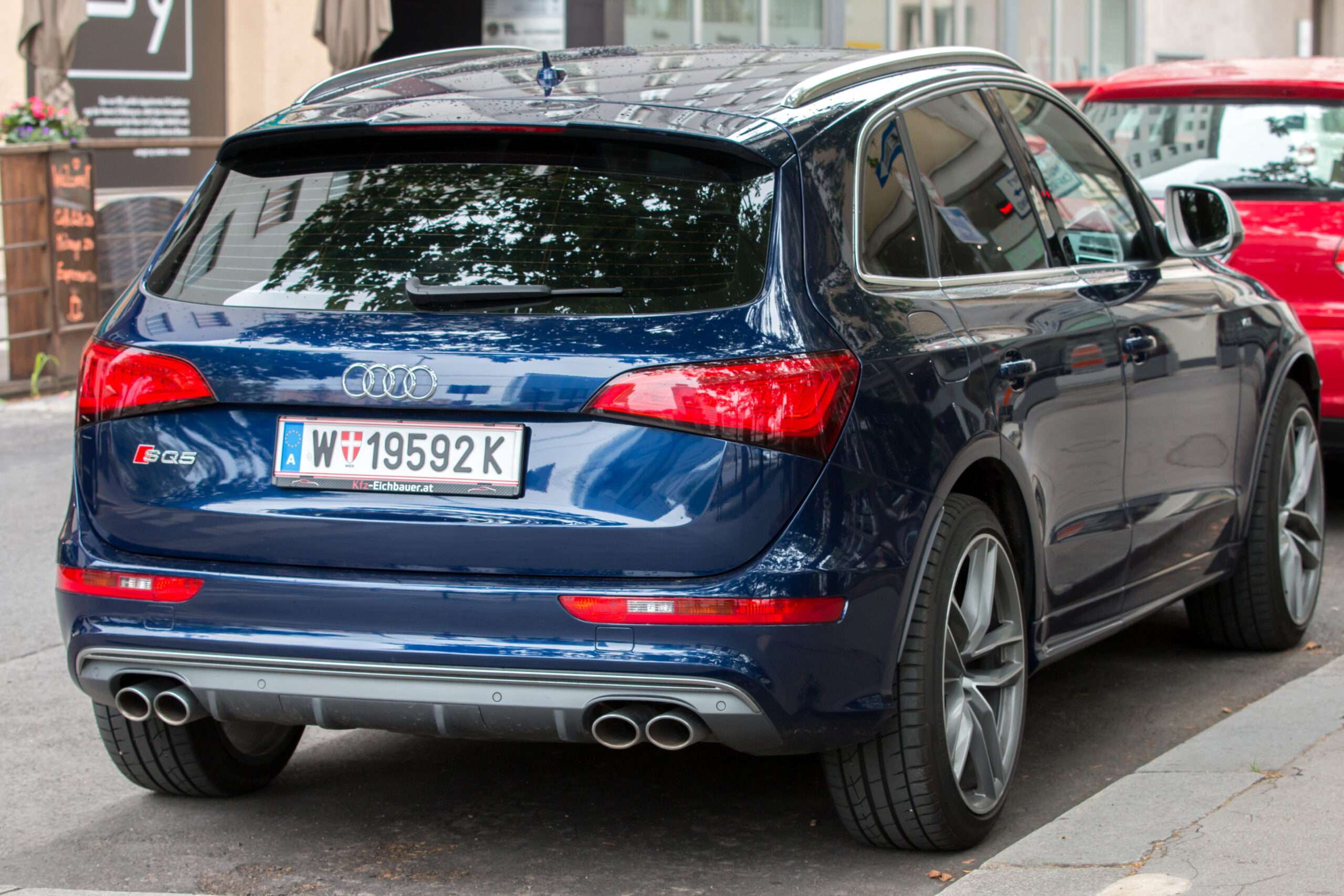
The first Audi SQ5 is a deceptively serious used buy. Its 3.0-litre twin-turbo diesel, eight-speed automatic and quattro traction make it an unusually effective long-distance family car. They also mean that buying the cheapest example can turn a modest saving into a substantial repair bill. This guide covers the first-generation 8R SQ5 TDI, including the later Plus, rather than the petrol SQ5 or the second-generation FY model.
Our buying verdict: choose an unmodified car with traceable servicing, a clean diagnostic inspection, matching tyres and credible gearbox maintenance. A sound standard 313 PS example is a better purchase than an inexpensive Plus with unexplained coolant loss, warning lights or a recently cleared fault memory. This is a performance SUV whose ownership costs still reflect its original engineering.
Affiliate disclosure: we may earn a commission from qualifying purchases through the eBay links in this guide, at no extra cost to you. Search results can include unsuitable parts: confirm the VIN, engine, gearbox and brake codes before ordering.
Which Audi SQ5 does this guide cover?
Audi’s UK archive identifies the original SQ5 TDI as a 2012–2016 model family. UK advertisements often describe cars registered between 2013 and 2017. Registration date and production specification are different things: identify the 8R body, diesel engine and actual build specification rather than relying on the number plate.
| Version | What matters to a buyer |
|---|---|
| Original SQ5 3.0 BiTDI | Audi quotes 313 PS and 650 Nm from a twin-turbo V6 diesel. Eight-speed Tiptronic automatic and quattro; this is not a seven-speed S tronic car. |
| SQ5 TDI Plus | The 2015 launch announcement quotes 340 PS and 700 Nm. The rear sport differential is an important mechanical distinction, alongside its trim and wheel changes. |
| Cars advertised as Competition or special editions | Check the original build data and factory output. Advert wording, badges and a remap are not proof of an edition or its original equipment. |
| Petrol SQ5 or later-generation SQ5 | Different engines, emissions systems and component applications. Do not use this diesel 8R guide or its parts searches as a substitute for the correct model information. |
The standard car’s attraction is accessible torque, not a need to chase a red line. Audi quoted up to 41.5 mpg on the period NEDC combined test, but that is a laboratory figure rather than an ownership promise. Short urban trips, towing, winter journeys and enthusiastic acceleration can produce a very different fuel bill. Buy the diesel because its use suits your journeys, not because a brochure consumption figure appears to cancel out all other costs.
Standard SQ5 or Plus?
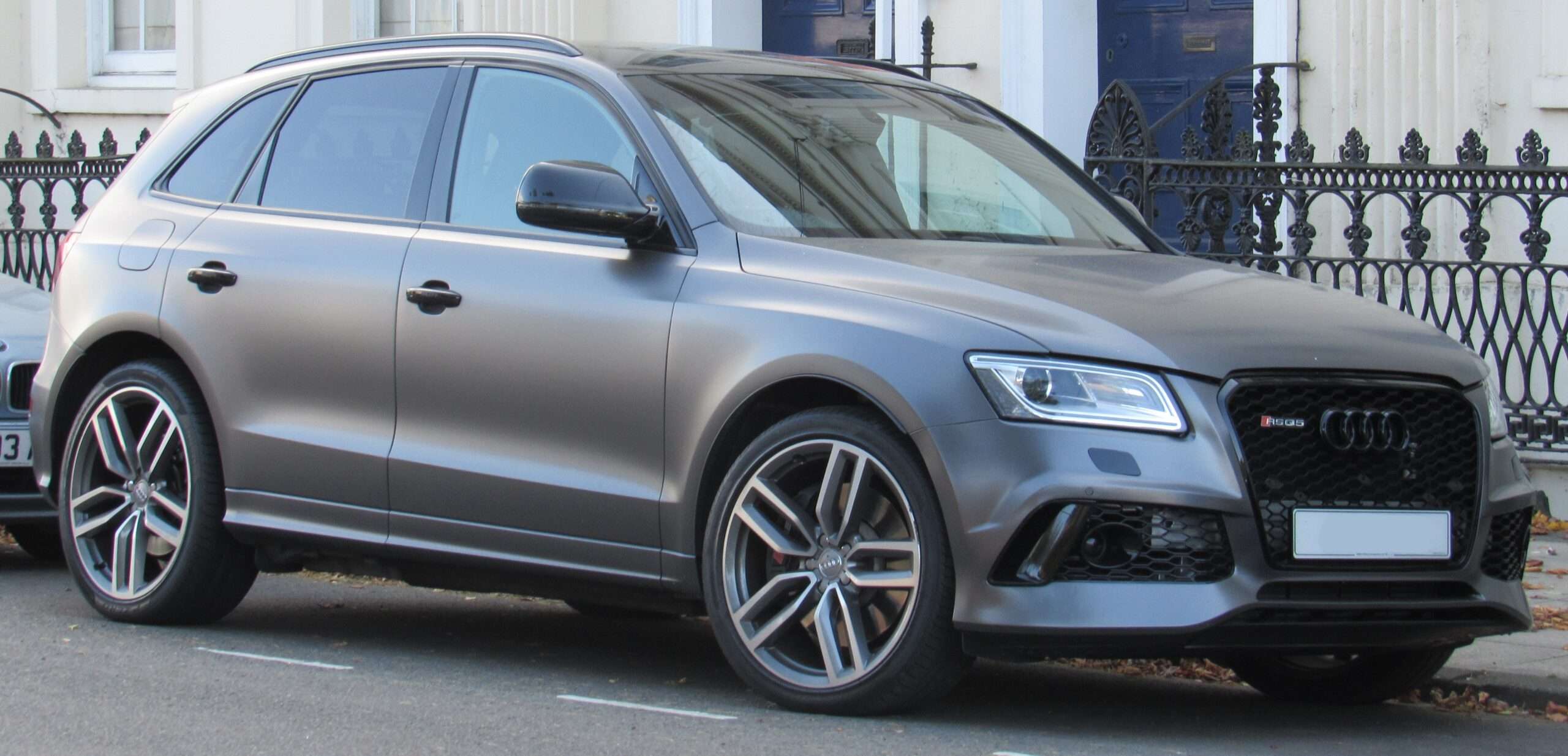
The Plus adds interest, but only when its identity and condition support the premium. Its launch specification included 21-inch wheels, diamond-stitched Nappa upholstery, black exterior details and a rear sport differential. Wheels and trim can be changed. Ask for the factory equipment record and confirm the differential fitted to the car; do not assume that every SQ5 has it.
For daily use, a standard car on its correct 20-inch wheels can be the more sensible starting point. Inspect the actual tyres and suspension before judging ride quality. A harsh car on cheap tyres and tired dampers does not demonstrate how every SQ5 drives. Equally, an attractive set of larger wheels adds four future replacement costs, not just visual appeal.
Do not import the specification of a different Audi into the inspection. This generation’s SQ5 should not automatically be described as having air suspension, RS-style DRC or a Haldex coupling. Establish what is physically fitted and use the relevant maintenance instructions. Incorrect specification assumptions lead directly to incorrect quotes.
Audi SQ5 8R UK prices: compare like with like
During our UK market check, individual first-generation diesel asking prices included approximately £8,250, £9,995, £11,995, £14,995 and £17,500, with a Plus advertised around £16,195. These are advertised examples, not achieved sale values or a statistically representative average. Some may have sold or changed price by the time you read this.
The Auto Trader SQ5 search mixes generations, diesel and petrol cars. Its overall listing count is therefore not the number of comparable 8R BiTDI examples. Filter by fuel, model generation, engine and age before deciding that a car is cheap or expensive.
At the lower end, expect to investigate mileage, history, cosmetic damage and deferred maintenance especially carefully. A higher price should buy evidence: regular invoices, sound brakes, four appropriate tyres, resolved faults and a successful independent inspection. It should not merely buy a fresh valet, black wheels and an “excellent runner” description.
Build an offer around the work the car actually needs
Start with comparable cars of similar mileage, history and emissions eligibility. List immediate expenditure separately: tyres, brake condition, overdue servicing, fluid leaks, gearbox work and any diagnostic investigation. Obtain written quotes using the registration. Deducting the cheapest internet part price from the asking price does not allow for labour, fluids, alignment or a second fault uncovered during the repair.
For example, a car needing four tyres and an automatic gearbox service can consume a meaningful part of a small purchase discount before any engine repair is considered. That does not make it a bad buy if priced honestly. It does make “cheap to buy” a poor substitute for a first-year budget.
Keep a repair reserve separate from the purchase money. Its size should reflect your inspection findings and ability to absorb an unexpected bill, rather than an unsupported universal figure. If the budget only works with no repairs beyond an oil change, this is probably the wrong example or the wrong car.
Identity, history and emissions checks before you travel
Request the registration, VIN, mileage, clear photographs and service evidence before arranging a viewing. Check the MOT history for recurring tyre wear, suspension advisories, emissions problems and mileage inconsistencies. A clean recent MOT is useful, but it is not a warranty on the timing drive, turbos, gearbox or concealed accident repairs.
Match the VIN on the car to the V5C and service records. Confirm who is selling it and whether the keeper details and circumstances make sense. A commercial history check can help identify outstanding finance, recorded insurance damage or theft markers; it does not replace inspecting the vehicle or verifying the seller.
Do not guess ULEZ eligibility from its age
Check the exact registration with the relevant clean-air-zone authority before paying a deposit. Early and later diesel specifications differ, and a seller’s assertion that “all the later ones are fine” is not evidence. If regular travel into a charging zone is part of your use, eligibility can change the economics of ownership more than a small difference in fuel consumption.
Ask whether any emissions hardware or software has been altered. A removed DPF, disabled EGR or other undeclared modification is a reason to stop and investigate, not a free reliability upgrade. Obtain evidence that outstanding safety recalls and relevant manufacturer campaigns have been checked against the VIN. A service stamp alone does not identify which campaigns were completed.
What a good service file looks like
Look for dated invoices identifying mileage, oil specification, filters, brake fluid and repairs. A digital history can complement the file, but an entry saying “service” leaves important questions unanswered. Ask the servicing garage to clarify details with the seller’s permission when necessary. Consistent work by a competent specialist is more useful than a glamorous folder full of vague receipts.
For a high-mileage example, expect a narrative explaining how it reached that mileage: regular long journeys, repeated servicing and sensible wear-item replacement. A low-mileage example that has spent years doing short trips still needs scrutiny of oil-change frequency, battery condition and diesel emissions operation. Mileage is one variable, not a diagnosis.
3.0 BiTDI engine: inspect symptoms before buying parts
Arrange a genuinely cold start. Ask the seller not to warm the car beforehand, and check that the engine temperature is consistent with an overnight stop. Listen from a safe position with the bonnet open, then observe the idle and exhaust. A smooth demonstration after an hour’s driving cannot answer the same questions.
It should start promptly without prolonged cranking, persistent uneven running or warning messages. Some noise and visible condensation are normal possibilities on a cold diesel; persistent rattling, heavy smoke, misfires or a strong coolant smell need a specialist explanation. Do not accept “they all do that” as a substitute for identifying the source.
Timing chains: no routine cambelt kit
This V6 uses a timing-chain drive. It does not have a conventional scheduled timing-belt replacement that you can price using a generic Q5 cambelt advertisement. The auxiliary drive belt is a separate component. When a seller claims that the “belt has been done”, ask exactly what was replaced and request the invoice.
A persistent or concerning start-up rattle needs diagnosis before purchase. Record when it occurs and whether it changes with temperature, but do not attempt to identify a particular chain or tensioner from a phone recording alone. Access and associated work can make timing repairs expensive. A low advertised chain-kit price gives little indication of the fitted bill.
Equally, avoid treating problems reported on earlier ordinary Q5 engines as proof of an epidemic on this later SQ5 diesel. The correct buying response is a cold start, history review and professional assessment of the individual vehicle. It is not declaring every healthy car defective because a different engine shares part of the model name.
Oil leaks, coolant loss and neglected servicing
Inspect accessible areas for wet oil, fresh cleaning and staining, then have the undertrays removed during the paid inspection. Oil on a tray may have travelled from its source. Ask the specialist to distinguish an old spill, a minor seep and an active leak before negotiating. The repair plan must identify the component and access required.
Check coolant level when cold and look for dried deposits around joints and accessible cooling components. Ask whether the owner has needed to top it up. Repeated loss requires investigation even if the temperature gauge looks normal. Do not remove a hot expansion-tank cap, and do not assume every coolant problem is a water pump without testing.
The dipstick or electronic level information, where applicable, should be read according to the handbook. Ask about oil consumption and request a realistic account of top-ups between services. Fresh oil just before sale is neither proof of good maintenance nor proof of concealment; the preceding history and inspection establish the context.
Turbo system and boost delivery
The two-stage turbo system should deliver strong, progressive performance once the car is warm. Hesitation, intermittent limp mode, excessive whistling or unusual smoke needs a diagnostic road test. A split hose, control problem and damaged turbo are different repairs. Do not price the most expensive possibility as a certainty or buy the car on the promise that a sensor will definitely cure it.
Have the specialist inspect boost hoses, connections and relevant live data under load. Some oil mist in an intake system is not, by itself, a complete diagnosis. Equally, fresh hose clips and a cleaned engine bay do not prove that an underlying boost fault has been resolved. Ask what failed, what was tested and whether the repair was verified on the road.
DPF, EGR and intake checks: use matters
The SQ5 diesel makes most sense for journeys long enough to bring the drivetrain fully up to temperature. A life of repeated short cold trips is a poor match. Do not assume that an occasional motorway outing will reverse every emissions-system problem or that a forced regeneration is the correct response to every warning light.
Request a diagnostic assessment of stored and pending faults, relevant DPF measurements, regeneration behaviour and the engine’s operating temperature. The technician should interpret those readings together. A single screenshot of a soot value cannot establish the condition of the filter, its sensors and the causes of abnormal regeneration.
EGR, cooler and intake-flap concerns appear in specialist buying coverage, but published owner reports do not establish a failure rate. Use them to inform inspection questions. Ask about previous warning lights, cleaning, replacement parts and the reason for any repeated work. An invoice for an EGR component is valuable when the original symptom and successful outcome are documented.
Distinguish soot-related restriction from ash accumulation and from a faulty measurement. Cleaning, replacing sensors and replacing a filter are not interchangeable remedies. Get a diagnosis and written scope before treating an emissions warning as a minor bargaining point. A modified car with suppressed warnings can be harder to assess than a standard one reporting its faults honestly.
Eight-speed Tiptronic: what a proper test drive should reveal
The original diesel SQ5 has an eight-speed torque-converter automatic, not the seven-speed dual-clutch S tronic found in other Audis. This matters when choosing a service kit, interpreting behaviour and asking for quotes. Do not purchase a generic “Audi DSG service” because it appears cheap.
From cold, select reverse and drive with the brake applied and check for an unreasonable delay, heavy clunk or warning. On the road, try gentle acceleration, steady cruising, a moderate kickdown and manual selection once warm. The gearbox should behave consistently without repeated flare, violent shifts or a shudder that the seller cannot explain.
A brief drive round a dealer’s premises is inadequate. Some problems emerge only when hot, under load or during low-speed manoeuvres. If the seller will not allow a sensible accompanied test drive and independent inspection, you have insufficient evidence for an expensive drivetrain purchase.
Fluid changes and “sealed for life” claims
Ask for the actual gearbox service invoice: mileage, fluid specification, filter, seals and procedure. “The gearbox oil was checked” does not mean the oil and filter were renewed. A workshop may recommend an earlier preventive interval for hard use or towing; that recommendation should not be presented as a universal Audi schedule.
Darkside’s published information for the 8HP55/0BK kit recommends around 60,000 miles in the absence of an earlier specified interval, with use affecting the advice. Treat that as the workshop’s recommendation and confirm the transmission fitted to your car. The correct oil, controlled filling conditions and adequate quantity matter more than buying whichever kit is labelled eight-speed.
A service is maintenance, not a guaranteed repair for an already slipping gearbox. If an example has symptoms, ask the specialist for diagnosis before authorising a fluid change or making an offer. The economics of buying a healthy car with overdue maintenance differ from buying a faulty car with an uncertain repair.

Quattro, differentials, wheels and tyres
Inspect all four tyres for matching specification, appropriate load and speed ratings, age, tread depth and damage. Closely matched rolling circumference matters to an all-wheel-drive drivetrain. Do not judge suitability from the large number printed on the wheel alone: a mixed set of brands, unusual sizes or heavily uneven wear needs explanation.
On full-lock manoeuvres, listen and feel for abnormal binding, knocking or vibration without repeatedly abusing the car. During the road test, investigate speed-related vibration, wheel-bearing hum and load-related driveline noises. A technician should distinguish wheels, shafts, bearings and differential behaviour rather than calling every vibration “quattro”.
For a Plus, identify the rear sport differential and check its service and repair history. Do not assume that a fluid service for one unit automatically includes the gearbox and every differential. Ask the workshop to list the separate housings, oils, seals and operations on the quote.
Suspension and brakes
Check springs, dampers, joints and bushes on a lift. A heavy, powerful SUV can disguise wear during a short smooth-road drive. Listen over broken surfaces, check steering response and note whether the car tracks straight. Inner-edge tyre wear can be missed unless someone looks behind the wheel.
Brake firmly only when conditions are safe. Pulling, judder or a soft pedal needs investigation. Measure discs against their specified limits, inspect both sides and check pad thickness rather than relying on a shiny outer face. Establish the brake specification before ordering: a broad Q5 parts result may not fit the SQ5.
After suspension repairs, include alignment where required. Cheap bushes or an incomplete geometry setup can leave a car wearing expensive tyres quickly. A seller’s claim that vibration is “just balancing” should be tested, not adopted as your repair budget.
Body, panoramic roof and cabin
Walk around in daylight and look along the sides for inconsistent reflections, paint edges, overspray and uneven panel gaps. Compare lamp dates and fasteners where visible, but do not diagnose accident history from one changed lamp. A professional inspection is worthwhile if repairs are suspected, particularly where structural work or alignment is involved.
Inspect the underside for damage from kerbs, poor lifting and road debris. Check the condition and attachment of undertrays. On a car used for towing, examine the towbar installation, electrical socket and rear body area, then ask about the work it has done. Towing is a reason to examine maintenance and use, not an automatic rejection.
If fitted, operate the panoramic roof through its functions and inspect the headlining, pillars, carpets and spare-wheel area for water staining or damp. Drains, seals and mechanisms need proper diagnosis. Do not accept a wet carpet as a cheap drain-cleaning job until the leak source, drying requirements and electrical consequences are understood.
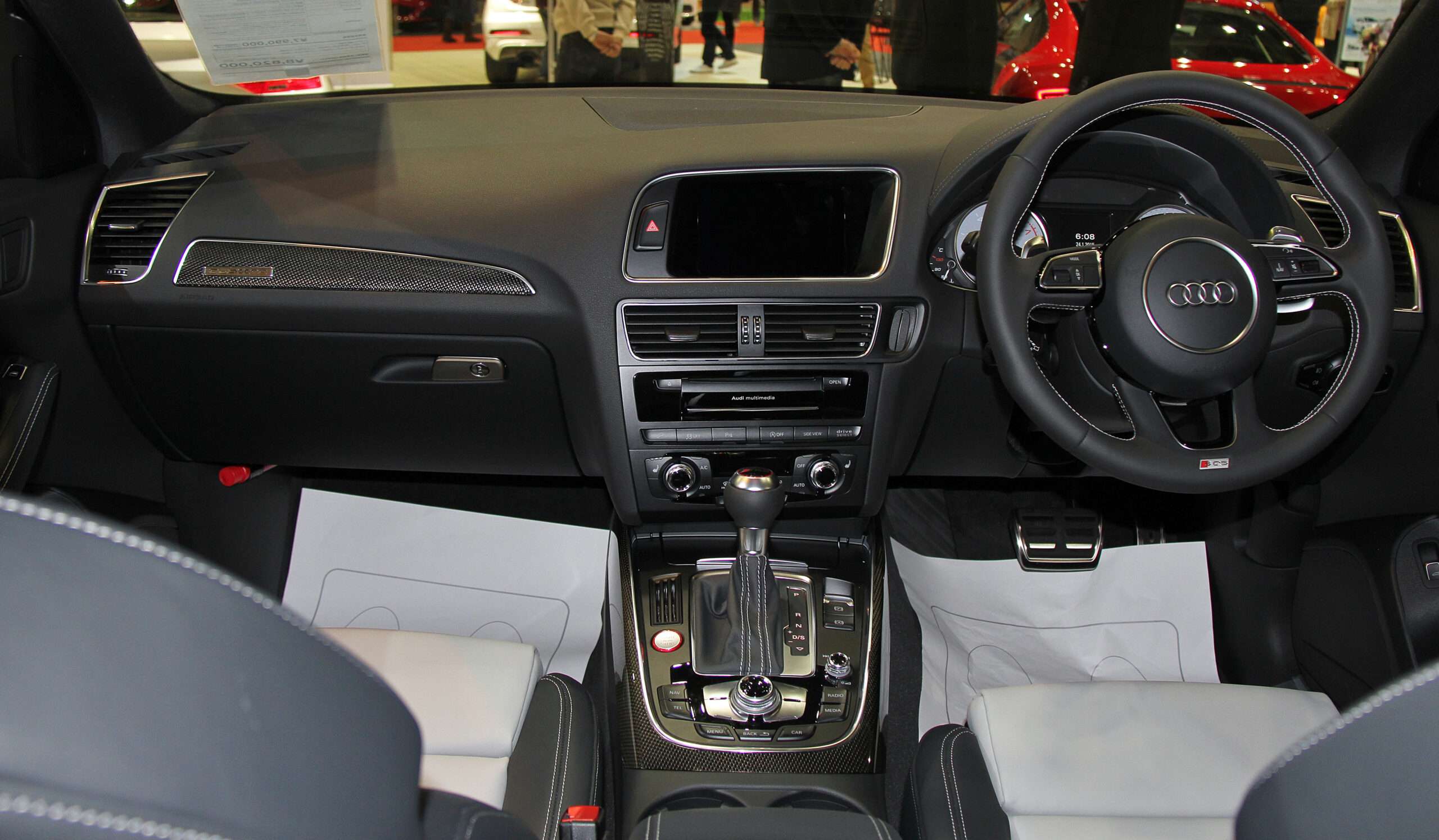
Test the air conditioning, heated seats, windows, mirrors, parking sensors, tailgate, navigation and audio. Try both keys. A long options list adds value only when the equipment works. Check that Bluetooth and navigation behaviour meets your needs; an old factory screen may work correctly while offering fewer functions than you expect.
Look for worn seat bolsters, damaged switches, broken trim and evidence of repeated dismantling. Compare cabin wear with claimed mileage and use. None proves dishonesty alone, but inconsistent evidence deserves a question. Check every seatbelt, child-seat mounting point you intend to use and the rear-seat folding mechanism.
Modified SQ5s: buy the evidence, not the power claim
A remap, exhaust change or altered emissions system changes the inspection and insurance conversation. Ask who supplied the software, what hardware supports it, whether the original calibration is available and whether the insurer has accepted the modifications. A dyno sheet records one test; it does not establish long-term drivetrain health.
Prefer a documented standard car if you want the lowest uncertainty. On a modified example, commission a specialist familiar with this engine and transmission to inspect calibration-related behaviour and mechanical condition. Do not assume that returning the software to standard undoes previous hard use or repairs missing emissions hardware.
Cosmetic conversion parts can also confuse identity. Confirm edition, wheel specification and lighting functions through build data. Budget for returning poorly fitted aftermarket equipment to a sound condition. The next buyer may value originality more than the current owner’s invoice total.
Maintenance, UK parts prices, labour and fitted costs
Use the figures below as clearly scoped references rather than a guaranteed quote for every SQ5. Prices change, access differs and workshops may supply different brands. Where a menu covers Q5 V6 rather than explicitly SQ5, that limitation is stated. Ask for a registration-specific written quote with VAT, parts, fluids, labour and any diagnostic charge identified.
| Job or component | Published reference | How to use it |
|---|---|---|
| 8HP55/0BK gearbox service kit | Darkside: £312 including VAT for filter, gasket, fasteners and seven one-litre bottles of specified oil. | Parts only. The listing covers selected applications including Q5; confirm your SQ5 transmission code before ordering. |
| Fitting that gearbox kit | Darkside’s fitting tab estimates £600 including VAT labour. | £312 parts + £600 labour = £912 indicative combined cost for that listed operation. This is our arithmetic, not a confirmed SQ5 booking quote. Seized fixings or obstructing components can add work. |
| Routine Q5 V6 service reference | Audi Specialists menu: £267 for its 10,000-mile service and £430 for the 20,000-mile basic inspection. | Broad Q5 V6 menu, not an explicit SQ5 quotation. Confirm content, SQ5 applicability and VAT treatment; the visible menu does not provide a parts/labour split. |
| Fuel filter reference | Same Q5 V6 menu: £117 for 2012–2015 and £134 for 2015-on applications. | Confirm the build-specific application and whether this menu price covers your car. Do not add it again if already included in the chosen service. |
| Auxiliary drive belt reference | Same Q5 V6 menu: £105. | This is not a timing-chain replacement. Confirm scope, tensioners and SQ5 fitment before treating it as a fitted total. |
| Brake fluid reference | Same menu: £58. | Ask what the operation includes and whether VAT is included. It is separate from discs and pads. |
| Timing chains, turbo or emissions repairs | Diagnosis and a car-specific written quotation required. | No defensible universal fitted price is established by the sources checked. Access, failed components and associated work dominate the bill. |
The gearbox example is deliberately explicit: a parts price and a published labour estimate can be added, but the result remains conditional on applicability and scope. For the broader service menu, inventing a labour split would make the table look more precise while making it less reliable. Ask the workshop for the missing detail.
Useful eBay searches for this specific car
Compare SQ5 8R diesel service kits, fuel filters, alternators and auxiliary belts and tensioners. Check the oil approval in the handbook and the quantity required; a seller’s generic “fits Audi” description is insufficient.
For transmission maintenance, compare 8HP55/0BK gearbox service kits only after verifying the code. For wear items, compare front brake discs and pads, suspension arms and cooling-system parts. These are shopping searches, not a diagnosis or a guarantee of fitment.
If timing work has actually been diagnosed, SQ5 BiTDI timing-chain kit searches can help you understand parts availability. Ask the repairing garage which components, seals and fasteners it will replace and whether it warrants customer-supplied parts. A kit headline price must never be described as the cost of completing the job.
What to schedule after purchase
Establish the service baseline from evidence. If oil specification or service timing is uncertain, discuss an oil and filter change with your specialist. Check fuel and air filters, brake-fluid age, auxiliary drive condition and gearbox history against the correct schedule and the car’s use. Do not replace everything twice because a receipt was filed under a different heading.
Before a long journey, inspect tyres, pressures, brakes, coolant and oil levels, lights and the charging system. Investigate any warning rather than clearing it to see whether it returns on holiday. Carry the correct top-up oil and recovery details, and understand the handbook’s response to temperature or oil-pressure warnings.
Hidden ownership costs that change the buying decision
Tyres: four premium SUV tyres, especially on 21-inch wheels, are a different proposition from one inexpensive replacement. Price the exact approved size and specification before buying. Include alignment and investigate why an existing set wore unevenly.
Tax and urban use: check current VED and clean-air-zone treatment for the actual registration. Do not apply the post-2017 expensive-car supplement rules blindly to an earlier registration, or assume every diesel pays the same. These charges can outweigh small fuel savings.
Insurance: obtain your own quote with the correct model, modifications, security and intended use. An online example for an ordinary Q5 does not establish SQ5 affordability. Check theft cover requirements and whether both keys are required by the policy.
Access and associated parts: undertray removal, seized fixings, fluids, gaskets and calibration can turn a component replacement into a larger job. Ask what happens if inspection reveals additional work and who authorises it. A complete quote is more useful than a very low opening number.
Water ingress and electronics: fixing the entry point may only be the first part of a wet-car repair. Drying, damaged trim or electrical work can add cost. Be cautious about a heavily fragranced cabin or freshly replaced carpets without an explanation.
Downtime: specialist availability and parts lead times matter if this is the only family vehicle. Check recovery cover and allow for alternative transport. Paying more for a thoroughly inspected car can be rational even when its cosmetic specification is less exciting.
What to ask the pre-purchase inspector to report
Give the inspecting specialist a written brief rather than asking whether the car is “good”. Request the engine and gearbox identification, evidence of leaks with the undertrays removed, brake measurements, tyre sizes and tread depths, suspension findings and diagnostic results. Ask for photographs of areas that will be concealed again after inspection. That report makes repair quotes and comparison with another car much easier.
For diagnostic faults, request the code, module, whether it is current or historic, and the technician’s interpretation. A code naming a component does not establish that the component itself has failed. Low voltage, wiring faults and related systems can influence the result. Conversely, no stored codes cannot prove that a mechanical fault is absent. Combine the scan with cold starting, a warm road test and physical inspection.
Discuss the seller’s consent before any dismantling or invasive testing. A normal pre-purchase check will not strip the engine or guarantee every internal component. Ask the inspector to identify limitations, especially if the car could not be driven far enough to warm up or if undertrays could not be removed. “No issue observed” and “not inspected” are very different statements.
Finally, separate safety work, reliability work and cosmetic preferences. A damaged tyre or unsafe brake condition needs resolving before normal use. An unexplained coolant or transmission symptom requires diagnosis before committing to the purchase. A worn seat bolster can be priced afterwards. This order prevents an appealing cosmetic repair from distracting you from the reason the car is cheap.
Practical SQ5 viewing and test-drive checklist
Before travelling
- Confirm 8R diesel identity, original output, edition and emissions eligibility.
- Review MOT history, ownership, finance/damage checks and VIN consistency.
- Request service invoices, gearbox evidence, modification details and both keys.
- Arrange a cold start, a meaningful test drive and an independent lift inspection.
At the car
- Check cold coolant level, signs of leaks and whether the engine was pre-warmed.
- Listen at start-up; investigate persistent rattles, smoke or uneven running.
- Inspect four tyres, inner shoulders, wheels, brake discs and suspension.
- Check carpets, roof operation, headlining and boot for water ingress.
- Test all electrical equipment and compare condition with the claimed history.
During and after the drive
- Test reverse/drive engagement, warm shifts, steady cruising and moderate acceleration.
- Investigate vibration, braking judder, driveline noises and inconsistent boost.
- Have all relevant modules scanned and road-test data interpreted by a specialist.
- Recheck for leaks and warnings; get repair quotes before agreeing an allowance.
Buy when identity, maintenance, road test and inspection agree. Negotiate for clearly diagnosed wear items with a realistic fitted cost. Walk away or pause over unexplained coolant loss, serious drivetrain symptoms, suppressed emissions faults, inconsistent identity or refusal of inspection. A desirable specification is not compensation for evidence you cannot obtain.
Audi SQ5 8R buying questions
Is the first SQ5 a diesel?
The UK first-generation SQ5 covered here is the 3.0 BiTDI V6 diesel. Petrol SQ5s exist in other markets and later generations, so check the actual engine and generation rather than assuming every SQ5 is the same.
Does it have a timing belt?
The V6 timing drive uses chains. An auxiliary belt is a separate maintenance item. Ask exactly which drive a service invoice describes and obtain a specialist diagnosis if there is concerning chain noise.
Is its gearbox DSG or S tronic?
This diesel SQ5 uses an eight-speed Tiptronic torque-converter automatic. Do not apply a seven-speed S tronic service kit or quote without identifying the actual transmission.
Is a Plus worth paying more for?
Its higher factory output and rear sport differential can justify a premium to the right buyer, but only with confirmed identity and sound condition. A well-maintained standard car is preferable to a neglected Plus.
Is a high-mileage SQ5 automatically a bad buy?
No. Consistent servicing, suitable use and a healthy inspection matter greatly. However, a low purchase price does not reduce the cost of premium tyres, complex repairs or major drivetrain work. Buy against a first-year budget, not mileage alone.
Can I use ordinary Q5 service prices?
They are useful questions to put to a workshop, not automatic SQ5 quotes. Confirm engine, transmission, brake codes, VAT and included labour. Some parts are shared; that does not make every Q5 operation applicable.
Research sources and image credits
Technical identity: Audi UK SQ5 TDI archive. Plus specification: 2015 SQ5 TDI Plus launch announcement reproduced by RS246. Inspection context: PistonHeads SQ5 TDI buying guide. Market examples: Auto Trader UK. Published cost references: Audi Specialists service menu and Darkside 8HP55/0BK kit and estimated fitting costs. These sources support the identified facts and prices; the inspection process and buying judgement are our editorial recommendations.
Photographs are credited in their captions. Exterior examples illustrate the model rather than documenting a particular car’s mechanical condition. The cabin photograph is an overseas example and should not be used to identify UK diesel equipment.
Explore the buying guides by make for related performance-car ownership advice.
Featured photograph: Johannes Maximilian / Wikimedia Commons, CC BY-SA 4.0.
Love cars you don’t see every day?
Get forgotten cars, surprising motoring stories and the most interesting finds from Unusual Cars by email.
Free to join. No spam. Unsubscribe whenever you like. See our privacy policy.
Service parts and maintenance shopping checklist
Use these Audi SQ5 8R searches to compare parts availability. A search result is not a fitment guarantee: confirm the exact vehicle specification and original part numbers before ordering.
| Maintenance item | What to check before buying | eBay parts search |
|---|---|---|
| SQ5 8R diesel service kits | Match engine code and production date; compare kit contents and the manufacturer approvals for any included fluids. | Compare sq5 8r diesel service kits on eBay |
| fuel filters | Match engine code and production date; compare kit contents and the manufacturer approvals for any included fluids. | Compare fuel filters on eBay |
| alternators | Match the original part number, output rating, electrical connector and pulley; check exchange surcharges. | Compare alternators on eBay |
| auxiliary belts and tensioners | Confirm engine, belt routing, length and tensioner/pulley specification; distinguish the auxiliary drive from engine timing. | Compare auxiliary belts and tensioners on eBay |
| 8HP55/0BK gearbox service kits | Confirm the exact gearbox or coupling code, approved fluid and complete filter/seal contents; these are separate service circuits. | Compare 8hp55/0bk gearbox service kits on eBay |
| front brake discs and pads | Match axle, fitted brake assembly, dimensions and wear sensors; compare a complete axle set and confirm whether hardware is included. | Compare front brake discs and pads on eBay |
| suspension arms | Confirm side, axle, chassis specification and any adaptive equipment. Allow for associated fasteners and alignment where required. | Compare suspension arms on eBay |
| cooling-system parts | Identify the failed component first; match engine and housing references, seals and the correct coolant specification. | Compare cooling-system parts on eBay |
| SQ5 BiTDI timing-chain kit searches | Confirm engine code and the diagnosed scope with a specialist. Check tensioners, guides, seals and associated parts; this is not a universal replacement interval. | Compare sq5 bitdi timing-chain kit searches on eBay |
Affiliate disclosure: we may earn a commission from qualifying eBay purchases, at no additional cost to you. Listing prices are for the advertised contents only; fitting, diagnosis, fluids and associated work may cost extra. Check availability, seller reputation and returns terms.
Audi SQ5 8R 3.0 BiTDI for sale on eBay UK

See more Audi SQ5 8R 3.0 BiTDI cars on eBay UK
Love cars you don’t see every day?
Get forgotten cars, surprising motoring stories and the most interesting finds from Unusual Cars by email.
Free to join. No spam. Unsubscribe whenever you like. See our privacy policy.