
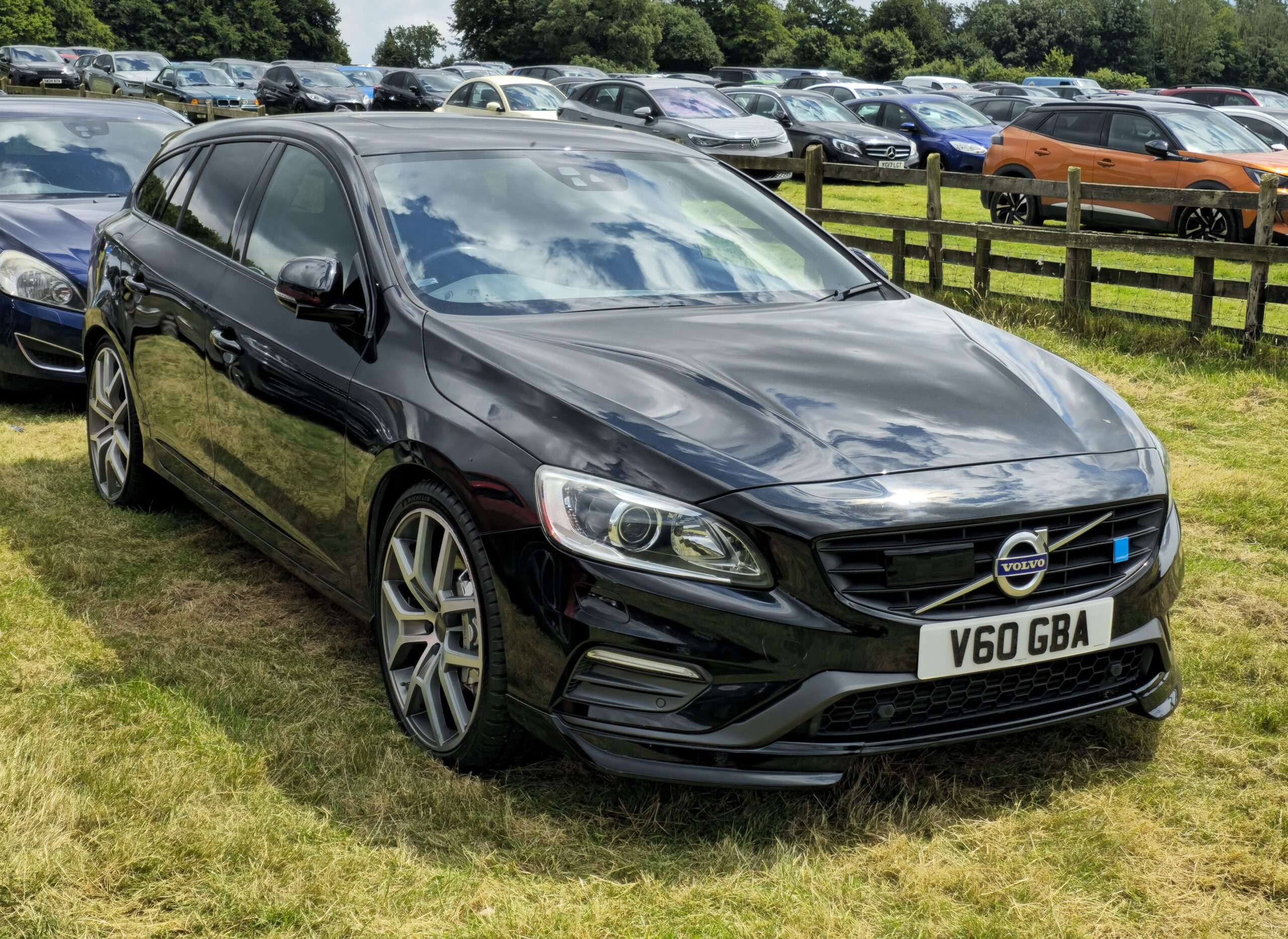
The first-generation Volvo V60 Polestar is a fast estate with genuine hardware changes: Öhlins dampers, substantial Brembo front brakes, a developed all-wheel-drive system and a distinctive engine and transmission calibration. It is an appealing alternative to the familiar German performance estate, but rarity and a blue badge do not make every example a good purchase.
This guide covers the factory V60 Polestar launched in 2014 and the later four-cylinder version announced in 2016. It does not cover an ordinary V60 with a Polestar software optimisation, or the second-generation T8 Polestar Engineered plug-in hybrid. Those cars have different hardware, maintenance needs and buying questions.
Our choice: choose the six-cylinder for its character or the later four-cylinder for its different response and eight-speed transmission, then buy the best documented example you can inspect. In either case, measured brake condition, working AWD and sound original dampers matter more than a low advertised mileage. Leave money for specialist maintenance after purchase.
Affiliate disclosure: our eBay parts searches may earn a commission if you buy through them, at no extra cost to you. Confirm the VIN, engine code, component generation and original part number before ordering. A search result labelled “Polestar” is not proof of compatibility.
350hp six-cylinder or 367hp four-cylinder?
Volvo’s 2014 UK launch release describes a 3.0-litre turbocharged straight-six producing 350hp and 500Nm, paired with a six-speed automatic. The later car switches to a 2.0-litre engine with both turbocharger and supercharger, 367hp DIN and 470Nm, and an eight-speed automatic. UK deliveries of that update were expected from the final quarter of 2016. A “2016 Polestar” advert therefore needs more investigation than the registration year alone.
| Version | Key hardware | Buying focus |
|---|---|---|
| Original 3.0 six-cylinder | Turbocharged SI6 engine, six-speed automatic, factory Polestar chassis and AWD calibration | Engine and accessory-drive condition, transmission behaviour, complete servicing and genuine Polestar identity. |
| Later 2.0 four-cylinder | Twincharged Drive-E engine, eight-speed automatic and revised performance hardware | Correct timing-belt schedule, boost-system condition, engine-specific servicing and original chassis equipment. |
| V60 with Polestar optimisation | Another V60 derivative with approved performance software, depending on the car | Not equivalent to the complete factory Polestar. Compare against its original engine and chassis specification. |
| Later T8 Polestar Engineered | Second-generation plug-in hybrid | Outside this guide: electric drive and high-voltage systems require a separate buying assessment. |
Published power figures also use different units. Volvo’s later release specifies 367 DIN hp and 362 SAE hp for the same engine. Do not interpret those two numbers as evidence of a different tune or a loss of power. Record the engine capacity and code, transmission and factory build specification, rather than comparing an advert’s headline bhp field.
The first UK allocation was highly specified. Volvo’s 2014 announcement included driver-support equipment, upgraded audio, sunroof and Volvo On Call in its UK offering. The later release describes its own equipment and options differently. Build year and market matter, especially for imports. Ask a Volvo retailer or knowledgeable specialist to reconcile the VIN with the equipment present on the car.
How to establish genuine identity
Ask for the VIN and registration before travelling. Match them to the vehicle and documents, then obtain factory specification confirmation. Check the engine capacity and original model description. Examine the distinctive brake and suspension hardware, wheels, interior and exterior details, but remember that visible parts can be transferred. A blue badge, blue paint or Polestar-branded gear selector is not a reliable identity check by itself.
An ordinary T5 or T6 with a Polestar optimisation can still be a desirable Volvo. The problem is paying full factory-Polestar money for a different product, or maintaining it against the wrong specification. Obtain invoices for any optimisation and establish exactly what was installed. Equally, a genuine factory Polestar with later modifications needs its original identity and current hardware documented separately.
For an imported car, check market specification, the provenance of mileage records, registration paperwork, corrosion exposure and access to the appropriate service information. An imported S60 Polestar saloon is not a V60 estate simply because the mechanical relationship is close. This guide’s UK equipment descriptions should not be used to declare an overseas car incorrectly specified.
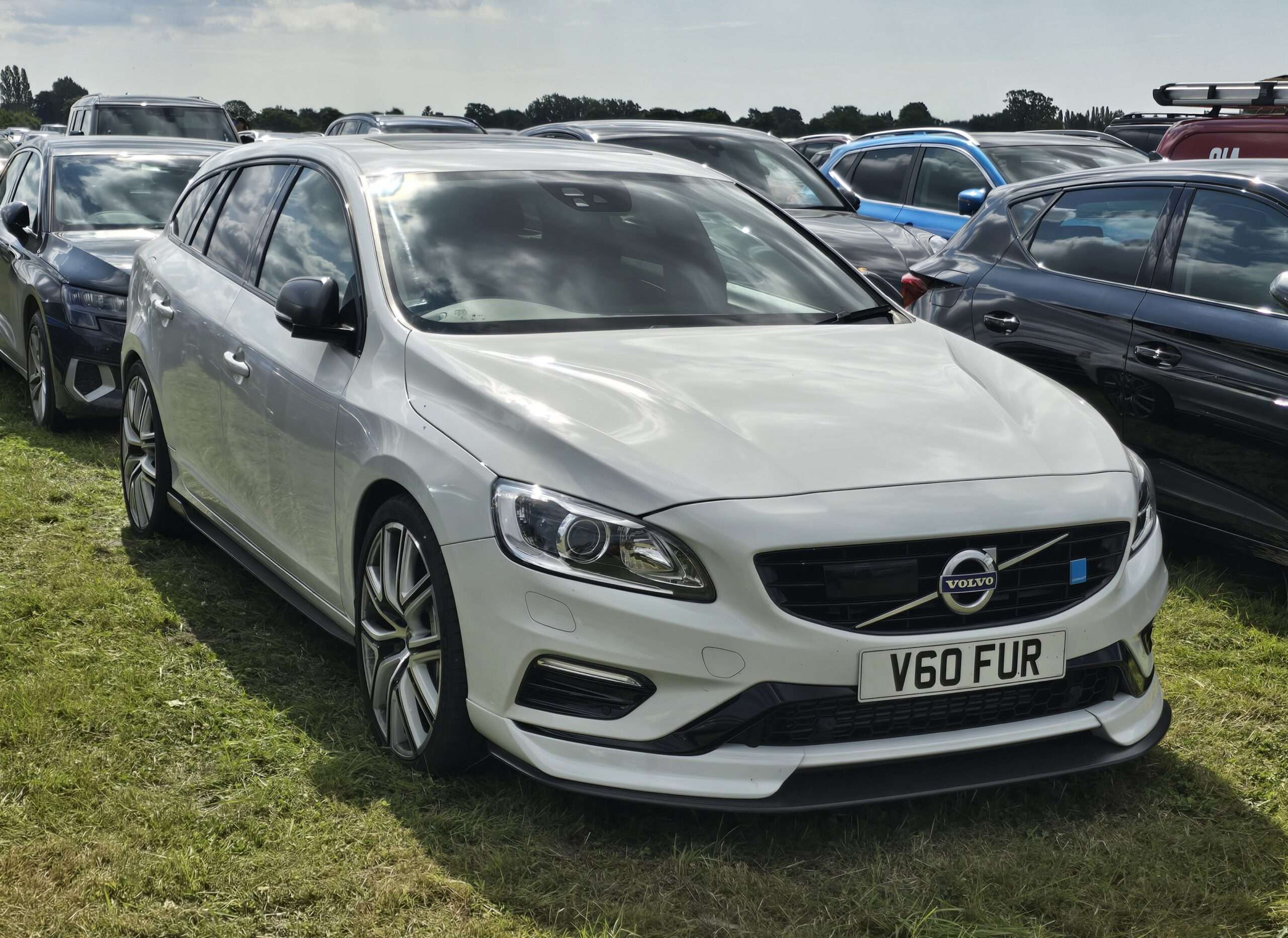
UK prices and the misleading search result
The Auto Trader Polestar stock page checked for this guide showed nine results. Among them was a 253bhp T5 advertised as a Polestar at £11,995, alongside 3.0 T6 examples at £15,470 and £19,400, and 2.0 T6 adverts ranging from £15,500 to £30,990. This is exactly why an unfiltered lowest-price result is a poor valuation tool. These are individual asking prices, not sold values, and the page’s badge-based grouping includes a different version.
Build a comparison list using genuine factory cars with the same engine, then add mileage, history, brake wear, suspension condition, tyres, keys and modifications. A very expensive car may be exceptionally good or simply ambitiously advertised. A cheap one may need substantial work or have a history that explains the price. An independent inspection helps turn that uncertainty into a decision.
Before leaving a deposit, ask for the recent service invoices and photographs of the fitted dampers, brakes and tyres. Find out whether the seller can produce measurements or only describe the brakes as “fine”. If a major component has been replaced, obtain the invoice and part number. Scarce, model-specific parts can turn a small-looking defect into a substantial delay or expense.
Dealer preparation should be defined in writing. An oil service is not automatically a comprehensive catch-up of timing, gearbox, AWD and brake-fluid maintenance. Read any warranty terms and ask about wear items, diagnostics and claim limits. Do not give a warranty a financial value until you know whether it covers the components you are worried about.
3.0 six-cylinder: inspection priorities
The SI6’s unusual packaging is relevant to diagnosis. FCP Euro’s technical guide identifies chain-driven timing, the rear accessory drive known as READ, potential pulley and coupling problems, oil-seal leaks and T6 crankcase-ventilation diaphragm faults. That is a useful inspection map, not proof that every Polestar needs those parts. Its discussion of earlier SI6 piston issues should not be indiscriminately applied to all later factory Polestars.
Cold start and ventilation
Ask the seller to leave the engine cold. Listen for sustained mechanical noise, a whistle or hiss, and watch for smoke or uneven running. Record whether the engine was already warm when you arrived. A workshop should investigate abnormal crankcase ventilation and relevant symptoms rather than fitting a cheap diaphragm on assumption. The condition of the complete assembly and the correct repair approach matter.
Look for recent oil around the engine and underneath, including areas obscured by covers and undertrays. Distinguish a minor seep from an active leak, and ask what access is needed for a proper repair. Freshly cleaned surfaces are not automatically suspicious, but the inspection should establish whether they remain dry after a road test. A large invoice without an identified leak source is not a useful negotiation basis.
Accessory drive and charging
A whirring, rattling or charging problem should be assessed by someone familiar with this engine’s accessory layout. Do not authorise an alternator simply because a battery warning appeared. Battery condition, charging output, connections and drive components need testing. An invoice should identify what failed and what was replaced, particularly where access or associated components affected the repair.
There is no routine cambelt replacement for the six-cylinder’s chain-driven timing. The auxiliary drive is separate and still needs inspection and maintenance. A seller’s “belt done” claim is too vague: ask which belt, what other components were included and whether the work followed the correct procedure. A timing-belt kit for a later four-cylinder is not a preventative purchase for this engine.
Turbo, cooling and oil use
The original Polestar engine has different performance hardware from an ordinary T6. If it has had turbo or intake repairs, check the part numbers and supplier invoices. Inspect accessible hoses, connections and cooling components for damage or leakage. During the road test, the delivery should be clean and consistent without repeated hesitation, warning messages or unexplained smoke.
Ask how often oil is checked and how much is added between services. The answer should be consistent with mileage and invoices. Repeated top-ups without investigation, a low level at the viewing or evidence of overheating justify further diagnosis. A compression test may be appropriate when symptoms warrant it, but it cannot replace a wider inspection or prove that an unknown cooling fault has been resolved.
Check coolant only when safe and cold; do not open a hot system. Examine residue around hose joints, the expansion tank and accessible radiator areas. After the drive, look again for fresh deposits or smells. If the car has overheated, obtain the repair history and an explanation of the cause. Replacing a hose or thermostat does not by itself establish the engine escaped damage.
2.0 twincharged engine: a different maintenance plan
The four-cylinder has both a turbocharger and supercharger. Volvo’s release identifies strengthened and revised engine components, rather than describing an ordinary T6 with only a software change. Do not assume a part fits because the seller lists every Drive-E model together. Use the VIN and original number to confirm pumps, ignition parts, belts and charging components.
Timing-belt evidence
The four-cylinder uses a timing belt. Establish the current UK requirement by engine code and VIN, including age as well as mileage, through Volvo or a qualified specialist. The FCP Euro catalogue’s broad VEP kit listing is useful for identifying the engine family, but its US-market mileage statement should not be substituted for a registration-specific UK schedule. A low-mileage car can still have age-related work due.
A proper invoice should identify the kit, tensioning components, any additional parts required by the procedure, date and mileage. Ask whether auxiliary belts were included and what was inspected while access was available. Do not assume a water pump is included simply because another Volvo engine’s service package contains one. Scope the actual engine and job before comparing quotes.
Boost delivery and engine condition
Test from cold through full operating temperature using ordinary legal road loads. Note flat spots, surging, persistent unusual whine, misfire or an engine warning. A supercharger changes the sound profile from the six-cylinder, but “it has a supercharger” is not a diagnosis for every noise. Ask a specialist to compare requested and actual operation if a symptom is repeatable.
Inspect the intake and charge-air connections, cooling system and visible belt condition. Check oil servicing and any recorded consumption investigation. Internet reports about an early Drive-E engine in another model do not establish that a particular later Polestar has the same defect. Conversely, a reassuring general reputation does not excuse poor running or unexplained oil loss in the car in front of you.
There is no traction battery or electric rear-drive motor to assess on these first-generation petrol Polestars. Do not add T8 hybrid maintenance to the budget or assume a modern T8 specialist inspection covers the older mechanical AWD layout. The shared name is a reason to check parts and advice carefully, not a reason to combine different generations’ failure lists.
Geartronic: six-speed and eight-speed checks
Both versions use an automatic transmission, but they are not the same unit or calibration. Establish which gearbox is fitted before discussing fluid specification and servicing. Ask for invoices showing the actual procedure and materials used. A general “gearbox service” receipt is weaker evidence than a clear description of the work on the correct car.
Begin with drive and reverse engagement, gentle manoeuvring and light-throttle shifts while cold. Once warm, test ordinary acceleration, deceleration and manual paddle commands. There should be no persistent flare, severe shudder, repeated harsh engagement or warning. A seller suggesting an adaptation reset should complete appropriate diagnosis and demonstrate the result before you commit.
Look for leaks around the transmission and check its mounts and driveline on a lift. A vibration may come from tyres, wheels, shafts or mounts rather than internal transmission wear. Ask for a diagnostic report that reaches the transmission module and explains stored codes. A generic engine scan with “no codes” does not establish the entire car is fault-free.
Where servicing history is uncertain, discuss a suitable fluid-maintenance plan with a Volvo-capable workshop. Do not insist on an indiscriminate flush of a symptomatic gearbox as the first step. Equally, do not regard “sealed for life” as a diagnosis of current condition. The appropriate work depends on the unit, mileage, symptoms and manufacturer procedure.
AWD: it must work, not just show no warning
The factory AWD calibration is part of the Polestar’s appeal. A car can still move and feel reasonably quick if rear-drive assistance is compromised, so a short dry-road drive is not a functional certification. Request a Volvo-capable scan of the relevant modules and a safe workshop check of operation. Avoid public-road launch demonstrations or deliberate wheelspin as a substitute.
Identify the fitted Haldex/BorgWarner coupling generation before ordering service parts. Auto Fault Finder’s Volvo guidance explains that Gen 5 pump-related faults can require strainer inspection and correct filling and calibration, rather than automatic controller replacement. Ask the specialist to identify the cause. Different generations do not share the same filter arrangements or troubleshooting procedure.
The coupling fluid is distinct from rear differential gear oil. Invoices should say what was serviced and with which fluid. “Rear diff oil changed” does not establish that the AWD coupling received the correct maintenance. Have the angle gear, differential, shafts and seals inspected separately for leaks and noise. A pump replacement alone does not renew the rest of the driveline.
At low speed, assess manoeuvring for unusual binding, skipping or repeated clunks, then ask for a diagnosis if something feels wrong. Matching approved tyre sizes and broadly consistent rolling circumference matter. Mismatched tyres should be addressed, but they should not be blamed for every warning or used to dismiss a genuine mechanical fault without testing.
Love cars you don’t see every day?
Get forgotten cars, surprising motoring stories and the most interesting finds from Unusual Cars by email.
Free to join. No spam. Unsubscribe whenever you like. See our privacy policy.
Öhlins dampers: inspect before you admire the badge
The manually adjustable Öhlins dampers are a defining part of the factory Polestar package. Check that the correct units remain fitted, identify any replacements and inspect their condition. A car converted to generic suspension may still drive acceptably, but its value, specification and future maintenance are different. Obtain the reason for the change and find out whether the original parts accompany it.
On a lift, have the dampers examined for leakage, corrosion, damaged bodies, mounting issues and adjuster condition. Look at springs, top mounts, bushes and links at the same time. Oil misting, a wet damper and general road grime are not interchangeable diagnoses. A workshop should explain what it found and whether the unit is serviceable, repairable or needs replacement.
Do not assume every Öhlins service centre can rebuild these particular factory units. Ask about the exact part number and condition before accepting a refurbishment price. Shipping, removal, refitting, replacement mounts and alignment can all sit outside a bench-service quote. A headline “damper rebuild from” figure for another product is not an RC-style all-in fitted cost for a V60 Polestar.
Ask the seller what adjustment settings are being used, why and who set them. Different settings can affect the impression of firmness, but adjustment should not disguise a worn component. Avoid turning seized controls with force at a viewing. Have a specialist establish a sensible baseline and explain the correct method if the car’s setup is unknown.
Drive on the roads you will actually use. A performance estate on large wheels will feel firm, yet it should remain controlled rather than repeatedly bouncing or crashing over ordinary imperfections. Listen for knocks, compare left and right behaviour and look for instability under braking. If the ride is wrong, diagnose tyres, pressures, mounts and damper condition together.
Brembo brakes and the real price of discs
Volvo’s technical material identifies six-piston front calipers and 371mm front discs, with 371×32mm floating discs specified in the later release. That is not the ordinary V60 braking package. Ask for measurements, both inner and outer disc condition, remaining pad material and evidence that all hardware moves and seals correctly.
Inspect for severe corrosion, heat damage, cracking, uneven wear and deteriorated hoses. A shiny outer face can hide poor condition behind the disc. The workshop should compare measurements with the correct limits for the fitted product. Aftermarket two-piece discs may have specific replacement-ring and hardware requirements; retain their paperwork rather than assuming every 371mm assembly is interchangeable.
ML Performance’s listing for a compatible Paragon front-disc pair was £1,175.99 including VAT when checked, available to order rather than immediate stock. It is a parts-only aftermarket example. Pads, fitting and any additional hardware are extra, and supplier confirmation is still needed. That price alone shows why a generic V60 “front brakes fitted” estimate can substantially understate the job.
On the road, check for straight, progressive braking without persistent pedal judder or steering vibration. Do not deliberately overheat an unknown set of brakes to test performance. Ask about fluid changes, pad compound and track use. An aggressive pad may explain some noise or dust, but it does not excuse sticking hardware or unsuitable road behaviour.
Inspect the rear brakes and parking brake separately. A front-brake overhaul does not establish the rear system is healthy. Check that the parking brake operates normally and have any service-mode requirements handled by the correct workshop equipment. Do not treat a parking-brake warning as a harmless software nuisance without diagnosis.
Wheels, tyres and alignment
The factory’s large wheels and low-profile tyres deserve a close look. Inspect inner rims for cracks, buckling and repairs, then read all four tyre labels. Check size, load and speed ratings against the car’s approved specification. The later launch specification lists 245/35 ZR20 tyres, but confirm the actual car and any alternative wheels rather than ordering solely from an online guide.
Look at inner shoulders and the full tread width, not just the outside edge. Uneven wear can reflect pressure, geometry, worn joints or accident damage. A recent alignment printout helps only when the suspension underneath is sound. Ask why alignment was required and whether worn components were replaced first. An inexpensive set of mismatched tyres can be a warning about the standard of preparation.
During the road test, note vibration at different speeds and whether it changes with acceleration or braking. A wheel imbalance is possible, but it should be demonstrated and corrected rather than assumed. A specialist inspection should distinguish tyre or wheel defects from shaft, bearing or suspension problems before expensive parts are ordered.
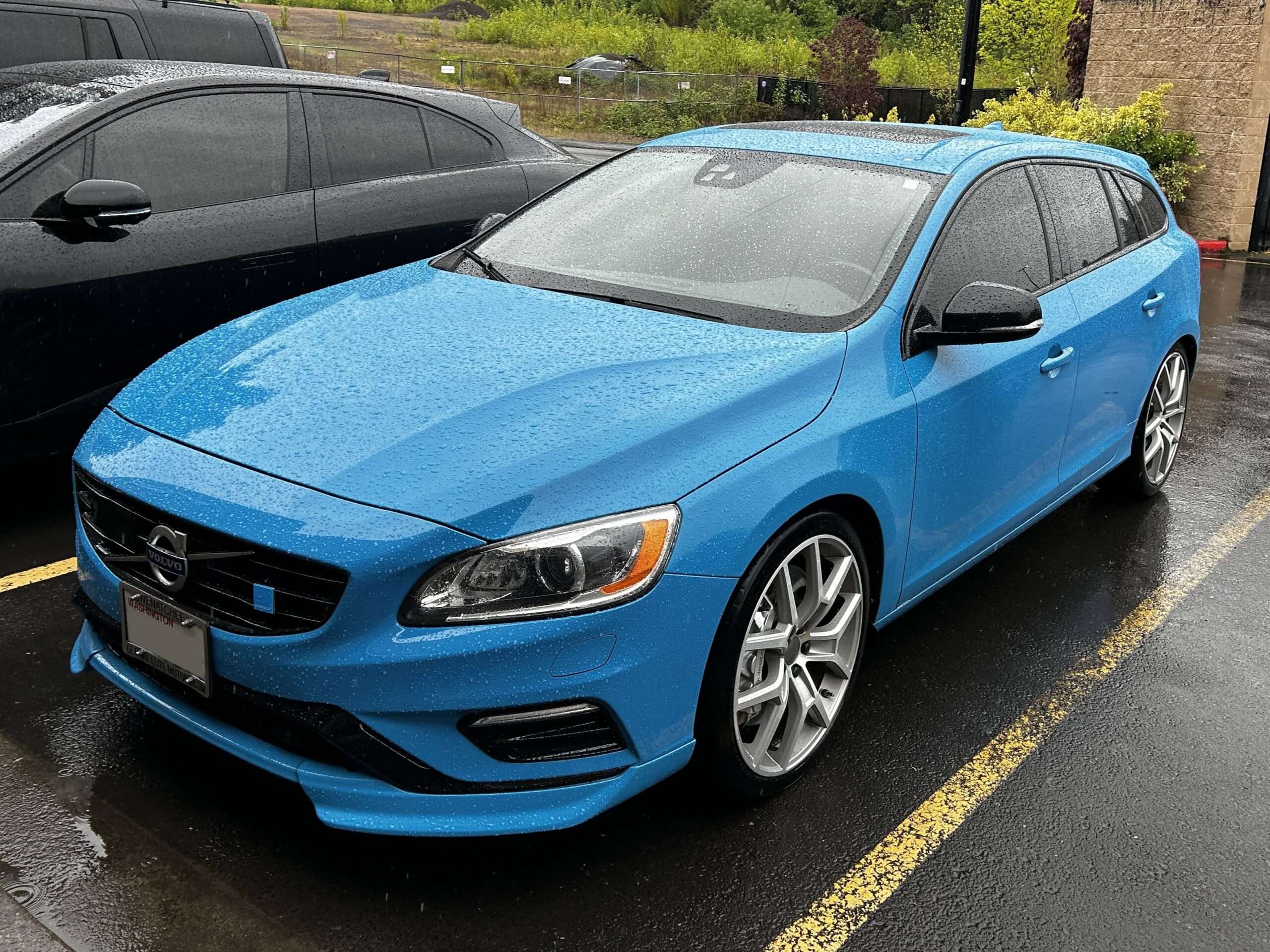
Body, estate practicality and electrical checks
Inspect clean, dry bodywork in daylight. Compare panel gaps, paint finish, lamps, bumper mounts and fasteners. The low front trim and splitter corners can pick up damage, so look underneath rather than accepting a flattering front photograph. Model-specific exterior pieces can be harder to source than ordinary service parts.
Check the sills, jacking points, subframes, arch areas and brake pipes on a lift. Northern European origins do not make a car immune to road salt, poor storage or previous repairs. Fresh protective coating should be supported by an explanation and ideally photographs of the preparation. Distinguish superficial surface corrosion from weakened components requiring replacement.
In the boot, lift the accessible floor panels and look for moisture, staining, missing trim and disturbed seals. Inspect the tailgate opening, lamp areas and load cover. Fold the seats and check the latches. An estate that has carried heavy or awkward loads can have damaged trim and hardware even when the front seats look immaculate.
Try your usual passengers, child seats or luggage rather than assuming every Volvo estate has the space you need. The first-generation V60’s shape and load area differ from a larger V70. Check visibility, parking-camera usefulness and access in the circumstances where you will use the car. Practical suitability is as important as a satisfying test drive.
Cabin and driver assistance
Test seat adjustment, heating, climate control on both sides, windows, mirrors, locks and all fitted audio functions. Check the steering-wheel controls, screen, navigation and phone connection using your own device if possible. Trim wear should be broadly consistent with mileage and use, although a well cared-for high-mileage car can present better than a neglected low-mileage one.
Operate the sunroof where fitted and inspect surrounding trim for water marks. Have drainage or sealing problems investigated properly. A dry headlining on one viewing does not establish the source of a previous leak was fixed. Ask for repair invoices and examine boot and footwell areas as part of the same inspection.
Verify the fitted parking sensors, camera and driver-support systems without attempting dangerous demonstrations. Windscreen replacement, frontal repairs and changes around sensors can introduce calibration requirements. Warning messages need a diagnosis. A claim that assistance systems “only need a reset” is not sufficient evidence that everything works.
Ask about connected services separately from physical equipment. Volvo On Call branding or an app shown in an old brochure does not guarantee current remote functionality, subscription eligibility or network support for the car. Have Volvo confirm current availability against the VIN before you assign a value to remote features.
Check the battery, charging performance and both keys. Low voltage can create confusing symptoms, but it should not be used as an explanation for every stored fault without testing. Request a full report and an assessment after any battery or charging repairs. Missing keys, coding and security work belong in the purchase budget.
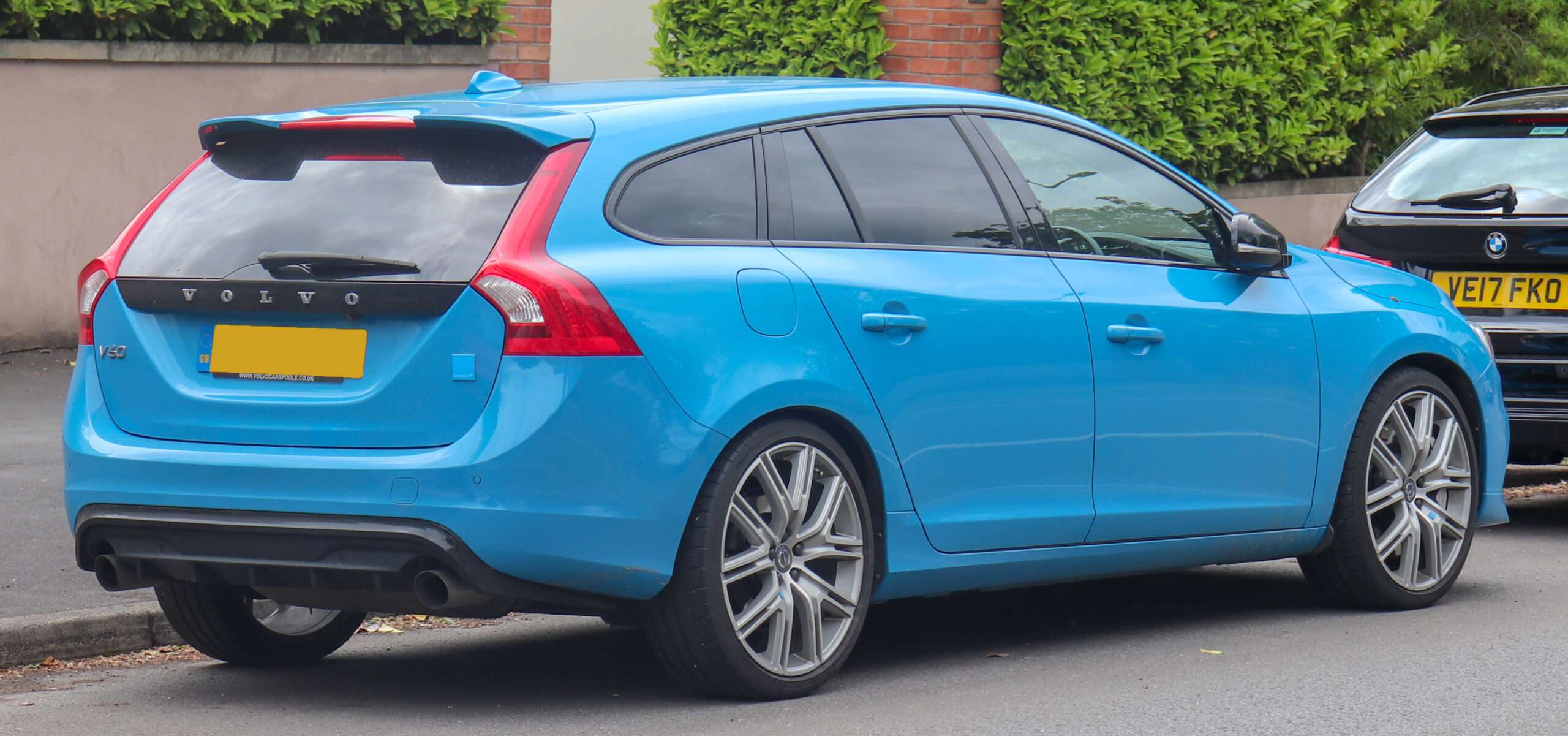
Maintenance, parts, labour and fitted costs
Use the table as a set of sourced examples and quotation prompts. It is deliberately specific about what a price includes. The suppliers checked do not provide a comprehensive, verified fitted menu for both Polestar engines. Where a meaningful figure was not established, a written VIN-specific quote is more useful than a generic estimate presented as fact.
| Item or job | Published example | Scope and what to ask |
|---|---|---|
| Paragon 371×32mm front-disc pair | £1,175.99 including VAT, ML Performance | Parts only, available to order. Confirm exact fitment; pads and fitting additional. |
| Gen 5 Haldex service kit with 850ml Febi oil and filling equipment | From £46.99, NCA Motors | Parts-only catalogue example. Confirm coupling generation and kit contents. |
| Gen 5 service kit with pump 31367750 | From £214.70, NCA Motors | Parts package, not diagnosis or installation. Confirm applicability and current tax/delivery terms. |
| Gen 5 pump 31367750/31367749 | £252.23 including VAT, Auto Fault Finder | Pump listing; other suppliers’ packages may contain different components. Labour is additional. |
| Routine engine service | Written quote required | David Dexters publishes its V60 service levels as POA. Confirm the correct engine, oil specification, plugs and scheduled extras. |
| Four-cylinder timing-belt work | Written quote required | Specify the VIN, complete kit, required associated components, labour and VAT. Not applicable as a cambelt job to the six-cylinder. |
| Öhlins inspection, rebuild or replacement | Written quote required | Identify the exact unit; separate bench work from removal, fitting, mounts and alignment. |
Labour: no verified Polestar-specific hours-and-rate breakdown was available in the sources used for this guide. Ask for that breakdown when quoting an identified repair. A Land Rover Haldex workshop menu, an ordinary V60 brake estimate or a generic Öhlins bicycle/motorcycle service price is not a valid fitted Polestar quotation. Do not add a supplier’s oil kit to an unrelated labour figure and call the result a confirmed repair cost.
For brakes, request the disc manufacturer and part numbers, pad specification, fitting hardware, fluid work if needed, labour and VAT. For AWD, ask whether the quote includes diagnosis, correct fluid, pump or strainer work where applicable, calibration and post-repair checks. For suspension, include alignment and all necessary mounting parts. This makes comparisons useful and prevents an apparently cheap quote growing through predictable extras.
The maintenance baseline we would establish
Reconcile the invoices against Volvo’s current schedule for the exact car. Separate engine oil servicing from plugs, brake fluid, coolant, timing-belt work on the four-cylinder and any driveline-fluid maintenance. A stamped book may demonstrate regular visits while omitting evidence of additional work. Obtain clarification before deciding everything is up to date.
For a car with incomplete records, commission an inspection first and agree a prioritised plan. Address leaks, warning messages, tyres, measured brake wear and unsafe suspension faults. Then complete the due servicing and preventative work supported by the findings. Avoid spending the first ownership budget on remapping or cosmetic carbon while the AWD and dampers remain uncertain.
Keep invoices identifying oil approvals, filters, plug types, fluid specifications and fitted hardware. Record the damper settings and any alignment work. If the car has aftermarket brakes, retain the supplier’s specifications and replacement instructions. Future maintenance becomes easier when the next workshop can identify what is actually fitted.
Useful eBay affiliate parts searches
These searches separate the two engines where it matters. Match the supplier’s part number to the VIN and fitted system. A listing that combines an older six-cylinder, later four-cylinder and T8 hybrid without clear distinctions deserves particular care.
- 3.0 six-cylinder oil filters and 2.0 four-cylinder oil filters.
- Six-cylinder crankcase-ventilation assemblies — confirm diagnosis and complete assembly fitment.
- Four-cylinder timing-belt kits — confirm the full procedure and additional components with the workshop.
- 371mm Polestar front brake discs — verify the actual disc assembly and whether the price is per disc or per pair.
- Polestar six-piston front brake pads — choose a suitable road compound and confirmed fitment.
- Gen 5 AWD service kits — only after identifying the coupling.
- Six-cylinder alternators and Four-cylinder alternators — electrical rating and mounting must match.
- Factory Polestar Öhlins components — used condition, position and repairability require confirmation.
Hidden ownership costs
Catch-up work: allow for the gap between the seller’s description and a documented maintenance baseline. A recently stamped service book does not pay for worn discs, leaking dampers, tyres or an overdue belt. Treat those as identified purchase costs once the inspection establishes them, rather than hoping a general repair reserve will absorb everything.
Fuel: the six-cylinder and twincharged four-cylinder have different official figures, but your journeys and driving matter most. Calculate a realistic annual fuel budget from miles, actual mpg and the pump price you pay. Short trips and enthusiastic use can change the result considerably. The later launch release’s 34.9mpg combined figure is a period laboratory result, not a promise for a used car.
Tax and insurance: check the exact registration through the relevant official service and obtain an insurance quote before a deposit. Registration timing, declared vehicle details and modifications matter. Do not transfer a tax figure from another advert simply because the colour and model badge match. Declare remapping, wheels, exhaust and suspension alterations.
Parts availability: model-specific brakes, suspension and trim may need ordering rather than next-day delivery. Confirm stock and lead times before booking work or relying on the car for an important trip. A parts-only price says nothing about how quickly a damaged specialist component can be repaired or replaced.
Our planning allowance: retain approximately £3,000–£5,000 beyond purchase for an otherwise sound example. This is an editorial reserve suggestion, not an annual cost forecast or a guaranteed repair ceiling. A known brake overhaul combined with major damper or driveline work may need more. Obtain actual quotations before buying a car with those needs already identified.
A practical viewing and inspection sequence
- Before travel: get the VIN, registration, engine capacity, service invoices, MOT history, tyre details, key count and modification list. Confirm that it is a genuine factory Polestar and arrange a cold start.
- At the viewing: reconcile identity and records, inspect fluids safely, listen to the start and look for smoke, leaks or warning messages. Check body repairs, splitter damage and cabin equipment.
- On the road: assess transmission engagement and shifts cold and warm, steady steering, brake behaviour, suspension control and driveline noises. Avoid abusive demonstrations.
- At a workshop: commission a lift inspection, measured brakes, tyre and wheel assessment, Öhlins examination, Volvo-capable module scan and safe AWD function check.
- Before agreeing the price: separate essential repairs, due maintenance and optional improvements. Obtain written estimates with parts, labour and tax for the identified work.
- At handover: retain both keys, original parts where agreed, invoices and any specialist setup information. Confirm precisely what the seller has completed.
Reasons to walk away
Walk away from mismatched identity records, unresolved overheating, serious engine or gearbox symptoms without diagnosis, or a seller unwilling to allow a reasonable independent inspection. Be cautious when a faulty AWD system is described as unnecessary because the car still drives. It is part of what you are paying for.
Missing original suspension or brakes is not always an automatic rejection, but it demands a clear explanation, appropriate engineering and a price reflecting the specification. An inexpensive car with undocumented modifications can consume more time and money than a sound original example. If the seller cannot establish what is fitted, parts ordering and future resale will be harder for you too.
Frequently asked questions
Is every V60 with a Polestar badge a full Polestar?
No. Some other V60 derivatives have Polestar software optimisation. Verify the factory build, engine and chassis specification. The live classified results used here demonstrate that badge-based searches can mix different products.
Which is better, the 3.0 or 2.0?
The six-cylinder offers a different character and six-speed transmission; the later twincharged four-cylinder brings revised hardware and an eight-speed. Try both if possible. Condition, documentation and the bill ahead are more useful buying criteria than treating either engine as automatically superior.
Does it have a timing belt?
The six-cylinder has chain-driven timing. The four-cylinder has a timing belt and needs its correct VIN-specific UK schedule established. Auxiliary belts are separate maintenance items on both.
Can I use ordinary V60 brake estimates?
Not for the factory Polestar’s front system. Identify the actual hardware, measure its condition and get a Polestar-specific quotation. The sourced aftermarket disc-pair example alone exceeds many generic whole-job estimates.
Are the Öhlins dampers electronically adjustable?
The first-generation factory Polestar uses manually adjustable Öhlins dampers. Have their condition and settings checked properly. Do not confuse them with a different Volvo’s electronically controlled suspension or assume every Öhlins service price applies.
Is this the T8 hybrid?
No. These first-generation factory Polestars are petrol performance estates with mechanical AWD. The later-generation T8 Polestar Engineered is a different buying proposition requiring its own hybrid-system assessment.
Would we buy one?
Yes, when its identity, maintenance and specialist hardware check out. The best example combines useful estate practicality with a distinctive factory-developed performance package. Buy the condition and the records, then protect what makes it special with correct parts and maintenance.
Explore alternatives in our buying guides hub, including the BMW 335i F30/F31 guide and supercharged Audi S5 guide.
Sources and further reading
Version and equipment distinctions use Volvo UK’s 2014 V60 Polestar overview and 2016 four-cylinder technical release. Engine-family inspection background comes from FCP Euro’s SI6 technical guide; its VEP timing-kit listing is not a substitute for the correct UK service schedule. AWD diagnosis is informed by Auto Fault Finder’s Volvo Haldex guidance. Price examples use ML Performance’s Polestar disc-pair listing, NCA Motors’ V60 AWD kits and the David Dexters V60 service menu. Asking-price examples are from Auto Trader stock, with non-equivalent versions excluded from comparisons. Photos are credited individually. Featured image: Calreyn88, CC BY-SA 4.0, resized for display.
Service parts and maintenance shopping checklist
Use these Volvo V60 Polestar searches to compare parts availability. A search result is not a fitment guarantee: confirm the exact vehicle specification and original part numbers before ordering.
| Maintenance item | What to check before buying | eBay parts search |
|---|---|---|
| 3.0 six-cylinder oil filters | Match engine code and production date; compare kit contents and the manufacturer approvals for any included fluids. | Compare 3.0 six-cylinder oil filters on eBay |
| 2.0 four-cylinder oil filters | Match engine code and production date; compare kit contents and the manufacturer approvals for any included fluids. | Compare 2.0 four-cylinder oil filters on eBay |
| Four-cylinder timing-belt kits | Confirm engine code and the diagnosed scope with a specialist. Check tensioners, guides, seals and associated parts; this is not a universal replacement interval. | Compare four-cylinder timing-belt kits on eBay |
| 371mm Polestar front brake discs | Match axle, fitted brake assembly, dimensions and wear sensors; compare a complete axle set and confirm whether hardware is included. | Compare 371mm polestar front brake discs on eBay |
| Polestar six-piston front brake pads | Match axle, fitted brake assembly, dimensions and wear sensors; compare a complete axle set and confirm whether hardware is included. | Compare polestar six-piston front brake pads on eBay |
| Gen 5 AWD service kits | Confirm the exact gearbox or coupling code, approved fluid and complete filter/seal contents; these are separate service circuits. | Compare gen 5 awd service kits on eBay |
| Six-cylinder alternators | Match the original part number, output rating, electrical connector and pulley; check exchange surcharges. | Compare six-cylinder alternators on eBay |
| Four-cylinder alternators | Match the original part number, output rating, electrical connector and pulley; check exchange surcharges. | Compare four-cylinder alternators on eBay |
Affiliate disclosure: we may earn a commission from qualifying eBay purchases, at no additional cost to you. Listing prices are for the advertised contents only; fitting, diagnosis, fluids and associated work may cost extra. Check availability, seller reputation and returns terms.
Volvo V60 Polestar for sale on eBay UK

See more Volvo V60 Polestar cars on eBay UK
Love cars you don’t see every day?
Get forgotten cars, surprising motoring stories and the most interesting finds from Unusual Cars by email.
Free to join. No spam. Unsubscribe whenever you like. See our privacy policy.
