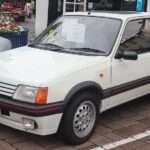
The Peugeot 306 GTi-6 is remembered as one of the finest-handling hot hatchbacks of the 1990s, while the scarce UK-market Rallye made the same formula lighter and more focused.
Here are ten things you probably didn’t know about the Peugeot 306 GTi-6 and Rallye.
1. Six forward gears were genuinely exotic
When the GTi-6 arrived in 1996, six-speed gearboxes were still largely associated with costly performance cars. Peugeot Sport helped develop its close-ratio transmission so the 167hp 2.0-litre engine could be kept in its strongest rev range.
2. The engine was the XU family’s final flourish
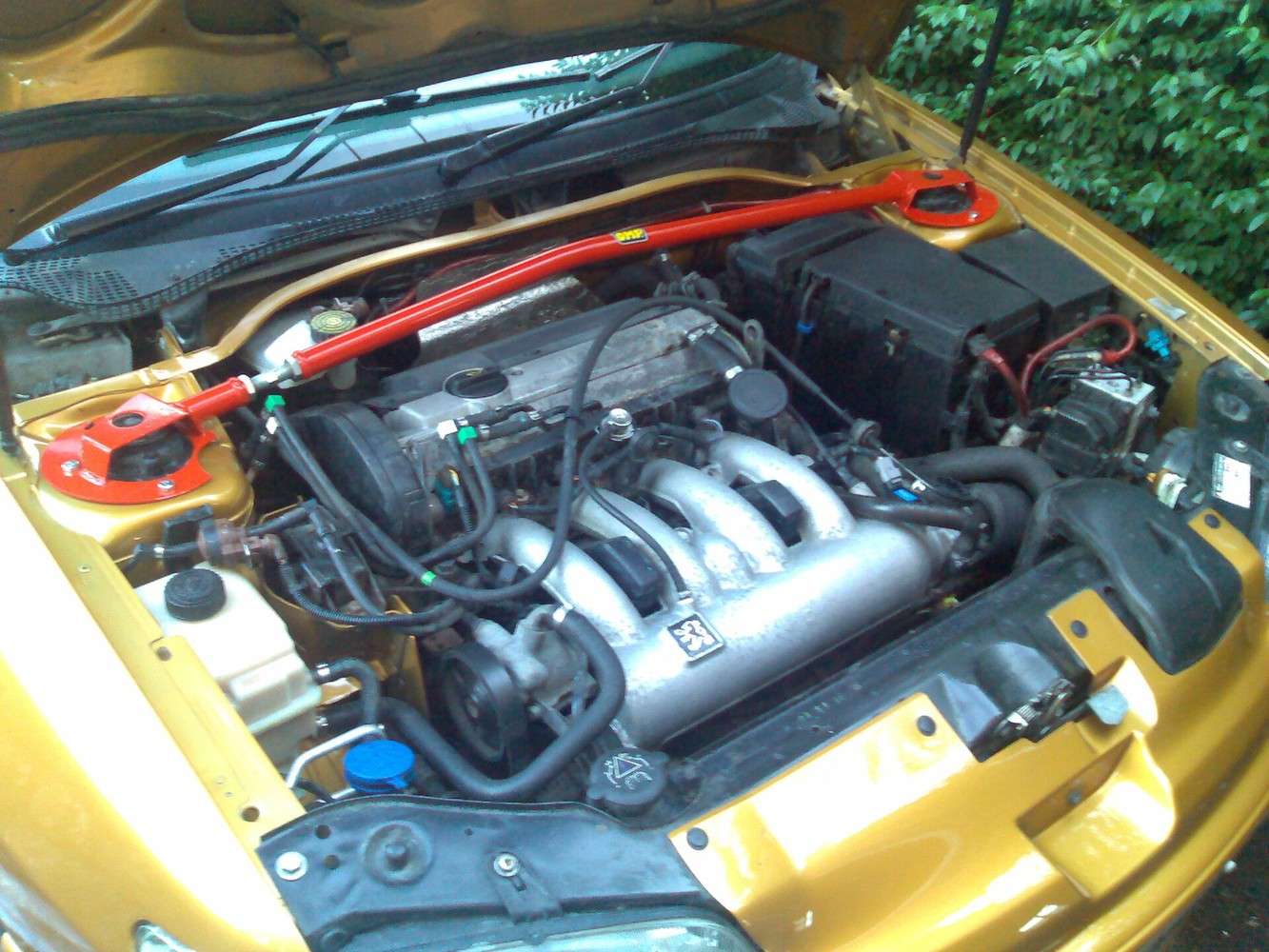
Its 1,998cc XU10J4RS used 16 valves and produced 167hp without a turbocharger. It evolved the earlier 306 S16 formula, replacing that car’s 155–158hp engine and five-speed gearbox with a sharper, faster package.

3. Its famous cornering included passive rear steer
The 306’s torsion-beam rear axle used geometry and compliant mountings that allowed a small change in rear-wheel angle under load. It made the car unusually eager to rotate, although worn rear-beam bearings can turn precision into unwanted movement.
4. The six-speed gearbox brought one awkward compromise
Packaging the extra gear and driveshafts reduced steering lock, giving the GTi-6 a notably wide turning circle. It is a wonderfully period detail: Peugeot prioritised the close-ratio performance gearbox even though owners noticed the compromise every time they parked.
Join the Unusual Cars Club free
Get forgotten cars, surprising motoring stories and the most interesting finds from Unusual Cars by email.
Free to join. No spam. Unsubscribe whenever you like. See our Privacy Policy.
5. The Rallye was a British special
The 306 Rallye was created for the UK rather than offered as a universal European model. It retained the GTi-6 engine and gearbox but deleted comfort equipment to create a simpler, lighter car aimed directly at enthusiasts.
6. Only about 500 Rallyes were built
The accepted production figure is 501 UK cars, making it dramatically rarer than the regular GTi-6. Most were finished in Bianca White, Cherry Red or Black, with distinctive Rallye graphics and no attempt to disguise the stripped-back specification.
7. The weight saving was about 65kg
The Rallye lost the air conditioning, sunroof, front fog lamps and much of the GTi-6’s luxury equipment. The change did not transform the power figure, but it sharpened the response and made the car’s already communicative chassis feel even more immediate.
8. The road car shared a name with a giant-killing rally machine
Peugeot’s spectacular 306 Maxi was a purpose-built front-wheel-drive Kit Car rather than a modified GTi-6. It won the Tour de Corse in 1997 and 1998, giving the otherwise understated 306 body an unusually serious competition association.
9. A cambelt failure can be ruinous
The high-revving 16-valve engine is an interference design, so belt, tensioner and water-pump history matters greatly. Sensible buyers also check the six-speed gearbox, rear axle, cooling system and evidence of corrosion or careless track-day repairs.
10. Original cars are now much harder to find
Cheap values once encouraged engine swaps, suspension modifications and cosmetic replicas. A complete GTi-6 is desirable, but an authentic Rallye with its correct trim, decals and deleted equipment is now a particularly scarce piece of British hot-hatch history.
Why it matters
The GTi-6 and Rallye matter because they show how much excitement could come from careful gearing, low weight and finely judged suspension rather than huge power. They remain benchmarks for steering and chassis feel.
Enjoyed this one?
Join the Unusual Cars Club free for more forgotten performance cars, surprising motoring stories and new 10 Things articles.
Free to join. No spam. Unsubscribe whenever you like.
Explore every 10 Things article in the Unusual Cars hub →