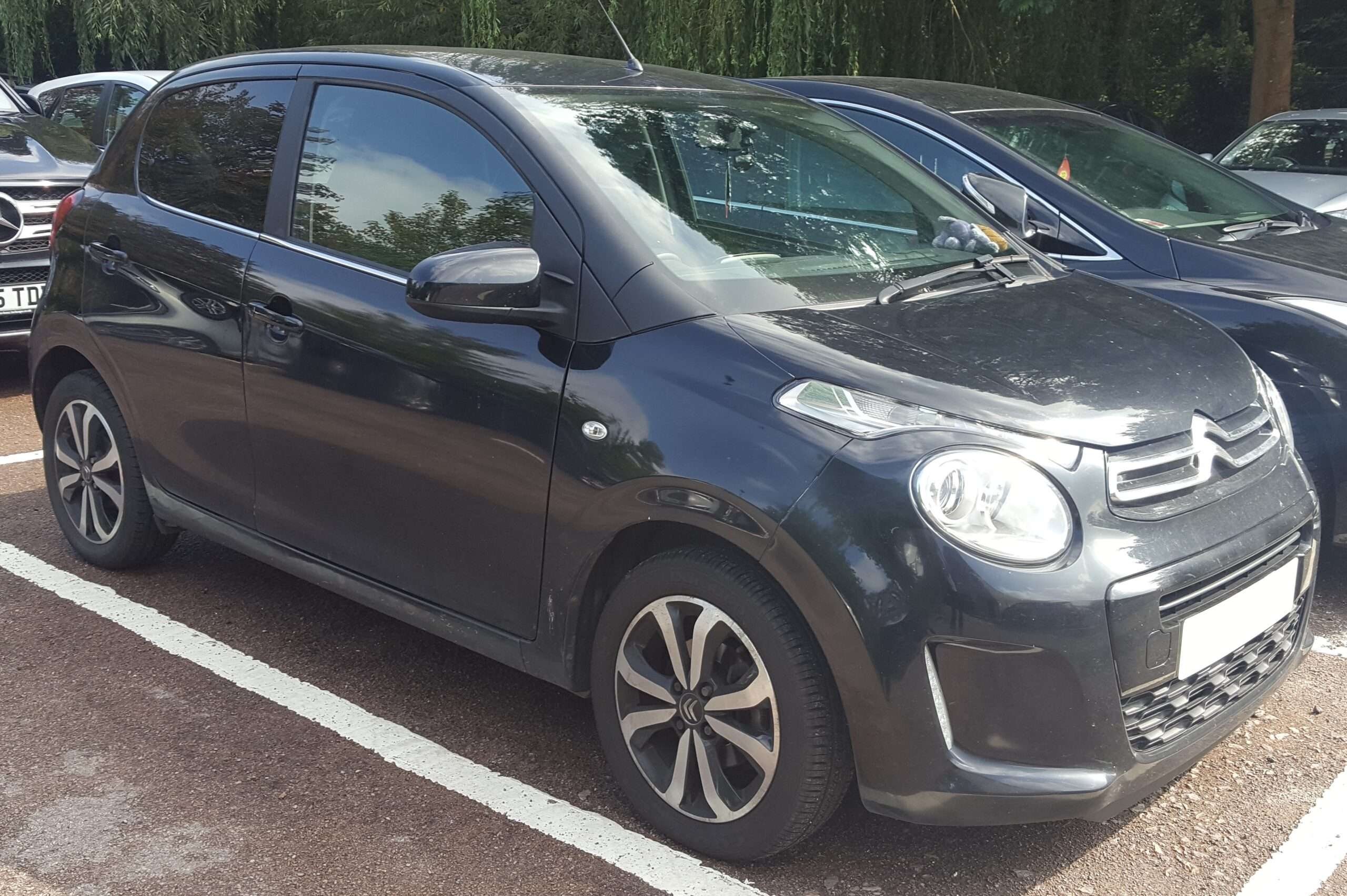
A Citroën C1 Mk2 diagnostic scanner should be chosen around the job you actually need it to do. Recording an engine warning is one task; investigating an ABS light or an ETG gearbox complaint is another. A reader which successfully connects to the engine has not demonstrated access to every other controller in the car.
This guide covers the second-generation C1, introduced in 2014, including conventional UK petrol hatchbacks and Airscape versions. It keeps the 1.0-litre engine separate from the 1.2 PureTech and treats the clutchless ETG transmission separately from the manual. For the earlier car, use our C1 Mk1 scanner guide.
The short answer
For supported engine-emissions codes, freeze-frame information and basic live data, a reputable EOBD reader can be a useful starting point. If you want ABS, airbag, steering or ETG information, choose a tool with confirmed enhanced coverage for your particular C1 Mk2. Ask for the actual function, rather than accepting a broad “Citroën compatible” description.
An iCarsoft FR V3.0 is one candidate to compare with other supported handhelds. Its brand coverage does not establish that every C1 ECU, active test or adaptation is available. For a one-off gearbox or intermittent electrical problem, paying for a properly documented specialist diagnosis may be better value than buying an unsuitable tool.
Identify the C1 before buying
Supply the year, VIN/build details, engine capacity and gearbox to the seller. The C1 name spans two generations, and an early Mk2 can share its registration year with an outgoing Mk1. Registration year alone is therefore a poor compatibility check.
The manufacturer’s launch information distinguishes the VTi 68 engine and its available five-speed ETG transmission from the 1.2-litre PureTech-family VTi 82. That matters when you search diagnostic menus: do not borrow an engine selection, service procedure or gearbox assumption from a different version just because the body looks the same.
Airscape identifies the opening fabric-roof body option. It does not mean the engine diagnostic system can diagnose every roof problem. If the roof is the reason for buying a scanner, ask about that specific equipment and combine electrical diagnosis with an inspection of the mechanism.
What level of scanner do you need?
| Your task | Useful route | What to confirm |
|---|---|---|
| Record an engine warning | Generic EOBD reader or supported app | Codes, available freeze frame and relevant engine data |
| Investigate ABS or stability-control warnings | Enhanced C1 diagnostics | Access to the fitted ABS controller and useful data |
| Investigate an airbag warning | Confirmed SRS access | Full fault descriptions and status for the actual system |
| Investigate an ETG fault | Confirmed transmission access or specialist | Reading faults and data separately from learning procedures |
| Carry out a repair calibration | Tool with the named supported procedure | Vehicle prerequisites and correct repair information |
Engine OBD2: useful evidence, limited scope
A basic scan can preserve the fault code that triggered an engine warning and, where supported, show the operating conditions around it. Write down the complete code, its status and the exact description. A pending fault, a stored fault and a permanent emissions code should not be treated as interchangeable labels.
Freeze-frame information is particularly helpful when the warning is intermittent. A complaint which appears during a cold start deserves a different investigation from one recorded under load on a warm engine. Save the report before disconnecting a battery or clearing anything, because the original circumstances can be difficult to recreate.
Live data should answer a question. For example, is the temperature reading plausible before the engine starts? Does a reported value change in a sensible way as operating conditions change? A value on a screen is not automatically a precise measurement of the physical component, and some displayed values are calculated.
Do not replace an oxygen sensor, ignition component or catalytic converter solely because its name appears in a code description. A code identifies a detected condition or circuit; the cause may require wiring checks, an intake inspection, mechanical testing or comparison with other readings.
Keep the 1.0 and 1.2 engines separate
The Mk2’s petrol choices create an easy buying mistake: searching for “C1 petrol scanner” and assuming the result settles every engine question. Select the correct engine within the tool and check that the supplier’s demonstration or coverage statement concerns that engine.
A scan is also not a substitute for the correct maintenance information. If there is an oil-pressure warning, abnormal mechanical noise or serious rough running, follow the vehicle’s instructions and arrange appropriate inspection. A clear code list cannot certify the lubrication system, timing drive or general engine condition.
For a used C1, match service records to the actual engine. Ask what work was performed and why, then use a scan as another piece of evidence. A reader is valuable for recording information, but it cannot reconstruct missing maintenance history or prove that the correct oil and parts were used.
ETG: fault reading is not clutch learning
The five-speed ETG is a clutchless automated transmission. It needs a different diagnostic conversation from a conventional manual C1. Tell the supplier that the car has ETG, describe the symptoms and ask explicitly about its transmission controller.
Separate three requirements: reading gearbox codes, viewing relevant data, and carrying out any required learning or adaptation after a repair. A tool may satisfy the first without supporting the others. A generic “gearbox reset” advertisement does not identify which procedure is meant.
If the car hesitates, selects a gear unpredictably or will not engage drive, record whether this occurs hot or cold, at start-up or after a journey. Include the dashboard indication and any recent clutch, battery or actuator work. Those observations help the repairer choose tests rather than repeating an adaptation in the hope that it fixes a mechanical problem.
Do not initiate unfamiliar transmission routines as an experiment. They can require specific conditions and may leave the vehicle needing completion of the procedure before normal use. For a manual car, a clutch symptom still needs physical assessment; the absence of a transmission ECU fault is not proof of a healthy clutch.
ABS, airbags and steering
If the only result shown is “no engine codes”, an ABS or airbag warning remains unexplained. Confirm that the tool entered the relevant controller and returned an identifiable report. An unsupported module is different from a supported module with no stored faults.
With ABS complaints, suitable live data can help a technician compare inputs, but a named sensor is not automatically defective. The sensor circuit, supply, connectors and related mechanical parts may need checking. Avoid ordering parts from a short generic description without the controller’s full fault information.
For airbags, leave component testing and repair to someone with the correct procedures. Do not probe restraint connectors or substitute resistors to hide a warning. Clearing a repaired fault is a different operation from repairing the system or handling crash-related data.
A steering warning likewise deserves the correct system report and a check of supply conditions. The fact that an app displays engine voltage does not establish full steering coverage or prove that a battery and charging system are healthy under load.
Phone adapter or standalone handheld?
A phone adapter can be convenient if you already have a suitable app. Check the whole combination: adapter, phone platform, app, paid features and vehicle coverage. Bluetooth connection to the adapter is only the first stage; the app must also communicate with the desired controller.
A handheld avoids phone pairing and can be convenient for keeping reports with the car. Compare how it saves results, whether updates are available, who supplies support and what the return terms are. Neither format guarantees deeper coverage by itself.
For an owner who wants only occasional engine-code checks, a modest supported reader may be sufficient. For someone maintaining an ETG car or chasing ABS faults, spending more is justified only when it buys the precise access needed.
Connection and first-scan checklist
- Confirm the model, engine and gearbox using the car’s documents and identification details.
- Locate the diagnostic connector using the correct handbook; do not force trim or a plug.
- Park securely, follow the tool’s ignition instructions and ensure suitable battery condition.
- Read and save information before choosing any clear, reset or adaptation command.
- Record the dashboard wording and symptoms alongside the report.
- Use targeted tests to investigate the cause, then rescan after the repair.
If communication fails, check the selected vehicle, connector seating and the tool’s instructions. A lit screen only proves that the reader has power. Do not bridge pins or change fuse ratings to make a connection work.
Questions to send the seller
“I have a UK Citroën C1 Mk2, [year/build], [1.0 or 1.2 engine], [manual or ETG]. Will this exact tool and software read [named ECU] and perform [named task]?” Ask for separate answers for fault reading, data and any service procedure. Keep the written response.
Can I use the C1 Mk1 menu?
Use the correct generation and engine selection. If the exact model is absent, obtain support advice rather than trying unrelated menus for service functions.
Will clearing the engine light fix the car?
No. Clearing removes diagnostic information where permitted; it does not remove the underlying cause. Some emissions codes will only resolve after the relevant monitoring conditions are satisfied.
Does a clean scan make a used C1 safe to buy?
No. Combine it with a physical inspection, a suitable road test and maintenance evidence. Recent clearing and unsupported systems can limit what the report tells you.
Explore the other models in our Citroën diagnostic scanner hub.
Sources and coverage notes
- Manufacturer-owned retail group’s new C1 launch information, including petrol engines and ETG.
- iCarsoft FR V3.0 information and linked vehicle/function coverage.
- Citroën handbook selector: choose the issue matching your vehicle.
This is a researched buying and diagnostic-scope guide, not a claim of hands-on scanner testing or guaranteed compatibility.
Featured photograph: Vauxford, 2014 Citroen C1 Flair 1.0, CC BY-SA 4.0. Resized for display. Scanner banner: illustrative artwork.
Love cool cars? Join Unusual Cars Club FREE!
Get forgotten motoring finds, stories, helpful car content and more.
Free to join. No spam. Unsubscribe whenever you like. See our privacy policy.