Buying Guides / Dacia Duster Mk2 · UK buying advice
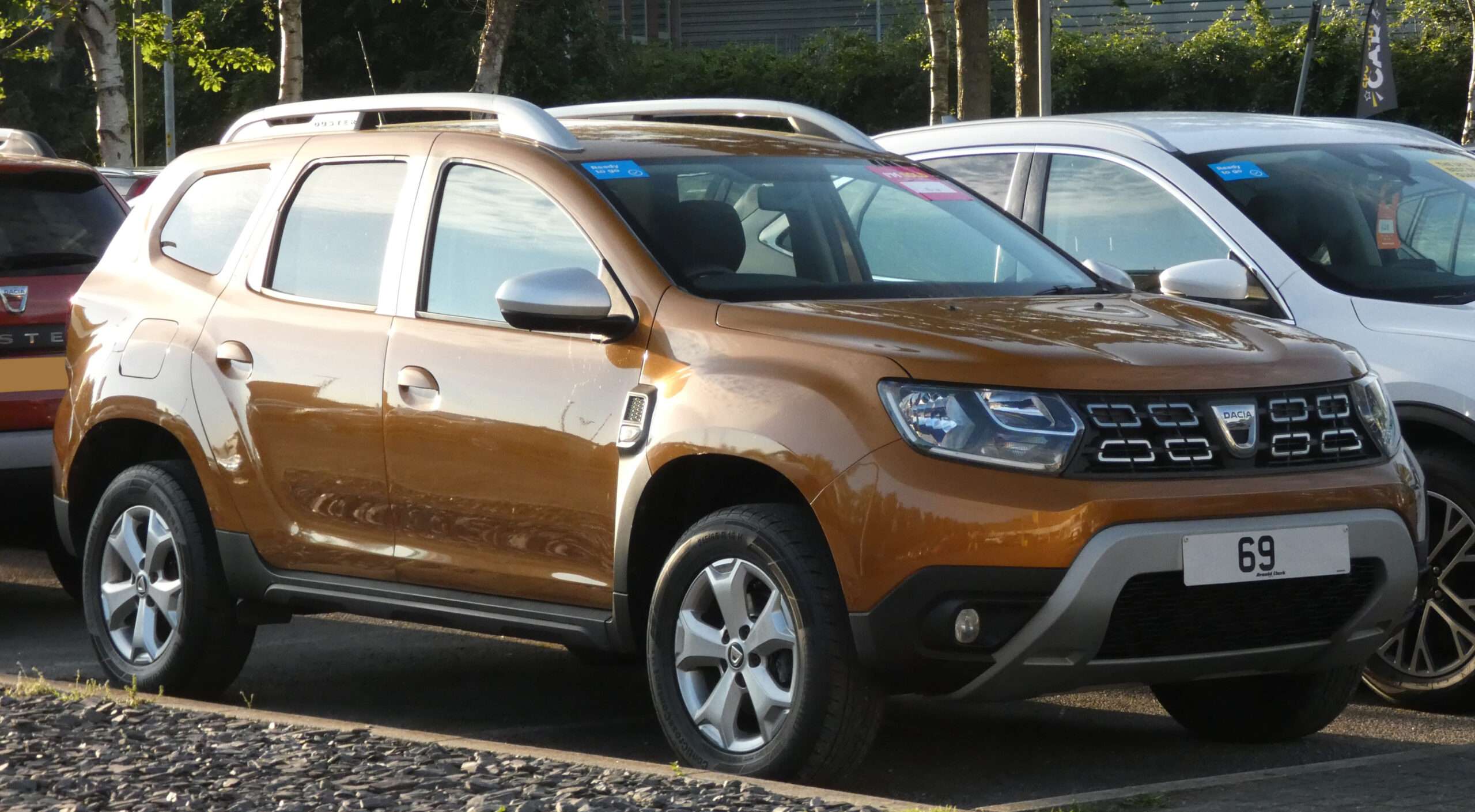
A good second-generation Duster offers useful space and straightforward everyday appeal without requiring a premium-SUV budget. Start with a documented petrol 2WD for mainly local and mixed use. Choose a dCi for regular longer journeys, or 4WD because you genuinely need its traction. Buy the inspected condition and maintenance position rather than the rugged appearance alone.
This guide covers the Mk2 Duster, including its updates. It excludes the original generation and the later all-new model with different powertrains. Registration years overlap, and a newer badge or trim does not establish generation. Confirm engine, transmission and drive layout from VIN and original specification.
Affiliate disclosure: qualifying purchases through eBay links may earn us commission, at no extra cost to you. Search results can mix generations, engines and 2WD/4WD parts. Confirm original numbers, current oil approval and exact application before ordering.
The buying verdict
Choose the lowest-complexity specification that meets your actual needs, supported by clear servicing. A petrol 2WD can be a sensible family purchase where diesel emissions equipment and 4WD hardware would add little benefit. A regularly maintained diesel or 4WD can be equally convincing when the use case justifies it and the inspection is sound.
The low purchase-price reputation should not encourage a superficial viewing. Tyres, brakes, clutch work and neglected maintenance can consume a substantial proportion of a budget-car purchase. Add the work needed now to the asking price before deciding which example is best value.
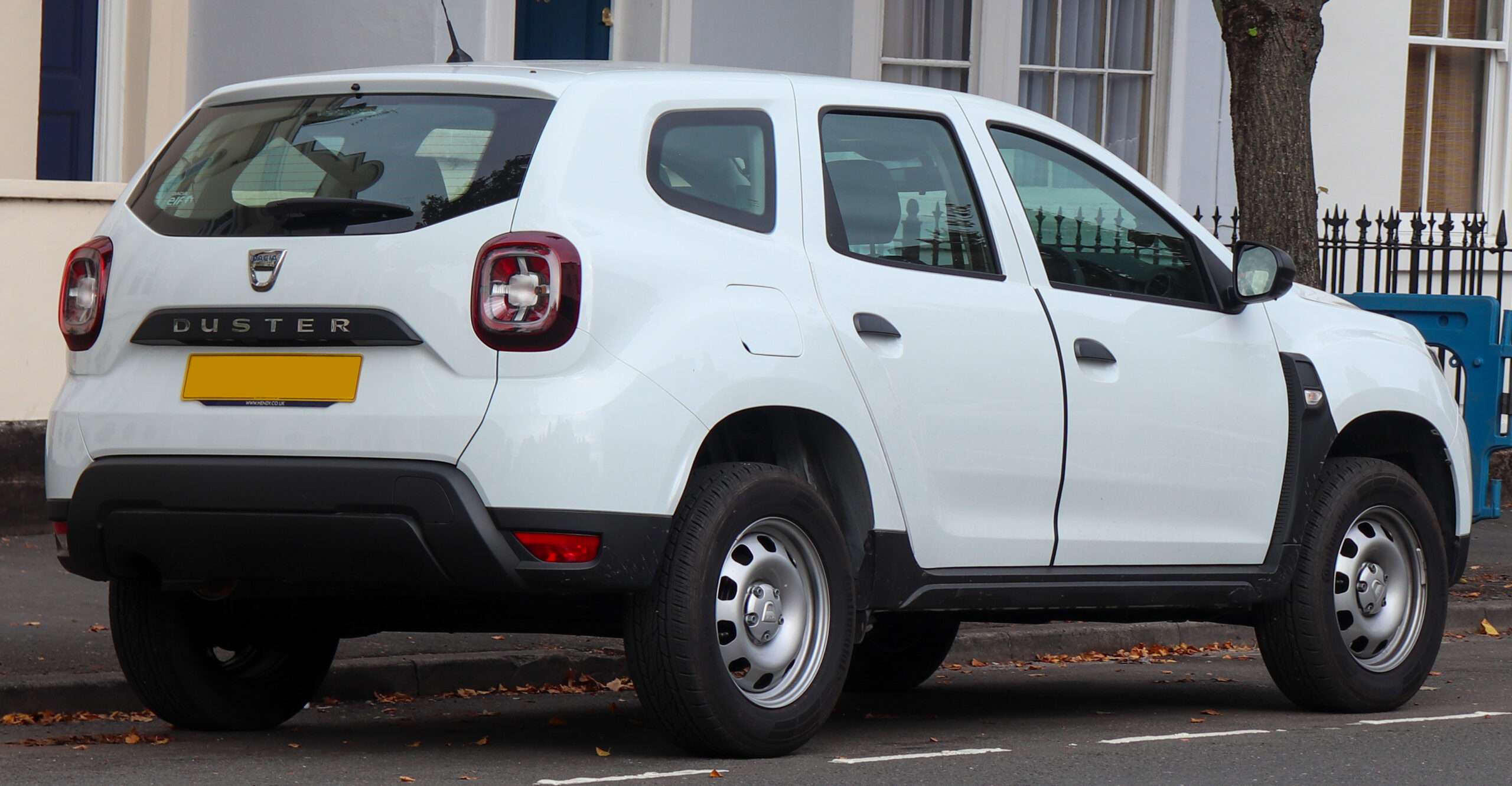
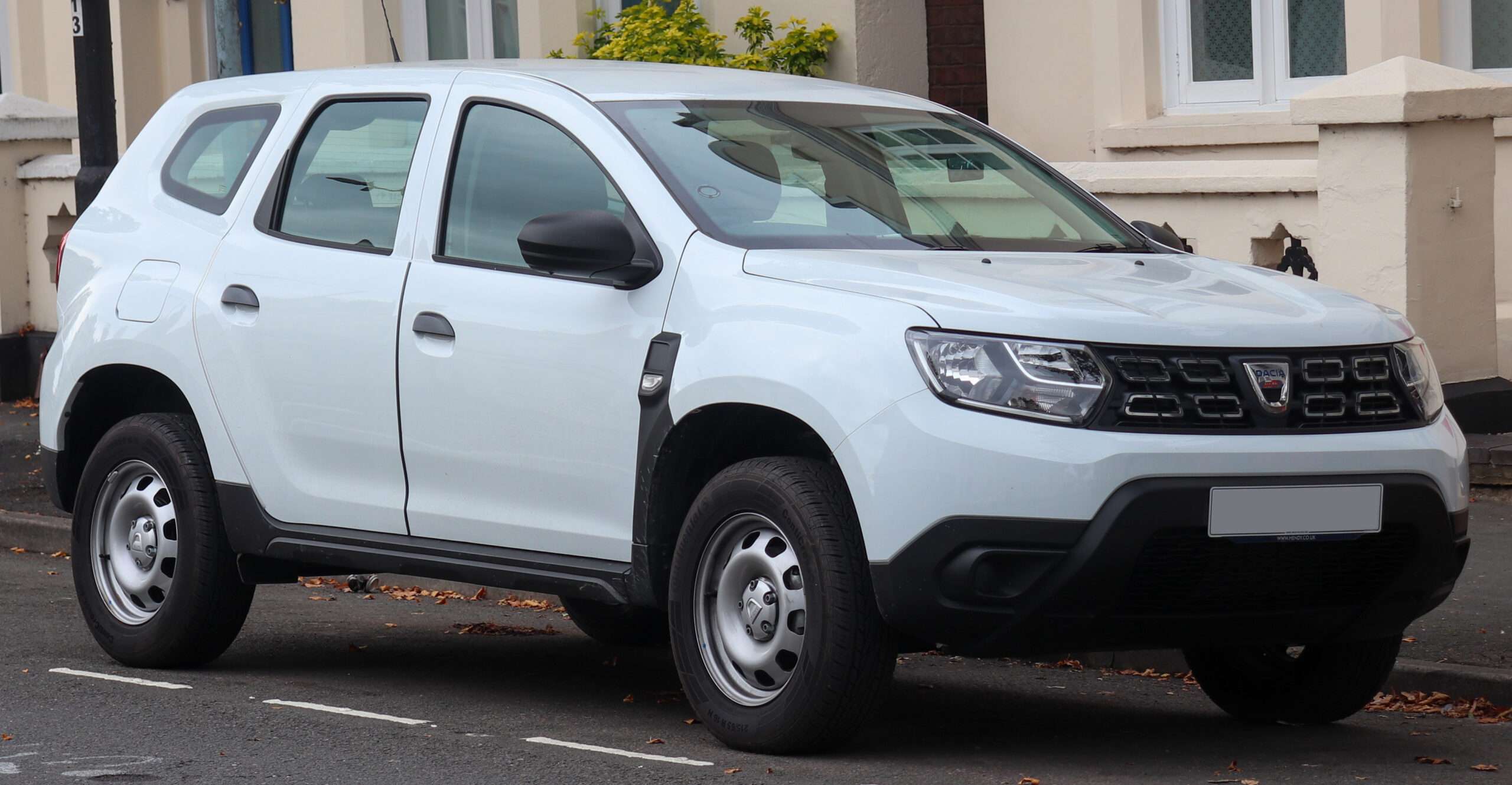
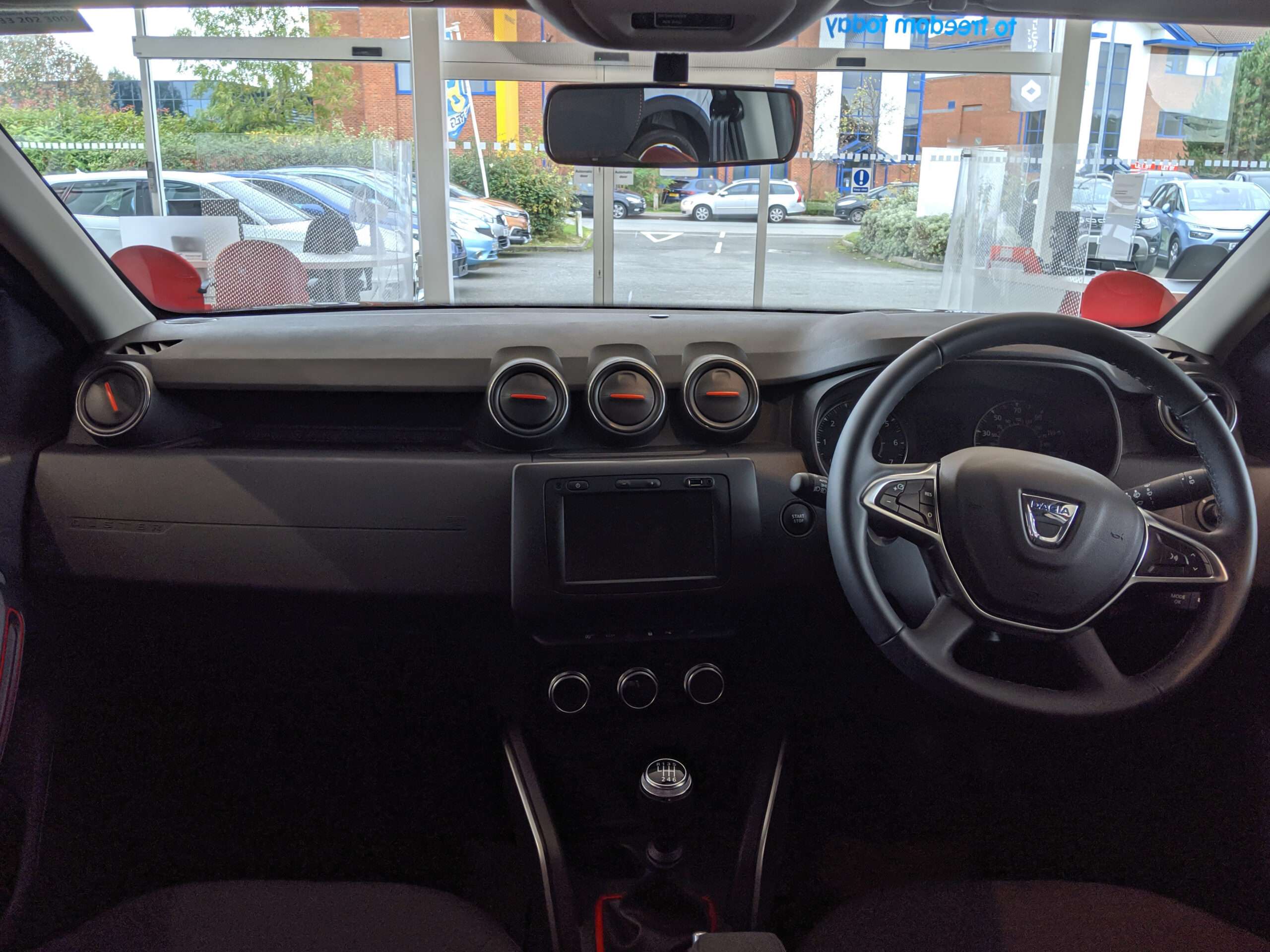
Try the seats, rear access and boot with the people and equipment you normally carry. Check the actual air conditioning, multimedia, camera and parking equipment fitted: base and higher trims can differ substantially. A feature absent from the car cannot be made present by a generic dealer advert.
Which engine and drive layout?
| Choice | Why consider it | Main buying questions |
|---|---|---|
| 1.6 SCe petrol | A naturally aspirated early option worth comparing for simpler everyday needs. | Does its performance suit your loads? Check oil history, cooling and actual equipment. |
| 1.3 TCe petrol | A useful choice where stronger response is wanted. | Exact output/build, correct servicing, cold-to-hot running and gearbox. |
| 1.0 TCe / factory bi-fuel applications | May appeal for particular running-cost or fuel preferences. | Confirm actual petrol/LPG configuration, specific maintenance and local fuel practicality. |
| 1.5 dCi / Blue dCi | Potentially suitable for regular longer journeys. | Timing-belt evidence, fuel system, DPF and any SCR/AdBlue equipment fitted. |
| 2WD versus 4WD | Buy traction capability to meet an actual requirement. | Drive layout, underside condition, tyre set and drivetrain maintenance. |
Do not transfer an engine’s reputation or service instructions from the original Duster just because the capacity looks similar. Engine codes, emissions hardware and production changes matter. Likewise, later-generation hybrid marketing does not describe the Mk2. Ask a Dacia retailer to resolve any uncertain build details before ordering parts.
A 4WD badge is not a substitute for appropriate tyres, ground clearance assessment or a sound underside. If you need towing capability, establish the individual car’s permitted limits and specification from its official information; do not select a load from a generic model headline. Towbar wiring and previous use deserve inspection too.
Petrol engine checks
1.6 SCe: judge the actual performance
Drive the naturally aspirated petrol over your normal kind of route and, where possible, with representative passengers. It responds differently from a turbocharged car. Needing revs or a downchange is not itself a fault, but the vehicle must suit you before purchase. Do not discover on collection day that its character is wrong for regular heavy loads.
Arrange a cold start and inspect oil and coolant according to the handbook. Ask about additions between services and look for leakage or staining. Persistent fluid loss, smoke or misfiring needs diagnosis. A clean engine bay should be inspected again after the test for fresh traces.
TCe engines: service identity and boost response
Confirm the actual capacity, output and engine code. The 1.0 and 1.3 are different applications, and broad online searches can return filters, plugs and oil intended for another engine. Ask for the current manufacturer approval and record the exact lubricant on invoices. Viscosity alone is insufficient.
Check cold idle and low-speed response, then consistent acceleration once warm. A small engine’s normal sound differs from severe shaking, repeated hesitation or an engine warning. Ignition, intake, fuel and turbo-control faults can overlap in symptoms; request findings rather than accepting the cheapest suggested component as the diagnosis.
For any petrol, confirm its timing-drive layout and current maintenance instructions using the engine code. Do not order the diesel’s cambelt kit for a chain-driven petrol, or assume that a chain removes every maintenance consideration. Persistent rattling should be investigated before purchase.
Factory bi-fuel and conversions
Establish whether the car’s fuel system is factory specification or a later conversion. Ask for the relevant records, maintenance and supplier support, and test normal operation on each fuel where appropriate. The price of LPG locally and access to filling stations should be checked for your routes before assigning a saving.
Inspect the system only through a qualified person; do not disconnect fuel lines or improvise a leak test at a viewing. Confirm any conversion with the insurer and review service requirements for filters and components. A bi-fuel car is not an electrified hybrid, and the additional fuel system has its own maintenance.
dCi: timing belt, fuel system and emissions
Request a proper timing-belt invoice showing date, mileage, parts and associated work. Confirm the current interval and job scope for the actual engine. A belt that “looks fine” or a seller’s handwritten note is weaker evidence than an itemised workshop record. Price due or undocumented work before negotiating.
Watch a cold start for difficult starting, excessive smoke or uneven idle. Ask for the diagnosis and repair scope if injectors, fuel-system or turbo components were replaced. Sensor readings can support an investigation, but a single value should not be treated as universal proof that every component is healthy.
Ask about DPF messages, forced regenerations, cleaning and previous use. A recently cleared light does not explain why regeneration was unsuccessful. A purchase inspector should review relevant faults and operating conditions. Repeated short cold journeys can make a diesel a poor match even if the advertised economy is attractive.
Identify the exact emissions equipment, including SCR/AdBlue on applicable Blue dCi cars. Investigate countdowns, repeated warnings or unexplained fluid complaints before buying. A refill is not necessarily a repair. Check current charging-zone compliance using the registration and official tools rather than a seller’s blanket claim.
Reject removed or defeated emissions equipment as a shortcut to cheap ownership. It complicates testing, legality, diagnosis, insurance and resale. A standard vehicle with correctly functioning hardware and retained records is easier to assess than one whose original configuration is unclear.
4WD, manuals and automatic applications
Verify whether the car is actually 4WD. Inspect its drivetrain, leaks and tyre set rather than inferring capability from an SUV shape. Ask for a demonstration using the handbook and suitable conditions. Do not force tight-turn tests in an inappropriate locked mode on high-grip surfaces.
Have the underside examined on a lift for impact damage, displaced protection, leaks and corrosion. Check accessible suspension areas and drive components after mud has been cleaned away. Fresh underseal or a muddy exterior is not evidence of either good protection or serious use on its own; the inspection needs to establish condition.
On a manual, check reverse, all ratios, clutch take-up and response under normal load. Low gearing on a particular version is different from a fault. Slip, vibration or persistent noise needs diagnosis, not an abusive stall test. Ask what associated parts were included if a clutch replacement is claimed.
For an automatic application, identify the exact gearbox and service requirements. Test engagement, reverse, traffic-speed movement, hills and warm changes. Repeated shudder, delayed drive or warnings need investigation. Do not apply a generic Renault automatic schedule simply because the brands share components.
Love cars you don’t see every day?
Get forgotten cars, surprising motoring stories and the most interesting finds from Unusual Cars by email.
Free to join. No spam. Unsubscribe whenever you like. See our privacy policy.
Body, corrosion and evidence of hard use
Inspect the car in daylight, including door shuts, roof, tailgate and accessible seams. Look for poor panel alignment, overspray and repairs around suspension or load-bearing areas. A few honest cosmetic marks are different from structural damage or a doubtful identity. Obtain a history check and inspect the car rather than treating either one as sufficient alone.
A Duster may have been used on rough tracks, towing or carrying heavy loads. Ask about that use and inspect the evidence: underside impacts, damaged trim, uneven tyres and worn load areas. These clues are reasons for closer assessment, not automatic proof of abuse. Have a competent inspector establish the actual condition.
Check carpets and the boot under its floor for dampness, missing equipment and corrosion. Test tailgate latches and seat-folding mechanisms. Inspect seals and any roof fittings for leaks. A recently cleaned interior or a fresh coating underneath should prompt questions about what was found and repaired.
Try your regular luggage and passengers. Check rear access with child seats and the front seats in their normal positions. Test the actual spare-wheel or inflation provision, supplied tools, load cover and floor panels. A cheap car missing several useful pieces can lose its value advantage quickly.
Cabin, electrical equipment and road manners
List your essential features before comparing trims. Demonstrate air conditioning, phone connection, navigation, cameras, sensors, mirrors, locks and both keys where fitted. Base versions may be perfectly suitable, but an absent feature should not be confused with a broken one or assumed easy to retrofit.
Run the climate system long enough to assess it. A claim that it needs only a regas does not establish whether there is a leak or component fault. Test the conventional battery where starting or electrical complaints occur. Correct technology and installation matter more than a low advertised battery price.
On mixed roads, listen for knocks, bearing hum and drivetrain vibration. The ride and gearing can differ between versions; that does not excuse looseness, severe shudder or a persistent pull. Check steering stability and braking in a straight line, and have suspension and brakes inspected on a lift.
Inspect tyre size, age and wear across the tread. On 4WD cars, ask about the suitability and consistency of the entire set. Do not judge an off-road-looking tyre only by tread depth: correct load rating, condition and suitability for your driving also matter. Price any replacements before agreeing the purchase.
Sourced UK maintenance: parts, labour and fitted prices
Dacia’s current national menu distinguishes an A service from an oil/filter B service. The prices below are published maximum retail references for eligible vehicles at participating retailers, including parts, labour, oil and VAT under the stated terms. Additional operations and build eligibility must be confirmed.
| Job | Published Dacia reference | Important boundary |
|---|---|---|
| Petrol/ICE A service | £185. | Cabin filter and checks; do not describe this as an oil change. |
| Petrol/ICE B / combined A&B | £250 / £345. | B includes engine oil/filter and stated checks. Confirm the actual maintenance plan. |
| Petrol spark plugs | Three-cylinder £150; four-cylinder £180. | Match engine and required operation; supplementary booking conditions may apply. |
| Diesel cambelt | £820. | Manufacturer menu reference; confirm exact kit, associated components and vehicle eligibility. |
| Diesel fuel filter | £135. | Correct application and complete fitting scope must be confirmed. |
| Brake fluid / coolant change | £100 / £180. | Published supplementary operations, subject to terms. |
| Front pads / discs and pads | £190 / £370. | Distinct scopes; confirm measurements and any additional caliper work. |
| Diagnosis | Up to one hour £130. | Diagnostic time, not a guarantee that every fault can be resolved within an hour. |
| Online 1.3 TCe service kits | Observed examples about £25–£109 depending on filters, oil and contents. Compare 1.3 kits. | Parts only. Oil approval, quantity, generation and engine must be checked. |
The menu does not give a separate hourly workshop rate for each service job. Do not subtract a low-priced internet kit and call the difference a quoted labour charge. Fitted work can include inspection, consumables, disposal and warranty responsibility absent from a parts listing.
Ask the retailer to identify the next service from VIN, age, mileage and records. A petrol package should not be applied uncritically to a diesel or bi-fuel car. Confirm the extra filters, belts, fluid and fuel-system operations actually due, and retain an itemised invoice.
For repairs, separate diagnosis from parts replacement. A DPF warning, gearbox symptom or coolant leak can have more than one cause. Authorise a clear diagnostic stage and request a written complete quotation before buying a major assembly. A parts-only estimate is insufficient for deciding whether a cheap Duster is viable.
Duster Mk2 service-parts comparison table
Engine and drive layout matter. These searches distinguish the petrol and diesel applications where relevant, but returned listings can still mix generations. Confirm original numbers and approvals with the supplier before ordering. Specialist fuel-system or drivetrain work should follow diagnosis.
| Item | Check before buying | eBay UK comparison |
|---|---|---|
| 1.3 TCe oil/filter kit | Correct approval, quantity and actual build. | 1.3 service kits |
| 1.0 TCe service kit | Petrol/bi-fuel application and correct set quantities. | 1.0 service kits |
| 1.6 SCe service kit | Correct engine and generation. | 1.6 service kits |
| dCi filters | Correct oil, air and diesel fuel-filter application. | Diesel filter kits |
| dCi timing-belt kit | Engine code and complete associated workshop scope. | Diesel belt kits |
| Petrol spark plugs | Correct heat range and three/four-cylinder quantity. | 1.3 spark plugs |
| Cabin filter | Correct dimensions and pollen/carbon option. | Cabin filters |
| Auxiliary belt/tensioner | Engine-specific routing and components. | Auxiliary belts |
| Alternator | Output, connector, engine and start-stop application. | Alternators |
| 12-volt battery | Technology, dimensions and any configuration required. | Batteries |
| Front discs and pads | Actual caliper and disc diameter. | Brake parts |
| Wiper blades | Correct arms and front/rear lengths. | Wiper sets |
Hidden ownership costs and Dacia Zen
Keys, luggage fittings, tyres and air conditioning are easy to overlook when comparing low asking prices. Obtain fitted quotes for faults rather than pricing an empty key shell or used component. A car needing several ordinary jobs immediately can cost more than a better-maintained example advertised slightly higher.
Dacia currently offers service-activated Zen cover under conditions, with eligibility depending on age, mileage and servicing. Its UK page describes vehicles under six years old and below 75,000 miles entering the programme, with a year/18,000-mile period subject to terms. Ask a retailer to confirm the actual car and any waiting period before assigning value to the claim.
An older Mk2 is not automatically eligible just because an advert says “up to seven years”. Confirm the certificate, exclusions and responsibility for diagnosis. A service-activated warranty and roadside assistance are different benefits; check each separately. Keep service invoices needed to support cover.
Check current insurance, tax and any charging-zone compliance using the registration and official tools. Declare fuel conversions and other modifications. If choosing bi-fuel, confirm local filling practicality; if choosing diesel, judge your journeys honestly. Advertised economy alone does not calculate total ownership cost.
How to compare two used Dusters
Choose capability before trim
Write down whether you need 4WD, an automatic, particular loading space or specific cabin features. This prevents a smartly equipped 2WD from being compared as if it were the same proposition as a diesel 4WD. Equally, it avoids paying for hardware you will never use while postponing maintenance you already need.
Try representative roads with your normal passengers where practical. Decide whether the naturally aspirated petrol’s response suits you or whether a turbo petrol makes more sense. The diesel should be chosen for a compatible operating pattern, not merely because its fuel figure appears attractive.
Review maintenance before bargaining
Ask for a twelve-month forecast from a workshop using the VIN and expected mileage. Identify the actual A/B requirements and supplementary work. For a diesel, establish belt and fuel-filter evidence separately. Do not convert a generic package into a complete schedule without checking what it includes.
If the belt invoice is absent, obtain a fitted quote and include that work in the purchase decision. If a warning is unresolved, price diagnosis separately. A belt service does not fix a DPF complaint, while a battery change does not establish that every electrical fault has gone away.
Assess previous use through condition
Ask about towing, tracks, heavy loads and fuel conversions, then have an inspector check the relevant systems. Cosmetic scuffs may be negotiable; serious underside damage, doubtful repairs or unclear identity require a more cautious decision. A rugged reputation cannot replace an underside inspection.
Retain the findings that distinguish confirmed defects from suggested further investigation. If a seller promises work before collection, specify what complaint is to be resolved and ask for the completed invoice. Repeat the operating conditions that revealed the fault rather than accepting a warning reset.
Calculate the first-year total
Add the asking price to immediately due servicing, measured tyres/brakes, keys and diagnosed repairs. Keep a contingency for ordinary ownership. A low initial price is useful only if the whole position remains affordable. Compare finance offers using the total payable and final payment as well as the monthly amount.
Review any dealer warranty for exclusions, claim limits and diagnostic charges. Service-activated cover may be valuable when eligibility is confirmed, but it should not be counted as payment for a known unresolved defect. Ask who will handle a claim and whether repairs require approval before work starts.
Handover is part of the purchase
Check both keys, climate control, multimedia and seat latches again. Confirm the same luggage equipment, tools and tyre provision remain with the car. Review invoices for agreed repairs and any warranty certificate before acceptance. Keep those documents with the build information so future maintenance starts from a clear history.
Turn the maintenance forecast into a purchase budget
Use Dacia’s A/B descriptions carefully. An A price covers cabin-filter work and checks, while the B oil/filter job is a separate scope. If both are due, ask whether the combined package applies. For a diesel, establish cambelt and fuel-filter work independently rather than importing the petrol package into the calculation.
Price the car’s actual needs in order of urgency: safety defects, overdue required maintenance, unresolved diagnosis and cosmetic preferences. This keeps an attractive wheel or multimedia upgrade from consuming money needed for tyres, brakes or belt evidence. It also makes comparison between a basic petrol 2WD and a higher-trim diesel 4WD more realistic: their immediate bills may matter more than the headline price difference.
Retain a reserve after collection. A used Duster’s value depends on affordable ownership as well as a low purchase price, and a clear maintenance record helps preserve that value.
Viewing checklist
- Before travel: obtain VIN, engine/gearbox/drive identity, itemised servicing and belt evidence where relevant. Ask about warnings and previous use; arrange a cold start.
- Documents: check identity, finance/damage and MOT chronology. Ask Dacia about campaigns, schedule and any Zen eligibility.
- Static checks: inspect fluids safely, tyres, dampness, body repairs and supplied equipment. Test both keys and essential options.
- Cold start: observe warnings, smoke, idle and unusual noises. Record diagnostic findings before resets.
- Drive: assess normal acceleration, braking, rough-road noises and gearbox operation cold and warm.
- Lift inspection: examine underside damage, suspension, brakes, leaks and 4WD hardware where fitted.
- Decision: obtain written fitted quotes and repeat promised repairs at handover. Decline unresolved safety, identity or expensive drivetrain concerns.
Frequently asked Duster Mk2 buying questions
Petrol or diesel?
Start with petrol for mainly local/mixed use and consider diesel for regular longer journeys. The actual history and inspection decide the purchase.
Does every Duster have 4WD?
No. Confirm the drive layout and inspect the hardware. An SUV body or trim name is insufficient evidence.
Does every engine need the same belt kit?
No. The diesel timing-belt requirement is engine-specific. Petrol drive layouts and service instructions must be checked separately.
Is the A service an oil service?
Dacia’s cited menu describes A as cabin filter and checks; B includes engine oil/filter. Confirm the actual plan and supplementary operations.
Does “up to seven years” mean every Mk2 has warranty?
No. Zen has age, mileage and maintenance conditions. Obtain vehicle-specific eligibility and cover confirmation.
Should I buy a heavily used 4WD?
Only if its condition, repairs and price make sense after an informed inspection. Cosmetic appearance or rugged reputation does not establish underside health.

Love cars you don’t see every day?
Get forgotten cars, surprising motoring stories and the most interesting finds from Unusual Cars by email.
Free to join. No spam. Unsubscribe whenever you like. See our privacy policy.