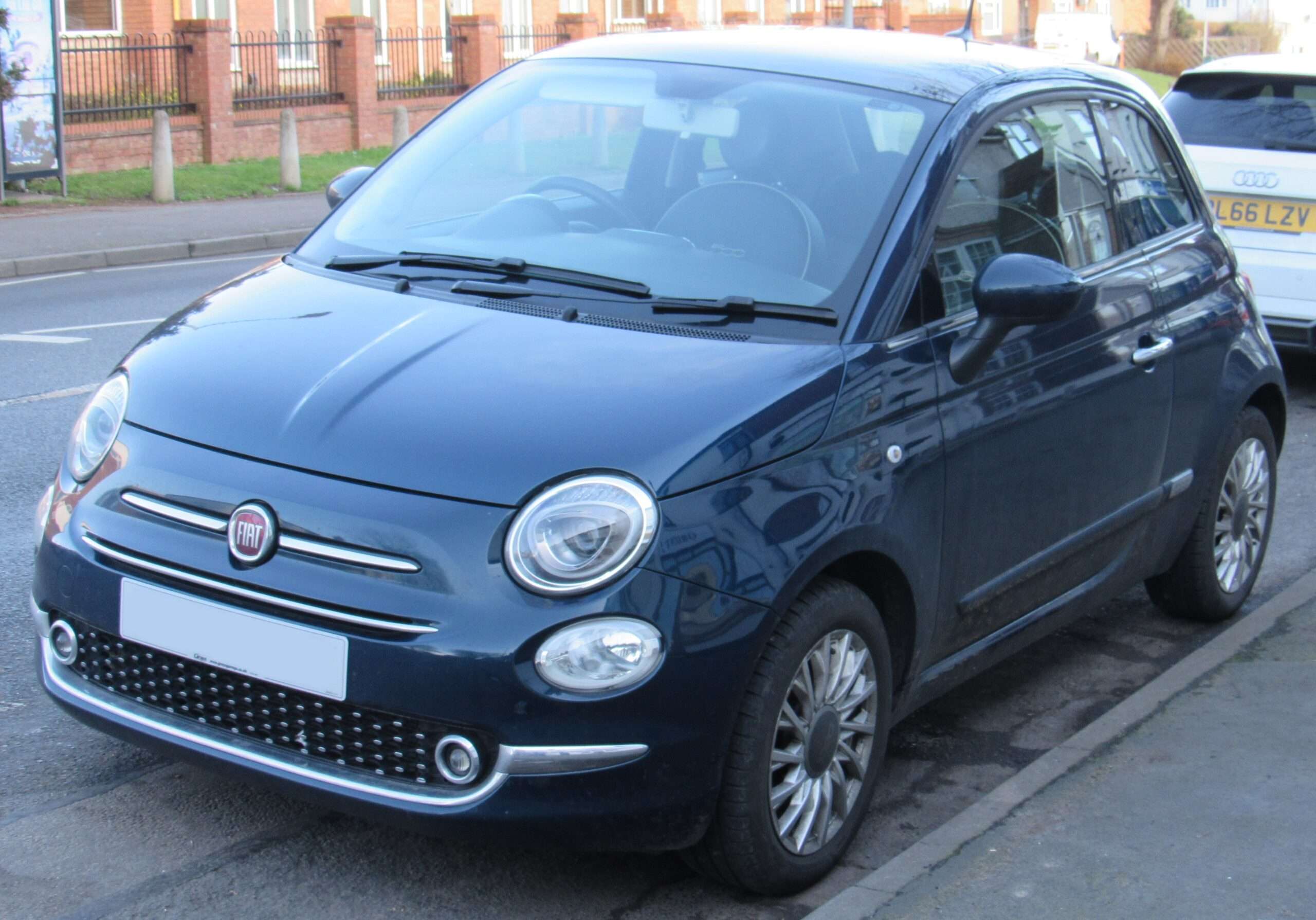
The Fiat 500 1.2 petrol offers familiar styling, compact dimensions and an unusually broad used-car choice. A good example makes an appealing small everyday car. A tired example can conceal a collection of modest jobs which together cost more than the apparent saving. Buying well means looking beyond the colour, wheels and trim badge.
This guide covers the 2007-on 312-generation 500 and fabric-roof 500C with the naturally aspirated 1,242cc FIRE engine, including the 2015 facelift. It does not treat the TwinAir, diesel, Abarth, later 1.0 mild hybrid or battery-electric 500 as mechanically interchangeable. Check the actual engine and build specification, particularly on cars registered around a changeover.
Affiliate disclosure: purchases through qualifying eBay links may earn us commission at no additional cost to you. Search results can contain incompatible parts; confirm fitment by VIN, engine and component references.
The buying verdict
Start with a well-maintained 1.2 manual hatchback unless you specifically need Dualogic or want the 500C roof. The manual offers the simplest starting point. A 500C can be enjoyable, but a troublesome roof is a separate repair proposition. Dualogic is a robotised manual, not a conventional torque-converter automatic: understand its operation and assess it cold and hot.
Put sound structure, steering, cooling, clutch operation and maintenance evidence ahead of a special-edition badge. Ask what needs doing immediately and price complete fitted jobs. A set of tyres, overdue belt work and a missing key can absorb a large proportion of a budget 500’s value without producing a dramatic warning on a short test drive.
Which Fiat 500 1.2 should you buy?
The 1.2 FIRE engine
The ordinary 1.2 is a naturally aspirated four-cylinder petrol with a toothed timing belt. Fiat’s 2015 UK specification lists 69hp and a five-speed manual or five-speed Dualogic. Its appeal is accessible performance and a relatively straightforward mechanical specification, rather than the acceleration of an Abarth or the character of a TwinAir.
Try a hill, a safe faster-road junction and your usual passenger load before deciding the performance suits you. Hesitation or misfiring needs investigation; ordinary modest acceleration is a different matter. A test on a flat street with only the driver aboard tells you little about whether it will suit a regular loaded commute.
Do not choose parts from the word petrol alone. A TwinAir service kit, later hybrid oil specification or Abarth brake set can appear in a broad 500 search. Ask a supplier to confirm engine, year, transmission and OE references before ordering, especially when the advertised kit spans several Fiat models.
Pre-facelift versus the 2015 update
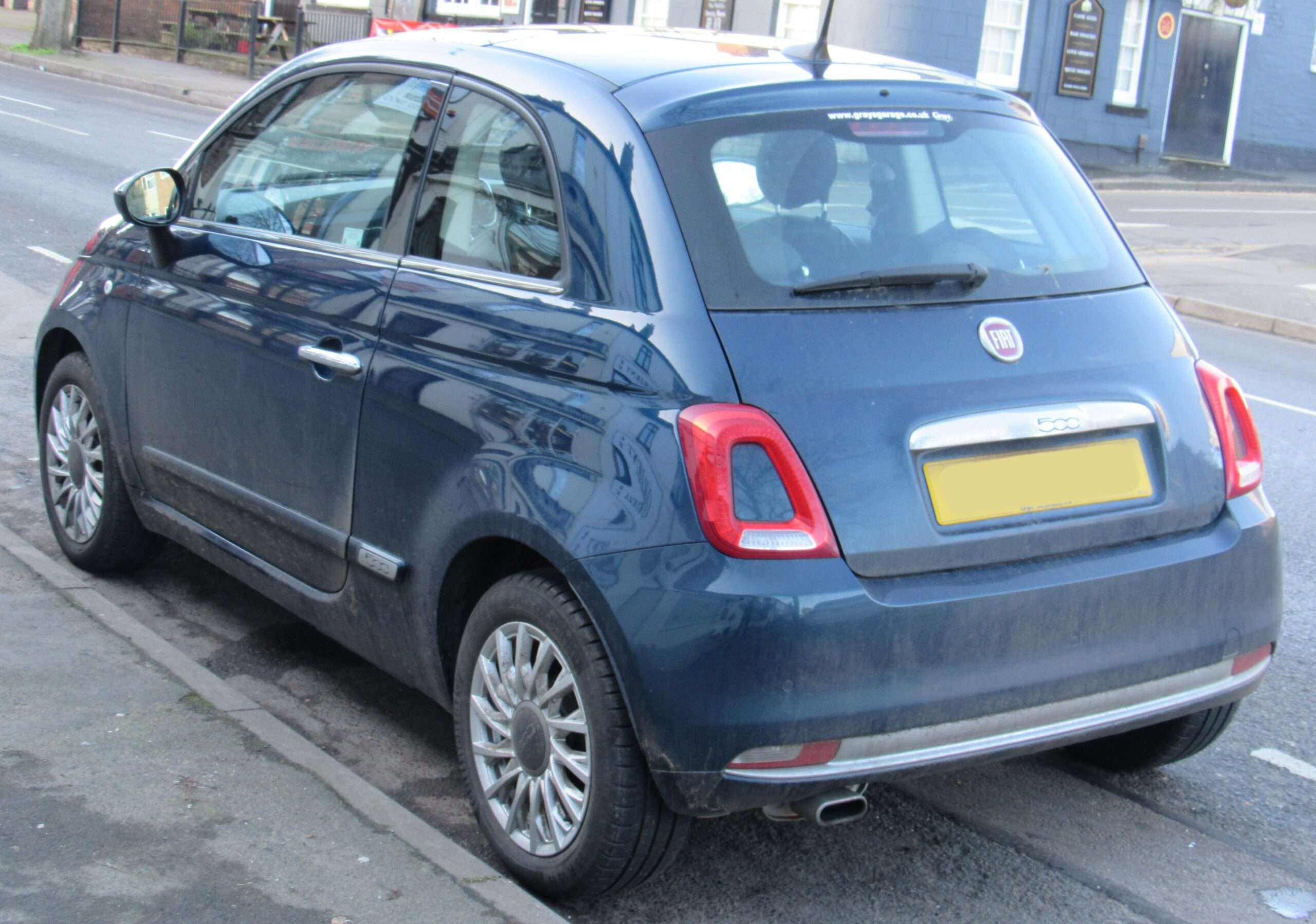
The facelift changed lights, bumpers, cabin details and infotainment choices, but an updated appearance does not establish a complete equipment list. Fiat’s launch material distinguishes the basic radio from touchscreen and navigation options. Demonstrate the functions on the actual car; a screen or a Bluetooth logo does not prove modern smartphone mirroring.
Earlier cars can represent good value if condition and maintenance are sound. Later registration is not a substitute for a dry interior, good tyres and a healthy clutch. Inspect accident repairs carefully where a car has cosmetic parts which do not match its age or declared specification. A documented conversion is different from an unexplained identity mismatch.
Pop, Lounge, S and special editions
Trim changes over the production run. Establish whether the actual car has air-conditioning, a fixed glass roof, an opening sunroof, split rear seats, parking sensors and the phone functions you need. Some equipment was optional, and special-edition names often add appearance features rather than a different drivetrain.
A fixed glass roof is not the same as an opening roof or a 500C. Try the blind and inspect the glass, seals and headlining. On a sporting-looking S, consider wheel condition and tyre cost as well as appearance. Matching the individual specification matters more than assuming every example with that badge has identical equipment.
500C: a separate inspection commitment
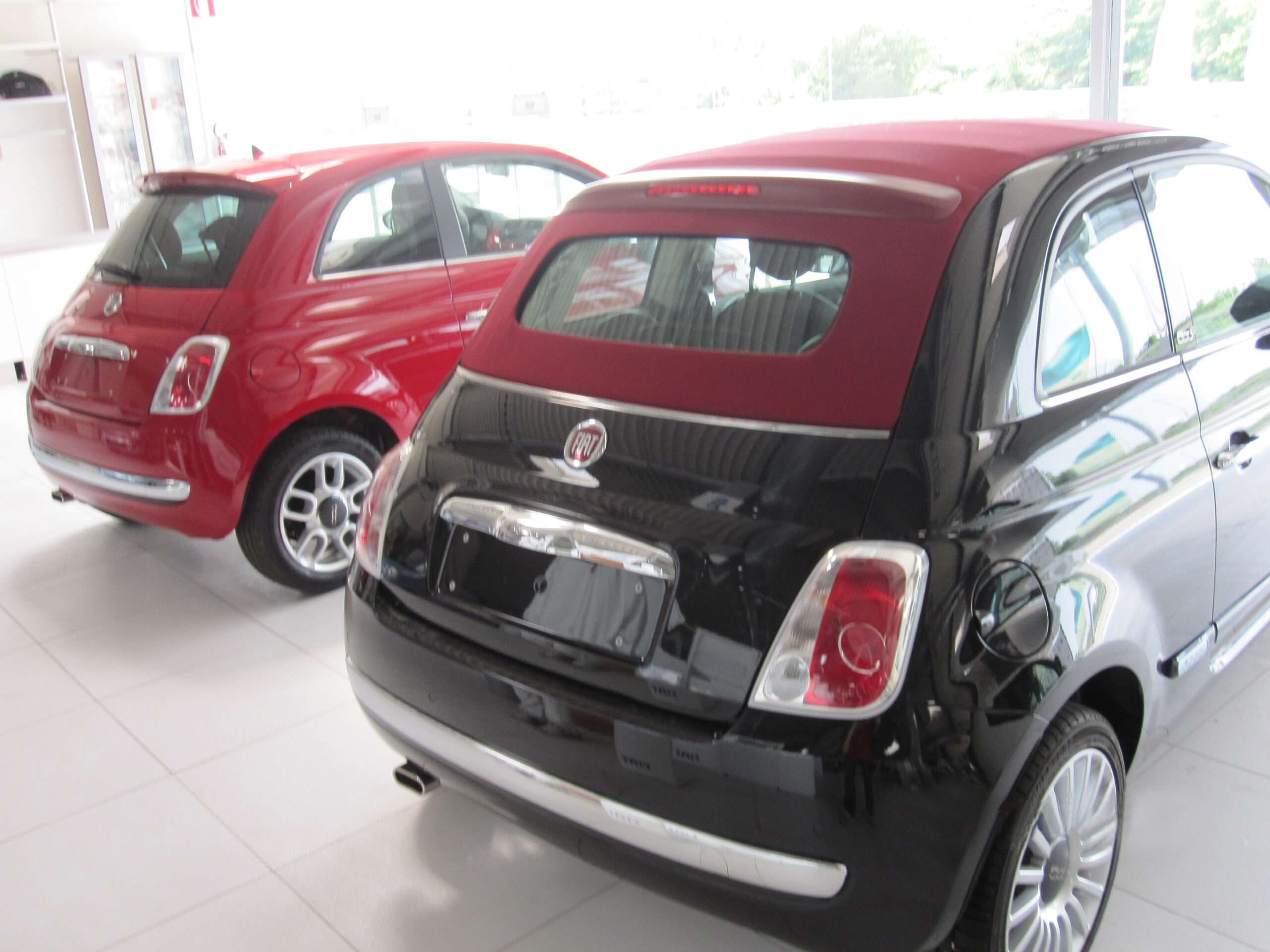
The 500C’s fabric roof preserves side structures rather than turning the car into a fully open roadster. Before paying extra, decide whether the opening and boot access suit your use. Bring normal bags or a buggy and try the loading opening, rather than assuming hatchback practicality carries over unchanged.
See the roof operate through its permitted positions on level ground, following the handbook. Listen for uneven movement or grinding and check that the fabric folds evenly. Inspect the rear glass, fabric edges, seals, staining and boot area. Stop if the mechanism struggles; forcing it can worsen damage. A promise that it only needs resetting is not a diagnosis.

Manual or Dualogic?
Five-speed manual
The manual is the sensible default for a buyer who does not need automated shifting. Judge clutch take-up, pedal effort, all ratios and reverse with the car cold and fully warm. City use can create clutch and linkage wear at relatively low mileage. One owner and a small odometer reading do not establish mechanical condition.
Repeated crunching, jumping out of gear, dragging or clear slipping under sensible load needs a workshop assessment. A high bite point alone does not tell you the complete repair scope. Do not perform abusive stall tests at a viewing. Ask whether an estimate includes release parts, seals or associated work which inspection shows necessary.
Dualogic robotised manual
Dualogic automates a manual gearbox and clutch. Its low-speed behaviour differs from a conventional automatic. If you are unfamiliar with it, drive a healthy example as a comparison and read the operating instructions. A characteristic pause during a shift should not be confused with persistent shudder, refusal to engage or a warning.
Test starting, drive and reverse selection, stop-start traffic, a safe hill and warm parking. Check for unexpected neutral selection, repeated warning messages or substantial delays. Ask for invoices describing the actual fault, diagnosis, parts and calibration rather than accepting a statement that the gearbox has been serviced.
A fluid top-up, battery change or fault-code reset is not proof that an actuator or clutch problem has been resolved. Have a specialist distinguish clutch wear, electrical supply, hydraulic and control issues before buying a faulty example. Avoid pricing every warning as the cheapest component advertised online.
UK prices: build a realistic shortlist
The live UK market spans inexpensive older cars through later, lower-mileage examples and 500Cs. During our market check, asking examples included a 2014 1.2 Lounge at £3,250 with about 50,000 miles, a 2016 Lounge at £5,495 with around 40,000 miles and a 2019 S at £5,499 with roughly 89,000 miles. Those are individual advertisements, not completed-sale values, a condition guarantee or a valuation range for every 500.
Ignore auction bids when comparing them with fixed asking prices. Exclude spares/repair cars, recorded damage and incorrectly included 500L or 500X advertisements unless those are genuinely your intended purchase. A search headline can substantially overstate the number of suitable cars.
Build three comparable candidates by year, engine, gearbox, body type, mileage and preparation. Then add the cost of known work, transport, insurance and a reserve. A documented, mechanically sound older manual may be a stronger purchase than a newer special edition with uncertain maintenance. Price the missing evidence rather than filling it with optimism.
Documents and questions before travelling
Request the registration, exact engine and gearbox, service invoices, key count and a description of known faults. Ask to see a genuinely cold start. Check MOT mileage progression and repeated advisories against the seller’s account of ownership. A car which repeatedly needs the same brake or tyre attention deserves a closer look at maintenance.
Compare VIN, V5C and seller entitlement, and complete appropriate finance/history checks before payment. Resolve identity discrepancies independently. An attractive price does not compensate for uncertainty over ownership or structural repairs. Ask Fiat to check open recalls or campaigns by VIN: an MOT and a clear dashboard do not prove completion.
For a claimed belt change, request a dated invoice showing mileage, vehicle identity and work scope. A sticker or handwritten note is weaker evidence. Establish whether the tensioner and water pump were dealt with where appropriate and what warranty applies. Do not assume a service stamp includes scheduled belt work.
Check both keys in the car. A key that starts the engine but has a failed remote is not equivalent to two fully functioning keys. Confirm the locking-wheel key and tyre-repair equipment too. Put agreed dealer preparation in writing, with the work and documentary evidence required before collection.
Fiat 500 inspection checklist
Cold start and warning lights
Confirm the engine is cold, then observe the normal warning-light checks and start without excessive throttle. Listen for persistent abnormal noise and assess idle, exhaust smoke and responsiveness. Investigate misfiring, repeated stalling or an engine warning rather than accepting a pre-arranged explanation about old fuel or a cheap sensor.
A recently cleared code can return later. Where a symptom is present, ask for a diagnostic report interpreted alongside mechanical checks. Do not treat a scan result as a complete health certificate. Stop for serious oil-pressure or temperature warnings; arranging an inspection is preferable to driving a questionable car home.
Cooling system and oil leaks
Check safe cold levels and accessible areas for staining, wet joints or signs of recurring top-ups. Never open a hot pressurised cooling system. Ask directly about overheating, coolant loss and previous repairs. A new thermostat or reservoir is useful evidence only when the original cause has been resolved.
Watch temperature behaviour and cabin heat during the road test, then check for new smells or leaks afterwards. Oil around a joint may have a manageable cause, but location and access determine the bill. Obtain an itemised diagnosis instead of assuming every leak needs only a cheap gasket.
Steering and City assistance
Try the steering’s assistance modes normally and check for warning lights, inconsistent effort or binding. An electrical supply issue can affect many functions, but it is not an excuse to buy a steering fault without diagnosis. Test on a safe route and do not hold the wheel hard against full lock.
Assess straight-ahead tracking and return behaviour. A pull, knock or vibration can involve tyres, alignment or worn components. Price the cause rather than assuming a tracking adjustment will resolve every symptom. Inspect wheel damage alongside any evidence of a heavy kerb impact.
Suspension, brakes and underbody
Listen over ordinary rough surfaces and speed humps taken at sensible speeds. Inspect springs, dampers and accessible bushes for damage or leakage. A tidy exterior can hide corroded suspension parts or poor lifting repairs. Age and road exposure matter even when the cabin looks barely used.
Brake progressively when safe and assess pulling, judder and inconsistent effort. Check parking-brake operation normally. Identify the actual disc dimensions and rear arrangement before buying parts; Fiat’s facelift specification is not proof of the components fitted to every older car. Sticking mechanisms can make a simple pads quote incomplete.
Arrange a lift inspection where corrosion, damage or history raises concern. Check structural mounting areas, sills, jacking points, brake pipes, exhaust and leaks. Fresh underseal should prompt questions about what lies beneath. Never crawl under a car supported only on a jack.
Body repairs, handles and tailgate
Look for mismatched paint, uneven gaps, disturbed fasteners and poor seam repairs. Check doors, handles and tailgate repeatedly rather than only once. Inspect lamps for moisture and cracked mountings. A smart wrap or polished paint should not distract from lifting damage or a distorted load floor.
Open the boot and look below the floor for damp, staining and repaired metal. Check the wiring and operation of rear lights, wiper, demister and boot release. An intermittent tailgate function needs tracing before agreeing that only a switch is responsible.
Cabin electrics and infotainment
Test windows, locks, mirrors, ventilation, air-conditioning and steering-wheel controls. Pair your phone while stationary and make a test call where practical. Older Blue&Me and later Uconnect installations differ, and an aftermarket screen may not preserve every original function.
Check the car locks and settles normally after use. A persistent battery-drain complaint needs diagnosis, not an assumption that a new battery finishes the job. Ask for repair evidence where connectivity equipment has been removed or replaced. Test air-conditioning cooling; only-needs-gas claims are not confirmed repair scopes.
500C roof and water entry
Inspect fabric folds for abrasion, tears and signs of rushed repairs. Check the rear screen area, headlining, carpets and boot after opening and closing the roof. Look for musty smells and staining, but remember a dry viewing cannot prove a leak-free roof. Ask whether it has been water-tested after repairs.
For a hesitant or uneven roof, obtain a specialist assessment before purchase. Cables, guides, mechanism parts and fabric work are distinct jobs. A small advertised repair kit should not be used as the full allowance for an unexamined roof problem.
Warm test and final decision
Include enough driving to warm the engine and transmission, then repeat selection, parking and restart checks. Revisit warning lights and look for new leaks or smells safely. Some faults appear only once hot; a five-minute circuit is particularly weak evidence for a Dualogic car.
Write findings down away from sales pressure. Divide them into predictable wear, maintenance due and unresolved faults. Negotiate predictable work against a full fitted quote. For overheating, substantial gearbox symptoms or structural concerns, pause for diagnosis or choose another car.
Love cars you don’t see every day?
Get forgotten cars, surprising motoring stories and the most interesting finds from Unusual Cars by email.
Free to join. No spam. Unsubscribe whenever you like. See our privacy policy.
Maintenance and UK fitted costs
Establish the correct service baseline
Use the handbook and a Fiat VIN-specific schedule to establish time and mileage limits. Ask which oil approval, quantity, filter and plugs apply to your engine and production date. A bottle marked with the correct viscosity is not the whole specification, and a universal 500 kit may mix the FIRE, TwinAir and later hybrid engines.
Separate oil and filter work, air and cabin filters, spark plugs, brake fluid, cooling-system needs and scheduled belt work. An inexpensive oil change is not necessarily a complete scheduled service. Ask the workshop what is included, what is due additionally and how the work will be recorded. Preserve invoices as well as any service-book stamp.
Timing belt and water pump
The 1.2 FIRE uses a belt; do not apply TwinAir chain advice. Confirm the current interval and any severe-use provisions for the individual car with Fiat. We do not recommend relying on one internet mileage figure for every year and service regime. If replacement history cannot be established, obtain a full belt-job quote before agreeing the purchase budget.
Ask the workshop to specify belt, tensioning components, water-pump scope, coolant, auxiliary belt if due, labour and VAT. Check which seals or other items are additional only if diagnosis warrants them. A kit price online is not a fitted price, and a generic water-pump inclusion statement needs confirming on the written quote.
Published cost evidence
| Job or part | Published example | How to use it |
|---|---|---|
| 1.2 Lounge / Pop timing belt job | Fixter £252–£396 | Provider estimate range, not a quote for your registration. Confirm pump, coolant and VAT scope. |
| 1.2 S belt labour time | Fixter approximately 2h43m–3h20m | A published labour-time example, not a labour-only charge or universal booking time. |
| 1.2 belt and pump kit | eBay Gates example £58.46 before promotional discount | Parts only; supplier title identifies 169A4.000. Confirm the actual component references. |
| Manual clutch, steering fault or Dualogic repair | Diagnosis and itemised quotation | Require the full cause and associated work rather than pricing only the cheapest possible part. |
| 500C roof work | Specialist assessment and quote | Fabric, guides, cables and operating mechanism are separate scopes. |
The belt figures above come from the provider’s published model table; its broader headline includes other engines. Its page says pump replacement is included if necessary, so establish what the workshop will actually supply. Prices vary by location, car and scope. No labour-only price has been invented by subtracting an unrelated parts kit from a fitted estimate.
For any job, ask for parts, labour, VAT, diagnosis, fluids and disposal charges separately where relevant. Agree customer-supplied parts in advance: some workshops will decline them or limit responsibility. Do not add an eBay belt kit to a fitted belt price unless the quote explicitly excludes parts, because that would double-count them.
Fiat 500 1.2 service-parts table
These searches open eBay UK with campaign 5339238906. They are comparison starting points, not a guarantee that every result fits. Specify 1.2 FIRE, transmission and build details; check brake sizes and electrical connections as well as the model name.
| Service part | Fitment and buying advice | eBay UK comparison |
|---|---|---|
| Oil and filter service kit | Confirm oil approval, fill quantity and kit contents. | Compare oil and filter service kit |
| Timing belt and pump kit | Match engine code and included tensioning parts; obtain fitting advice. | Compare timing belt and pump kit |
| Spark plugs | Correct plug reference and four-cylinder set; do not substitute TwinAir plugs. | Compare spark plugs |
| Air filter | Match the actual airbox and engine. | Compare air filter |
| Cabin filter | Confirm installation and dimensions before ordering. | Compare cabin filter |
| Auxiliary belt | Match engine and accessories; distinct from the timing drive. | Compare auxiliary belt |
| Front brake discs and pads | Verify diameter and specification on the actual car. | Compare front brake discs and pads |
| Rear brake shoes and hardware | Establish whether shoes, drums or sticking mechanisms need attention. | Compare rear brake shoes and hardware |
| Battery | Match stop-start requirement, technology, size and rating. | Compare battery |
| Alternator | Check output, pulley, connector and exchange surcharge. | Compare alternator |
| Manual clutch kit | Confirm gearbox and release arrangement; not a Dualogic diagnosis. | Compare manual clutch kit |
| Wiper blades | Check lengths and attachments; inspect the rear arm too. | Compare wiper blades |
Hidden ownership costs
Accumulated small-car neglect
An inexpensive 500 can need tyres, a belt baseline, a battery, brakes and a key at the same time. None is individually surprising on an older car, but the total can make a cheaper advert the expensive choice. Build an immediate-work list from inspection and invoices before considering cosmetic changes.
Separate maintenance now due from problems awaiting diagnosis. A tyre can be specified and quoted; intermittent steering assistance or unexpected neutral selection cannot sensibly be reduced to a fixed allowance for the cheapest suspected component. Retain a reserve even when preparation has been agreed.
Wheel and tyre choices
Inspect the whole set for correct size and rating, sidewall damage, age and uneven wear. Attractive optional wheels can change replacement costs and ride quality. Include fitting, valves, balancing and disposal when comparing tyres. An advertised tyre price alone is not the final invoice.
Check alignment only after worn or bent components have been addressed. New tyres on a car which still pulls may conceal the symptom temporarily without fixing the cause. Ask why tyres were replaced recently and look at available alignment or suspension invoices.
Roof premiums and repair exposure
With the 500C, budget for roof care and specialist assessment in addition to ordinary servicing. A car bought for sunny-day use can still develop leaks or mechanism trouble while standing. Check permitted operation, fabric condition and water entry before buying; do not treat cosmetic cleaning as a remedy for an operating fault.
For the hatchback, distinguish fixed glass from an opening sunroof. Test any moving roof and blind and inspect drainage/seal areas accessible without dismantling. The presence of glass in the roof does not mean the whole mechanism is the same as a 500C.
Connectivity, batteries and charging
An ageing phone module, an aftermarket installation or a persistent drain can complicate ownership. Ask whether a battery replacement addressed a tested battery failure or merely a symptom. A competent electrical diagnosis should include the actual use pattern and any accessories which remain powered.
Check all original and replacement audio functions while parked, including calls and steering controls. Do not order a used module solely because its casing looks identical. Part numbers, configuration and installation requirements can matter, and seller return terms do not establish compatibility.
Insurance, tax and preparation promises
Obtain registration-specific insurance and tax information before payment. A low advertised tax claim may reflect an old regime or simply be wrong for this car. The quoted insurance group does not determine an individual driver’s premium. Declare modifications and check the correct engine and trim on the proposal.
Dealer preparation is valuable when the scope is written down. Define the service, repair and evidence you expect before collection. A new MOT is not an undertaking to complete all maintenance or repair every internal mechanical issue. Read any warranty’s limits and authorisation rules separately.
A practical viewing sequence
- Before travelling: request registration, invoices, gearbox confirmation, key count and a cold start. Check history and insurance, then decide whether the specification suits you.
- Stationary inspection: compare identity, body repairs, tyres, cold fluids, cabin damp and controls. On the 500C, allow enough time for the roof rather than treating it as a quick novelty.
- Cold-to-hot road test: assess clutch or Dualogic operation, steering assistance, brakes, temperature behaviour and realistic performance. Use a suitable insured driver.
- After driving: restart, repeat parking/selection checks and look safely for new leaks or warnings. Review the paperwork against what you observed.
- Before committing: obtain diagnosis for uncertain faults and itemised fitted quotes for agreed work. Confirm identity/finance checks and seller entitlement independently.
If you cannot assess structural or gearbox concerns, use a qualified inspection. It is better to pay for understanding before purchase than to discover that a plausible explanation was never tested. Do not let a small deposit or scarcity claim rush an unresolved issue.
First-month ownership plan
Give the records to your chosen workshop and establish the correct baseline. Prioritise safety defects, diagnosed faults and maintenance due. Keep a record of safe cold fluid levels, tyre pressures, mileage and any top-ups under comparable conditions. Recurrent coolant loss or a new warning needs investigation rather than waiting for the next routine service.
Learn the controls, phone system and roof instructions while parked. Confirm the spare-wheel or repair-kit contents, locking-wheel key and both keys. Retain itemised invoices with mileage and fluid specifications. Good records make future maintenance easier and help establish the car’s history when selling.
Fiat 500 1.2 buying questions
Is the ordinary 1.2 a better buy than a TwinAir?
It is our starting point for someone seeking a straightforward small petrol car, provided its performance suits the route. The TwinAir is a different engine with different maintenance considerations. Compare sound examples rather than choosing a neglected 1.2 simply because of its reputation.
Is Dualogic a normal automatic?
No. It automates a manual gearbox and clutch. Learn its expected behaviour and assess it cold and fully warm. Repeated warnings, substantial shudder or refusal to engage need specialist diagnosis; they should not be dismissed as normal automated-manual character.
Does a new MOT prove the belt has been changed?
No. Request an invoice and check the service schedule separately. A roadworthiness test does not establish scheduled timing work, oil specification or a full mechanical assessment. If history cannot be verified, budget against a proper quote.
Should I pay more for a 500C?
Only if you want the roof, accept the loading compromise and have checked operation and water entry thoroughly. The premium should buy a functioning, suitable car rather than an unexamined roof project. Obtain specialist advice for hesitation, uneven folding or leaks.
Are special editions mechanically better?
A special badge often denotes styling and equipment. Check actual engine, transmission, maintenance and condition first. Missing unique trim can be awkward to replace, so include completeness in the viewing without allowing appearance to displace mechanical evidence.
What would make us stop the purchase?
Unresolved identity issues, concealed structural damage, overheating, substantial steering or gearbox faults, or refusal of a reasonable inspection. Predictable wear can be priced; uncertain major faults require understanding before they become your responsibility.
Our recommendation
Buy the best documented 1.2 manual hatchback that meets your needs, with enough money left for maintenance. Choose Dualogic or a 500C deliberately and inspect their additional systems properly. A simple colour and ordinary wheels on a sound car are usually a better foundation than an impressive trim badge masking deferred work.
Fiat 500 & 500C 1.2 cars for sale
Compare current asking prices, then verify the generation, engine, history and condition of each advertised car. Results can include incorrectly described vehicles.

Love cars you don’t see every day?
Get forgotten cars, surprising motoring stories and the most interesting finds from Unusual Cars by email.
Free to join. No spam. Unsubscribe whenever you like. See our privacy policy.