A used Ford Kuga Mk2 2.0 TDCi can be a convincing family workhorse: comfortable on a long journey, useful for passengers and luggage, and widely supported by UK parts suppliers. Its appeal is strongest when you need a diesel SUV for regular substantial journeys, rather than a high driving position for a few short trips each week.
There is more to choosing one than finding a Titanium with a tidy interior. Manual versus PowerShift, front-wheel drive versus AWD, engine and emissions specification, maintenance history and evidence of towing all affect the buying risk. A complete gearbox invoice or a matching set of suitable tyres can be worth more than an attractive trim badge.
This guide covers the second-generation Kuga’s 2.0 TDCi diesel. It does not apply the same advice to the first-generation Kuga, Mk3 hybrids, petrol EcoBoost engines or every later EcoBlue application. Establish the engine and transmission from the VIN before using any service interval or ordering parts.
Our recommendation: choose a standard car with verifiable servicing and an independent inspection. A good manual front-wheel-drive example is a sensible starting point where AWD is unnecessary. Consider PowerShift and AWD deliberately, with evidence of the additional maintenance and a proper hot-and-cold road test.
Which Kuga Mk2 2.0 TDCi should you buy?
The Mk2 range changed through production, including facelift styling, equipment and engine/emissions combinations. Registration year alone cannot resolve every specification. Get the engine code, gearbox details, build information and drivetrain confirmed before comparing a service bill or a replacement component.
| Choice | Why consider it? | What to inspect |
|---|---|---|
| Manual front-wheel drive | A sensible way to avoid paying for traction you do not need. | Clutch, dual-mass flywheel, engine history and actual gearbox condition. |
| PowerShift | Convenient for traffic, longer trips and some towing use. | Correct transmission identification, oil/filter records and cold/hot operation. |
| AWD | Extra traction for appropriate routes and conditions. | Rear driveline operation, leaks, tyre compatibility and maintenance. |
| Pre-facelift | Can offer attractive value where condition is strong. | Age-related work, earlier equipment and vehicle-specific emissions status. |
| Facelift | Different styling and equipment may appeal. | Do not treat the facelift as evidence that all mechanical risks disappear. |
| High trim / large wheels | Useful options and a more substantial appearance. | Tyre and wheel costs, panoramic-roof condition and whether every feature works. |
Try the car as a family vehicle rather than judging it from photographs. Load your pushchair or usual luggage, fit a child seat if relevant, and check rear-seat access. Sit behind your own driving position and assess the boot opening and load height. An SUV outline does not establish that a particular cabin works for your passengers.
For an owner doing mainly short urban journeys, the diesel’s advertised economy may be the wrong starting point. Consider DPF operation, warm-up time, clean-air access and the actual mileage you will cover. A cheaper diesel can become an expensive choice if its use repeatedly creates emissions-system problems.

Comparing asking prices and history
Compare the same engine, gearbox, drivetrain, body generation and age band. A low-mileage AWD automatic with no transmission records is not directly equivalent to a better-documented front-wheel-drive manual. Separate dealer and private adverts and read warranty terms rather than comparing only the headline figure.
Ask for invoices before travelling. Check dates, mileage, oil details, belt work and any gearbox or AWD servicing. A collection of stamps can be useful, but it rarely explains whether a particular filter or fluid was included. Contact the named workshop with the seller’s permission where an expensive recent repair is important to the decision.
Do not publish a value judgement from asking prices alone: adverts do not establish completed sales. For your own shortlist, add identified catch-up work to each asking price and keep a reserve. The most expensive-looking car may offer the lowest first-year cost if the evidence supports the premium.
Engine checks: belt history, oil, cooling and emissions
Timing belt: use the 2.0 TDCi’s own requirements
Check the current Ford maintenance requirements for the actual VIN and engine. Do not import a 1.0 EcoBoost wet-belt package or a later EcoBlue recommendation simply because the seller calls every Ford diesel the same thing. Ford’s timing-belt information explicitly says lifespan depends on usage and engine type and directs owners to the relevant manual.
Ask for an invoice identifying the vehicle, date, mileage and components. Establish whether the work included the correct belt kit, tensioners, rollers, water pump where appropriate, replacement hardware and coolant. Ford explains why combined belt/pump replacement can make sense on relevant applications; confirm the actual engine’s layout and required scope with the workshop.
A Kuga-specific belt-and-pump search returned branded kits advertised around £99–£120 during our check, alongside cheaper and incompatible alternatives. That is a changing parts-only example, not a fitted quote or proof that one kit fits every Mk2. Match engine code and original part details, and compare complete contents rather than choosing from the first price.
Missing belt evidence is a cost and timing question to resolve before purchase. An external visual check cannot certify the age or remaining life of the timing drive. If the seller says it was done “by the previous owner”, ask for the workshop’s record or price the car on the basis that the work remains unverified.
Cold start, oil and coolant
Arrange to see the engine cold. Check fluid levels safely, look for staining and leaks and watch the warning lamps during start-up. Persistent rough running, excessive smoke, prolonged cranking or abnormal mechanical noise needs diagnosis. A warmed engine when a cold start was agreed reduces the information available to you.
Read oil invoices for the correct Ford approval and quantity for that engine, not just a familiar viscosity. Long gaps, unexplained top-ups or repeated warnings need discussion. Inspect accessible hoses and joints, and use a lift to assess what the undertray conceals. Cleaning the engine before sale is not proof of a leak, but it makes a post-drive inspection more valuable.
Check the coolant only when cold. Ask about loss, overheating, cabin-heater changes and previous repairs. During a normal road test, monitor stable temperature and heat from the vents. Do not open a hot system; ask the workshop to pressure-test and diagnose any unexplained loss. A water-pump estimate is not a diagnosis of every cooling fault.
DPF, EGR and turbo: investigate the system
The diesel particulate filter needs operating conditions that allow normal regeneration. Repeated short trips, cooling faults, sensor problems or other engine faults can interfere. If a seller says a warning “only needs a run”, insist on a diagnosis rather than undertaking a speculative long drive after purchase.
Use a Ford-capable scan before and after the test drive. Ask the inspector to interpret stored and pending faults, relevant temperatures, differential pressure and regeneration information where available. Numbers need context: a single soot estimate or a cleared fault list cannot certify the complete emissions system.
Test for consistent response under normal safe acceleration. Limp mode, surging, unusual whistling, oil smoke or poor boost can have several causes. Hoses, control systems, sensors and the turbo itself need assessment. Replacing the most expensive part without identifying the cause is not a sensible buying or repair strategy.
Ask about EGR repairs and whether the underlying cause of recurring problems was addressed. Avoid accepting emissions-removal claims as an upgrade. A current MOT does not demonstrate every aspect of emissions-system condition, nor does it guarantee that the car will suit your future use.
Recalls and clean-air access
Check the actual registration and VIN through official recall and MOT services, then ask Ford to confirm outstanding campaigns. Some well-publicised Kuga issues concern different engines or generations; they should not be assigned to every 2.0 TDCi. Equally, an old recall receipt does not establish that no later action applies.
Check the registration’s emissions class and the official result for the clean-air zones you use. Do not rely on a seller’s generic “Euro 6” field or assume every car registered in one year is identical. Tax and insurance also need a registration-specific check before buying.
PowerShift: the service history matters
PowerShift is a transmission brand name, not a reason to transfer every story about another Ford automatic to this Kuga. Confirm the actual gearbox code. The relevant wet-clutch PowerShift applications need their own specified fluid/filter maintenance; do not treat them as the dry-clutch gearbox fitted to some other Ford models.
Ask for invoices naming the transmission fluid, filter, date and mileage. An engine service stamp does not prove the gearbox was serviced. Confirm the applicable interval and procedure with Ford’s vehicle-specific schedule and the workshop; a generic internet interval is not enough where engine, transmission and use differ.
Test cold and hot. Check forward/reverse engagement, slow manoeuvres, gentle acceleration, normal changes and steady cruising. Repeated shudder, hesitation, slipping, harsh engagement or a transmission warning needs a specialist assessment. A fluid/filter change is maintenance, not a guaranteed cure for clutch, hydraulic or control faults.
Ask what happens if diagnostic findings show a larger repair is needed. A service quotation, clutch repair, mechatronic repair and replacement gearbox are different scopes with different warranties. Get the complete fitted price and exclusions in writing. Do not accept an inexpensive oil-change quote as reassurance about an undiagnosed transmission.
Manual clutch and flywheel
Test smooth take-up, selection including reverse, and behaviour under normal load. Engine speed rising without matching road speed suggests slip; vibration or noises changing with clutch position require investigation. A dual-mass flywheel and hydraulic parts may add to a clutch job, but should be included on the basis of diagnosis and the actual gearbox.
For a car used for towing, ask how often, what was towed and whether the work was within the vehicle’s limits. Heavy use is not automatically a reason to reject a sound car, but it makes maintenance, clutch, cooling and brake evidence especially important. A towbar alone cannot tell you the history.
AWD is useful only if it works properly
Confirm front-wheel drive or AWD from the vehicle records and inspection, not the trim name. Have the transfer unit, propshaft and rear drive unit checked for leaks, noise and operation. A rear driveline that is not doing its job can be missed on a short dry-road demonstration.
Inspect tyre size, load/speed rating, brand/model compatibility and wear across all four corners. Follow Ford’s approved combinations rather than assuming four tyres with roughly similar tread are sufficient. Investigate vibration, binding, warning messages and mismatched tyres before purchase.
Use a workshop familiar with the actual system for servicing advice. A coupling service from another brand’s SUV is not automatically the correct Kuga procedure. Request the specified fluids, access requirements and scope instead of ordering a generic “4×4 service kit”.
Suspension, steering and brakes
A family SUV can accumulate kerb, pothole and school-run wear without looking neglected. Inspect spring condition, dampers, bushes, ball joints and wheel bearings. Clunks, a wandering steering feel or uneven tyre wear need the cause identified before paying for alignment.
Look at the inside of wheels and tyre shoulders, not just the visible sidewalls. Larger wheels can be costly to straighten or replace and may reduce ride comfort. Test the car on an ordinary road surface at an appropriate speed and compare it with another example if the ride seems unusually harsh or unsettled.
Check braking stability, vibration, disc condition on both faces and parking-brake operation. A pad warning or scraping noise can conceal caliper or disc work. Match the brake specification before ordering components. Towing use can increase the importance of a thorough brake inspection, but it does not justify guessing that every component is worn out.
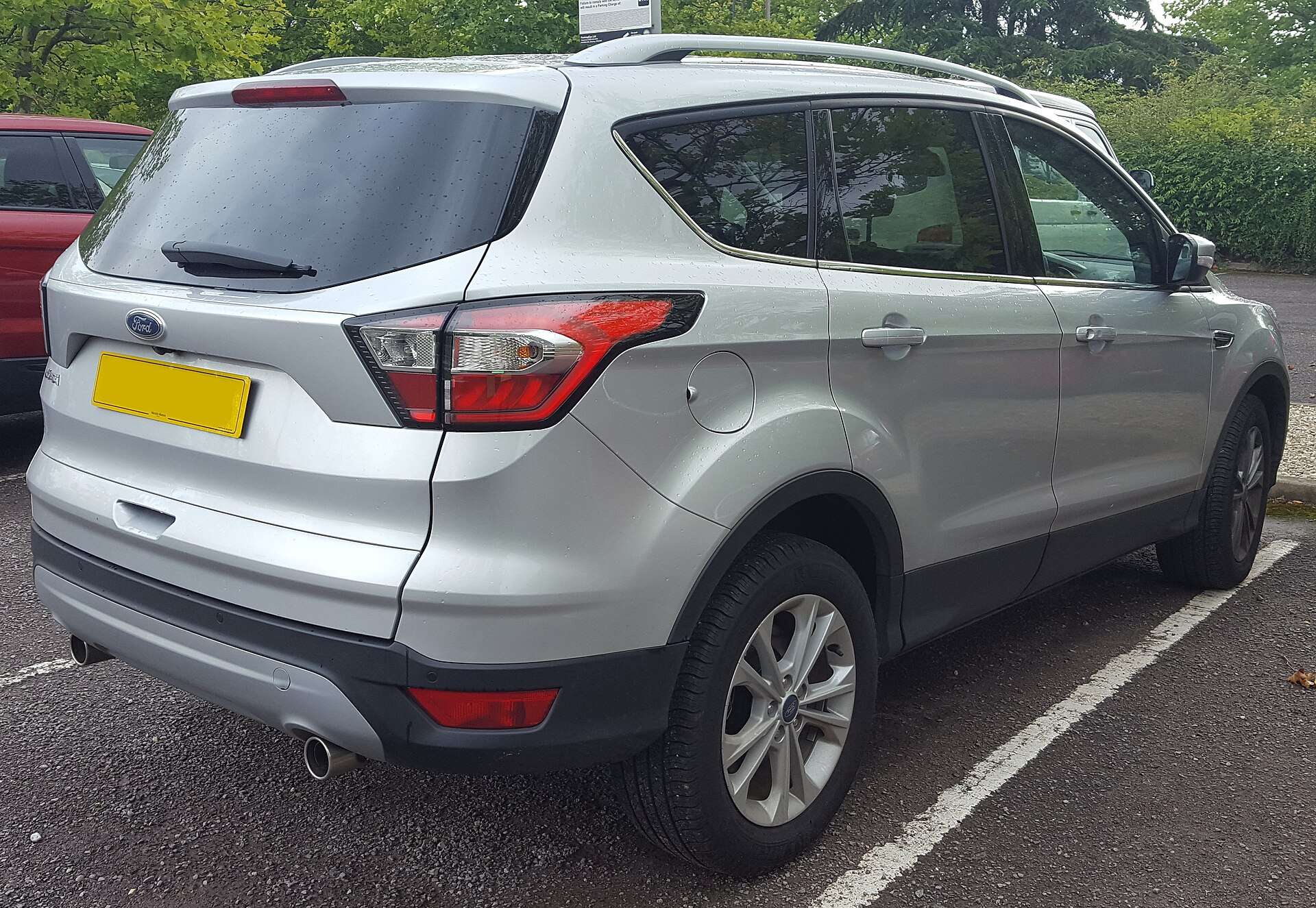
Towing checks before buying
Read the VIN plate and relevant Ford documentation, confirm the car’s permitted masses and ensure your licence and intended trailer combination are suitable. We do not assign one universal towing limit to all Mk2 diesels. Check the towbar identification, mounting condition, electrics and any detachable mechanism and keys.
Look for damaged sockets, improvised wiring, corrosion and signs that body repairs affected the installation. Ask whether trailer stability or other relevant functions were correctly configured where required. Test the electrical connection with suitable equipment rather than relying on the seller saying it worked last summer.
Love cars you don’t see every day?
Get forgotten cars, surprising motoring stories and the most interesting finds from Unusual Cars by email.
Free to join. No spam. Unsubscribe whenever you like. See our privacy policy.
Cabin, roof, tailgate and family-use inspection
Test every key, lock, window, mirror and parking aid. Check the infotainment version, phone pairing, navigation where fitted and the physical controls. Early and later systems differ; a newer-looking screen does not prove that all original functions still work after a retrofit.
Operate climate control through fan speeds and temperature settings, including air conditioning. Test heated seats and windscreen equipment where fitted. A regas may be routine, but weak cooling can also mean a leak or another fault; obtain a diagnosis before treating it as a fixed small expense.
Inspect the headlining, panoramic-roof area where fitted, carpets and boot well for moisture and odours. Check seals and drainage condition without forcing debris deeper into drains. Water ingress can damage trim and electrical components, so separate an old resolved stain from an active leak.
Open and close the tailgate repeatedly using the correct controls. Where fitted, test powered and hands-free functions safely with space around the vehicle. Check boot trim, rear-seat folding and the parcel shelf. Missing small items add up, and a powered-tailgate fault may need more than a replacement switch.
Our Kuga Mk2 viewing checklist
- Before travelling: obtain registration, VIN, engine, transmission and drivetrain details. Request invoices for engine, belt and relevant gearbox/AWD work and agree a cold start and independent inspection.
- At arrival: match the car to its paperwork, inspect tyres and bodywork, check cold fluids and look for damp inside. Compare mileage with MOT and service records.
- Starting: watch the warning-light sequence, assess idle and listen for abnormal noises. Check that equipment and driver-assistance warnings clear normally.
- Driving: use a properly insured route with low-speed manoeuvres, normal cruising, braking and moderate acceleration. Test clutch or PowerShift behaviour cold and warm.
- Workshop: request a lift inspection and Ford-capable diagnostic report, including relevant emissions and transmission findings. Ask what could not be assessed.
- Before payment: obtain fitted quotes, confirm recall status and agree repairs in writing. Keep a reserve for items that require dismantling to diagnose fully.
Walk away or negotiate?
Unexplained oil-pressure or overheating warnings, serious transmission symptoms, emissions removal, undisclosed structural damage and refusal of reasonable identity or inspection checks justify walking away unless properly resolved. A discount does not make an unknown engine or gearbox bill predictable.
Ordinary tyres, servicing, brakes and cosmetic wear can be negotiating items when the underlying car is sound. Coolant loss, repeated DPF warnings, a non-working AWD system or intermittent electrical failures need diagnosis first. Negotiate from a defined repair scope rather than a seller’s optimistic guess.
UK maintenance costs: parts, labour and fitted estimates
The figures below are published ClickMechanic estimates, not binding quotations. Its tables group cars by capacity and year and do not fully identify every engine, drivetrain and gearbox. Confirm applicability to the actual Mk2 2.0 TDCi and obtain the complete VAT-inclusive quote before booking.
| Job and source application | Parts and labour evidence | Published fitted estimate / qualification |
|---|---|---|
| Full service: Kuga 2.0, 2013 | Parts £63–£96; labour 1–2 hours. Page lists engine oil, oil filter and air filter. | Independent £158–£176; franchise £243–£279. Fuel/cabin filters and transmission work are not established by that scope. |
| Clutch: Kuga 2.0, 2013 | Parts £277–£389; labour 4–7 hours. | Independent £534–£684; franchise £788–£1,029. Confirm exact manual gearbox and whether flywheel/hydraulics are extra. |
| Alternator: Kuga 2.0, 2014 | Parts £414–£497; labour 1–2 hours. | Independent £450–£498; franchise £573–£634. Charging diagnosis and exact unit must be confirmed. |
| Timing belt and pump | Branded eBay search examples around £99–£120 parts only; contents and engine fitment vary. | Obtain a VIN-specific fitted quote. The public ClickMechanic belt page did not provide a usable Mk2 2.0 estimate in our check. |
| PowerShift fluid/filter service | Correct fluid, filter, procedure and gearbox identity required. | Obtain an itemised quote; do not substitute a dry-clutch gearbox or engine-oil service price. |
| AWD service or repair | Identify the actual drive system and the diagnosed work. | Obtain a specific quote; routine fluid work and a failed unit are different scopes. |
Read the source pages for servicing, clutch replacement and alternator replacement. Their ranges are estimates based on source data and can differ from local quotations. The provider’s parts and fitted ranges are not paired line items from one invoice, so subtracting their endpoints does not produce a reliable hourly labour rate.
Ford also offers a registration/VIN-based service-price calculator. Use it to compare the actual car and location. For the belt and pump, request kit contents, coolant, hardware, labour, VAT and warranty. For an alternator, ask whether the pulley, diagnosis and any returnable exchange surcharge are included.
A sensible catch-up budget
If an eligible 2013 manual needed the listed service and clutch estimates, the two independent ranges add arithmetically to £692–£860. That does not include an unconfirmed flywheel, belt work, tyres, gearbox servicing or faults found during inspection. It is a worked comparison, not a prediction that every Kuga needs both jobs.
Start your own budget with written quotes for the actual findings. Add insurance, tax, tyres and a reserve for downtime. Do not add an entire service package twice if a larger job already includes the same fluids or filters. A properly documented car can justify paying more than one whose missing history leaves several large jobs unresolved.
Kuga Mk2 2.0 TDCi service-parts table
Affiliate disclosure: the links use eBay campaign 5339238906 and may earn commission on qualifying purchases. They open model-specific searches; results can contain incompatible parts. Confirm VIN, engine code, gearbox, original part numbers and supplier advice before buying.
| Service part | What to verify | eBay search |
|---|---|---|
| Oil and oil-filter kit | Correct Ford oil approval, quantity and filter application. | Oil/filter kits |
| Air and cabin filters | Engine housing and cabin-filter specification. | Air / cabin filters |
| Fuel filter | Engine-specific housing/connections and correct priming. | Fuel filters |
| Timing belt and pump | Engine code, complete contents and correct pump/hardware. | Belt/pump kits |
| Auxiliary belt / tensioner | Exact routing, pulleys and tensioner condition. | Auxiliary-drive parts |
| Alternator | Part number, output, pulley and connectors. | Alternators |
| Battery | Correct capacity and technology; reset/configuration where required. | Batteries |
| Front discs and pads | Dimensions and brake specification; axle sets. | Front brake parts |
| Clutch / flywheel | Manual gearbox and diagnosed complete repair scope. | Clutch/flywheel kits |
| PowerShift service kit | Confirmed wet-clutch gearbox, specified fluid and filter; not a generic automatic kit. | PowerShift kits |
| Thermostat / cooling parts | Diagnose poor warm-up or coolant loss before ordering. | Cooling parts |
| Wipers | Front/rear sizes and correct Mk2 fitment. | Wiper sets |
Hidden ownership costs
Tyres and wheels: AWD tyre compatibility, worn inner shoulders and damaged large rims can turn an apparently minor item into several purchases. Get fitted prices for the approved specification and repair suspension faults before alignment.
Transmission: overdue PowerShift maintenance and a transmission fault are separate problems. Price routine service correctly, then keep an appropriate reserve for diagnostic uncertainty. A fluid change cannot be sold honestly as a guaranteed cure for every shift complaint.
Towing and family equipment: towbar electrics, missing detachable keys, a powered-tailgate fault, air conditioning and roof leaks sit outside routine engine servicing. Test these before purchase and obtain separate estimates rather than assuming accessories cost little to repair.
Emissions and usage: DPF/EGR work can involve diagnostic time and repeat visits. Ask why a previous repair was needed and whether the underlying cause was corrected. Your own journey pattern should be part of the decision, not an afterthought.
Downtime and warranty: a garage may need the car for diagnosis before quoting a repair. Check transport needs, booking availability and the written warranty’s components and exclusions. An older family car is easier to live with when the budget includes time as well as parts.
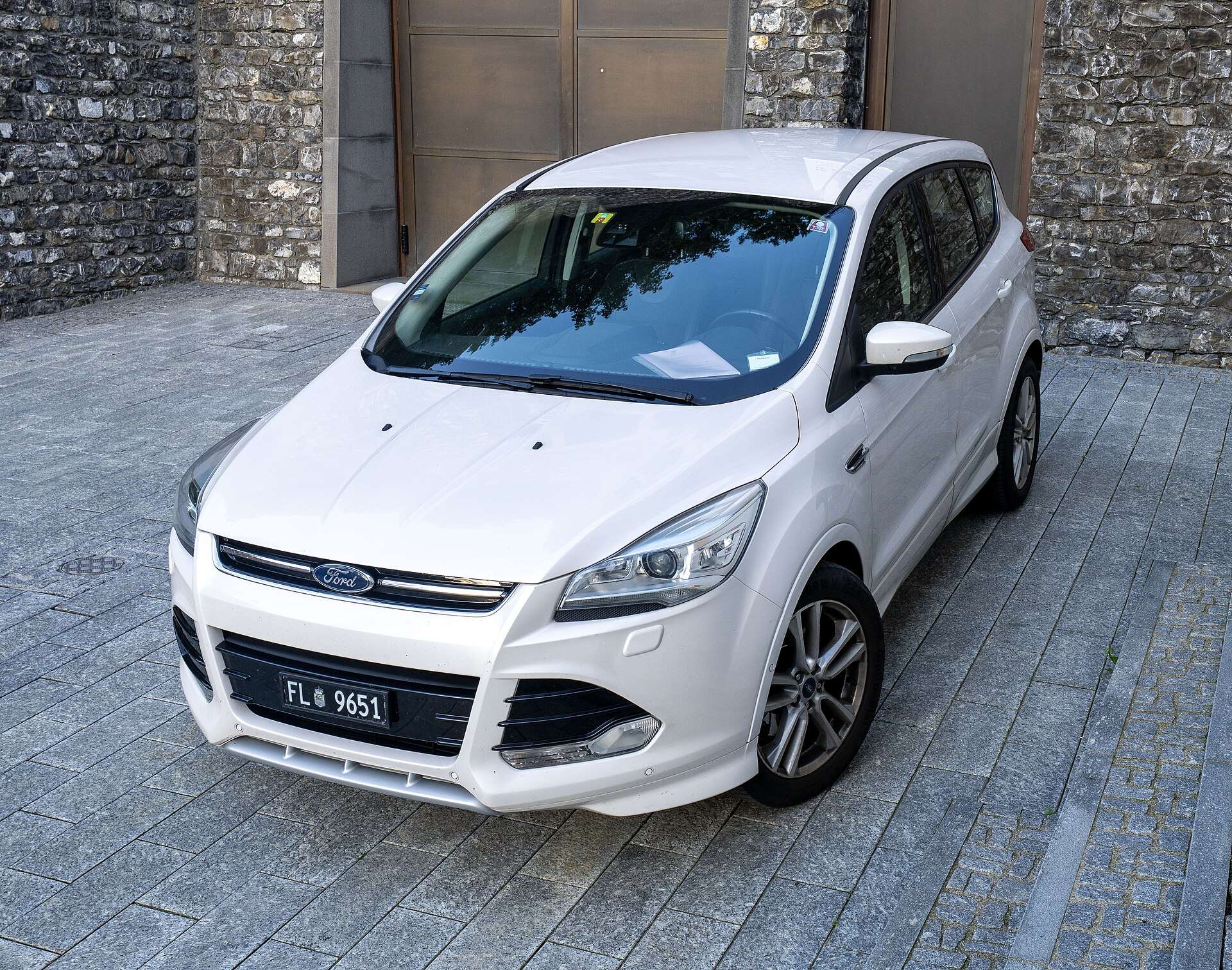
Verdict: a useful SUV when the maintenance evidence is there
The right Kuga Mk2 2.0 TDCi is a properly maintained, correctly specified car that suits regular longer journeys. Choose manual or PowerShift and front-wheel drive or AWD according to your needs, then inspect the extra systems you are paying for. Do not use trim level as a substitute for mechanical evidence.
For many owners, a good manual front-wheel-drive car is enough. A sound AWD automatic can also make sense, especially where its abilities are useful, but it deserves more maintenance questions. In either case, cold-start checks, a lift inspection, diagnostic evidence and itemised catch-up quotations are the best route to a reviewable decision.
Frequently asked questions
Is every Kuga PowerShift the same as the dry-clutch Ford gearbox?
No. Identify the actual transmission. Relevant wet-clutch Kuga applications need their own specified servicing and should not be assessed using another model’s dry-clutch maintenance advice.
Does the 2.0 TDCi use the same belt service as a 1.0 EcoBoost?
Do not transfer that package. Confirm the engine code and current Ford requirements for the VIN, then obtain a complete scope for the relevant timing drive, pump, hardware and fluids.
Should I pay extra for AWD?
Only where its traction benefits suit your use. Inspect operation, leaks, driveline noises and tyres, and understand the additional maintenance before deciding.
Can one universal towing limit be used?
No. Check the precise vehicle, VIN plate, Ford documentation, trailer combination and licence requirements. Engine, transmission and drivetrain differences matter.
Is a diesel Kuga sensible for short journeys?
Usually that is not its strongest use case. Compare a suitable petrol alternative and the total ownership cost if most trips end before the diesel reaches normal temperature.

Love cars you don’t see every day?
Get forgotten cars, surprising motoring stories and the most interesting finds from Unusual Cars by email.
Free to join. No spam. Unsubscribe whenever you like. See our privacy policy.