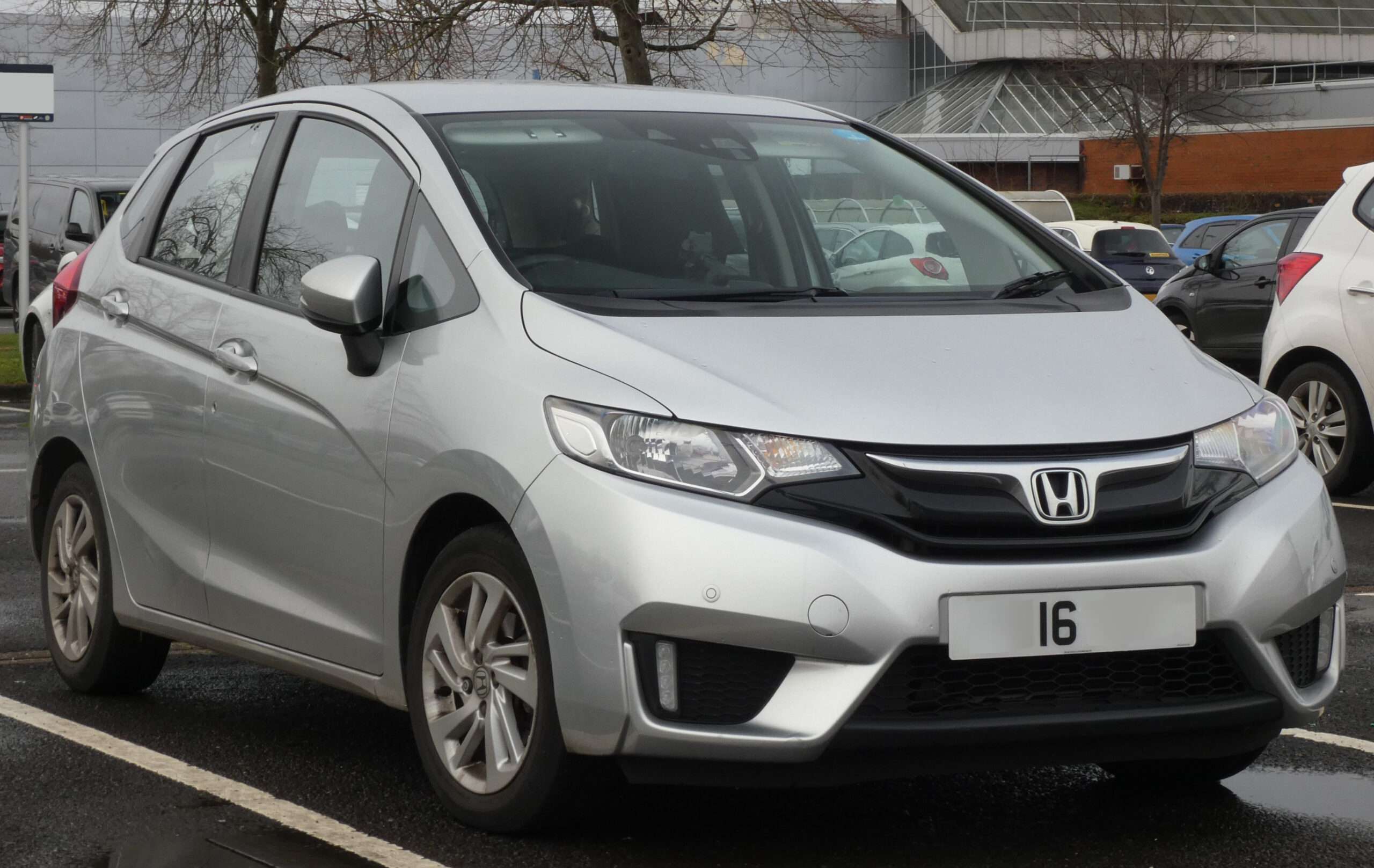
Honda Jazz GK 1.3 i-VTEC SE front view

Honda Jazz GK 1.3 i-VTEC Buying Guide: Manual, CVT and UK Costs

The Honda Jazz GK 1.3 i-VTEC is an unusually practical used small car. It offers flexible seats, manageable dimensions and a naturally aspirated petrol engine, with a manual or CVT automatic. It can be a particularly sensible alternative to a diesel crossover for modest mileage and mixed local journeys.

This UK buying guide covers the 2015–2020 third-generation Jazz 1.3. It does not apply older GD CVT judder remedies, GE i-Shift advice, Japanese hybrid specifications or later e:HEV transmission descriptions to this model. Confirm the generation, engine and gearbox before following a service schedule or ordering parts.

Quick buying verdict

A sound 1.3 manual is an appealing starting point for buyers prioritising simplicity and versatility. The CVT is worth considering for town use when its fluid history and cold/warm operation are convincing. A reputation for reliability should support a careful inspection, not replace one. Look for complete servicing, healthy brakes/tyres and a fully working cabin.

Identify the right Jazz

Honda’s European launch information describes a 1,318cc, port-injected four-cylinder 1.3 i-VTEC producing 102PS and 123Nm, with a six-speed manual or newly developed CVT. The CVT can simulate stepped ratios; this is not an i-Shift automated manual. These distinctions matter when interpreting how the car drives and what servicing it requires.

ChoiceWhy consider it?Inspection priority
1.3 manualDirect control and a straightforward daily-driving package.Clutch engagement, every gear and engine service history.
1.3 CVTConvenient in traffic and low-speed use.Correct transmission fluid record and healthy cold/warm behaviour.
Earlier/later GK equipmentDifferent styling and convenience/safety specification.Verify actual build and working features rather than assuming by registration.
Other Jazz generations or importsMay look similar in an advertisement.Separate engine, transmission, hybrid and market specification before buying.

Which trim and equipment?

Choose equipment around what you will use. A rear camera, parking sensors, climate control, keyless access or navigation can be valuable, but each should work during the viewing. Check both keys, not simply that two fobs have been handed over. A missing programmed key is a cost to establish before purchase.

Infotainment varies by trim and build. Pair your own phone, try calls and audio, and check the navigation if advertised. Early connected services may not provide the same functionality today as when new. A touchscreen is not proof of a particular navigation package, app service or current smartphone integration.

History, mileage and price

Compare similar manual or CVT cars with the same generation and broadly comparable equipment. Separate advertised prices from completed transactions. Record the asking price alongside evidence of servicing, tyres, brakes, keys and immediate work. A higher asking price can make sense if the condition and documented work genuinely reduce the catch-up bill.

Low mileage is not an automatic certificate of careful ownership. Repeated very short trips, long inactivity, elderly tyres and corroded brakes may matter more than the odometer headline. A higher-mileage car also needs an inspection and proof of maintenance; “Honda reliability” does not excuse missing records.

Read the full GOV.UK MOT history for recurring corrosion, tyres, brakes and suspension issues. Check provenance and match VIN/V5C details to the actual vehicle. A clean history check cannot certify every previous repair, and a fresh MOT does not establish CVT condition or complete servicing.

1.3 i-VTEC engine checks

Cold start and service evidence

Arrange a genuinely cold viewing. Use the handbook procedure to inspect oil level and coolant safely, look for leaks and check warning lamps. Listen for abnormal start-up noise and watch idle quality and smoke. Persistent rattling, misfire, overheating or fluid loss requires diagnosis before a deposit.

Ask for invoices showing the oil specification, mileage and work completed. A stamp may show a visit without proving plugs, filters, brake fluid or valve-clearance work were included. Ask Honda or a specialist to compare the complete record with the correct model-year schedule rather than assume an annual oil change covers everything.

The 1.3 is a naturally aspirated petrol engine, so assess it as such. It will not deliver the same low-speed torque as a turbo diesel; sensible use of revs is part of its character. However, hesitation, misfire or a warning light is not normal simply because it is a small engine. Test it under normal load as well as at idle.

Ignition, plugs and valve clearances

Confirm the correct plug specification and replacement requirement by VIN/handbook. Do not apply the eight-plug layout of an older i-DSI Jazz to this engine or buy a kit from a broad “Jazz 2002 onwards” listing. The wrong generation’s plug count and parts prices can distort both maintenance advice and the budget.

Ask about valve-clearance inspection or adjustment when the relevant schedule requires it. An invoice should establish what was checked and whether adjustment was necessary. Noise alone is not a dependable clearance measurement, and a quiet engine is not proof that every clearance is correct. Have a knowledgeable workshop follow the applicable procedure.

If the engine misfires, diagnose ignition, fuelling, air leaks and mechanical condition as appropriate. A fault code does not automatically prove the cheapest coil is the only problem. Repeated replacement of plugs or coils without an explanation should prompt further investigation rather than reassurance that “everything is new”.

Timing drive and auxiliary belt

Do not infer that a generic Honda fixed-price “timing belt” line applies to this 1.3 engine. Establish its actual timing-drive requirements with Honda and investigate abnormal mechanical noise properly. A diesel or older-model cambelt package is not a routine GK 1.3 service quotation.

Separately inspect the auxiliary belt, tensioning arrangement and related pulleys through a workshop assessment. Squeal or rattling can originate outside the engine’s timing drive. Correct diagnosis avoids ordering a major engine repair from a noise description alone.

Cooling, oil use and charging

Inspect hose connections and accessible cooling components for residue or leakage with the engine cold. Ask about any repeated top-ups, temperature warnings or overheating. A pressure test may be needed; do not accept a bottle in the boot as an explanation for disappearing coolant. Never open a hot cooling system.

Check stable cabin heat, normal warm-up and sustained air-conditioning cooling on the drive. A regas may be maintenance, but poor cooling can also involve leakage or other faults. Obtain a system diagnosis instead of treating the cheapest advertised regas as a complete repair allowance.

Ask about oil top-ups and look for leakage or persistent smoke. The dipstick at a viewing is only a snapshot. Test the battery and charging system if starting is weak or multiple voltage-related warnings occur, and identify the correct battery technology for the build. A new battery should not be used to dismiss unresolved charging or electrical faults.

Manual and CVT: choose on condition

Six-speed manual

Try every gear cold and warm, including reverse after a normal stop. The shift should be consistent without grinding or jumping out of gear. Listen for noises that vary with gear, road speed or clutch position. A specialist should distinguish gearbox, clutch and other sources rather than naming the component from one symptom.

Assess progressive take-up in normal starts and parking manoeuvres, and check for slip under ordinary acceleration. Avoid deliberate stall tests or excessive load. A clutch quote should include the actual kit, release components and any associated work, fluids and labour. A low-priced part online is not a fitted clutch bill.

CVT behaviour: what is normal?

The GK CVT is different from the earlier i-Shift automated manual and from the later hybrid drive arrangement. Honda’s launch release describes Europe-specific control logic and simulated ratios. Engine speed can therefore behave differently from a conventional stepped automatic, particularly during acceleration and engine braking.

That is not an excuse for shudder, slipping, delayed engagement, loud whining or warnings. Test drive and reverse engagement with the brake applied, gentle take-up, stop-start traffic and ordinary acceleration. Repeat fully warm, including low-speed manoeuvring and a restart. A brief cold circuit is not a complete transmission assessment.

Ask for a specialist assessment where behaviour is uncertain. Engine, mount, brake or wheel issues can sometimes feel like transmission vibration. Establish the cause through inspection and relevant module data rather than assuming a fluid change will repair internal wear.

CVT fluid and history

Use the exact Honda fluid specification and maintenance procedure for this model-year transmission, checked against the UK handbook or Honda by VIN. Do not substitute universal ATF or apply an older Jazz fluid recommendation because the bottle listing says Honda. A generic engine oil service stamp does not prove CVT maintenance.

Request invoices showing date, mileage, fluid and work performed. Ask whether the correct service requirement has been followed for the car’s usage. An undocumented seller claim that the gearbox is “sealed” should not replace Honda’s instructions. Conversely, do not invent an aggressive flush procedure or universal interval.

If previous CVT repairs are claimed, check the workshop, diagnosis, parts, procedure and warranty. Fluid servicing and fault repair are separate questions. A car with unresolved symptoms should be investigated before purchase; a discount does not define the possible final bill.

Magic Seats: test the feature you are buying

Honda’s centre-mounted fuel-tank packaging allows versatile rear seats. The launch information describes folding and lift-up arrangements, with a quoted 354-litre boot and greater space when folded. Treat those figures as a starting point; try your actual luggage and seating needs.

Operate both sides of the split seats, check latching, head restraints and belts, and inspect for trapped objects or damage. Follow the handbook and never drive with a seat insecurely latched. Try child seats and normal passengers with the driver properly positioned. A clever mechanism only adds value when it works and suits your use.

Check the luggage floor, tools, tyre-repair or spare-wheel arrangement and all supplied accessories. Inspect below the floor and under mats for dampness. An estate-like amount of usable room in a small footprint is the Jazz’s key advantage, but leaks, missing trim and damaged seat mechanisms still need pricing.

Find a Honda Jazz GK 1.3 i-VTECCompare current complete-car advertisements, then use this guide to check the version, history and condition.Browse cars for sale ↓

Brakes, suspension, body and electrical equipment

Inspect discs and pads on both faces through a workshop check, especially on low-mileage cars that have stood for long periods. Corrosion, binding and seized components can be more relevant than the amount of pad material left. A wheel that becomes unusually hot, grinding or poor release needs investigation before purchase.

On a safe road, assess straight-line braking and steering without vibration or pulling. The cause of a symptom can involve tyres, suspension, wheels or brakes, so do not automatically budget for discs alone. Check the parking brake’s hold and release and have the actual mechanism inspected if operation is poor.

Inspect springs, dampers, bushes, joints and bearings on a lift. Listen over uneven surfaces and at steady road speeds, and compare noises with tyre condition. Uneven wear can reflect geometry, damage or worn parts. An alignment-only quote is inadequate until the underlying components are known to be sound.
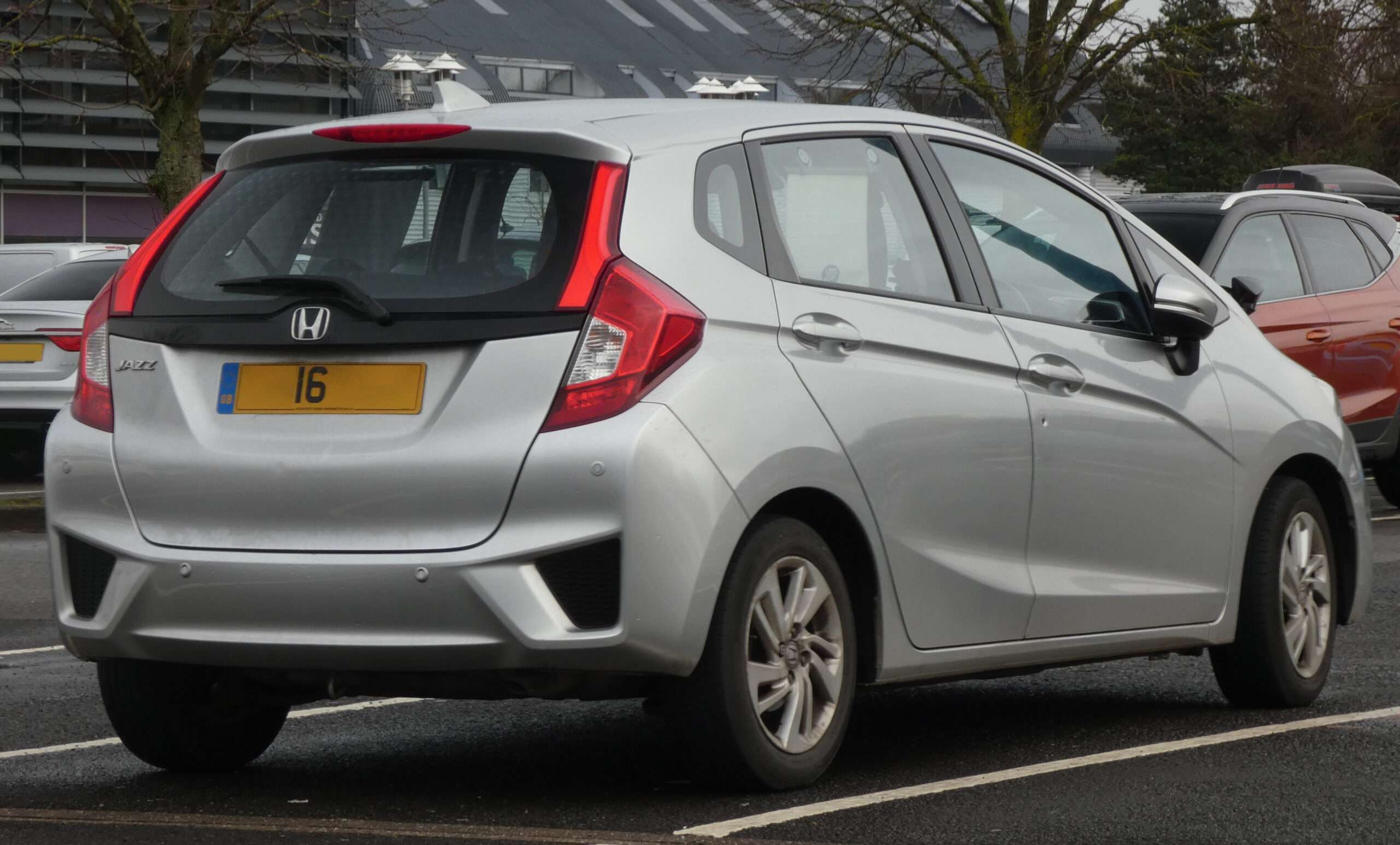
Honda Jazz GK 1.3 i-VTEC SE rear view
The upright tailgate and compact body are useful in daily life. Inspect rear lamps, bumper repairs, hatch seals and the luggage floor for dampness. Photograph: Harvey Bold / Wikimedia Commons, by/4.0. Display resized.

Look at tyre age, cracking, correct sizes/load ratings and spare or repair-kit provision. A car with very low mileage can still need a full set because of age or deterioration. Replacing tyres with an appropriate quality set is part of the ownership budget, not an optional cosmetic improvement.

Inspect body seams, sill/jacking areas, underside protection, brake pipes and suspension mounting areas. Check paint finish, gaps and overspray in good light. The Jazz’s reputation should not make you overlook corrosion, accident damage or poor repairs. Ask for a professional body assessment when evidence is inconsistent.

Cabin and driver aids

Operate windows, mirrors, locks, climate control, display and audio. Try every supplied key and check keyless functions where fitted. Test the rear camera and sensors if present, including clear image and normal warning behaviour. Missing functions deserve a diagnosis rather than a seller’s promise that an inexpensive online part will fix them.

Check carpets, boot well and headlining for dampness or staining and look for persistent condensation. Ask about leaks and the work used to resolve them. Water damage can involve wiring or components beyond the original leak point, so a newly dry carpet is not the complete inspection.

Verify fitted safety equipment through the actual specification and normal warning sequence. Do not provoke collision intervention or other emergency systems during a viewing. Ask about appropriate calibration after glass or body repairs when applicable. An old safety-rating headline does not certify an individual repaired car.
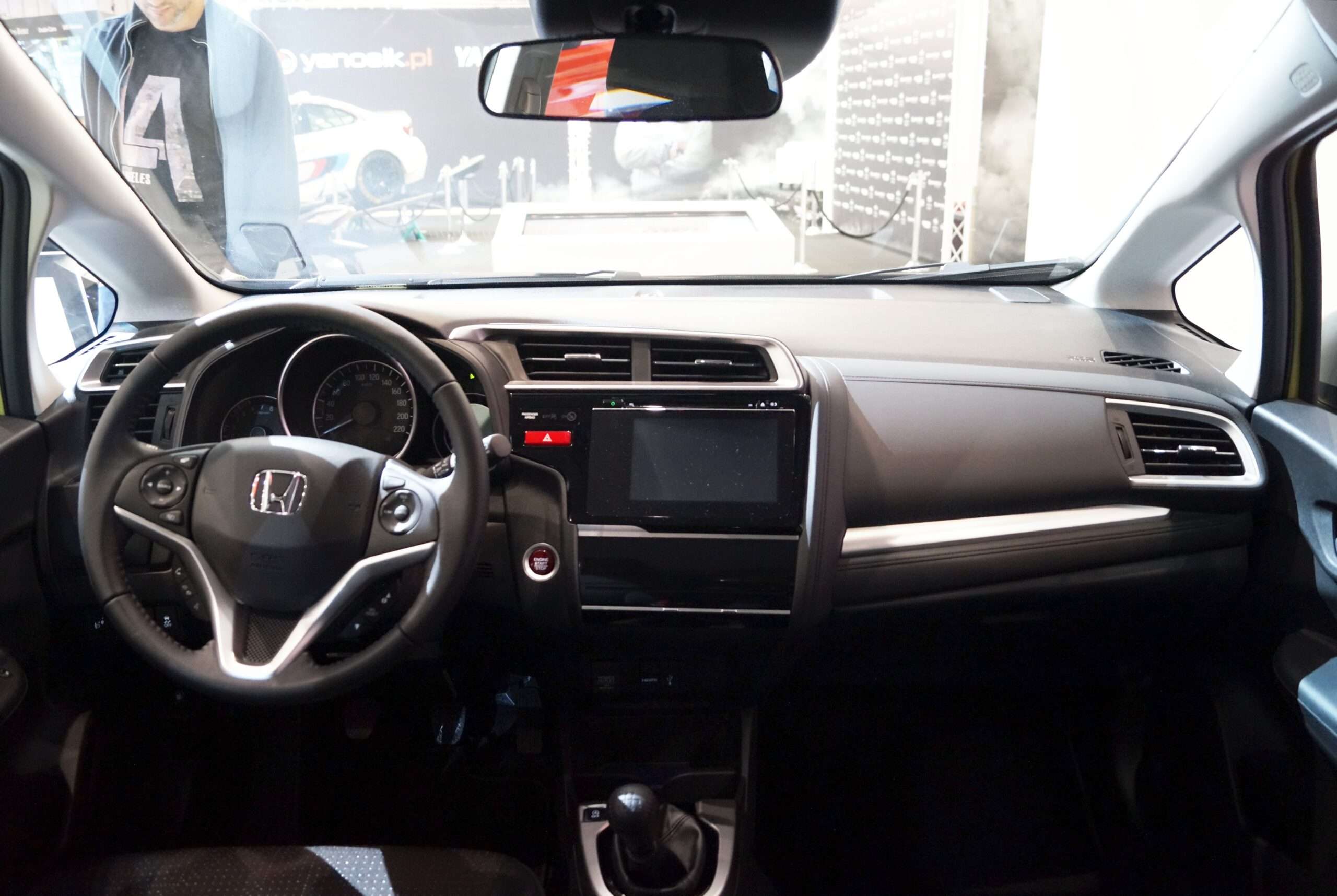
Honda Jazz third-generation cabin and dashboard
A left-hand-drive European show car illustrates the third-generation cabin. UK equipment and display specification vary; test the car you intend to buy. Photograph: Jakub “Flyz1” Maciejewski / Wikimedia Commons, CC BY-SA 4.0. Display resized.

Viewing and test-drive checklist

  1. Before travelling: obtain registration/VIN, generation, engine and gearbox. Check MOT/provenance and request service invoices, including transmission and any due valve-clearance work.
  2. Cold start: inspect fluids safely, starting, idle, smoke, abnormal noise and the warning-lamp sequence. Ask why it is warm if a cold viewing was agreed.
  3. Road test: use local and faster roads where legal. Assess ordinary acceleration, clutch/CVT take-up, steering, brakes, ride and full warm-up.
  4. Warm retest: repeat CVT engagement and manoeuvring, check restart and inspect for new leaks or smells without touching hot components.
  5. Practicality: operate Magic Seats, hatch, luggage floor, locks, keys and all advertised equipment. Try real passengers and luggage.
  6. Workshop: arrange a lift inspection, Honda-capable scan and targeted tests for symptoms. Keep the report and obtain complete repair quotes.

A general code reader is useful but does not assess every transmission or body module. Ask the specialist to explain current versus historic faults, whether data suggests recent clearing and what tests support the diagnosis. Do not erase useful evidence repeatedly during the viewing.

What should change your offer?

FindingPractical response
Coherent records and healthy cold/warm operationProgress to inspection and compare the complete first-year cost.
Due fluid/filter work, tyres or diagnosed brake wearObtain proper scope and written prices, then negotiate.
CVT judder, prolonged starting, persistent misfire or coolant lossRequire diagnosis and successful repair evidence before committing.
Identity concerns, serious poor repairs, overheating or refusal of inspectionLeave unless independently resolved before purchase.

Sourced UK service, parts, labour and fitted costs

Swansway’s published Honda Jazz table separates ordinary petrol/diesel model pricing from later e:HEV pricing. The examples below use the non-e:HEV column and need confirmation for the GK 1.3 and actual job. Its page says prices were correct at April 2025; ask for a current quotation. Honda UK explains that participating fixed-price repairs include genuine parts, labour and VAT, with Channel Islands VAT treatment differing.

JobPublished fitted exampleScope / fitment check
CVT fluid service£151Correct Honda-specified CVT fluid; confirm procedure and current eligibility. Not the generic automatic-fluid row.
Manual gearbox oil£116Correct manual-transmission fluid and quantity, not CVT fluid.
Coolant change£130Correct coolant and filling/bleeding scope. A leak repair is extra.
Brake fluid£85Confirm full fluid-service scope and whether already included in a package.
Front pads and discs£337Matched front axle parts; confirm dimensions and additional caliper work if required.
Clutch kit including release bearing£878Manual application only; confirm complete fitted scope and any additional findings.
Valve clearance£139Confirm inspection/adjustment scope against the actual 1.3 schedule.
Front drop link, each£144Per side; diagnosis and geometry-related work may differ.

The source does not publish a separate parts-versus-labour money split or labour-hour allowance for these packages. Those figures are therefore not invented. An online parts kit may be cheaper than a fitted package because it omits technician time, consumables and warranty handling. Confirm every inclusion before comparing quotes.

A worked first-year maintenance budget

If the retailer confirms that a CVT fluid service at £151 and brake-fluid change at £85 are both due and not already included elsewhere, those jobs total £236. If the stated £337 front brake package is also required, the total becomes £573. This is an illustration based on published packages, not a claim that every Jazz needs these jobs together.

Add the engine service level actually due, any correctly specified plugs or valve work, tyres and diagnosed defects. Do not add the parts cost again to an inclusive fitted figure. Keep a separate reserve for unscheduled repairs rather than spending it on accessories. A known CVT fault cannot responsibly be priced as a routine £151 fluid service.

Broad menus can contain entries that do not apply to every car under the heading. In particular, neither an eight-plug item nor a generic timing-belt entry should be transferred to this 1.3 without verifying the actual engine. Ask the retailer to identify the relevant job by registration and VIN.

Jazz GK 1.3 service-parts table

Affiliate disclosure: qualifying purchases through these eBay UK links may earn Unusual Cars a commission. Searches can return mixed generations or unsuitable parts. Confirm VIN, engine, transmission, part number, required fluid specification, quantity, seller and returns. An automated fitment badge is supporting information rather than the final authority.

Part / jobWhat must matcheBay UK search
Oil and filter kitCorrect 1.3 GK engine, oil approval and volume.Compare oil and filter kit
Air filterCorrect housing and engine; not an earlier 1.4.Compare air filter
Cabin filterCorrect housing and chosen filtration grade.Compare cabin filter
Spark plugsActual engine specification and correct quantity.Compare spark plugs
CVT fluidExact UK handbook/VIN Honda requirement; no universal ATF.Compare cvt fluid
Manual gearbox fluidCorrect Honda manual specification, not CVT fluid.Compare manual gearbox fluid
Auxiliary beltCorrect routing/application; inspect associated pulleys.Compare auxiliary belt
AlternatorOutput, connector, pulley and exchange terms.Compare alternator
BatteryCorrect technology, capacity, terminals and build requirements.Compare battery
Front discs/padsCorrect dimensions, axle and application.Compare front discs/pads
Manual clutch kitGearbox application, release components and full job scope.Compare manual clutch kit
Wiper bladesCorrect front/rear lengths and connectors.Compare wiper blades

Hidden ownership costs

Low-use deterioration: tyres, batteries and brakes can need replacement even on a low-mileage car. Ask how long it has stood, inspect tyre dates and check whether recurring advisories were actually repaired. A low odometer reading is only one part of value.

Transmission evidence: the correct CVT fluid and a healthy gearbox are separate requirements. Budget for servicing when due, but investigate symptoms before buying. Allow for downtime and check any warranty’s exclusions, claim limits and authorisation requirements.

Convenience and interior parts: keys, cameras, infotainment and damaged seat mechanisms may not be as inexpensive as the car’s size suggests. Verify the part, programming or fitting needed before accepting an allowance based on an untested used component.

Insurance, tax and access: use the registration and actual specification for quotes and official checks. A generic model-year headline does not determine every car’s tax or permissions. Declare modifications and verify any imported-car specification and history.
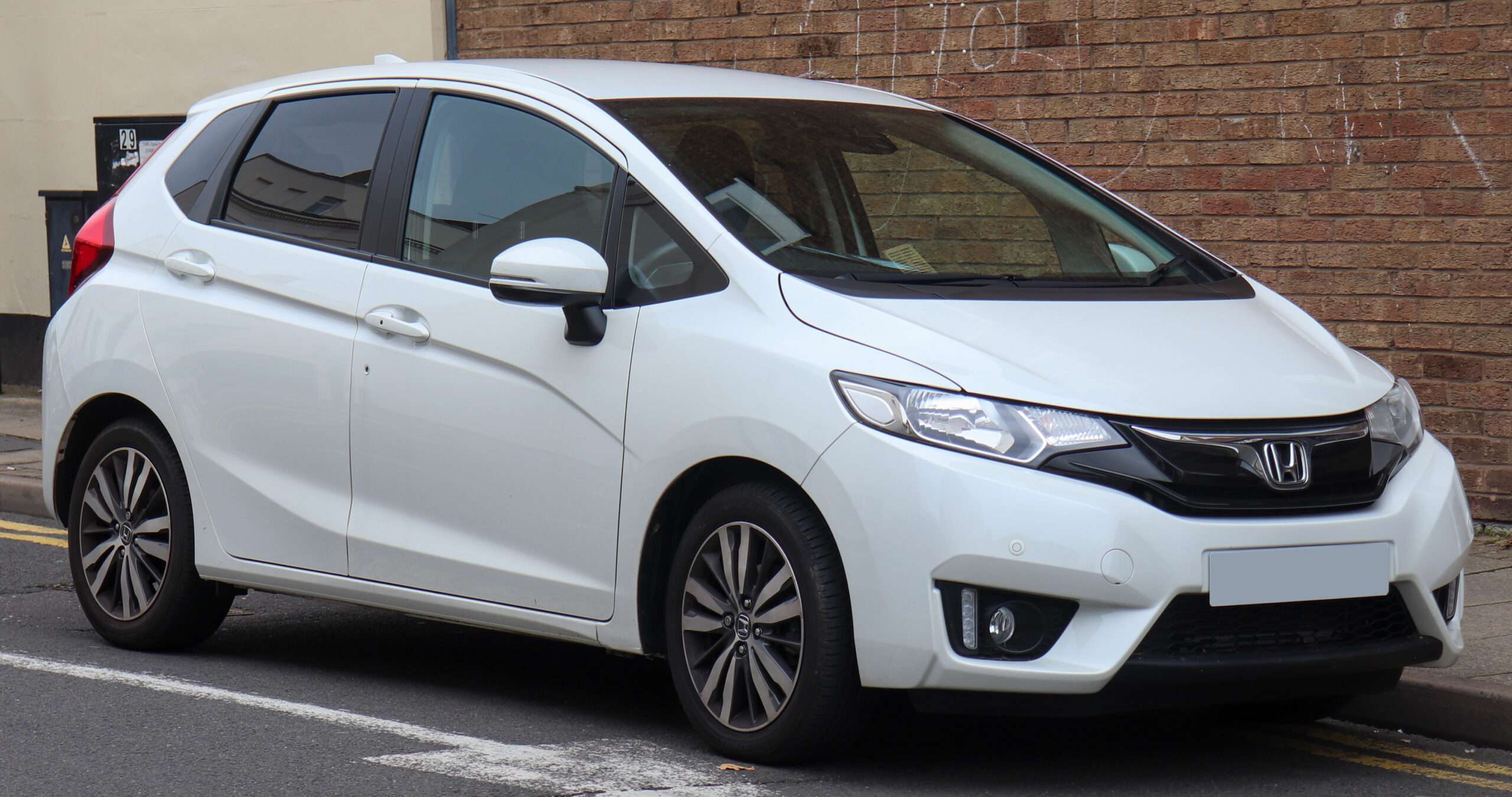
Honda Jazz GK 1.3 i-VTEC CVT EX Navi front view
A UK 1.3 CVT example. Judge an automatic by its correct fluid history and cold/warm operation rather than applying older Jazz gearbox advice. Photograph: Vauxford / Wikimedia Commons, CC BY-SA 4.0. Display resized.

Verdict: practicality with a disciplined buying check

The GK 1.3 Jazz is a strong used-car proposition for buyers who value flexible space and sensible petrol ownership. The manual is an appealing starting point, while a healthy CVT can be especially convenient for local use. Let condition, invoices and a proper inspection decide between individual cars.

Keep the generation clear, test the seat system and every fitted feature, and verify what the engine and gearbox actually need. A sound car with a modest specification and enough money left for maintenance is a better purchase than an apparently perfect bargain carrying an unresolved transmission or cooling fault.

Frequently asked questions

Is the GK automatic an i-Shift?

No. Honda’s launch information describes a newly developed CVT alongside the six-speed manual. Earlier automated-manual advice should not be assumed to apply.

Can I use older Jazz CVT fluid or judder advice?

Only after checking the actual model-year transmission requirements. Use the correct Honda specification and diagnose the individual symptom.

Does low mileage guarantee a good buy?

No. Inactivity and short trips can still affect tyres, battery, brakes and servicing needs. Inspect the car and read the complete history.

Are valve clearances covered by every service?

Do not assume so. Compare invoices with the build-specific schedule and establish whether inspection or adjustment is due.

Does the listed CVT service price cover a repair?

No. It is a published routine fluid-service example subject to confirmation. Internal faults, diagnosis and replacement work need separate quotations.

Honda Jazz GK 1.3 i-VTEC cars for sale

Live third-party advertisements, not inspected or endorsed cars. Check generation, engine, history and seller before travelling. Listings change and may include imperfect matches.

Right Now on eBay 
Clicking a link to eBay may result in a referral commission being paid if a purchase is made.
Loading…

Sources and further checks

Inspection points are checks rather than claims about failure frequency. Obtain current VIN-specific servicing requirements and full written quotations.

Featured photograph: Harvey Bold / Wikimedia Commons, by/4.0. Display resized. Other photographs carry individual credits.

Return to the buying guides hub →

SHARE THIS PAGE:

Posted

in

by

Tags: