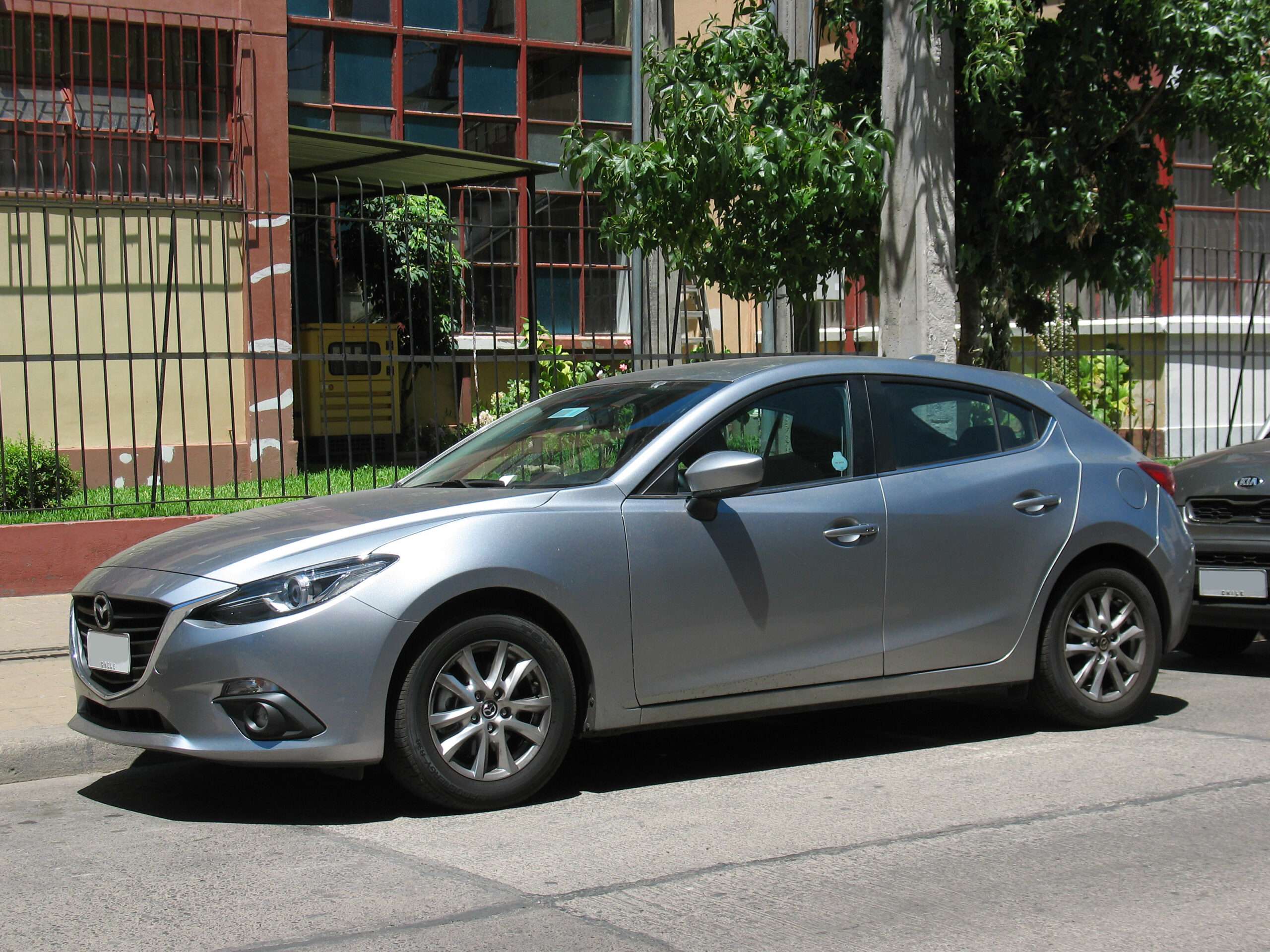
The Mazda3 Mk3 2.0 Skyactiv-G is a compelling alternative to a small turbocharged petrol family hatchback. Its naturally aspirated engine, available manual or conventional automatic and choice of hatchback or Fastback saloon create a useful used-car shortlist. Buy it for the way a healthy example drives and the evidence behind it, rather than assuming a non-turbo engine makes every older car trouble-free.
This guide covers the BM/BN-generation Mazda3, broadly 2013/2014–2018 UK cars, with the 2.0 Skyactiv-G petrol engine in 120 and 165PS forms. It excludes the earlier Mazda3/MPS, 1.5 petrol, Skyactiv-D diesels and later BP-generation Skyactiv-G/X models. Registration dates overlap and overseas specifications differ, so identify the actual car.
Affiliate disclosure: qualifying eBay purchases through our links may earn commission at no extra cost to you. Match VIN, engine, transmission and component references. A Mazda3 search can include MPS, diesel, CX-3 and later-generation parts.
The buying verdict
Start with a documented 120PS manual or automatic in the equipment level you need, then compare a 165 if you want its particular specification and performance. Condition, service evidence and a sound chassis matter more than buying the higher output in neglected form. Try the engine on your normal route before deciding that a naturally aspirated delivery suits you.
Inspect underbody condition, brakes, tyres, cooling, cabin electronics and cold-to-hot gearbox operation. Confirm the correct battery and charging equipment before costing replacements. A reputation for reliability should support careful inspection, not replace it.
120 or 165PS Skyactiv-G?
What makes this a different buying proposition
The ordinary 2.0 Skyactiv-G is a naturally aspirated four-cylinder petrol, not the earlier MPS turbo engine or a Skyactiv-D diesel. Mazda’s UK announcement for the 2017 update confirms 120 and 165PS 2.0 petrol choices. Advice about the MPS turbo system or diesel-specific emissions equipment should not be transferred automatically.
Expect to use the rev range and an appropriate gear when asking for stronger acceleration. A small turbo may feel different at low revs even when the Mazda is healthy. Try a hill and a safe faster-road junction with realistic passenger needs. Hesitation, misfiring or warning lights are not normal naturally aspirated character.
Check the exact engine and output from the vehicle information rather than relying on a badge or an advertisement template. Different markets have other outputs and equipment. An overseas photograph can illustrate the body or cabin without establishing the specification of a UK car.
Choosing the 120
The 120 is the sensible starting point for ordinary mixed use. Compare manual and automatic according to your driving and budget, then inspect the individual car. A lower advertised output is not a reason to accept poor tyres, an uncertain record or a gearbox symptom in exchange for a small saving.
Do not assume every 120 has identical equipment or that a remap claim makes it equivalent to a factory higher-output car in every respect. Confirm modifications, insurance declaration and original specification. For most everyday buyers, a standard car with credible records is easier to assess.
Choosing the 165
The 165 deserves consideration if the actual version suits you and the price premium is justified by condition and equipment. Verify the transmission and trim rather than assuming every possible combination was sold in the UK. Look carefully at larger wheels, tyres and signs of modifications or hard use.
Higher output does not change the fundamentals of buying well. Oil history, cooling condition, brakes, bodywork and present running still decide whether the car is sound. Avoid treating a more desirable badge as a reason to waive an independent inspection where questions remain.
Chain drive and correct servicing
The 2.0 petrol uses a timing-chain arrangement rather than a routine cambelt job. That does not remove the need for correct oil maintenance or investigation of persistent abnormal noise. Do not buy a belt package intended for a different Mazda engine because a broad catalogue places it under Mazda3.
Obtain the current VIN-specific schedule and oil requirements from Mazda. Viscosity alone is not the full specification. A kit that includes several Mazda models may require careful checking of filter, plug references and quantities even if its title mentions Skyactiv.
Hatchback, Fastback and the 2017 update
Body-style choice
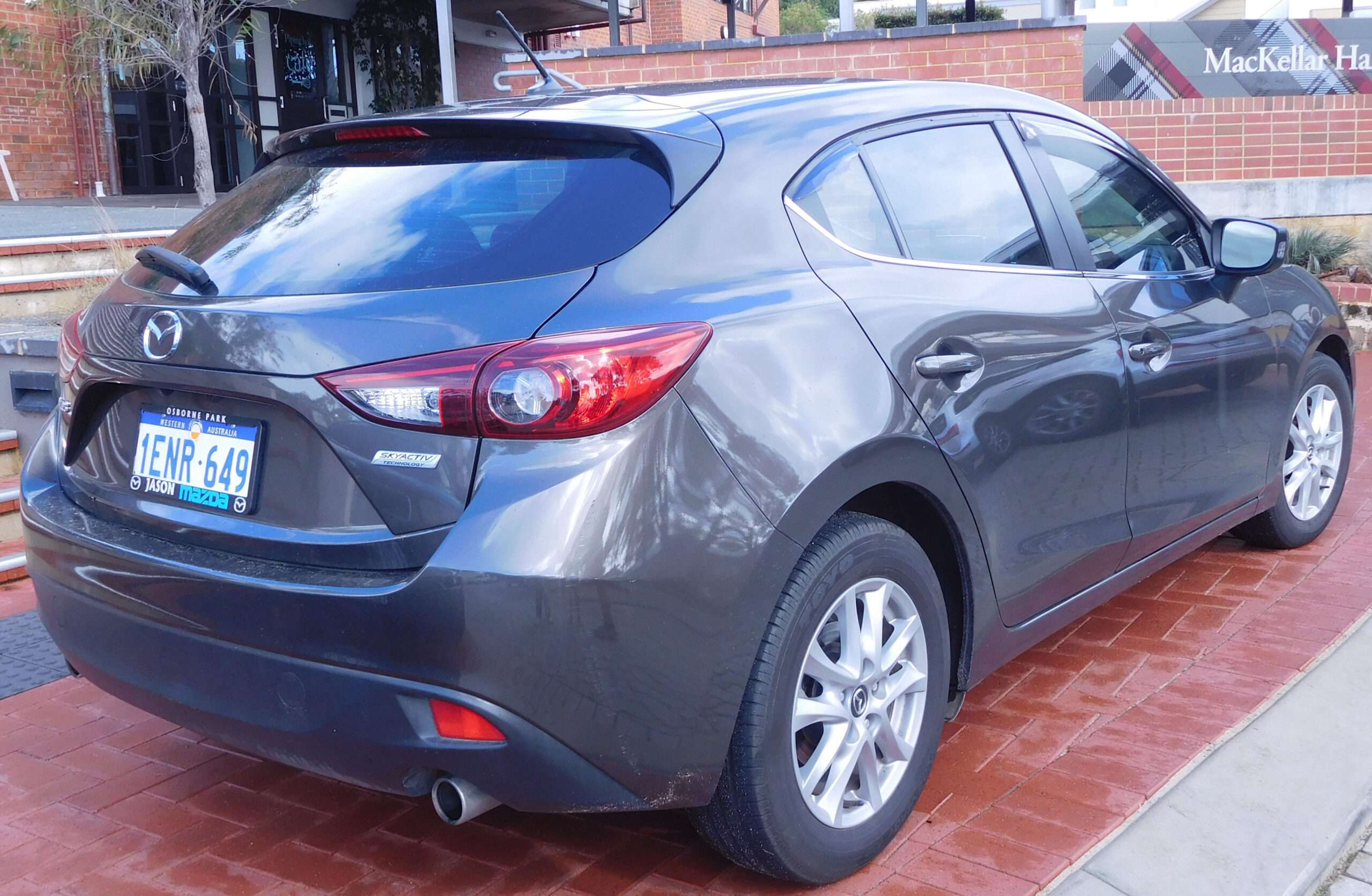
The hatchback is the practical starting point for bulky loads and flexible everyday use. The Fastback saloon has a different loading opening: try the actual luggage or buggy rather than comparing boot-volume figures alone. Check rear-seat access and child-seat fit with the driver’s position set normally.
Inspect load covers, floor panels, folding mechanisms and underfloor puncture equipment. A clean boot does not establish that every release works or that essential equipment is present. On the hatchback, check rear wiper, demister and tailgate functions repeatedly.
Early BM versus updated cars
Mazda’s UK release announced the 2017 model on sale from October 2016. It describes revised styling and cabin, added G-Vectoring Control and changes including an electric parking brake. A registration late in 2016 therefore needs build/specification confirmation rather than a simple calendar-year assumption.
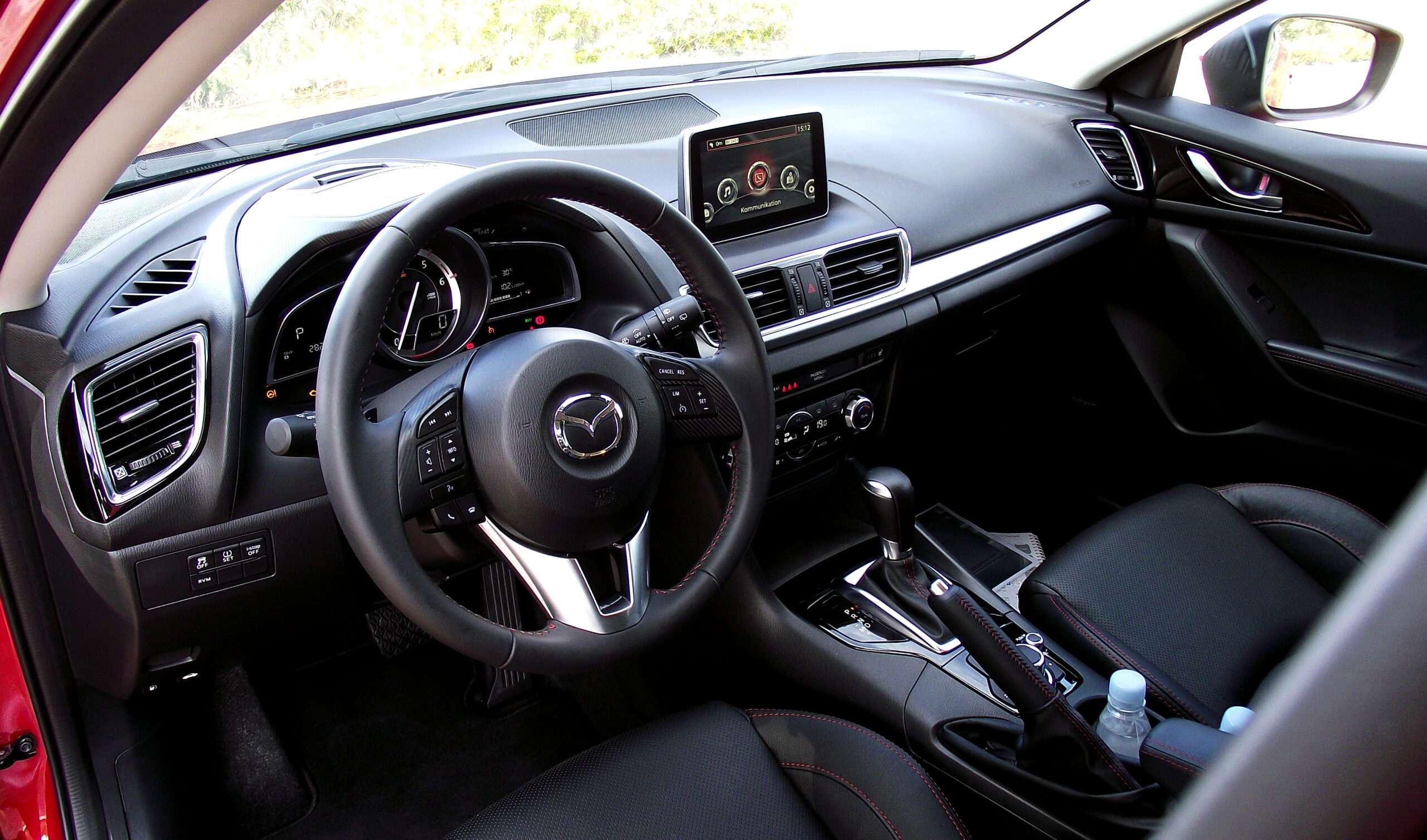
Try the early and later cabins if equipment matters to you. A replacement screen or steering wheel does not prove the whole car is the later specification. Read invoices and factory information where an advertised facelift looks inconsistent.
SE, SE-L Nav and Sport Nav
Choose the seating, climate and phone/navigation functions you need. Mazda’s update material distinguishes the 16-inch wheels on SE/SE-L Nav from 18-inch Sport Nav equipment. Larger wheels can change tyre costs and ride comfort, so include ordinary uneven roads in the test.
Demonstrate head-up display, heated seats, cameras, parking sensors and other options actually claimed. A display screen or a trim name does not prove every feature. Check optional equipment against the individual build and test operation rather than relying on a stock brochure list.

Manual or Skyactiv-Drive automatic?
Manual
Assess clutch take-up, gear selection and reverse cold and hot. Use normal driving loads and avoid abusive stall or slipping tests. Repeated crunching, jumping out, dragging or clear slipping needs diagnosis rather than an explanation that every Mazda gearbox feels like that.
Ask whether a quoted clutch job includes release parts and any other work found necessary. The price of a friction kit online does not establish the fitted repair. If replacement is claimed, request an invoice and check whether current operation supports a successful repair.
Conventional automatic
The relevant Skyactiv-Drive automatic should be identified as the installed six-speed conventional unit. Do not apply a dual-clutch service rule or a later hybrid transmission description. Ask about preventive maintenance separately from repairs prompted by symptoms.
Test drive/reverse engagement, gentle shifting, safe acceleration, warm traffic and parking. Persistent flare, substantial thumps or shudder needs a transmission-aware assessment. A smooth cold departure is useful but incomplete evidence.
Use unit-specific advice for fluid, level procedure and service scope. A generic flush or additive is not a guaranteed remedy for an established fault. Ask what a workshop proposes, why and what evidence supports the diagnosis before buying a symptomatic car at an apparently attractive discount.
UK asking prices and shortlist discipline
Our market check included a 2014 2.0 SE-L Nav manual at £4,250 with around 124,000 miles, a 2015 165 Sport Nav manual at £6,495 with roughly 86,000 miles and a 2017 Sport Nav Fastback at £9,475 with about 38,000 miles. They are individual asking prices, not completed sales or a valuation for every Mazda3.
Exclude Mazda CX-3 advertisements which appear in broad Mazda 3 searches, and separate petrol from diesel. Compare body style, output, gearbox, mileage, service record and preparation. Auction bids, repair projects and recorded damage should not be mixed into ordinary retail comparisons.
Add immediate work and a reserve to the purchase price. Four tyres, brake work, overdue maintenance and a missing key can erode a saving even when the engine is healthy. A sound lower-trim example can be a better total purchase than a neglected Sport Nav chosen for its screen and wheels.
Questions and documents before travelling
Request registration, engine/output and gearbox confirmation, invoices, key count and known faults. Ask for a genuinely cold start. Check MOT mileage progression and repeated advisories against the maintenance story, remembering that a current pass is not a comprehensive engine or transmission assessment.
Compare VIN and ownership documents, verify entitlement to sell and complete suitable finance/history checks before payment. Have Mazda check open recalls or campaigns by VIN. Do not assume the absence of a dashboard warning proves every campaign has been completed.
Ask about accident repairs, corrosion treatment, towing and modifications. For a recently replaced component, establish the fault it addressed and whether the symptoms returned. A coherent invoice matching this car is more useful than a vague claim that everything has been done.
The Mazda3 2.0 viewing checklist
Cold starting and running quality
Observe normal warning-light checks, start without excessive throttle and assess idle and persistent abnormal noise. Initial fast idle can be part of warm-up strategy, but misfiring, marked shaking, smoke or continuing warnings require investigation rather than a blanket explanation that all direct-injection engines do it.
Try smooth acceleration in an appropriate gear and assess response cold and fully warm. A scan is useful where concerns exist, but fault information needs interpretation alongside mechanical checks. Recently cleared codes or an incomplete repair should remain questions until resolved.
Oil and cooling
Check safe cold fluid levels and accessible joints for staining or wetness. Ask about top-ups and overheating. Never open a hot pressurised cooling system. A new reservoir or hose is useful evidence only when the cause has been identified and the car remains healthy afterwards.
Monitor temperature-related behaviour and cabin heat, then look safely for new leaks or smells after driving. Have persistent loss traced rather than guessing the smallest visible gasket. A clean undertray can conceal leakage, so arrange a lift inspection when the source is unclear.
Underbody, corrosion and lifting damage
Inspect more than the visible wheelarches. Ask a workshop to assess sills, jacking areas, structural mounting points, subframes, brake pipes and exhaust condition as appropriate. Road exposure and previous repairs matter even when the cabin is tidy and the odometer modest.
Fresh coating should prompt questions about preparation and the metal beneath. Surface corrosion, perforation and damaged mounting areas have different implications. Do not condemn or approve the structure from a photograph alone, and never crawl under a car supported only on a jack.
Brakes and parking brake
Brake progressively when safe and assess pulling, judder and consistency. Check parking-brake operation normally and identify the fitted system. The later electric arrangement needs appropriate servicing procedures; do not assume early and late brake work is identical.
A sticking mechanism or caliper can make a pads-only quote incomplete. Ask for a full diagnosis where wear is uneven or operation poor. If a dealer agrees to replace parts, put the exact scope and evidence required into the preparation agreement.
Tyres, wheels and suspension
Check all tyres for full-width wear, age, damage and correct size/rating. Inspect wheels alongside any vibration or pull. Large wheels can suffer impacts which are not obvious from a freshly cleaned outer face. Consider an inspection if symptoms persist.
Listen over ordinary road imperfections and assess steering consistency. Worn components should be addressed before alignment. A new tyre set or alignment printout does not override current symptoms or explain why previous wear became uneven.
Screen and cabin functions
Test the touchscreen and controller from startup and again warm. Look for unintended selections, failure to respond or repeated rebooting, and demonstrate vehicle settings as well as audio. A screen which displays normally for a moment has not proved the system reliable.
Try phone calls and the connection you actually need while parked. Original MZD Connect and a later retrofit can differ in functionality. Ask for installation records where smartphone integration was added and confirm controller, microphone, audio and camera operation.
Battery, i-stop and charging equipment
Check starting and any warnings rather than assuming stop-start inactivity is always a fault or always normal. Operating conditions and battery state can matter. Have a competent workshop test the system where concerns exist, and establish the correct battery specification and setup requirements.
If i-ELOOP or another particular charging arrangement is fitted, identify it before ordering electrical parts. A conventional alternator listing may not cover the required equipment. Do not replace charging components solely from a dashboard message or an uncertain compatibility claim.
Bodywork, glass and water entry
Compare panel gaps, paint, lamps and accessible seams, and look for poor repairs or disturbed fasteners. Check the windscreen and any driver-assistance equipment for damage and repair evidence. Establish whether relevant calibration was required after previous work.
Inspect carpets and boot areas for damp, staining and musty smells. Try doors, locks, windows, tailgate and demister. A dry day or fresh mats do not establish the absence of a leak. Trace a recurring issue before accepting an informal seal-repair allowance.
Warm restart and final review
Use a representative drive long enough to warm the engine and transmission, then repeat starting, idle and parking checks. Review any new warnings and look safely for leakage. A short smooth demonstration cannot settle a fault which appears only once hot.
Separate predictable wear, scheduled maintenance and unresolved symptoms in your notes. Price known work against complete fitted quotes. If serious mechanical or structural questions remain, obtain a qualified inspection or choose another car rather than buying solely on the model’s reputation.
Love cars you don’t see every day?
Get forgotten cars, surprising motoring stories and the most interesting finds from Unusual Cars by email.
Free to join. No spam. Unsubscribe whenever you like. See our privacy policy.
Mazda3 Mk3 2.0 Skyactiv-G cars for sale
Compare current asking prices, then verify the generation, engine, history and condition of each advertised car. Results can include incorrectly described vehicles.

Love cars you don’t see every day?
Get forgotten cars, surprising motoring stories and the most interesting finds from Unusual Cars by email.
Free to join. No spam. Unsubscribe whenever you like. See our privacy policy.