
Buying Guides / Peugeot 2008 Mk2 1.2 PureTech · UK buying advice
The second-generation 2008 combines a distinctive cabin with useful family-car space, but the petrol buying decision starts with maintenance evidence. Identify the exact PureTech engine, investigate timing-belt and oil-use history, then assess the manual or EAT8 transmission properly. Our starting shortlist is a sound 130PS version whose service records and driving position suit you.
This guide covers the original-shape Mk2/P24 1.2 PureTech petrol models, announced in 2019 and delivered in the UK from 2020, through the pre-facelift period. It excludes the older Mk1, BlueHDi diesel, electric e-2008 and later hybrid versions. Changeover registrations need build identification, not assumptions based on a number plate.
Affiliate disclosure: purchases through qualifying eBay links may earn us commission at no extra cost to you. Search results are comparisons, not fitment guarantees. Confirm VIN, engine, gearbox, brake specification and original part references before ordering.
Which 2008 Mk2 petrol should you buy?
For mixed use, begin with a well-maintained PureTech 130 and decide between manual and EAT8 on a proper test drive. It provides a useful middle point in the original petrol range without requiring the highest trim. A documented lower-specification car can be better value than a GT whose tyres, lighting and engine history all need attention.
The 100PS manual deserves consideration if purchase budget and ordinary local use matter more than performance. Drive the actual car on a route including the hills and faster roads you use. Do not infer suitability from its SUV shape or assume that another engine’s demonstration represents the one you are buying.
The 155PS EAT8 is a choice for someone who wants that specification, not an automatic recommendation because it sits higher in the range. Compare insurance, tyres, equipment and first-year maintenance together. Condition remains more important than output, and the same careful PureTech history assessment is needed.
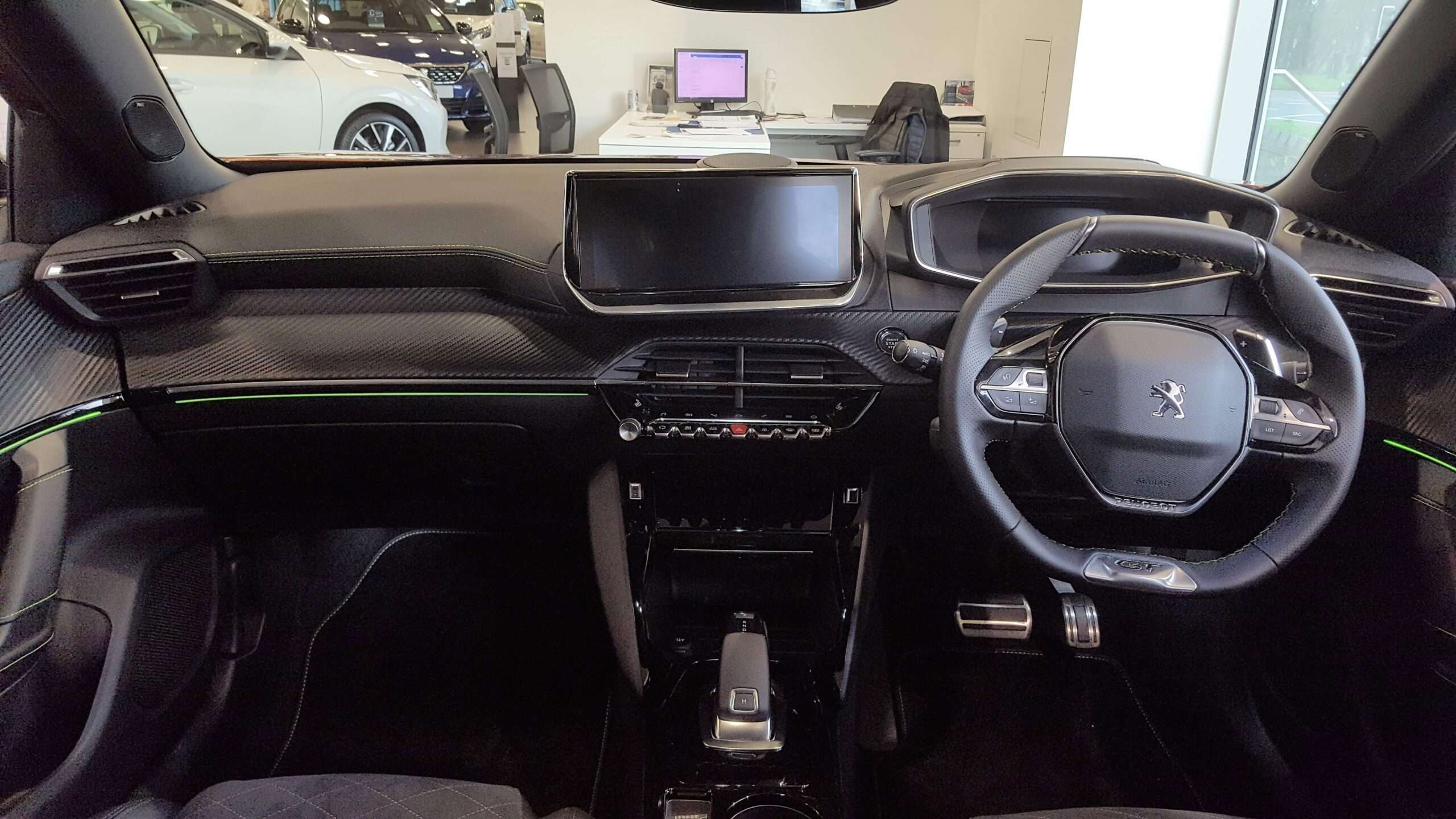
Before choosing any version, spend time adjusting the driving position. The small steering wheel and high instrument layout are central to the i-Cockpit design. Some drivers find the arrangement natural; others need a different seat or wheel position to see the instruments clearly. This is a purchase decision to settle in person.
Engines, transmissions and trim: check the build
| Original petrol version | Launch combination | Buying focus |
|---|---|---|
| PureTech 100 | Six-speed manual. | Performance suitability, clutch, maintenance evidence. |
| PureTech 130 | Six-speed manual or EAT8 automatic. | Exact transmission, cold-to-hot operation and oil history. |
| PureTech 155 | EAT8 automatic. | Higher-specification equipment, tyres and documented engine condition. |
| e-2008 | Electric powertrain. | Separate EV guide and charging assessment. |
| Later hybrid | Different drivetrain scope. | Do not transfer early petrol timing or gearbox assumptions. |
Peugeot’s December 2019 UK announcement confirms those petrol combinations and February 2020 deliveries. It also distinguishes petrol and electric versions sharing the body style. Marketplace categories and copied descriptions can mix them, so inspect the registration, VIN and physical car before comparing prices.
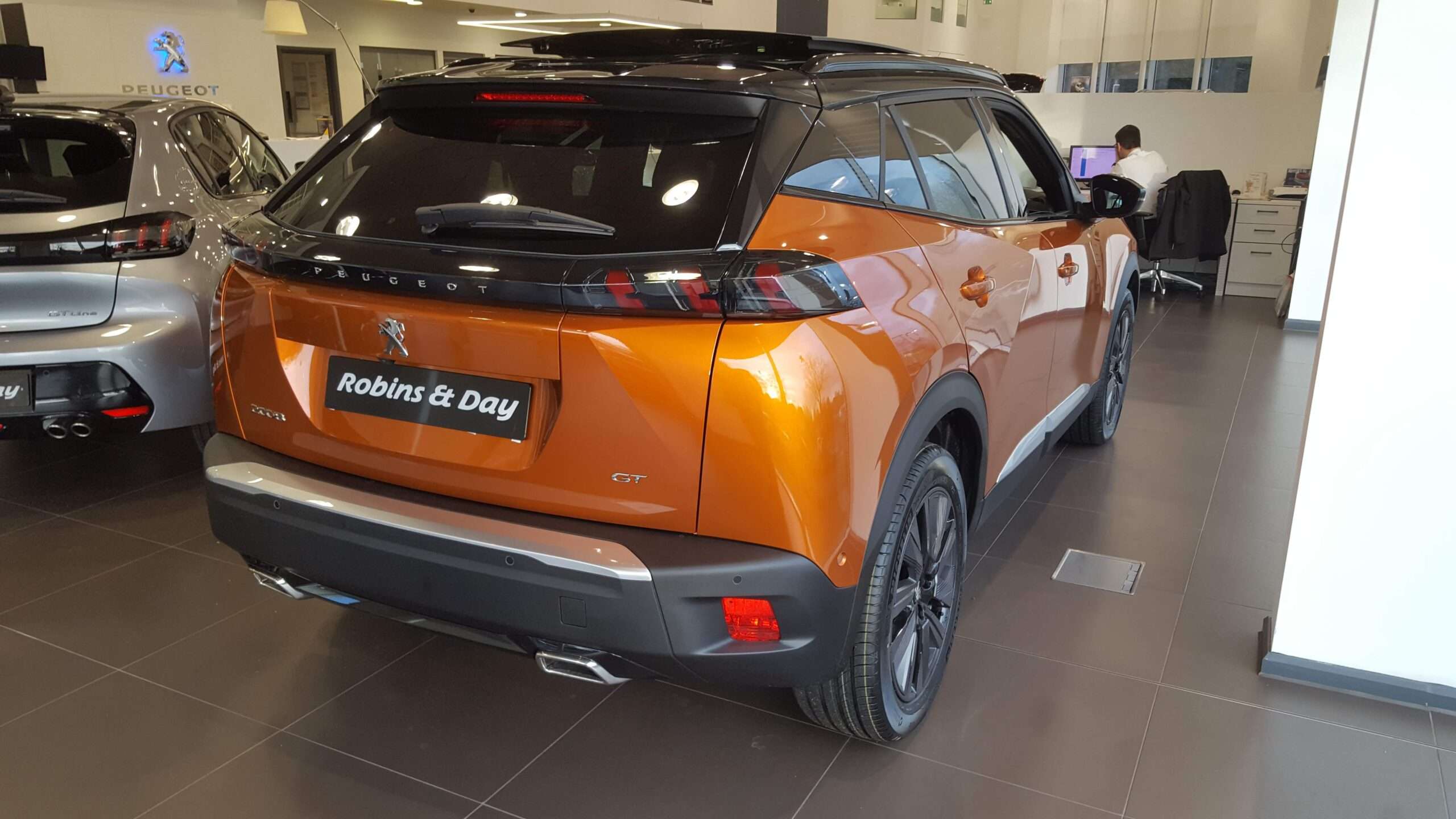
Active, Allure, GT Line, GT and later naming changes need year-specific verification. Equipment varied, and options can make two similar adverts quite different. Confirm screens, lighting, camera, roof and assistance features from the build record and a working demonstration rather than a seller’s generic specification list.
Documents that matter before viewing
Ask for registration, VIN, current mileage, key count and photographs of invoices. Compare service dates and mileages with the MOT sequence. Repeated advisories for uneven tyre wear, brakes or suspension deserve an explanation, especially if an expensive wheel-and-tyre package is fitted.
Look for the approved oil specification on each engine-service invoice. A viscosity or the words “fully synthetic” are not sufficient evidence. Ask Peugeot to identify the current maintenance requirements for the VIN, including any revised oil or inspection guidance. Do not rely on a service schedule copied from another PureTech model.
Request timing-belt inspection and replacement records, plus any oil-pressure or oil-consumption investigations. Establish whether work was preventive or followed a fault. If the engine was replaced, ask why, what unit was fitted, who installed it and what supporting warranty or report exists.
Check outstanding recalls and campaigns through Peugeot using the VIN. A claim that a repair should be covered needs confirmation against the actual car and circumstances. Keep documents showing work performed rather than assuming a dashboard without warnings proves every required action is complete.
PureTech timing-belt history: what buyers should establish
The relevant early 1.2 PureTech engines use an oil-immersed timing belt. Its condition, the correct oil and maintenance history must be considered together. Low mileage does not remove the need for age-related checks, and an old replacement interval quoted by a seller is not a substitute for the current VIN-specific requirement.
Ask a competent workshop to inspect using the appropriate procedure and explain its limitations. An accessible belt view or photograph can be helpful, but it does not examine the entire lubrication system or prove there was no earlier degradation. Ask what findings would require further investigation before purchase.
Where the car has experienced belt deterioration or oil-pressure warnings, establish the complete repair scope. The useful invoice explains diagnosis and relevant associated work, not merely the purchase of a belt. Ask whether the oil system and any components implicated by the fault were checked as required by the repair procedure.
If an oil-pressure warning occurs during the test drive, stop safely and follow the handbook. Do not continue to see whether it disappears. A seller calling it a sensor fault has not established that diagnosis. You can decline an unresolved car rather than trying to price a potentially major repair at the roadside.
Distinguish a routine belt replacement from a fault repair and from an auxiliary-belt job. These are different operations. The fitted-cost section below also separates the EB wet-belt menu from a different belt-and-water-pump package; confusing them can create an inaccurate ownership budget.
Peugeot support: ask about the actual vehicle
Peugeot’s published PureTech solutions page describes conditional support for certain oil-pressure issues associated with premature belt degradation and excessive oil consumption. It gives coverage limits of up to ten years or 112,000 miles for eligible cases, and describes a separate route concerning qualifying historical repair expenses.
Do not interpret that as a blanket warranty on every used PureTech or every engine problem. Ask Peugeot to assess the VIN, maintenance evidence and proposed repair under the applicable terms. An eligible age and mileage are only part of the question, and a seller’s promise is not written confirmation.
Keep servicing invoices and distinguish current repair support from reimbursement of an earlier bill. If the car needs work now, establish its condition and the repair plan before purchase. The possibility of support should not be used to make an unresolved warning or unexplained consumption seem harmless.
Cold start, oil consumption and cooling checks
Request a genuinely cold car and observe the first start. Check warning-lamp behaviour, idle quality, smoke and unusual noise as the engine settles. A three-cylinder engine has its own sound, but persistent misfire, metallic noise or repeated stalling needs investigation rather than an assurance that every example behaves that way.
Ask how much oil the owner adds and over what distance. Where top-ups are frequent, request measured consumption and diagnosis. A recent service can leave the level looking correct at the viewing without explaining earlier use. Thicker oil or an additive is not evidence of a lasting repair.
Inspect accessible areas for oil or coolant traces and have the underside checked on a lift. Ask about overheating, repeated coolant additions and recent cleaning. Never remove a hot cooling-system cap. A correct pressure test and diagnosis are more useful than choosing a replacement housing from a stain.
When warm, assess ordinary acceleration through the gears. Response should be consistent without repeated hesitation, power loss or warning messages. Intake, ignition and other faults can resemble a turbo problem. Ask the inspector to connect the road-test symptoms with relevant measurements and physical checks before recommending parts.
Love cars you don’t see every day?
Get forgotten cars, surprising motoring stories and the most interesting finds from Unusual Cars by email.
Free to join. No spam. Unsubscribe whenever you like. See our privacy policy.
Manual versus EAT8: assess both cold and warm
With a manual, check every gear, clutch take-up and whether the engine speed flares without corresponding acceleration under normal load. Listen on acceleration and overrun. A high bite point or a noise is a reason for investigation, not an accurate calculation of remaining clutch life.
The EAT8 should be assessed through reverse and drive engagement, parking manoeuvres, normal acceleration and deceleration, then a warm restart. A brief warm demonstration is not enough. A long delay followed by a bang, repeated flare, persistent harsh changes or a warning needs diagnosis before purchase.
Ask about previous gearbox work and the requirements for the actual transmission. Do not transfer maintenance assumptions from an older automated manual, a diesel application or a later hybrid. A fluid service, software operation and internal repair are different jobs, and the proposed work should follow a supported diagnosis.
Try parking and a safe incline using the controls as directed in the handbook. Make sure the car suits your preferred driving style and that any electronic parking-brake functions work normally. Do not buy a symptomatic automatic because the seller offers to deduct the price of a basic fluid kit.
The i-Cockpit test: do not skip the seating position
Set the seat and steering wheel for a normal comfortable posture before judging instrument visibility. You should not need to sit unnaturally high, low or stretched to see the information. Spend several minutes looking between road and instruments while stationary, then confirm that the arrangement remains comfortable on the drive.
Check the actual instrument type and all display modes. Higher-specification 3D presentation and simpler displays should not be confused in adverts. Look for missing pixels, intermittent black screens, warning messages or settings that do not respond. A brief successful start does not establish that an intermittent problem has been repaired.
Use the touchscreen, physical shortcut controls and climate menus yourself. Adjust temperature, fan, demisting and audio before setting off so you know how the interface suits you. Pair your phone with the appropriate cable or connection and demonstrate the functions that matter; do not assume every screen supports every current phone feature.
Test camera and parking sensors, windows, mirrors, locks, both keys and heated seats where fitted. If a panoramic opening roof is present, operate it normally and inspect surrounding trim, headlining and footwells for dampness. Check that drains or earlier leaks have been addressed, rather than assuming a dry valet proves the cause is fixed.
Try rear access with your normal passengers and child seats, following the restraint instructions. Load the boot with the equipment you actually carry and check the floor positions, parcel shelf and seat folding. An SUV appearance does not settle family practicality; your own use is the meaningful test.
Tyres, suspension, braking and previous damage
Inspect tyres across the full width and look at inner shoulders and sidewalls. Check matching specification, age markings and wheel damage. Larger wheels can change comfort and replacement costs, so drive the exact specification you are considering. A tyre with legal tread may still need replacement because of damage or uneven wear.
Drive over broken and smooth surfaces at sensible speeds and note repeated knocks, pulling or vibration. Have suspension joints, bushes, springs, dampers and the underside checked on a lift. Ask for the affected component to be identified; a list of possible replacement parts is not a diagnosis.
Brake progressively and verify straight, consistent deceleration without grinding, pulsation or warnings. Test the parking brake according to the handbook. A fitted brake quote should identify the axle, correct parts, any electronic procedure and additional fault work, rather than treating every 2008 as the same application.
Inspect lamps, paint consistency, panel alignment, lower bumpers and undertrays. Ask about windscreen replacement or front-end repairs and any required sensor calibration. More advanced lighting and assistance equipment can be expensive to restore, so a visually attractive repair should still be assessed for completeness and correct operation.
Reading an engine-repair invoice properly
Start with the date, mileage and vehicle identity. Establish whether the work was preventive maintenance or a response to a symptom. A belt replaced before trouble developed and a belt replaced after an oil-pressure event are different histories, even if the advertised phrase is the same.
Ask what the workshop found and why it selected the repair. The paperwork should identify the kit, fluids and any associated cleaning or component checks required by the procedure. Where further work was considered unnecessary, a supporting report can be useful. A single line reading “timing belt done” leaves important questions open.
Check what happened afterwards. Was there a repeat warning, further consumption test or return visit? Are there later service invoices showing normal use? A recent replacement engine or major repair is not automatically a rejection, but it needs a clear account of provenance, installation, diagnosis and warranty.
If the documents cannot answer the question, have the inspector state the remaining uncertainty. Do not treat the price of a routine belt job as a reserve for every possible consequence of an earlier engine fault. You can select another car rather than taking on an unclear history.
Before paying a deposit or accepting dealer preparation
Write down which repairs, service operations and equipment fixes form part of the agreement. Ask for itemised evidence and check the result before collection. A service stamp, a valet and a cleared warning are three different things; none should be described as proof of work that the invoice does not show.
If the purchase depends on an independent inspection or specific repair, record that condition in the deposit terms. Keep the advert and important written answers. The aim is a car whose condition and first-year costs you understand, rather than a negotiation won by accepting several unresolved promises.
What an independent inspection should resolve
Ask for more than a generic engine-code scan. Relevant braking, restraint, assistance and transmission modules need suitable access where concerns exist. A clean emissions screen cannot establish that every vehicle system is healthy, and clearing a message before the viewing is not repair evidence.
The report should separate confirmed faults, scheduled maintenance and matters requiring further diagnosis. For the engine, request a clear account of timing-belt condition and the limitations of the check. For an EAT8 symptom, ask what testing supports the diagnosis rather than accepting that an update must cure it.
- Confirm Mk2/P24, petrol engine, output, gearbox and build.
- Check invoices, MOT mileage and current VIN-specific maintenance guidance.
- Observe the cold start and investigate oil-use or pressure history.
- Assess the timing drive appropriately and understand any earlier repair.
- Drive manual or EAT8 from cold to warm and repeat manoeuvres.
- Test the i-Cockpit position and all paid-for equipment.
- Inspect underside, tyres, brakes and evidence of body repairs.
- Obtain written fitted quotes and calculate the first-year budget.
UK parts, labour and fitted repair costs
Stellantis &You’s Peugeot repair menu publishes the following starting prices in its 108/208/2008 group. Confirm the specific car, parts tier and inclusions with the retailer. These are menu examples, not an inspection-based quote for every Mk2.
| Job | Published fitted price from | Scope to confirm |
|---|---|---|
| Front pads | £209 | Correct axle and brake specification. |
| Front discs and pads | £469 | Dimensions, hardware and complete inclusions. |
| Rear discs and pads | £379 | Parking-brake type and procedure. |
| EB wet timing-belt kit | £599 | Engine-dependent; water pump not included in this EB menu. |
| Battery | £309 | Technology, capacity and application. |
The page separates the EB job from its £739 belt-and-water-pump menu and states that the latter excludes EB2 1.2 petrol engines. A routine replacement figure is not a quote for an engine with an oil-pressure fault or previous degradation. Ask what additional diagnosis or associated work would be required.
The menu does not give an itemised parts-versus-labour split for each job. Obtain that breakdown from the workshop, including labour time, hourly rate, fluids, VAT and any follow-up procedure. Subtracting a cheap online kit from a dealer package does not establish its labour charge.
For parts-only context, the checked eBay search included a 2019-on petrol service package with oil at about £63 plus delivery. It also returned older-generation and diesel kits. That mixture is a useful warning: compare contents and current oil approval only after identifying the actual engine. A search heading is not proof of compatibility.

Asking prices and the first-year calculation
The checked eBay listings included a 2021 manual advertised around £10,000 and 2021–2022 EAT8 examples around £11,250–£13,000, with differing mileages and trim. These are individual asking-price snapshots, not completed-sale values or a universal range for the model.
Compare like with like: generation, petrol output, transmission, mileage, specification and seller terms. A lower asking price can be offset by belt-related work, tyres, brakes and equipment repairs. A higher specification is worthwhile only if you want it and it works.
Build an offer from written findings. Routine maintenance can be quoted; unexplained oil consumption or a gearbox warning can represent much greater uncertainty. A discount does not resolve that uncertainty, and choosing another example is a sensible result when the history cannot be established.
Hidden ownership costs
Set aside catch-up maintenance money before paying for a desirable colour or trim. Tyres, timing work, a service, brakes and a second key can arrive together. Add known items to the purchase price and compare the total with a better-documented car.
Get insurance and tax figures for the actual registration, including declared modifications. Budget fuel from your real journeys rather than one dashboard reading. Bigger wheels, advanced lamps and electronic options bring replacement exposure that may exceed their used-car premium.
Keep a repair reserve beyond scheduled maintenance and consider downtime if the car is essential. Conditional manufacturer support should be checked, but it is not a reason to spend every pound on the purchase. Ask how a seller warranty handles diagnosis, exclusions and authorisation before relying on it.
Model-specific eBay service-parts table
Choose parts by VIN and original references, then compare price, contents and seller terms. Petrol, diesel, EV and later hybrid results can overlap in searches. Use the specified oil and do not order an engine component merely because a fault code mentions it.
| Service part | Fitment and buying advice | eBay UK comparison |
|---|---|---|
| Engine oil and filter | Confirm current VIN-specific oil approval; exclude diesel and EV kits. | Compare engine oil and filter |
| Air filter | Match engine, housing and original number. | Compare air filter |
| Cabin filter | Confirm dimensions and filtration type. | Compare cabin filter |
| Spark plugs | Check engine-specific plug and quantity. | Compare spark plugs |
| Wet timing-belt kit | Diagnosis and complete job scope first; verify exact application. | Compare wet timing-belt kit |
| Auxiliary belt | Separate from the internal timing drive. | Compare auxiliary belt |
| Front discs and pads | Check diameter, caliper and complete kit contents. | Compare front discs and pads |
| Rear discs and pads | Confirm parking-brake specification and workshop procedure. | Compare rear discs and pads |
| Battery | Match technology, size and capacity. | Compare battery |
| Alternator | Match output, pulley and connector after diagnosing the fault. | Compare alternator |
| Wiper blades | Check attachment and lengths. | Compare wiper blades |
| Manual clutch kit | Confirm gearbox and complete fitted-work requirements. | Compare manual clutch kit |
Peugeot 2008 Mk2 buying questions
Is the 130 our preferred version?
It is our starting shortlist for mixed use, with manual or EAT8 chosen by preference and condition. A well-documented 100 can still be a better purchase than a neglected higher-output car.
Does every 2008 use the same timing arrangement?
No. Establish generation and engine. This guide concerns the relevant early 1.2 petrol models, not diesel, electric or later hybrid drivetrains.
Is the i-Cockpit comfortable for everyone?
Try it in person. Adjust seat and wheel, confirm instrument visibility and use the controls before committing. The layout is a personal fit question rather than a specification-sheet answer.
Can I assume a PureTech repair will be covered?
No. Ask Peugeot to assess the VIN, history and circumstances under the applicable terms before relying on support.
Our final 2008 buying advice
Choose a car with clear engine identity, credible oil and timing history, a healthy transmission and equipment that works. Confirm the driving position suits you and budget the first year honestly. A documented ordinary specification is a stronger purchase than an impressive trim with unexplained warnings or uncertain repairs.
Peugeot 2008 Mk2 PureTech cars for sale
Compare current asking prices, then verify the generation, engine, history and condition of each advertised car. Results can include incorrectly described vehicles.

Love cars you don’t see every day?
Get forgotten cars, surprising motoring stories and the most interesting finds from Unusual Cars by email.
Free to join. No spam. Unsubscribe whenever you like. See our privacy policy.