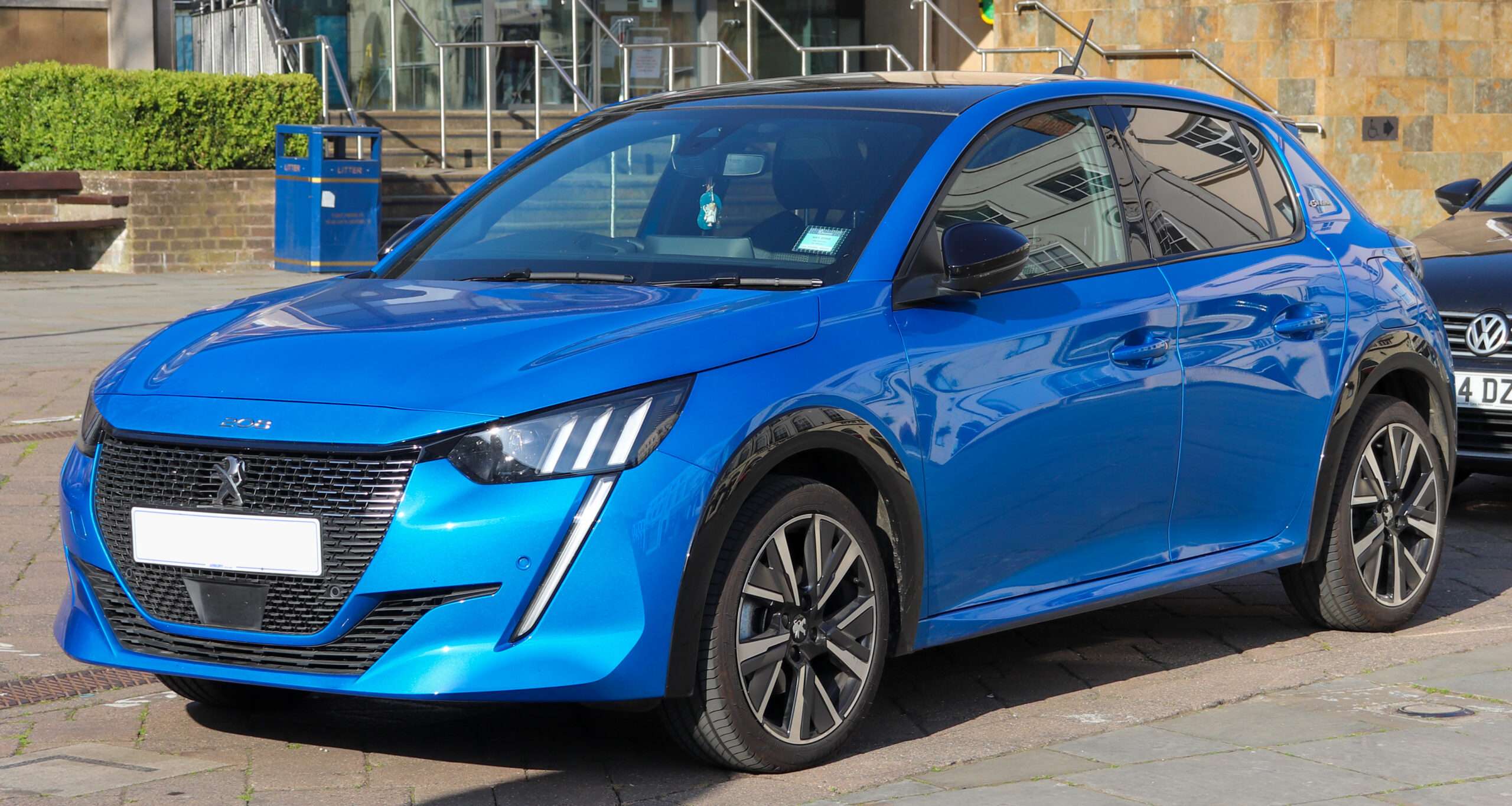
The Peugeot 208 Mk2 1.2 PureTech combines distinctive styling and an unusually designed cabin with a broad, active used market. It can make a good everyday purchase, but the best example is the one whose engine history and present condition are convincing. A bright GT Line, low mileage or a recently stamped book should not distract from oil specification, belt evidence, cooling and gearbox behaviour.
This guide covers original-shape 2019–2023 second-generation 208 petrol cars, including the 75, 100 and 130 PureTech derivatives where offered. It excludes the previous 208, the e-208, diesels and later hybrid powertrains. Facelift, model year and first-registration dates overlap: identify the actual engine and specification before applying maintenance advice.
Affiliate disclosure: we may earn commission from qualifying eBay purchases through links here, at no extra cost to you. Model-specific searches are comparison tools, not fitment approval. Confirm engine code, VIN, oil approval and OE references with the supplier.
The buying verdict
A documented PureTech 100 is our starting point for normal mixed driving. Choose manual or EAT8 according to your preference after a proper cold-and-hot test. The 75 can suit predominantly local use, while the 130 offers more performance but does not make maintenance evidence less important.
Do not buy a car with unexplained oil consumption, an oil-pressure warning, overdue belt questions or a vague “belt done” claim until the cause and work scope are established. Peugeot’s conditional PureTech support is relevant, but it is not a blanket warranty for every engine or a reason to ignore missing records. Obtain written vehicle-specific confirmation where support affects the purchase.
Which petrol 208 should you buy?
PureTech 75: the local-use option
The 75 is the lower-powered, naturally aspirated version in the early petrol range. It can suit urban journeys and a buyer who values purchase price ahead of acceleration. Try the actual car with your normal passenger and luggage requirements in mind. A short flat test does not establish how comfortable you will be joining a fast road or climbing a steep hill.
Do not assume that lower output removes every engine-maintenance concern. The appropriate belt assessment and service evidence still matter. Identify the exact engine and follow its current requirements rather than applying a package sold for a different PureTech derivative.
PureTech 100: the all-round starting point
The turbocharged 100 provides a useful increase in mid-range flexibility over the 75 and is a sensible place to start a shortlist. Compare the manual and EAT8 on the roads you use rather than assuming the automatic is always the better or more economical choice. Output, trim and transmission need verification against the actual vehicle.
Check smooth response when warm, consistent idle and a clean restart. Hesitation or misfiring needs diagnosis; it should not be dismissed because the engine has three cylinders. A car that feels lively on one acceleration can still have an unresolved oil-use or warning-light history.
PureTech 130: buy on evidence, not the highest number
The 130 is the more powerful turbo petrol proposition and is associated with EAT8 in this range. It can appeal to a buyer wanting extra response, but its purchase premium should be judged against condition, equipment and maintenance. A sound 100 is preferable to a neglected 130 bought at the limit of the budget.
Look particularly carefully at modifications and tuning claims. Obtain the actual specification, installation invoices and insurance implications. A remap advertised as a free performance improvement adds uncertainty about use and supporting maintenance. For predictable daily ownership, standard specification with clear records is the easier starting point.
Manual and EAT8: different checks
On a manual, try every ratio and reverse when cold and warm, and assess the clutch for consistent take-up and slipping under sensible load. Difficult selection, persistent noises or marked vibration deserve a complete diagnosis. A replacement clutch-kit price online is not a fitted estimate.
EAT8 is a conventional eight-speed automatic, not the same transmission as older automated manuals or later hybrid gearboxes. Check engagement into drive and reverse, low-speed progress, normal acceleration and warm parking. Repeat the checks after the transmission has warmed through. Harsh shifts, repeated flare, shudder or warnings justify specialist inspection.
Obtain maintenance advice for the actual gearbox and operating history. A generic flush is not a universal cure for symptoms. Ask a qualified workshop to identify the fluid specification and work procedure, and distinguish preventive maintenance from repair of a fault already present.
The i-Cockpit: make sure the cabin suits you
The small steering wheel and high-mounted instruments are central to the 208’s appeal, but the driving position is personal. Adjust the seat and wheel through their normal ranges, then confirm you can see the instruments comfortably while sitting in a sustainable position. Do not buy on the assumption that you will adapt later to a wheel position you dislike.
Try it on a longer drive if possible. Check the relationship between the seat cushion, pedals, steering reach and your view of the display. A passenger’s impression of a stylish dashboard does not establish that the driver can use it comfortably. Bring your usual glasses and test the screen in the lighting conditions available.
Equipment differs by trim and build date. Active, Allure, GT Line, GT and later package names are not a complete specification list. Check the actual instrument display, climate controls, parking aids, camera and phone connection. A press photograph or advert template may show equipment that is not on the car.
Operate the climate settings while stationary and decide whether the interface is convenient for you. Confirm actual cooling, demisting, fan operation and all relevant controls. Do not assume an illuminated air-conditioning icon proves the system works, or accept “needs gas” as a diagnosis without leak/performance testing.
Wet belt, oil consumption and Peugeot support
What the manufacturer acknowledges
Peugeot’s UK PureTech information acknowledges oil-pressure concerns linked to premature timing-belt degradation and excessive oil consumption on specific earlier engine generations. It describes conditional coverage up to ten years or 112,000 miles for eligible cases. Eligibility, maintenance evidence, engine applicability and the relevant terms must be checked for the individual vehicle.
That support should be treated as something to verify with Peugeot in writing before purchase, not assumed from the badge or age. A seller cannot establish cover simply by saying that all PureTech cars qualify. Support terms and a used-car seller’s warranty are separate arrangements.
What a buyer should request
Ask for invoices identifying oil used, mileage, date and the scope of belt inspection or replacement. A seller’s photograph of the visible belt is not evidence of the condition of the entire belt and oil system. Nor does a recent oil service establish that earlier degradation, low pressure or excessive consumption caused no additional damage.
If the belt was replaced, establish why. Preventive work on a healthy engine is a different proposition from repair after an oil-pressure event. Ask what was found, which associated checks and cleaning were performed, and whether the engine has operated normally since. Have an independent specialist interpret the evidence if the purchase depends on it.
Oil-pressure symptoms are not a viewing-day experiment
Do not continue driving through a serious oil-pressure warning to see whether it clears. Stop safely and arrange diagnosis. A code reset or replacement sensor without a coherent explanation is not proof that pressure is healthy. Oil-system concerns can extend beyond the visible timing belt.
A smooth ten-minute drive does not establish oil consumption. Ask about top-ups, measurement over distance and any formal testing. A new belt does not automatically resolve every source of oil use. If the seller describes frequent topping-up as normal, obtain a measured assessment and Peugeot’s response before deciding.
Do not confuse engines and support routes
Later hybrid or revised engines must not be assumed identical to these original-shape petrols. Equally, the older 208 GTi’s engine and common-fault discussions are a separate topic. Use the actual engine code and VIN for both parts and manufacturer enquiries.
The support page also describes a route for certain previously paid repair costs. That is distinct from future fault coverage and has its own qualifying conditions and dates. Do not promise that a future buyer can reclaim a seller’s past repair or that any independent repair will qualify without checking the relevant terms.
UK prices and what makes an example worth more
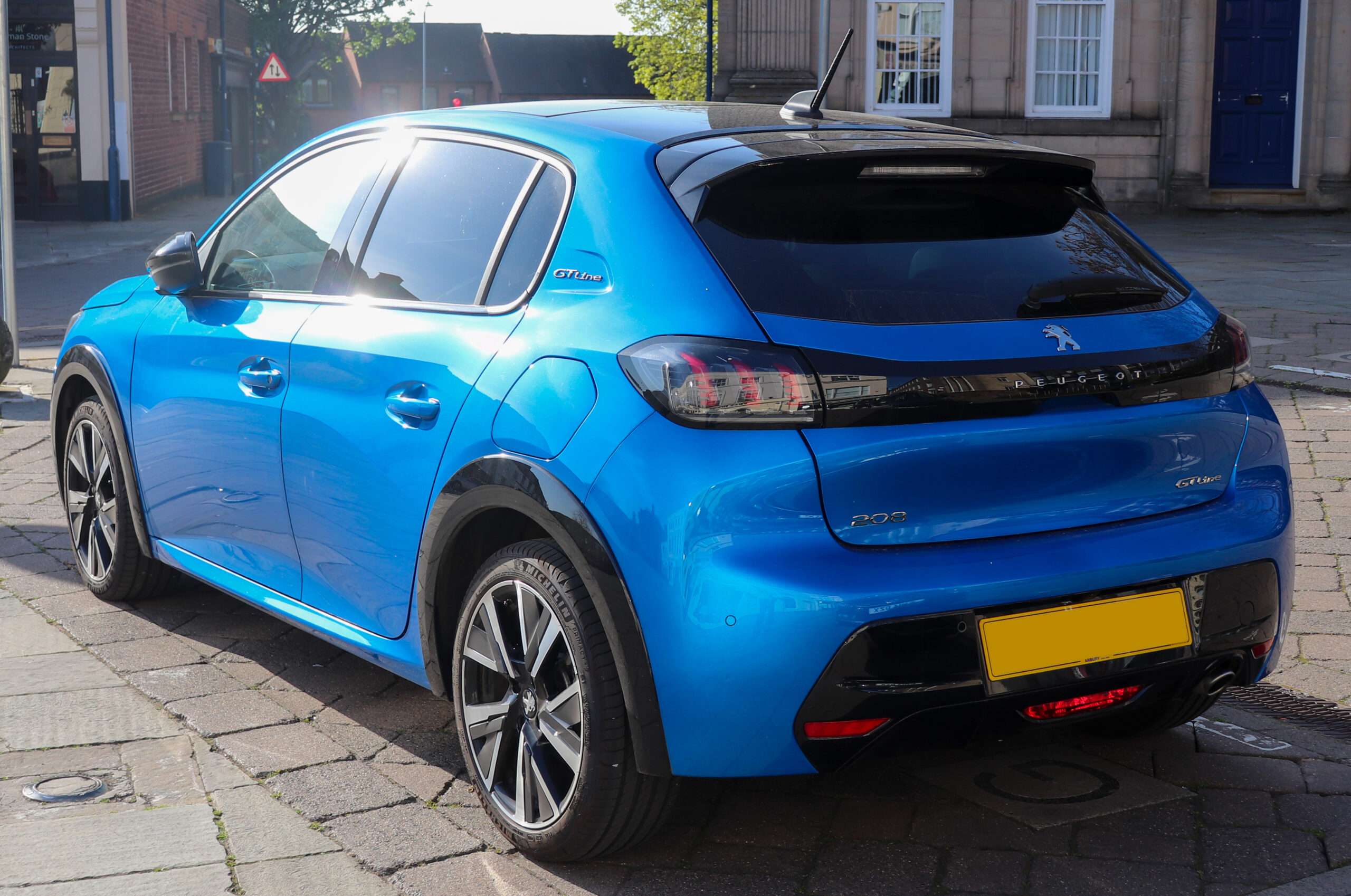
Research examples on eBay included a 2022 PureTech 100 GT manual advertised at £10,495 with about 35,000 miles, a 2020 PureTech 100 Allure EAT8 at £10,960 with roughly 31,000 miles, and a 2020 PureTech 130 GT Line EAT8 at £11,434 with about 40,000 miles. These are individual asking-price snapshots, not completed sales or verified condition reports.
Compare the same output, transmission, broad mileage and equipment. Separate dealer preparation and warranty scope from a private offer. A low-mileage 130 and a higher-mileage 75 do not belong in one simple price average. An advertisement repeated across platforms is still one car.
Maintenance evidence can justify more attention than trim. A documented oil and belt history on a healthy engine can be more valuable to a buyer than larger wheels or a special colour. Conversely, an invoice alone is not proof that the job was appropriate or the fault completely resolved.
Price the uncertainties before making an offer
List known consumables, overdue work and unresolved symptoms separately. Tyres can be quoted against a measured specification. Missing maintenance needs a schedule and condition assessment. An oil-pressure warning or significant oil use is a diagnostic uncertainty, not a belt-kit shopping exercise.
If a dealer agrees to prepare the car, put the actual scope in the order and ask for itemised evidence before collection. “Full service and belt checked” is too vague if you need confirmation of the oil specification, actual belt work and associated oil-system assessment. Reinspect and retest the car after agreed repairs.
A practical 208 Mk2 viewing checklist
Before travelling
Obtain the registration, output, gearbox type, service records and both-key status. Request a genuine cold start. Check MOT mileage progression and repeated advisories, remembering that the test does not assess the full engine history or establish that manufacturer maintenance is current.
Check history, finance and the seller’s right to sell. At the car, compare the VIN and documents and investigate discrepancies independently. Ask Peugeot to confirm outstanding recalls/campaigns and the position on any applicable PureTech support. Do not infer either from a current MOT.
Cold engine inspection
Look safely at oil level, coolant level and visible signs of leakage before starting. Check around hose joints, the reservoir and accessible areas for staining or dried residue. Never remove a hot pressurised cooling-system cap. A recently topped-up reservoir should prompt questions about any recurring loss.
Inspect for improvised wiring, disturbed connectors, missing fixings and inconsistent repair evidence. A clean engine bay does not establish internal condition. Ask what work was done and by whom, and match it to invoices rather than assuming replaced components indicate a fault-free car.
Starting and warning lights
Observe the normal warning-light check and start without excessive throttle. Listen for persistent abnormal noise and assess idle quality. Condensation on a cold day is not automatically internal engine damage, but sustained smoke, uneven running or warnings deserve professional interpretation.
A recurring misfire should not be treated as a routine plug replacement without diagnosis. Spark plugs and coils are possible investigation areas, but the symptoms and fault information need to be assessed together. Stop for serious pressure, overheating or severe running warnings.
Cooling and temperature behaviour
During the drive, confirm normal temperature behaviour and useful cabin heat. Look for new warning messages, smells or leaks afterwards, without opening the system while hot. Ask about any previous overheating and what testing established that the cause and consequences were resolved.
A replacement pump, housing or hose is useful evidence only if the current system is dry and behaving properly. Repeated top-ups remain a fault to investigate. Do not accept a discount based on the cheapest part that might explain it.
Bodywork and accident repairs
Compare panel gaps, paint transitions, lamps and glass. Check door closure, sill edges and the boot floor for distortion or inconsistent seams. Plastic trim can make cosmetic damage less obvious, so look beneath accessible loose load-floor panels with the owner’s agreement.
Arrange a professional structural/underbody inspection when repair evidence or history raises a question. A polished exterior does not settle the condition of mountings, jacking points or repaired areas. Do not dismantle trim at a viewing without permission or crawl beneath a car supported only on a jack.
Tyres, wheels and suspension
Check correct tyre specification, full-width tread, sidewall condition and age. Uneven wear can indicate pressure neglect, alignment issues or damage. Damaged wheels deserve consideration with the steering and suspension, not just the cost of a cosmetic refurbishment.
On a varied route, listen for knocks and assess whether the car steers consistently. A pull, vibration or off-centre wheel needs a cause. Ask an inspector to distinguish an alignment requirement from worn or damaged components before agreeing a repair allowance.
Brakes and low-mileage storage
Brake progressively when safe and check for judder, pulling, abnormal noise and an inconsistent pedal. A car used infrequently may have corroded discs or sticking operation despite low mileage. A new MOT does not mean all consumables are fresh.
Identify the actual braking arrangement and parts references before pricing a kit. A dealer’s promise of new pads does not address a caliper fault or damaged discs unless the agreed work says so. Check parking-brake operation normally and have concerns inspected professionally.
Cabin water and boot checks
Feel accessible carpet areas and inspect under the boot floor for dampness. Look for staining around doors, rear trim and roof lining. A recent valet or strong fragrance should not replace these checks. A leak should be traced to its source, because the location of the damp patch may not identify the entry point.
Check tailgate operation, seals and signs of previous sealant repairs. Verify the load cover, rear-seat folding and spare-wheel/repair-kit provision. Missing equipment can affect everyday use and should be included in your purchase calculation.
Screen, instruments and assistance systems
Demonstrate the actual instrument display and check for stable operation. Try your phone connection and audio while stationary. Navigation, camera views and smartphone functions can differ by equipment and software; do not assume that an advert’s generic feature list is accurate.
Unresolved camera, sensor or assistance warnings need diagnosis. If glass or body repairs involved sensor equipment, ask whether calibration was necessary and documented. Do not deliberately provoke emergency-braking systems to test them at a viewing.
Manual/EAT8 test and warm restart
Include urban progress and a faster section to warm the engine and gearbox properly. Use moderate acceleration rather than repeated full-throttle demonstrations. On the manual, compare clutch action and selection cold and warm. On EAT8, revisit drive/reverse engagement and parking after the main drive.
Restart warm and look for new warnings. Recheck accessible areas for leaks and compare running with the first start. Symptoms that appear at the end of the test matter just as much as those visible immediately. Have them resolved before collection.

Love cars you don’t see every day?
Get forgotten cars, surprising motoring stories and the most interesting finds from Unusual Cars by email.
Free to join. No spam. Unsubscribe whenever you like. See our privacy policy.
Maintenance and UK fitted costs
What a service should establish
Use Peugeot’s current requirements for the actual engine and VIN. Oil approval matters alongside viscosity, quantity and change timing. An eBay kit mentioning a familiar grade is not a manufacturer approval check. Ask for the oil specification on the invoice and match it to the applicable guidance.
Separate oil/filter work, plugs, brake fluid, air/cabin filters, timing-drive work and transmission maintenance. A generic major-service package is not automatically Peugeot’s complete scheduled work. Have the workshop explain what is due now and what has already been evidenced.
Wet-belt work: define the full job
Ask what is included in the engine-specific belt replacement, associated checks, seals/fixings, fluids and any oil-system inspection or cleaning required by the findings. Work after degradation or a pressure warning may have a different scope from preventive replacement on a healthy engine.
The Stellantis &You UK menu separates the EB wet-belt job from its belt-and-water-pump package. It explicitly excludes EB2 1.2 petrol engines from the latter package and states that the EB belt job does not require a water pump as part of that package. Do not add a generic pump package simply because another engine’s belt quote includes one.
Published costs: what the figures mean
| Item/job | Published example | Scope |
|---|---|---|
| 208 EB wet-belt kit job | From £599 at Stellantis &You | Engine-specific fixed repair menu; confirm eligibility and complete scope by registration. |
| Front pads / front discs and pads | From £209 / £469 | 208 petrol menu, not e-208 pricing; confirm exact brakes and associated repairs. |
| Battery / front wipers | From £309 / £67 | Dealer menu starting prices; confirm battery technology and fitting requirements. |
| Oil, air and cabin filter kit | Example eBay advertisement £30.99 | Parts only, described for 2019-on; oil and labour may be additional. |
| Broader filter/plugs kit | Example advertisement £119.99 | Parts only; compare exact brands, quantities and contents. |
| EAT8 fault, oil consumption or pressure investigation | Diagnosis and itemised quotation | No reliable universal fitted repair price without identifying the fault. |
These are advertised examples rather than guaranteed quotes. Ask the workshop to show parts, labour, VAT and diagnosis separately, with approval before additional work. The published dealer menu does not provide a defensible labour-only rate, so one has not been inferred from the package price.
A belt-job starting price plus front discs/pads totals £1,068 before any separately required diagnosis or extra work. That is a scoped purchase-budget example, not an annual running-cost forecast. Check for overlapping service items before adding another package, and establish any confirmed manufacturer contribution before assuming who pays.
208 Mk2 PureTech service-parts table
Each affiliate link opens an eBay UK search using campaign 5339238906. Match the precise engine, oil approval and component reference. Results can contain the earlier 208, diesel kits and e-208 parts even where the search says Mk2. Confirm fitment and workshop acceptance before ordering customer-supplied parts.
| Service part | Fitment and buying advice | eBay UK comparison |
|---|---|---|
| Oil and filter kit | Confirm current oil approval against VIN; do not select by viscosity alone. | Compare oil and filter kit |
| Air filter | Match engine and airbox reference. | Compare air filter |
| Cabin filter | Confirm dimensions and standard/carbon option. | Compare cabin filter |
| Spark plugs | Match output/engine code and exact specification. | Compare spark plugs |
| Timing-belt kit | Workshop job; parts alone do not define oil-system checks and full repair scope. | Compare timing-belt kit |
| Auxiliary belt | Separate from the timing drive; match the actual installation. | Compare auxiliary belt |
| Front brake discs/pads | Confirm diameter and brake reference; e-208 parts may differ. | Compare front brake discs/pads |
| Rear brake service parts | Check the actual arrangement, dimensions and required hardware. | Compare rear brake service parts |
| Battery | Match technology, capacity, dimensions and any reset requirements. | Compare battery |
| Alternator | Match engine, rating, connector and pulley. Later hybrids differ. | Compare alternator |
| Manual clutch kit | Manual only; identify gearbox and release-component scope. | Compare manual clutch kit |
| Wipers | Confirm generation and fittings; price the complete set you need. | Compare wipers |
A practical audit of a seller’s PureTech paperwork
Build a short timeline of ownership, mileage, oil services, belt inspections, replacement work and any warning-light or oil-consumption investigation. The purpose is to find unanswered questions, not simply count stamps. A car with several owners can have excellent records, while a one-owner car can still have significant gaps.
| Evidence offered | What it establishes | What still needs checking |
|---|---|---|
| Service stamp without an invoice | A recorded workshop visit | Oil approval, actual work, mileage consistency and any additional maintenance. |
| Oil/filter invoice | The stated oil service, if matched to the car | Whether the specification was correct and belt/consumption questions were addressed. |
| “Timing belt replaced” invoice | A described replacement job | Reason for replacement, full scope, findings, associated checks and current running. |
| Claim that Peugeot will pay | A seller’s statement | Written Peugeot confirmation against this VIN and the applicable terms. |
| New engine or major repair | A significant intervention | Unit provenance, cause of original failure, ancillary work, warranty and evidence of healthy operation since. |
| Recent MOT | Roadworthiness test outcome on that date | Scheduled maintenance, internal engine health, support eligibility and oil consumption. |
Where clarification matters, ask the seller for permission to contact the named workshop. Have a qualified inspector interpret technical findings rather than deciding from an abbreviated invoice line alone. Keep a copy of any written support confirmation and purchase preparation agreement.
A replacement engine need not automatically rule a car out, but it changes the questions. Was the original failure properly identified? Were contaminated or damaged ancillary components dealt with? Is the replacement unit identified and warranted? A clean engine bay and a low claimed replacement mileage are not the complete evidence.
Hidden ownership costs
Uncertain oil use and diagnostic time
An engine that needs repeated top-ups can cost more than the bottles of oil. Formal consumption assessment, leak diagnosis and investigation of pressure concerns can involve several stages. Agree the diagnostic scope and authority for further work rather than authorising an open-ended parts replacement exercise.
If the seller cannot explain a history of top-ups or warnings, assess the purchase as unresolved until professional evidence is available. Do not use a discounted belt job as the complete allowance for every possible internal-engine concern. Conditional support should be verified separately.
Tyres, wheels and body equipment
Sportier trims can come with larger wheels and more expensive tyres. Check the correct size and rating and include fitting, valves and disposal when comparing prices. Damaged rims or uneven wear may add investigation, alignment or suspension work, not just replacement tyres.
Lights, cameras and parking equipment can make body repairs more involved. A cracked lamp or damaged bumper should be quoted against the exact part and any required calibration, coding or associated checks. Avoid valuing the repair from a superficially similar second-hand component online.
Keys, screens and optional functions
Test every key and obtain a programmed replacement quote if one is missing. Check the actual screen, instruments and phone connection. A car that lacks a desired function may need different hardware or activation rather than a simple software update.
For screen faults, ask what the proposed repair includes and whether functions will remain compatible. A cheap replacement may not reproduce every original feature. Keep restoration of a fault separate from an optional upgrade so you understand what you are paying for.
Air-conditioning and cabin condition
A system that does not cool needs testing before it can be described as merely low on gas. A leak, control problem or failed component changes the cost. If a seller agrees to repair it, verify performance after the work and obtain the invoice.
Dampness can create trim, electrical and odour problems beyond the original leak. Have the source and the extent of affected areas established. A valet or a new mat is not evidence that water entry is resolved.
Tax, insurance and collection
Obtain registration-specific tax and insurance quotations before payment. Output, transmission, emissions, first-registration date and modifications can affect the figures. Do not assume all 1.2-litre cars cost the same to insure or tax.
If serious warning symptoms are present, allow for safe transport to a workshop rather than driving home and hoping for the best. Breakdown cover is useful for unexpected failures but does not replace fixing a known concern before use.
First-month ownership plan
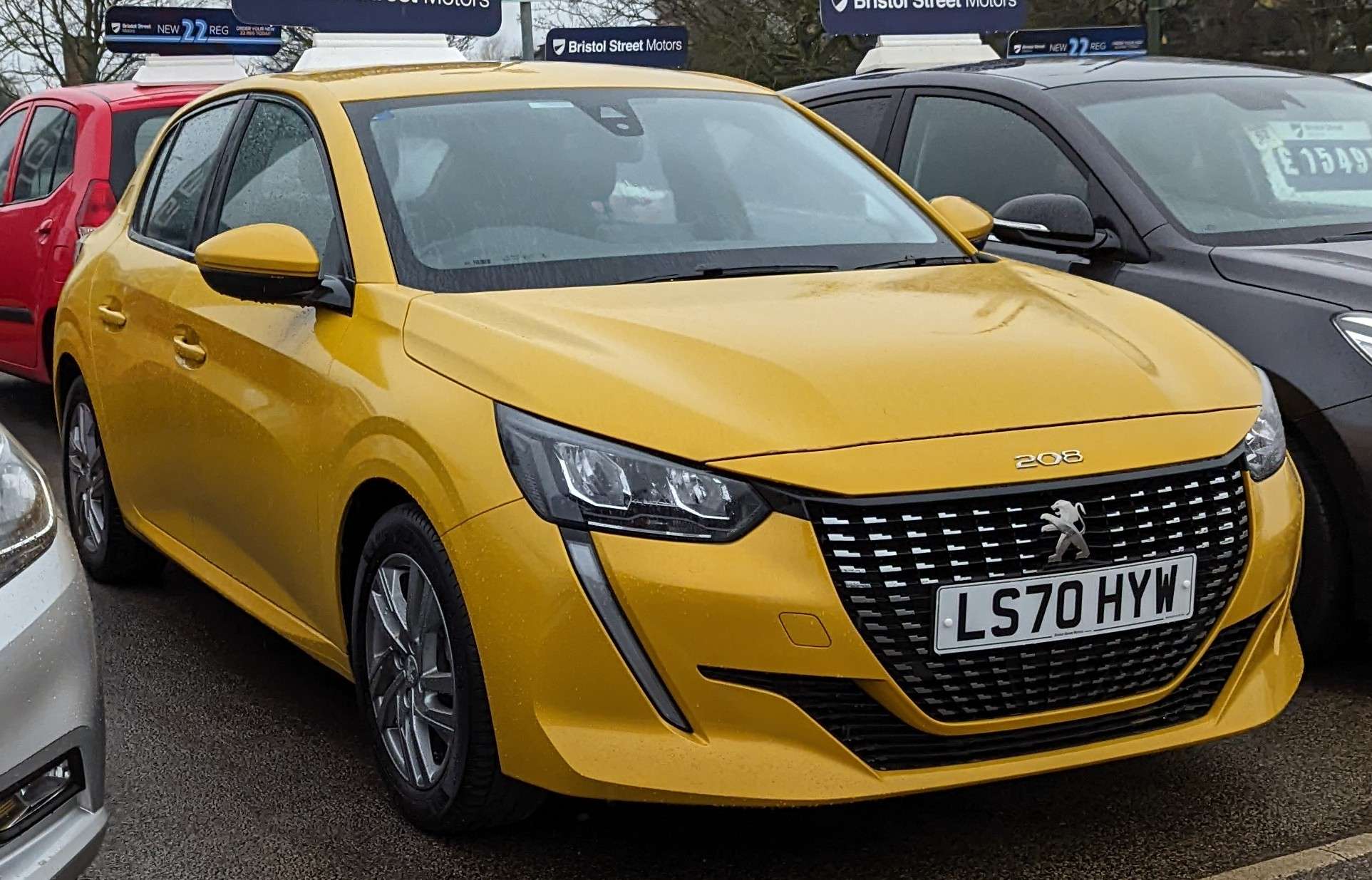
Have a workshop establish the correct maintenance baseline using the VIN and paperwork. Separate safety defects, scheduled work, diagnosed faults and optional improvements. That avoids repeating recent work unnecessarily while leaving an important item unaddressed.
Record safe cold oil and coolant levels and monitor them under comparable conditions. Keep mileage and top-up information rather than relying on memory. A recurring warning or change in levels should prompt diagnosis, particularly if it relates to pressure, temperature or misfiring.
Confirm both keys, the locking-wheel key and repair-kit/spare-wheel arrangement. Check tyre pressures against the vehicle’s specified load conditions. Learn the screen and assistance controls while parked so you are not discovering the interface in difficult traffic.
Keep invoices showing oil approval, components, mileage and work scope. If support eligibility is relevant, preserve the records and follow Peugeot’s stated requirements. Good evidence helps the current owner as well as making the car easier to assess at resale.
208 Mk2 petrol buying questions
Would you buy a PureTech 100?
Yes, if engine condition and maintenance evidence are convincing and the driving position suits the buyer. It is the starting point for this shortlist, not an endorsement of any car with the badge. Obtain professional assessment where records or symptoms leave material uncertainty.
Does a new belt eliminate the risk?
No single invoice establishes the whole engine’s health. Ask why the belt was replaced, what was found, which associated work was completed and whether symptoms have returned. Preventive work and repair after a pressure event are different buying propositions.
Will Peugeot cover every wet-belt repair?
No blanket promise should be made. The manufacturer describes conditional support for eligible cases. Check the current terms, maintenance evidence and written VIN-specific position before relying on it financially.
Is EAT8 the later hybrid gearbox?
No. The conventional EAT8 fitted to these petrol derivatives should be identified and assessed on its own requirements. Do not apply servicing or diagnostic advice from older automated manuals or later hybrid installations simply because they are all described as automatic.
Is GT Line the same as the old 208 GTi?
No. The ordinary Mk2 petrol’s styling/equipment trim is a different proposition from the earlier GTi performance model. Verify output and drivetrain individually and use the separate GTi guide for that car.
What would make you stop the purchase?
Unresolved identity or finance issues, serious pressure or temperature warnings, unexplained high oil use, significant transmission symptoms or concealed structural damage. A seller’s reassurance or a large discount should not replace a diagnosis.
The questions to send before a viewing
A useful seller enquiry is specific enough to distinguish a documented car from an advert with attractive photographs. Ask for the engine output and gearbox, the date and mileage of the last oil service, the oil specification shown on the invoice and the belt inspection/replacement record. Ask whether oil has needed topping up between services, whether an oil-pressure or temperature warning has appeared, and what repair evidence exists.
Also establish whether both keys work, whether the screen and phone functions operate normally and whether there is any dampness, accident repair or unresolved warning. Request a cold start and permission for an independent inspection. You do not need the seller to diagnose the car by message; you need enough evidence to decide whether a journey is worthwhile.
If the response is that the car has been serviced but the paperwork is unavailable, treat the history as incomplete until the evidence is supplied. If the seller will obtain Peugeot support confirmation, ask for it before paying. A promise to resolve important questions after purchase should not be part of your risk calculation.
Buy, inspect further or keep looking?
| Finding | Practical response |
|---|---|
| Consistent identity, credible engine records, healthy inspection and normal cold/hot running | Proceed with normal checks and a maintenance reserve. |
| Clearly diagnosed wear or routine maintenance due | Price complete fitted work and agree preparation in writing. |
| Unclear belt history or uncertain support eligibility | Obtain an engine-specific assessment and written confirmation before relying on a discount or contribution. |
| Oil-pressure warning, unexplained consumption, overheating or substantial EAT8 symptoms | Pause for diagnosis; preventive servicing is not proof that consequential problems are absent. |
| Identity discrepancy, concealed structural concerns or refusal of meaningful inspection | Keep looking unless the issue is resolved independently before purchase. |
Our final recommendation
Start with a documented PureTech 100, choose the gearbox after a proper test, and confirm the i-Cockpit suits you. Give engine history and present condition more weight than trim or colour. The strongest purchase leaves you with clear evidence, no unresolved major symptoms and a reserve to maintain the car properly.
Peugeot 208 Mk2 1.2 PureTech cars for sale
Compare current asking prices, then verify the generation, engine, history and condition of each advertised car. Results can include incorrectly described vehicles.

Love cars you don’t see every day?
Get forgotten cars, surprising motoring stories and the most interesting finds from Unusual Cars by email.
Free to join. No spam. Unsubscribe whenever you like. See our privacy policy.