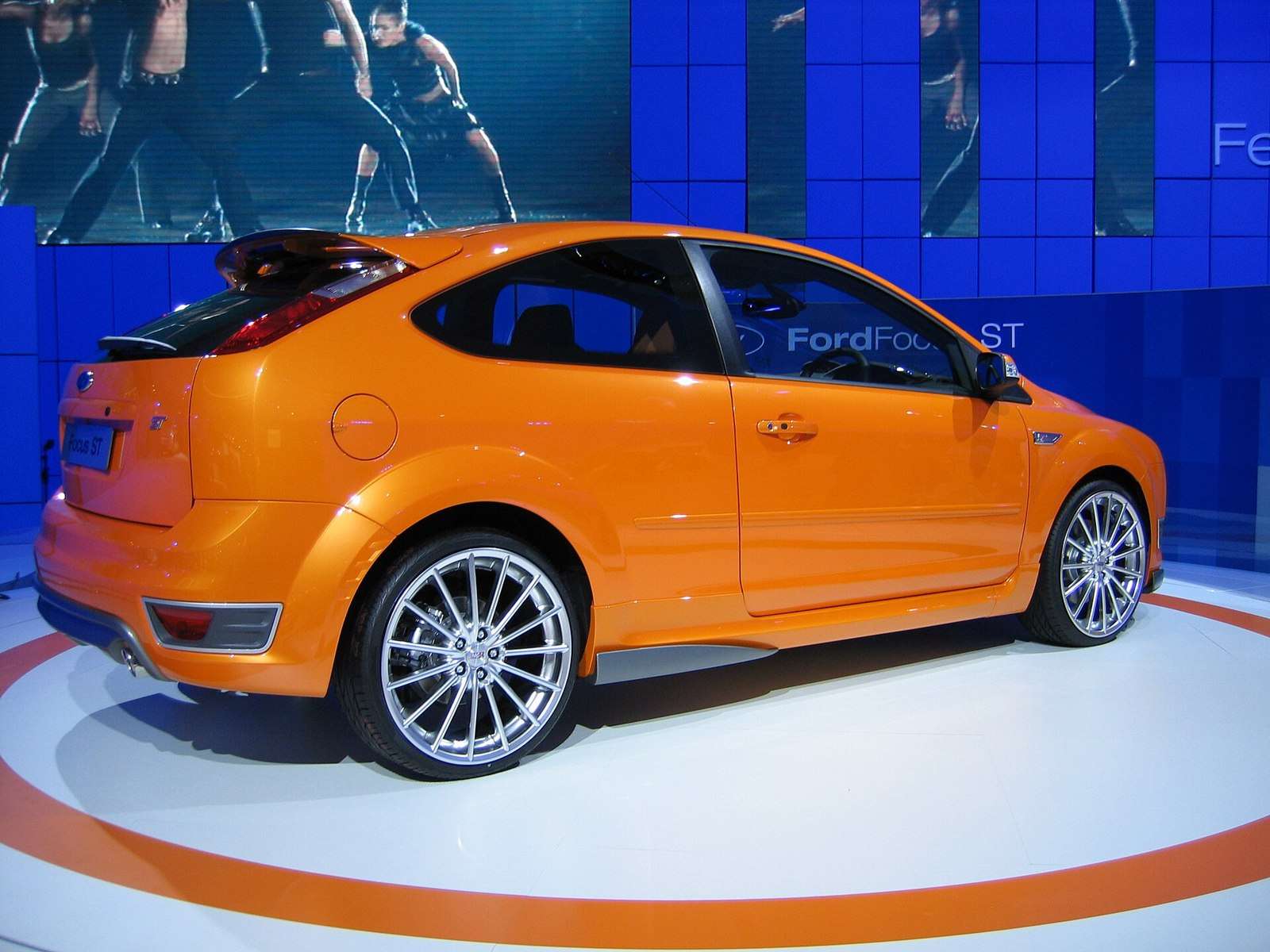
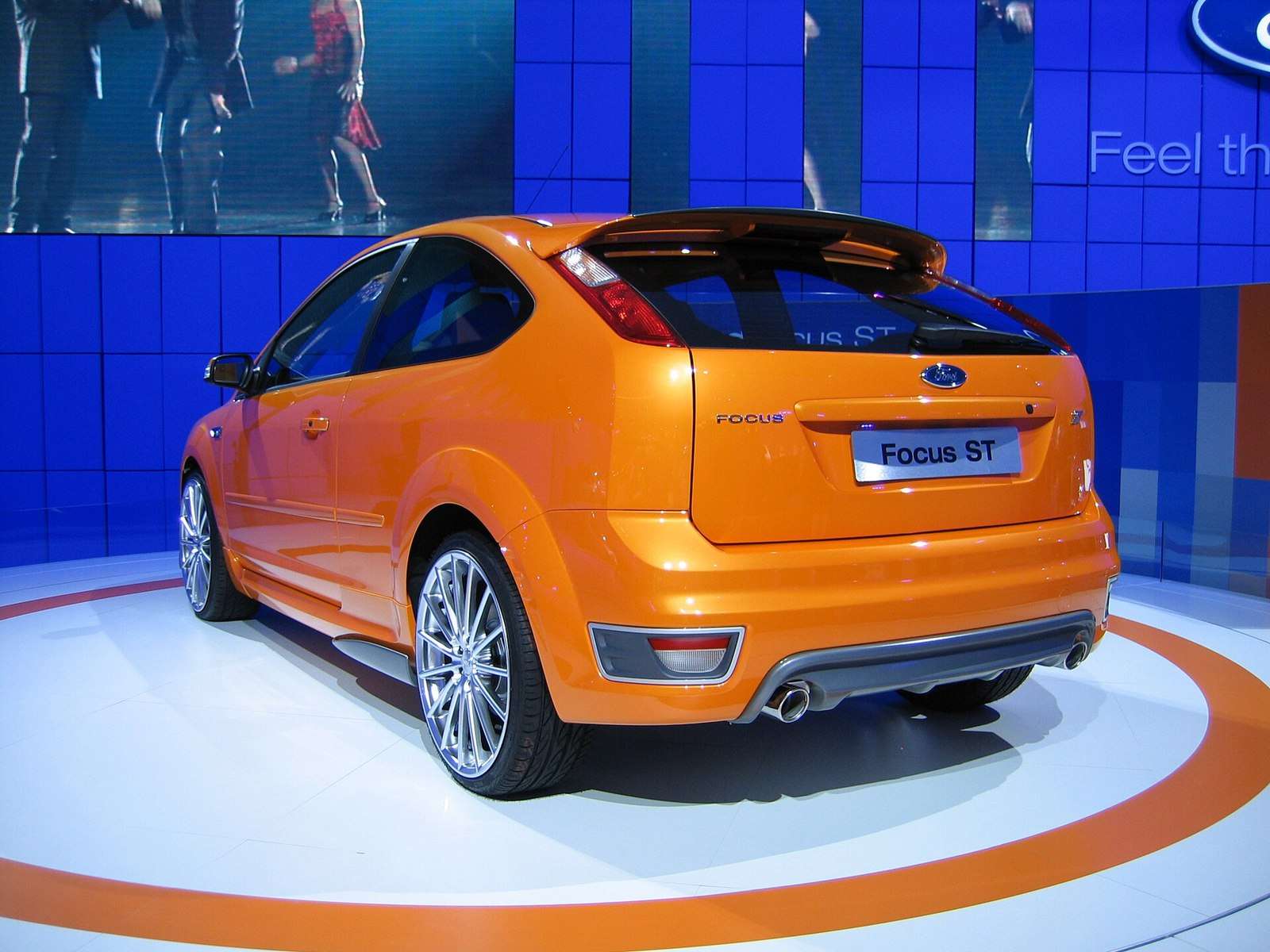
Five cylinders, Electric Orange paint and a usable hatchback body made the Mk2 Focus ST one of the defining fast Fords of the 2000s. Its story starts before the more famous Mk2 RS.
1. The number refers to metric horsepower
Ford quoted 225 PS, equivalent to about 222 bhp. The company generally called it simply Focus ST. The ST225 nickname conveniently separates the five-cylinder car from the earlier ST170 and the later 250 PS Mk3.
2. Ford put five cylinders across the engine bay
The 2.5-litre turbo is from Volvo’s modular five-cylinder family. Mounting it transversely let Ford keep the Focus front-wheel-drive layout, while the odd cylinder count gave the ST a sound its four-cylinder rivals couldn’t reproduce.
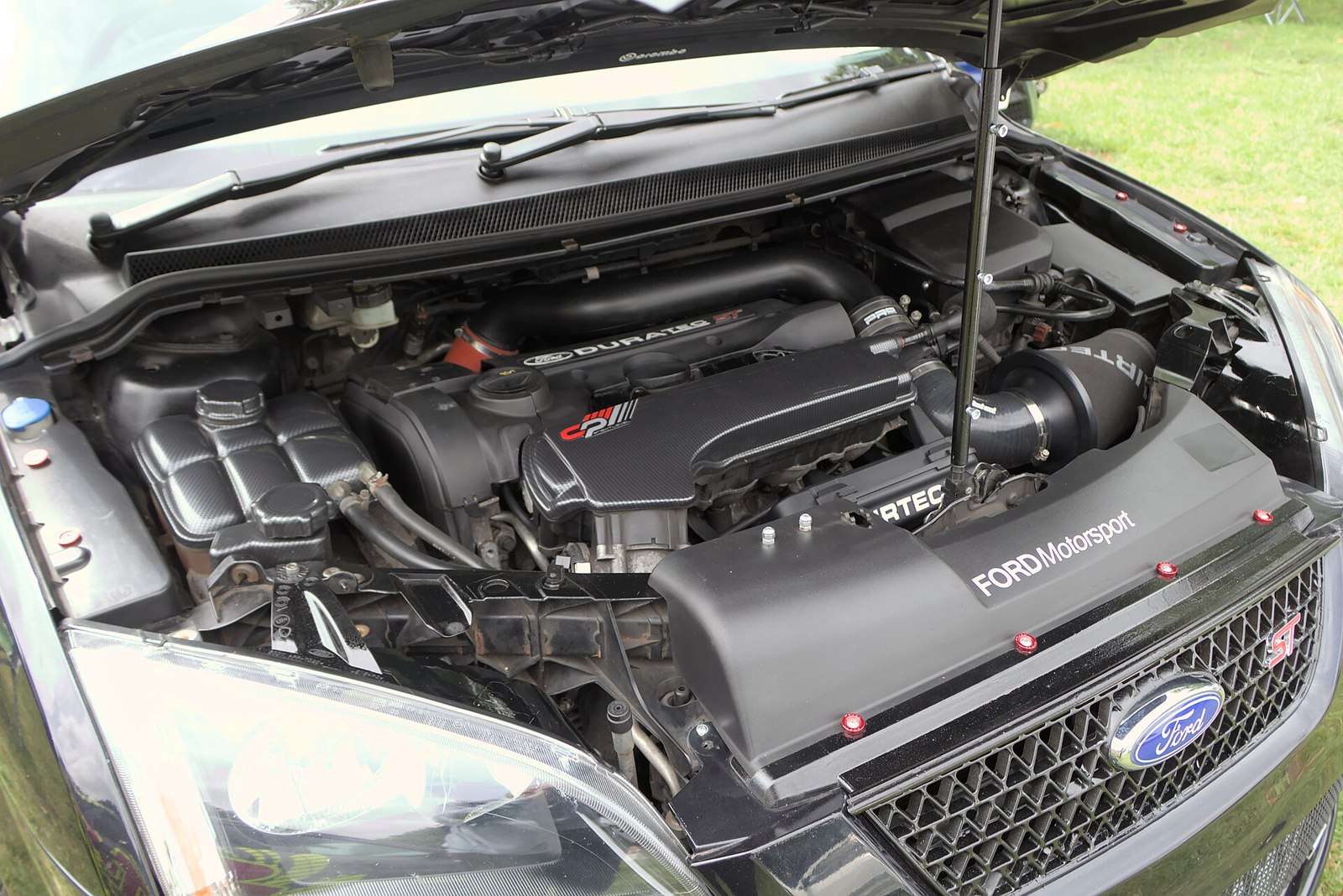
3. Torque arrived surprisingly low down
Ford quoted 320 Nm across a broad 1,600–4,000 rpm band. That made the ST as much about a quick overtake without changing down as it was about a sprint through the six-speed manual gearbox.
4. The ST arrived years before the Mk2 RS
Ford showed the new ST in 2005, while the Mk2 RS arrived later in the decade. Both used a 2.5-litre turbo five, but the RS added its own engine upgrades and front-axle hardware. Their shared engine family tells only half the story.
Love cars you don’t see every day?
Get forgotten cars, surprising motoring stories and the most interesting finds from Unusual Cars by email.
Free to join. No spam. Unsubscribe whenever you like. See our Privacy Policy.
5. Electric Orange was a factory choice
The vivid launch colour made the ST instantly recognisable. More muted paints were available too, so a silver or blue car could pack the same five-cylinder drivetrain without the unmistakable orange bodywork.
6. There were three gauges above the dashboard
Ford gave the turbo boost, oil temperature and oil pressure displays their own pod on top of the dash. They were a small but distinctive piece of design, and a more interesting cabin clue than an ST badge on the steering wheel.
7. It came with a choice of three or five doors
The UK range offered both hatchback body styles. Three-door cars gave the ST a more coupé-like profile. Five-door examples retained the same basic performance with easier rear-seat access.
8. The chassis was part of the conversion
Ford lowered and stiffened the suspension and revised its steering and braking package. The ordinary Focus already had a well-regarded rear suspension layout, which gave the ST engineers a good base to work with.
9. The facelift kept the five-cylinder engine
The updated Focus brought sharper lights and bumpers. The ST retained its 225 PS turbo five and six-speed manual, so an early and a late car can look quite different while sharing the same defining powertrain.
10. Australia called it the XR5 Turbo
Ford Australia marketed its version under the XR5 Turbo name. It is a useful clue when reading overseas reviews or looking at period photographs, which can show a familiar-looking Focus wearing an unfamiliar badge.
Explore more 10 Things articles
Browse the Unusual Cars 10 Things hub.
Sources and further reading
Featured image: Electric Orange Ford Focus ST at a motor show. Photo by Robin Corps from Crowthorne, England via Wikimedia Commons (CC BY-SA 2.0, resized).
Join the Unusual Cars Club
Get more forgotten performance cars, surprising motoring stories and new 10 Things articles by email.
Free to join. No spam. Unsubscribe whenever you like. See our Privacy Policy.